Best Chairs for Long Sitting Hours: A First Time Buyer's Guide for 2026
Disclosure: We may earn a commission when you buy through links on this page, at no extra cost to you. As an Amazon Associate I earn from qualifying purchases. Learn more

Shopping for the best chairs for long sitting hours for the first time? Learn the terms, compare options, and avoid rookie mistakes with this easy guide.
Most chair advice is written for the first twenty minutes, but the real test of the best chairs for long sitting hours comes at hour five, when the seat has flattened a little, the room has warmed up and your posture has drifted. This guide is written for first time buyers who want to know what actually fails late in the day, so you can pick a chair that holds up from the first coffee to the last email. Use the comparison table below for the options, and the notes here to judge them.
Think of a long day as three stretches. The first couple of hours reward fresh energy and good posture, the middle hours expose seat foam and heat, and the final hours expose everything else. A chair that handles all three needs a firm seat at the right depth, support that moves with you and a surface that does not trap heat.

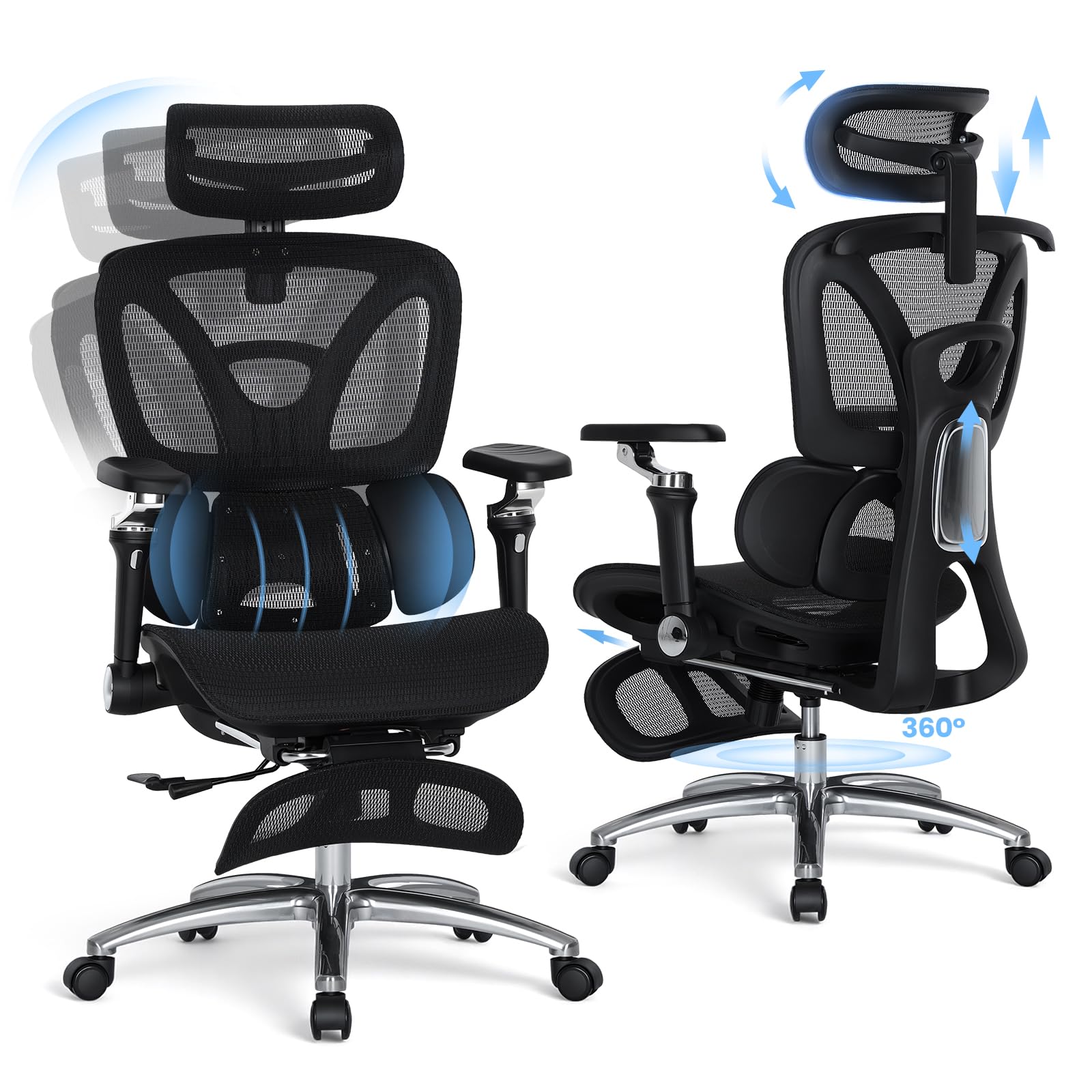
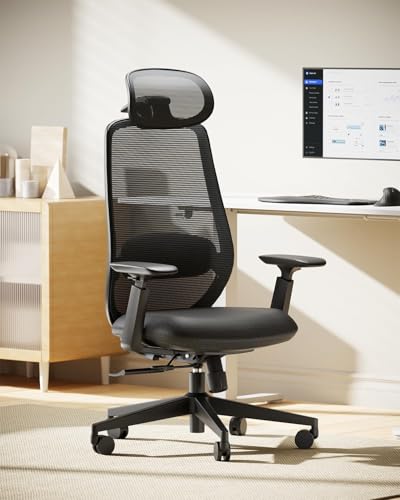

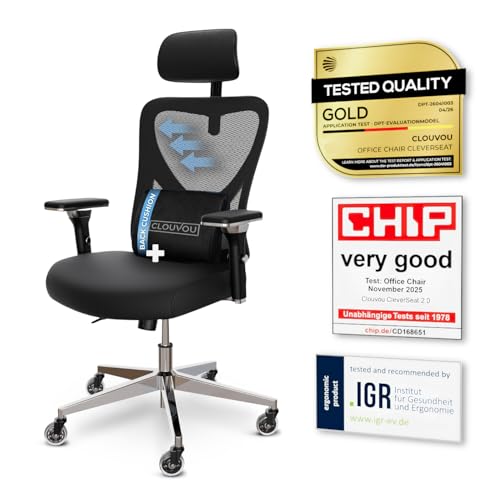

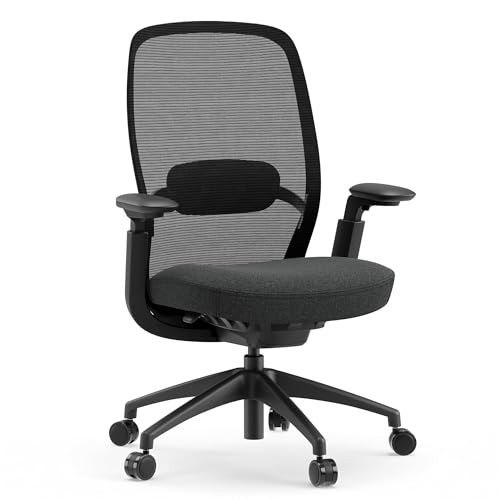


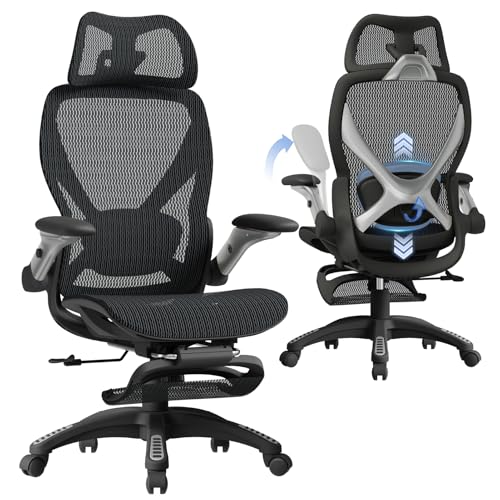
What the Best Chairs for Long Sitting Hours Handle as the Day Goes On
Understanding the pattern makes the buying decision simpler, because each stretch of the day points to a different feature.
Hours One and Two: Setup Decides the Day
Early in the day almost any chair feels fine, which is exactly why showroom sits mislead. What matters now is whether you can set the chair to your body in a minute: seat height for flat feet, a backrest that meets your lower back and armrests that let your shoulders hang. A chair you cannot adjust quickly will be left at its factory settings, and those settings suit nobody in particular.
Hours Three to Five: Foam and Heat Take Over
By midday cheap foam starts to compress, and a sealed seat cover starts to feel warm. High density foam keeps its shape and spreads your weight, while soft low density foam leaves you resting on the seat board. If your room runs warm, a mesh back or breathable fabric keeps you comfortable far longer than thick padding does.
Hours Six and Beyond: Small Movements Matter
Late in the day the question becomes whether the chair lets you shift. A tilt that unlocks, tension you can set for your weight and armrests that stay out of the way all encourage the small position changes that keep you from stiffening. A rigid chair that holds one posture feels worst at exactly this point, however good it felt at nine in the morning.
Features That Pay Off Late in the Day
Seat Depth and Cushion Density
Sit fully back and check for about two or three fingers of space between the seat edge and the back of your knees. A seat that is too deep presses behind your legs and pushes you to perch, while one that is too shallow leaves your thighs unsupported. Pair that fit with firm foam, and the seat will still feel level at the end of a long shift.
Back Support That Follows You
Lumbar support should meet the curve of your lower back at belt height and stay in contact when you lean back. Adjustable height is the minimum, and adjustable depth is better. A backrest tall enough to reach your shoulder blades keeps you from slumping forward when your attention drifts to the screen.
Breathable Surfaces and Room Temperature
Mesh breathes and suits warm rooms, fabric feels softer and cooler rooms suit it, and faux leather wipes clean but holds heat. Choose by the temperature of the room where you will actually sit, not by the photo, and remember that the surface you like at nine may not be the one you like at four.
Armrests, Tilt and a Frame Built for Daily Load
Armrests that adjust in height keep your forearms supported without lifting your shoulders. A tilt lock lets you hold a slight recline for calls, and a steel frame with a rated gas lift and a metal base carries daily load for years. Check the weight capacity and leave real headroom above your own weight.
Matching the Chair to Your Schedule
Six to eight hours a day suits a midrange chair with adjustable lumbar support and armrests, because that is where the adjustments that matter first appear. If you sit ten hours or more, put money into foam density, a longer warranty and parts you can replace. If your day is split between a desk and a sofa, favor easy height changes and a chair that returns upright quickly.
Shared chairs need the widest adjustment range, since every sitter resets the chair differently. If two people of different heights use one seat, choose clear controls you can reach while seated and write the preferred settings on a note by the desk. For a closely related read focused on the working day, see our guide to the best chairs for long hours.
Rookie Mistakes to Avoid
- Judging a chair by the first sit misses the foam and heat problems that appear after lunch.
- Skipping the seat depth check leaves a front edge that presses behind your knees.
- Choosing the softest seat lets your hips sink and flattens the curve of your lower back.
- Setting the height once and never again ignores how shoes, desks and cushions change the fit.
- Ignoring the return window leaves you with a chair you cannot send back after a full week.
Getting Started in the First Week
Set the seat so your feet rest flat and your knees sit near a right angle, move the lumbar support to your belt line, and lower the armrests until your shoulders relax. Change one setting a day and note how the chair feels at the end of the afternoon rather than the morning. Tighten the bolts after the first week, because new chairs settle, and keep the box until the return window closes.
Build breaks into the plan as well. Stand, walk and stretch lightly every half hour or so, because no chair removes the strain of sitting still. If back or neck pain keeps returning despite a well fitted chair, talk with your clinician about your personal needs.
FAQ
How firm should the seat be for long sitting hours?
Firm enough that you sink in slightly and then feel the foam push back. Press your thumb into the seat: it should give and recover rather than flatten to the board. Very soft seats feel kind for ten minutes and tiring by the afternoon, while board hard seats concentrate pressure under the sitting bones.
Is mesh better than padding for a long day?
Mesh is better in warm rooms because air moves through it, and padding is better in cool rooms where a softer feel is welcome. Neither wins everywhere, so choose by room temperature and by how much you move. If you run hot, mesh is usually the more comfortable choice by hour six.
Do I need armrests on a chair I use all day?
Armrests help when they adjust in height, because supported forearms let your shoulders relax. Fixed arms set too high or too wide cause more trouble than none at all. If your desk has a low edge, choose arms that flip up or slide back so the chair still tucks under.
How long should a chair last at this level of use?
A good chair used for long hours daily often lasts about five to eight years before the foam or lift tires. Foam usually softens first, so a flat seat is an early warning even when nothing looks broken. A chair with replaceable parts stays useful much longer than one sold as a sealed unit.
Is an expensive chair worth it for long hours?
It is worth it when the extra money buys a wider fit range, stronger parts and a longer warranty that you will actually use. If a midrange chair already fits your body, a premium price buys finish more than comfort. Divide the price by the years you expect to keep the chair, and compare that figure rather than the sticker.
Final Thoughts
Choose for hour five, not hour one: a firm seat at the right depth, support that moves with you and a surface that stays comfortable in your room. Check the product table above against those three points, take your breaks and give any new chair a full week. Judge the best chairs for long sitting hours by how they feel at the end of the day, and the right one becomes obvious.