Best Chairs for Hip Replacement Patients in 2026: What Actually Matters Before You Buy
Disclosure: We may earn a commission when you buy through links on this page, at no extra cost to you. As an Amazon Associate I earn from qualifying purchases. Learn more

Find chairs for hip replacement patients with safe seat height, firm support and strong arms, plus a sizing checklist, red flags and care tips.
After hip surgery, sitting down and standing up become skills you relearn, and the wrong chair can make both harder. The best chairs for hip replacement patients keep your hips a little higher than your knees, give you firm arms to push from, and stay steady while you move. Use the comparison table below to check each chair against those basics first.
This guide works as a checklist rather than a sales pitch. You will see which seat heights protect the new joint, why a soft cushion can work against you, and how to measure before you order.
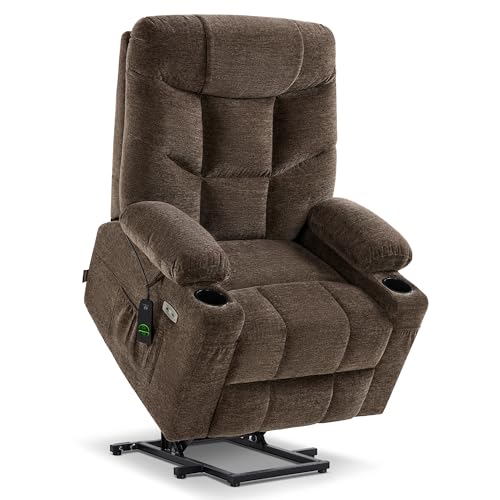

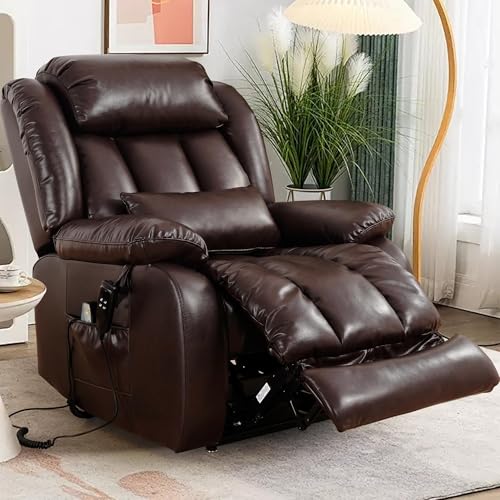

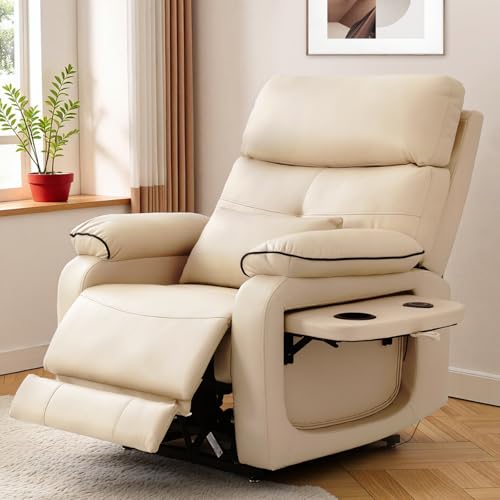
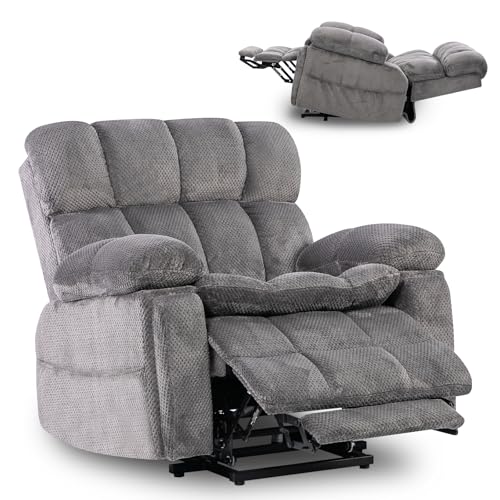


Who Should Buy Which Chairs After Hip Replacement?
Recovery changes week by week, so the right chair depends on where you are now.
Patients in the First Weeks at Home
You are likely using a walker or cane and sitting many times a day for short periods. Choose a firm chair with a seat near the top of your safe range, strong arms you can grip without shrugging, and no wheels. A sturdy dining chair beats a deep lounge chair.
Taller or Heavier Patients After Hip Replacement
Your seat height must rise with your leg length, because a standard seat can drop your hips far below your knees. Look for taller models, a wider seat, and a weight capacity with a clear margin above your body weight. Favor a wide base that does not flex when you push on both arms.
Patients Returning to Desk Work After Hip Replacement
You will sit for longer stretches, so small posture errors add up. Choose an ergonomic chair with adjustable seat height, lumbar support, and a tilt lock that holds you upright. Set a timer to stand and walk at intervals your care team suggests, because no chair replaces regular movement.
Key Features to Compare
Work through these factors in order, because seat height and firmness decide safety while style only decides looks. If pain becomes sharp, the hip feels unstable, a leg swells suddenly, the wound leaks or grows hot, or you develop a fever, contact your surgical team promptly, and talk with your clinician about personal limits.
Seat Height and Hip Angle
Seat height is the first number to check. Many clinicians use a guide where your hips sit slightly higher than your knees, often called the 90 degree rule, so a seat around 18 to 22 inches high suits many adults. Measure to the top of the compressed cushion. Taller people usually need the upper part of that range. If a chair sits too low, a firm added cushion can raise it, and our guide to the best chair replacement cushions explains foam choices.
Firm Seat and High Density Foam
A firm seat of high density foam supports you at the stated height, while a soft seat sinks and lowers your hips below your knees. Press the cushion with your hand in a store. It should give a little, then hold. Foam that wraps deeply around you makes standing harder because you start from a lower base. Firm foam also spreads pressure under your thighs.
Armrests You Can Push From
Armrests are working parts on these chairs for hip replacement patients, not decoration. You will lower yourself with them and push up through them many times each day, so they must feel solid, sit where your hands reach without leaning, and stay clear of your thighs. Padded tops help sore palms, but the support underneath must not wobble. Adjustable armrests suit desk chairs, while fixed wide arms often feel steadier at home.
Seat Depth, Seat Width, and Room to Move
Seat depth decides how much of your thigh rests on the chair. Around 16 to 19 inches suits many adults, and you want a small gap behind your knees when your back touches the backrest. A seat that is too deep pulls you into a slouch, while one that is too shallow leaves your legs unsupported. Width matters too. You need room to shift without squeezing past the seat edges.
Stability, Frame, and Weight Capacity
The base must stay planted while you transfer your weight onto it. Four solid legs or a wide five point base both work when they do not rock, and casters should lock or be absent during early recovery, because a chair that rolls as you sit can move at the worst moment. Steel and hardwood frames feel firm, and listed weight capacities often run from about 250 to 400 pounds. Choose a rating above your weight plus anything you hold.
Lumbar Support, Back Shape, and Tilt Lock
An upright back with lumbar support keeps your pelvis from rolling backward into a deep slump, which can bend the hip further than you intend. A gentle curve or a small pillow behind your lower back is enough for most people. On desk chairs, a tilt lock that holds a near upright position beats a wide recline range. A mesh back breathes well during long sits, while a padded back feels warmer in cooler rooms.
Chair Types Compared and a Quick Buyer Checklist
Sorting by type first helps, because the best chairs for hip replacement patients for a living room and a desk rarely share the same shape. A firm dining or accent chair with arms is the simplest recovery seat. A lift chair with a powered base raises you toward standing, which can help if arm strength is limited, though it costs more and takes more floor space. An ergonomic office chair suits desk work when its height adjusts and its casters lock. Compare related options in our guide to the best chairs for hip replacement and our guide to the best chairs after hip replacement.
- Does the compressed seat height keep your hips at or above your knees?
- Can you push on both armrests without any wobble or flex?
- Does the cushion feel firm after ten minutes, not only at first touch?
- Is the stated weight capacity above your weight with a clear margin?
- Do the casters lock, or does the chair have fixed legs?
- Can you reach the floor with both feet flat while seated?
- Does the chair fit with room to approach using your walker?
Answer no to any of the first five questions and that chair is a poor fit for early recovery, whatever its price or style.
Common Mistakes to Avoid
- Buying a low lounge chair drops your hips below your knees and makes standing a strain.
- Choosing a very soft cushion lets you sink lower each hour and lose the safe seat height.
- Picking a chair without arms forces you to push from your thighs and twist as you rise.
- Using a chair on unlocked casters lets it roll backward at the moment you commit your weight.
- Ignoring seat depth leaves you perched on the edge or slumped.
- Skipping the room measure leaves no space to approach with a walker.
Tips to Get the Most From Your Chair and Care for It
Back up until both calves touch the front edge, reach back for the arms, then lower yourself slowly, keeping your operated leg slightly forward if your care team taught you that method. Keep your feet flat as you rise, and push through the arms rather than pulling on a table. Dressing while seated is safer too, and our guide to the best shoes for hip replacement covers footwear you can manage from a chair.
Tighten bolts and check leg joints every few months, because daily pushing through the arms loosens fixings. Vacuum fabric weekly, wipe spills at once so foam does not absorb them, and clean hard surfaces with a damp cloth. Stop using the chair if a leg cracks or an arm bends, since a failing support can drop you.
FAQ
What seat height is safest in chairs for hip replacement patients during early recovery?
A seat height around 18 to 22 inches is safest for most adults during early recovery, measured to the top of the cushion once it compresses under you. Your leg length decides the exact point, so test with a firm cushion on a chair at home first. If your feet dangle, the seat is too high even if the hip angle looks right.
Can hip replacement patients use a recliner chair safely at home?
Some hip replacement patients can use a recliner, but only one that keeps the seat high and firm and your knees lower than your hips. Many standard recliners sit low and sink deeply, which works against both goals. A lift model that raises the whole seat is often easier to leave. Ask your surgical team first, because movement limits differ by surgical approach.
How long should hip replacement patients sit in one chair session?
Most care teams advise short sits at first, often around 30 to 45 minutes, followed by standing and walking as your plan allows. The exact timing is personal, so follow the schedule your clinician gave you. Stiffness that eases once you move is common, while new sharp pain is a reason to call your team instead of sitting longer to test it.
Is a cushion enough to fix a low chair for a hip replacement patient?
A firm cushion can fix a chair that sits only a little too low, adding about 2 to 4 inches of height. It works only when the cushion stays in place, the arms remain at a usable height, and your feet still reach the floor. If you must stack two soft cushions, the base chair is the wrong chair and replacing it is safer.
When should a hip replacement patient replace a worn recovery chair?
Replace a recovery chair when the cushion stays compressed after you stand, an arm moves under pressure, or the frame rocks on level flooring. Those signs mean it no longer holds the height and stability you bought it for. A sound chair often serves for years, so inspect it each season rather than replacing it on a fixed schedule.
Our Verdict
Start with seat height, firmness, and arms, because those three decide whether a chair helps or hinders recovery. Then confirm stability, room fit, and price, often about $100 to $400 for a solid home chair. When you compare best chairs for hip replacement patients against that order, use the product table above to confirm the numbers before you order.