Best Chair Replacement Cushions for 2026: Every Type Explained Side by Side
Disclosure: We may earn a commission when you buy through links on this page, at no extra cost to you. As an Amazon Associate I earn from qualifying purchases. Learn more

Foam, fiberfill or blend? Compare the best chair replacement cushions by type, fit and price to refresh a chair you already own.
A flat seat pad or a sagging back cushion can make a solid chair feel worn out long before the frame gives up. Choosing best chair replacement cushions feels confusing because sizes, shapes, fills and fabrics vary so much by chair style. This guide compares each type clearly so you can match a new set to the chair you already own.
Start with your chair type and exact measurements, then compare fill support and fabric. The comparison table below gathers the basic options in one place.



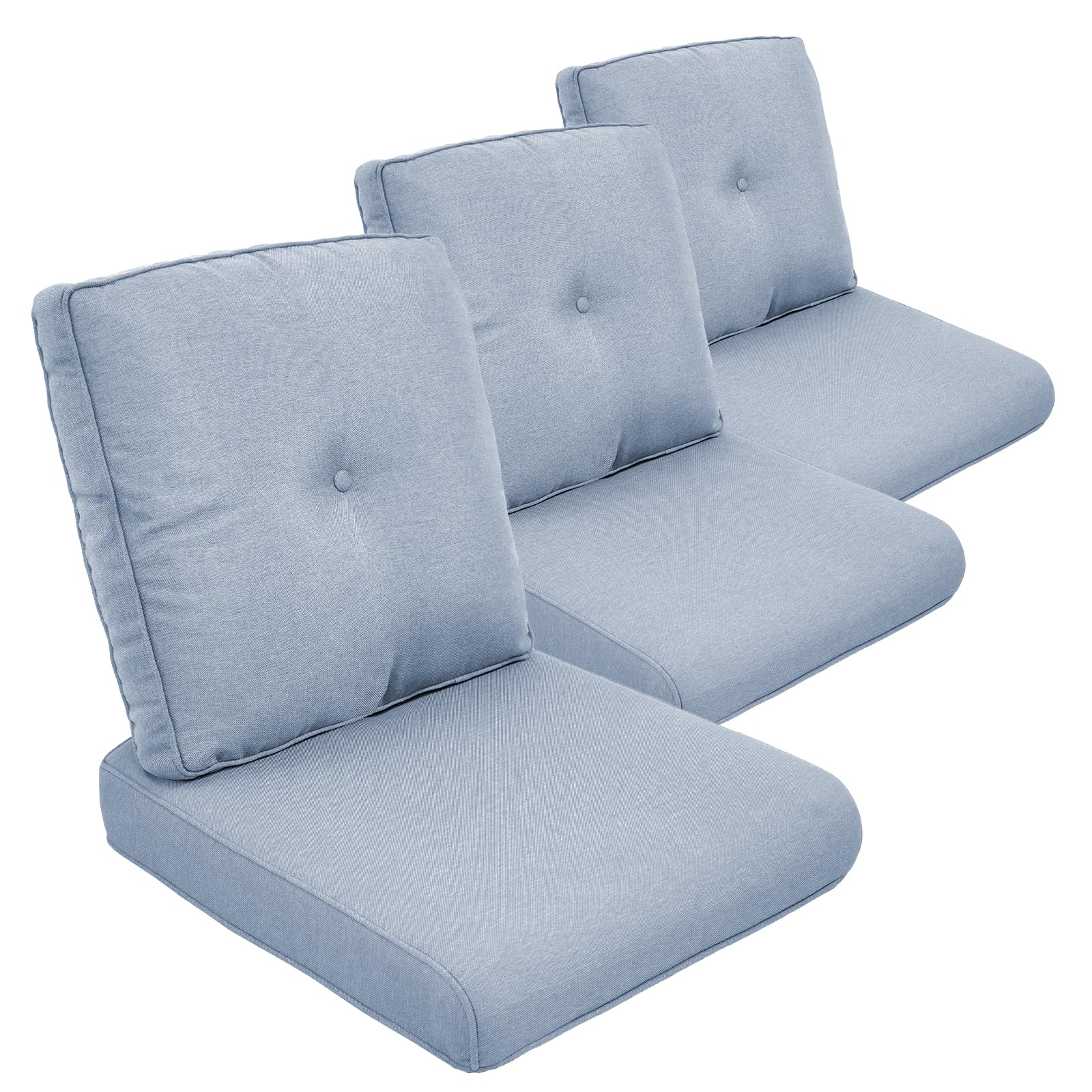

Who Should Buy New Cushions Instead of a New Chair
If the frame is sturdy and the finish still suits your room, new cushions are usually the smarter spend.
Dining Chair Owners With Flat, Thin Seat Pads
Your dining chairs suit the table, but the seat pads have thinned until meals feel hard after twenty minutes. A firmer foam pad in the same shape restores comfort without changing how the chairs tuck under the table. Measure each seat, because older sets often mix two slightly different seat sizes.
Patio Chair Owners With Faded, Weather Worn Cushions
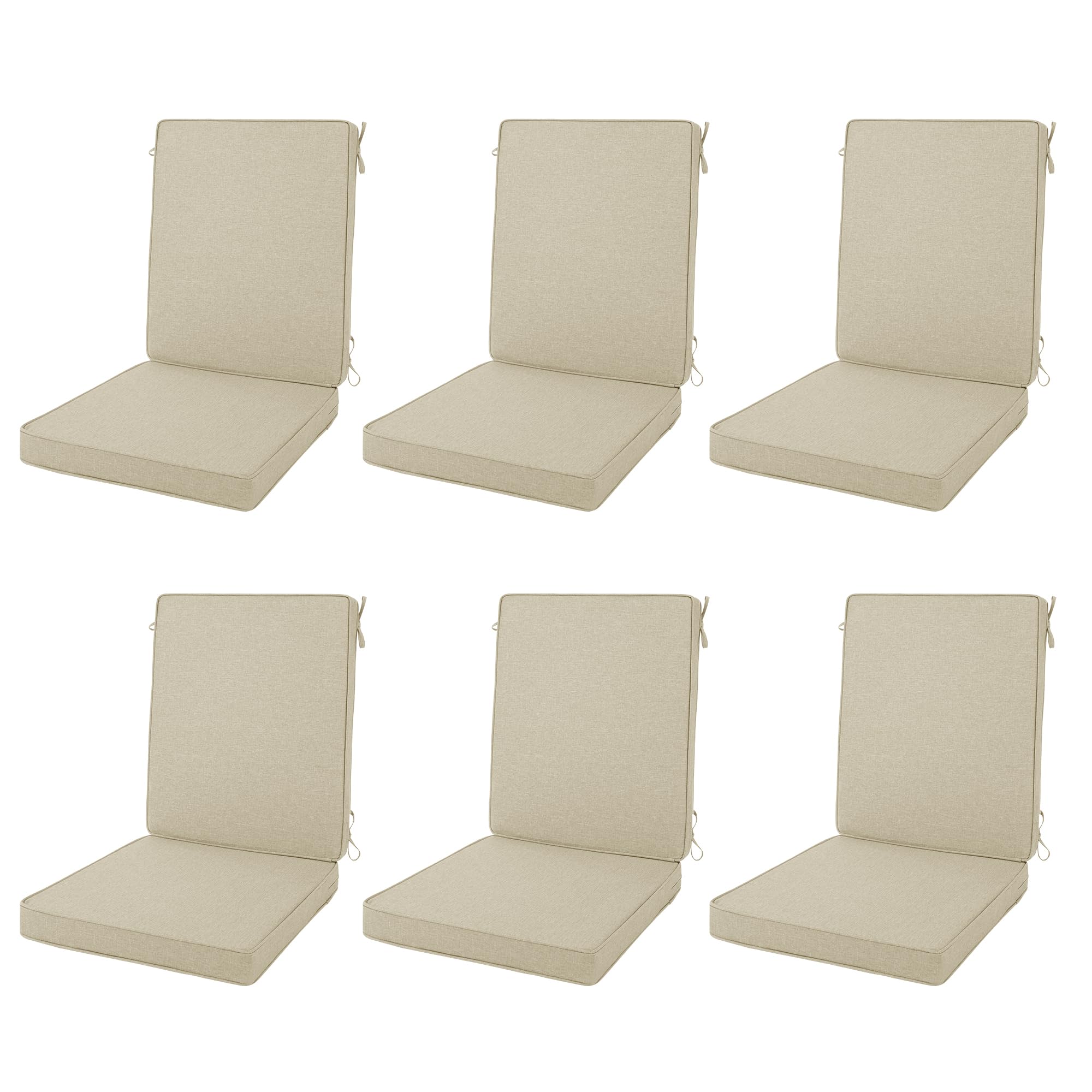
Sun and rain break down outdoor cushions faster than the frames beneath them. If your frames are sound but the fabric has faded and the fill stays damp or lumpy, a fresh set with outdoor fabric and quick drying fill brings the seating back. Count both seat and back pieces before you order.
Glider and Rocker Owners Who Need a Matched Seat and Back Set
Gliders and rockers use shaped seat and back cushions that must move with the frame without bunching. When the original set flattens, a matched set restores the smooth glide and back support. If your chair is a glider, see our guide to the best chairs glider replacement cushions for sizing notes for that style.
Types of Chair Replacement Cushions Compared
Fill decides support, lifespan and price. Most sets cost about $30 to $90 per chair indoors and about $50 to $140 for outdoor deep seating. If you are deciding between a single pad and a full set, see our guide to the best cushion for chairs.
Solid Foam Cushions
Solid foam gives the firmest, most even support and holds its shape longest, which suits dining and desk chairs used daily. A single slab resists bottoming out and keeps a neat, tailored edge. It feels less plush than loose fill at first, and very firm foam can feel hard on lightweight chairs. Choose this type for steady support and a clean outline.
Polyester Fiberfill Cushions
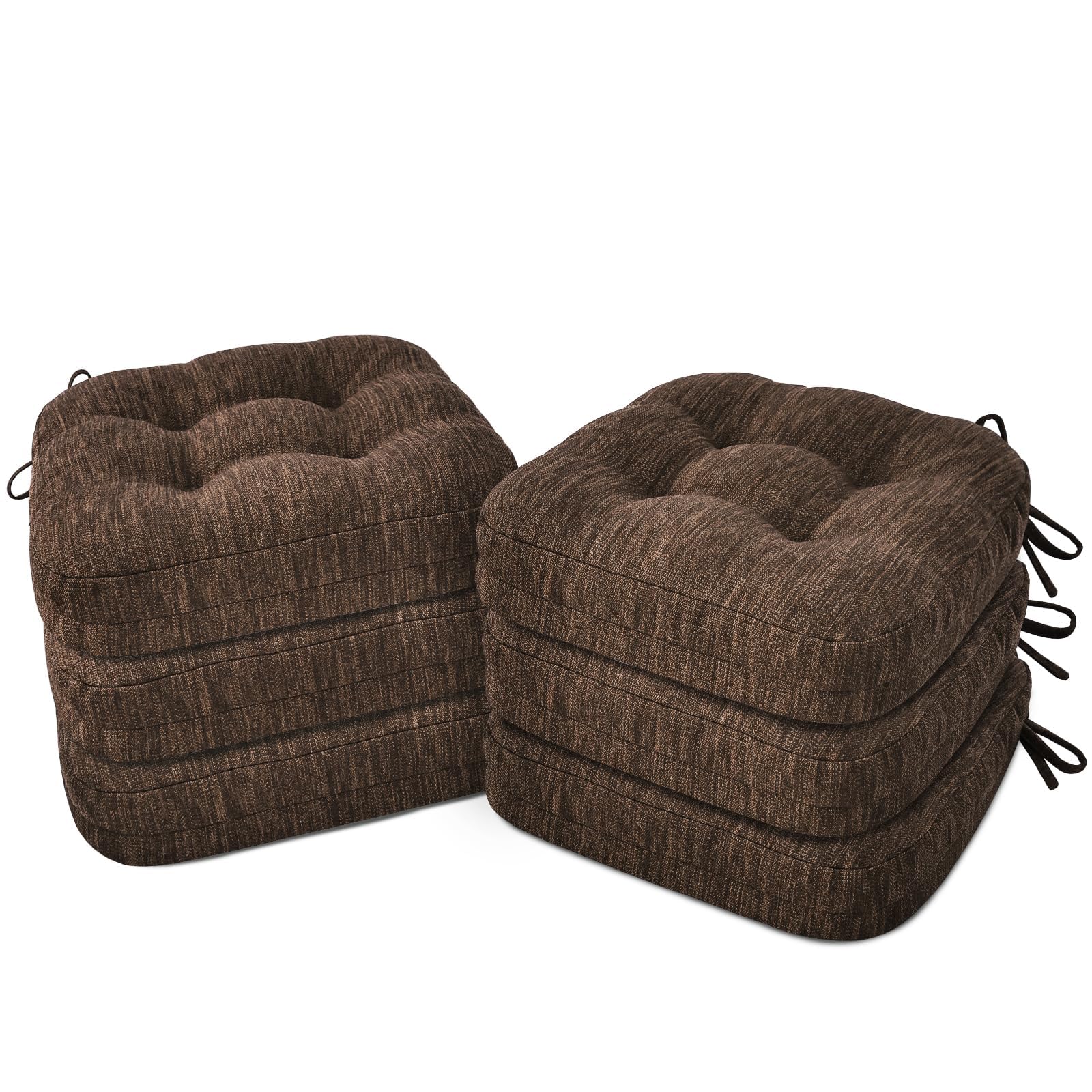
Fiberfill cushions feel soft and plump right away, and they are usually the lowest cost option, often under $40 per seat. The loose fill gives a relaxed look that suits lounge chairs and occasional seating. The trade off is lifespan, since fiberfill compresses and clumps sooner than foam with daily use. Choose this type for guest chairs or a corner chair with light use.
Foam and Fiber Blend Cushions
A blend pairs a foam core with a fiber wrap, so you get support underneath and softness on the surface. This balance suits living room chairs and gliders where you sit for long stretches. Blends cost more than plain fiberfill and hold their shape better, though the wrap can still shift over time. Choose this type if solid foam feels too firm but loose fill feels too soft.
Memory Foam Cushions
Memory foam softens with body heat and molds to your shape, spreading pressure across the seat during long sits. It works well as a thinner pad on hard wooden chairs because it adds comfort without much bulk. It can feel warm in summer and slow to recover in a cold room. Choose this type if pressure relief matters more than a springy feel.
Key Features to Compare
Two cushions with the same fill can feel completely different once size, fabric and fastening are wrong. Compare these five points before you order.
Size, Shape and Thickness
Fit starts with length, width and shape, not with a size label. Common seat pads run about 16 by 16 inches to 19 by 19 inches, while lounge seats can reach 24 by 24 inches. Shapes include square, rounded front and trapezoid, and a wrong shape leaves gaps or overhang. A pad that is too thick also raises seat height and can press your thighs against a table apron.
Foam Density and Support Feel
Density describes how much material is packed into the foam, and higher density foam resists flattening for longer. Firmness is a separate feel, so dense foam can still be soft or firm on top. For daily dining or desk use, pick a firmer, denser core that supports you without sinking to the frame.
Cover Fabric for Indoor or Outdoor Use
Indoor covers in cotton, linen or woven polyester blends feel soft and breathe well, and many zip off for washing. Outdoor covers need water resistant and fade resistant fabric, plus fill that drains rather than holding moisture. A label that mentions OEKO TEX testing can help if low chemical finishes matter to you. Never assume indoor fabric will survive a season outside.
Ties, Straps and Non Slip Backing
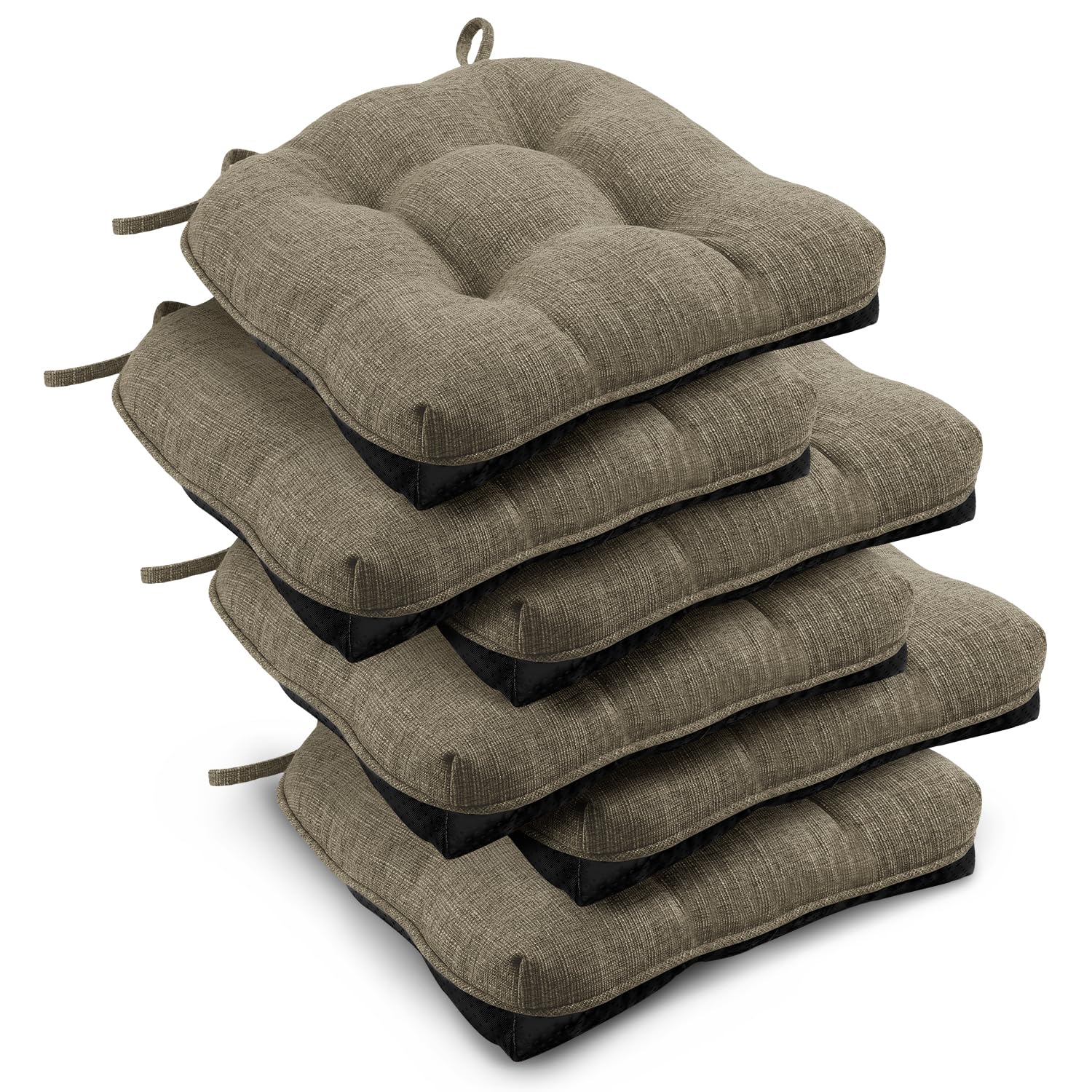
Fastening keeps a cushion where you placed it. Fabric ties suit dining chairs with open backs, while straps with buckles hold better on wide patio frames. A non slip backing works on smooth wooden seats but can grab on textured outdoor frames. Check that ties reach around the back posts without pulling the cushion forward.
Separate Pieces Versus One Piece Sets
Some chairs take a loose seat pad only, while others need a matched seat and back set shaped to the frame. Separate pieces let you replace only the worn part and cost less, but colors can differ between orders. One piece folding sets suit folding patio chairs and some rockers.
How to Measure Your Chair for Replacement Cushions
Accurate measuring decides whether the best chair replacement cushions fit on the first try. Remove the old cushion and measure the frame itself. Write down seat width at the front and back, seat depth, and back width and height if you need a back piece. For a trapezoid seat, trace the old cushion on paper to confirm the shape.
Check thickness against the space around the seat, since a thicker pad can block a glider or lift you too high at a table. If your chair rocks or glides, review our guide to the best chair glider rocker replacement cushions before ordering shaped sets.
Common Mistakes to Avoid
- Measuring only the width means a new cushion can overhang the front edge or leave a gap at the back posts.
- Choosing indoor fabric for a patio chair means the fill stays damp and the cover fades within one season.
- Ordering a thicker cushion without checking clearance means a glider can jam or a dining chair can feel too high at the table.
- Guessing a square shape for a trapezoid seat means the corners bunch, slide and wear out early.
- Skipping ties or straps on a smooth wooden seat means the pad slides forward every time you sit down.
- Replacing only the seat on a matched set means the new color sits against a faded back and the mismatch shows.
Care and Maintenance for Replacement Cushions
Vacuum indoor cushions weekly with an upholstery tool to lift crumbs and dust before they grind into the fabric. Blot spills at once, and wash zip off covers on a gentle cycle in cold water, then air dry them so the fit stays true. Fluff fiberfill by hand and turn foam pads front to back every few weeks so wear spreads evenly.
Outdoor cushions last longer when you stand them on edge after rain so water drains from the seams, and store them dry and covered during long wet spells. Keep them out of strong sun when not in use.
Chair Replacement Cushions: Your Questions Answered
How do I wash chair replacement cushions safely?
You wash chair replacement cushions safely by cleaning the cover and the fill in different ways. Zip off covers usually go in the machine on a gentle cycle, while foam inserts should only be spot cleaned and air dried, since soaking foam takes days to dry. Fiberfill inserts sometimes allow gentle washing, so check the care label first.
How often should I replace chair replacement cushions?
You should replace chair replacement cushions when the seat stays flat after fluffing or the foam no longer springs back. Indoor foam sets often last about 3 to 5 years with daily use, while fiberfill pads can feel thin within 1 to 2 years. If you can feel the frame through the pad while sitting, the fill is done.
What thickness is best for chair replacement cushions used every day?
A thickness of about 2 to 4 inches suits most chairs used every day. Thin pads around 2 inches add comfort to dining chairs without changing seat height much, while thicker cushions suit lounge chairs where the original was thick. Check thickness against armrest height as well, because a tall pad under low arms feels cramped.
Can I use indoor chair replacement cushions on patio chairs?
No, indoor chair replacement cushions are a poor fit for patio chairs that stay outside. Indoor fill holds water, dries slowly and can grow mildew, and indoor fabric fades in sun. A covered porch with cushions stored indoors after each use is the one workable exception. For chairs that live outside, choose outdoor fabric and draining fill.
How do I keep chair replacement cushions from sliding on a wooden seat?
You keep chair replacement cushions from sliding by combining a non slip backing with ties or straps. Backing alone grips during light use, but ties around the back posts stop the forward creep that happens when you stand and sit repeatedly. If your pad has neither, a thin non slip mat cut to the seat outline under the cushion is a simple hidden fix.
The Bottom Line
Measure the frame first, match the fill to how long you sit, and choose fabric for the room or weather the chair faces. Those three checks prevent most returns. When you are ready to order best chair replacement cushions, review the product table above and confirm size, shape and piece count before you buy.