Best Chairs After Hip Replacement for Every Need: How to Pick the Right One for 2026
Disclosure: We may earn a commission when you buy through links on this page, at no extra cost to you. As an Amazon Associate I earn from qualifying purchases. Learn more

Seat height, armrests, firmness and stability explained to help you choose the best chairs after hip replacement.
Choosing best chairs after hip replacement matters for comfort and safety, because sitting too low or standing without support can strain a healing hip. This guide explains seat height, armrests, firmness, and stability in plain language, so you can pick a chair that helps you sit and stand safely during recovery.
You will learn how to measure seat height against your knee, how armrests and seat firmness affect standing, and how to arrange a chair for safe daily use. The comparison table below gives a quick overview of the main chair types, and the sections that follow help you match a chair to your home, your height, and your recovery stage.





Who This Guide Is For
This guide suits people recovering from hip replacement surgery, their families, and caregivers preparing a home for safe recovery. If you are in the early weeks after surgery, a firm, high seat with strong armrests matters most. If you are further along, comfort for longer sitting and good back support may matter more, but safe standing remains essential.
It also helps buyers choosing a chair for a living room, bedroom, or dining area, because different rooms need different sizes and features. Think about your height, your hip precautions from your surgeon, and who will help you stand, then let those answers shape your short list. Always follow your surgeon and physical therapist guidance, because hip precautions vary by person and surgery type.
Types Compared
Chairs for hip recovery differ in height, lift assistance, and support, so compare them by recovery stage and room.
| Type | Best For | Typical Price |
|---|---|---|
| High Seat Armchairs | Everyday sitting and standing | about $200 to $600 |
| Lift and Recliner Chairs | Assisted standing and rest | about $600 to $1,500 |
| Dining and Kitchen Chairs With Arms | Meals and table activities | about $100 to $400 |
| Shower and Bedroom Chairs | Bathroom and dressing safety | about $50 to $200 |
High Seat Armchairs
High seat armchairs offer a firm seat at knee height or slightly above, with strong armrests for pushing up safely. They suit living rooms and bedrooms during early recovery, and they look like normal furniture. Check seat height, armrest strength, and seat depth, because a deep seat can make standing harder.
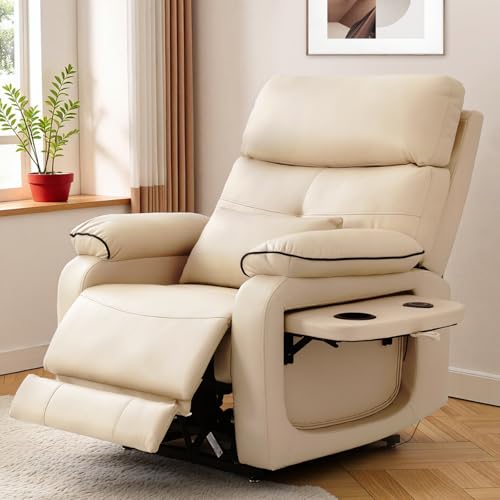
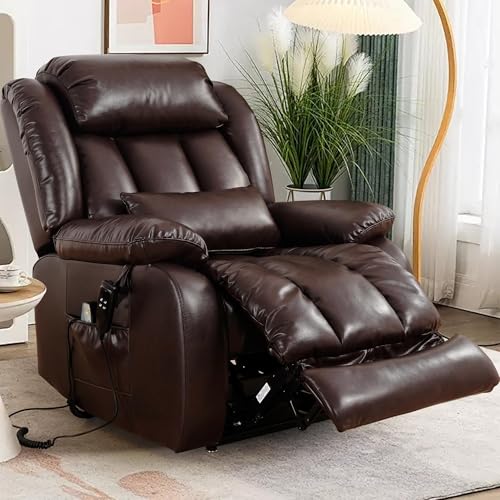
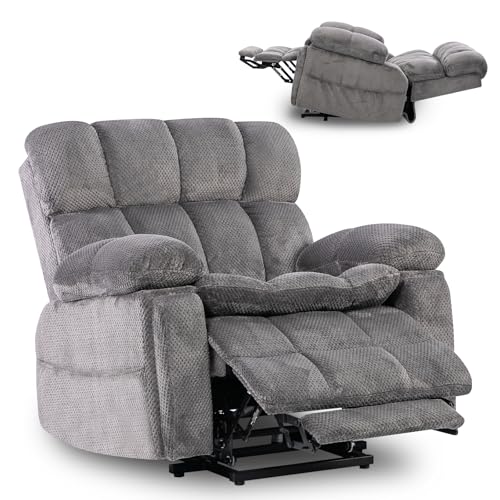
Lift and Recliner Chairs
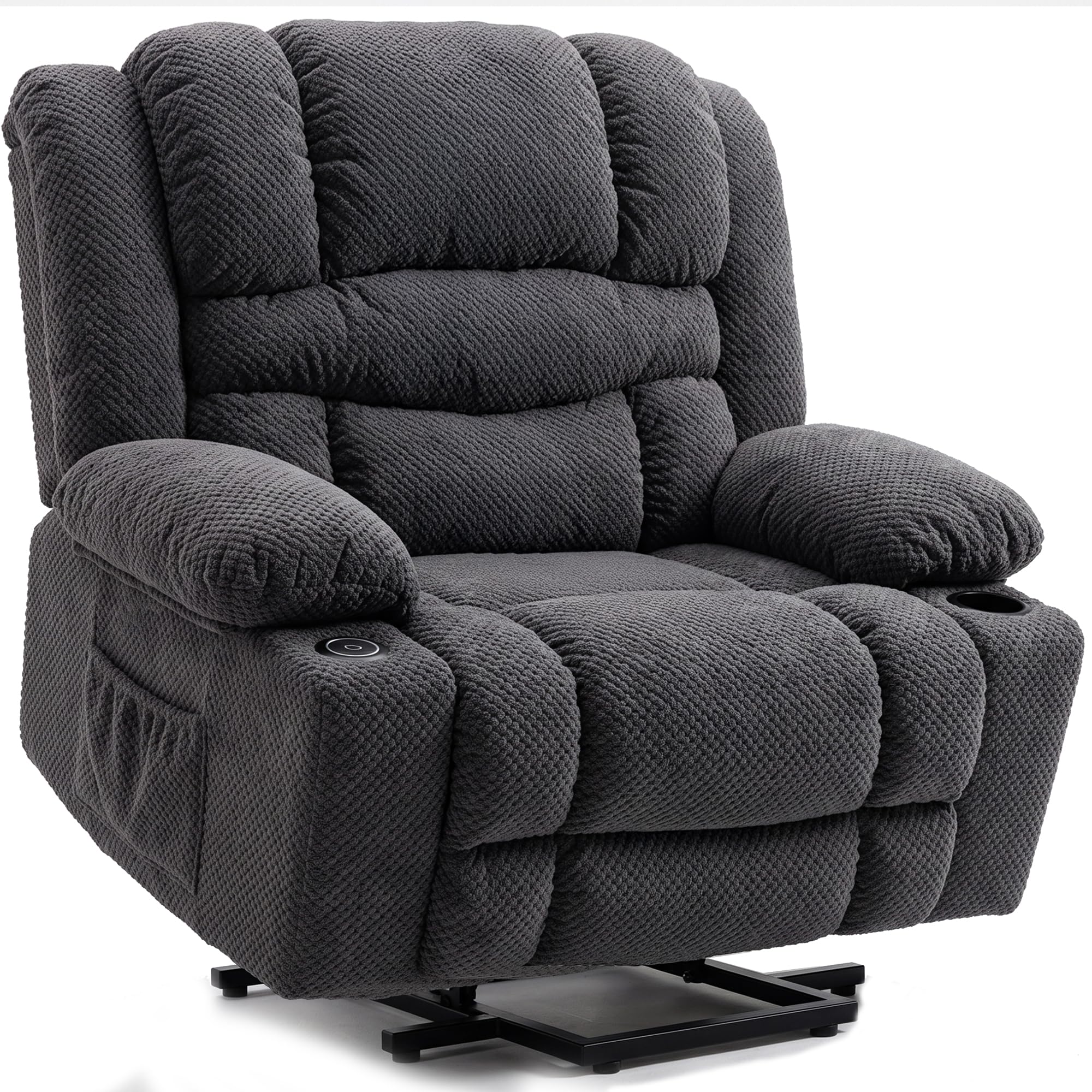
Lift chairs gently tilt forward to help you stand, and recliners support legs and back for rest between walks. They suit people with limited strength or balance, but they take more space and need power. Check lift speed, weight capacity, and whether the chair locks safely in each position.
Dining and Kitchen Chairs With Arms
Dining chairs with arms and a firm, high seat help at mealtimes, where low, armless chairs can be hard to use safely. They should be stable, non slip, and easy to move without tipping. Check seat height against table height, and use a cushion only if it does not make the seat too soft or too high for safe standing.
Shower and Bedroom Chairs
Shower chairs and bedroom chairs support safe washing and dressing, where wet floors and bending increase fall risk. They should be waterproof, non slip, and height adjustable where possible. Use them alongside grab bars and non slip mats, and follow your care team guidance for bathing and dressing after surgery.
Key Features to Compare
These features decide safe sitting and standing more than style alone, so measure and test them carefully.
Seat Height
Seat height should allow feet flat on the floor with knees at or slightly below hip level, which reduces strain when standing. Measure from floor to seat top, and compare with your knee height while wearing normal shoes. A seat that is too low forces deep bending, while a seat that is too high leaves feet dangling and reduces stability.
Armrests
Strong armrests at a comfortable height let you push up with both arms, which reduces load on the healing hip. Armrests should be firm, non slip, and long enough to grip easily, and they should not wobble under weight. Test pushing up slowly with both arms, and check that armrests do not slide or tilt when you lean on them.
Seat Firmness and Depth
A firm seat supports standing far better than a soft, sinking seat, because soft cushions make it hard to push up and can cause uneven hip angles. Seat depth should support thighs without pressing behind knees, and the front edge should not cut into legs. If you add a cushion, choose a firm one that raises height without creating a soft, unstable surface.
Stability and Base
A stable chair with a wide base and non slip feet resists tipping when you push up or shift weight. Avoid chairs on castors, swivel bases, or rocking mechanisms during early recovery unless your care team approves them. Check weight capacity, floor grip, and whether the chair stays steady when you lean to one side to reach an item.
Back Support and Angle
Back support should keep your spine comfortable without forcing you into a low, slumped position that strains the hip. A slightly upright back with lumbar support suits longer sitting, while a recliner helps for rest. Avoid very low, deep lounge chairs during early recovery, because they make standing harder and may break hip precautions.
Related Guides to Compare
For a focused look at chair heights and armrest designs, see our guide to best chairs for hip replacement alongside this buying guide.
If you are preparing a home for a patient, our guide to best chairs for hip replacement patients covers room setup and daily routines in more detail.
Common Mistakes to Avoid
A common mistake is using a favorite low sofa during early recovery, which makes standing painful and risky. Another mistake is adding a thick soft cushion that raises height but creates an unstable, sinking seat. Choose a firm, high chair with strong arms, follow your surgeon's precautions, and arrange furniture so you have clear space to stand and use a walker if needed.
Care and Upkeep Over Time
Keep chairs clean and dry, check armrests and feet for looseness, and tighten screws regularly. Replace worn non slip feet promptly, because a sliding chair is a fall risk. Keep the area around the chair clear of rugs, cords, and clutter, and place a small table within reach for water, phone, and reading material so you do not need to lean or twist.
Questions to Ask Before You Order
Ask yourself what your surgeon hip precautions are, what your knee height is, and which rooms need a safe chair. Ask about seat height, armrest strength, firmness, stability, and weight capacity, and test sitting and standing with help before you commit. Finally, check delivery, assembly, and whether the chair fits through doorways and in your chosen room.
Frequently Asked Questions
How high should a chair be after hip replacement?
A chair should usually allow feet flat on the floor with knees at or slightly below hip level, which often means a seat height at or slightly above knee height. Your surgeon or physical therapist may give a specific height based on your surgery and precautions. Measure your knee height and test the chair with help, rather than guessing from photos or descriptions.
Are recliners safe after hip replacement?
Recliners can be safe when they offer a firm, high seat and a controlled lift or recline, and when your care team approves the model. Very low, deep recliners can make standing hard and may break hip precautions in early recovery. Check lift function, locking positions, and seat height, and ask your physical therapist before using a new recliner.
Should I use a cushion on my chair?
A firm cushion can help if it raises seat height to a safe level without making the seat soft or unstable. Avoid thick, soft cushions that sink and change hip angles, and avoid cushions that slide on the seat. Test the chair with and without the cushion, with help, and choose the setup that lets you stand steadily.
What chairs should I avoid after hip replacement?
Avoid low sofas, bean bags, swivel chairs, rocking chairs, and chairs on castors during early recovery, unless your care team approves them. These chairs can tip, slide, or force deep bending that strains a healing hip. Choose stable, high, firm chairs with arms, and keep walking aids within reach.
When can I return to normal chairs?
Return to normal chairs depends on your healing, strength, balance, and surgeon guidance, and it varies widely between people. Many people use a high, firm chair for several weeks, then gradually return to normal seating as strength improves. Follow your physical therapy program, and ask your surgeon before using low or soft chairs again.
Final Thoughts
The best chair is the one that lets you sit and stand safely, with feet flat, knees at a comfortable level, and strong arms to push up. Use the product table above to narrow the type, then compare seat height, armrest strength, firmness, and stability before you decide.
Follow your surgeon and physical therapist guidance closely, and choose safety over style during recovery, because best chairs after hip replacement should support healing and independence, not create a fall risk. Talk with your clinician if standing, sitting, or pain does not improve.