
Best Chairs for Festivals in 2026: Which Type Is Right for You?
Disclosure: We may earn a commission when you buy through links on this page, at no extra cost to you. As an Amazon Associate I earn from qualifying purchases. Learn more

Compare the best chairs for festivals by type, carry weight, seat height, and venue rules, so you can choose a chair that suits your ground, event, and budget.
Festival seating looks simple until you face the shelf: low ground chairs, folding camp chairs, and tiny backpack chairs all promise the same day of music. The honest differences between them are how they carry, how low they sit, and how they cope with grass. This guide compares the best chairs for festivals by type first, so the details that follow have a frame to hang on.
The comparison table below lines the main types up side by side with strengths, limits, and typical prices. After it, each type gets its own section, followed by the venue rules and ground checks that decide whether a chair that looks right on paper actually works on the day.


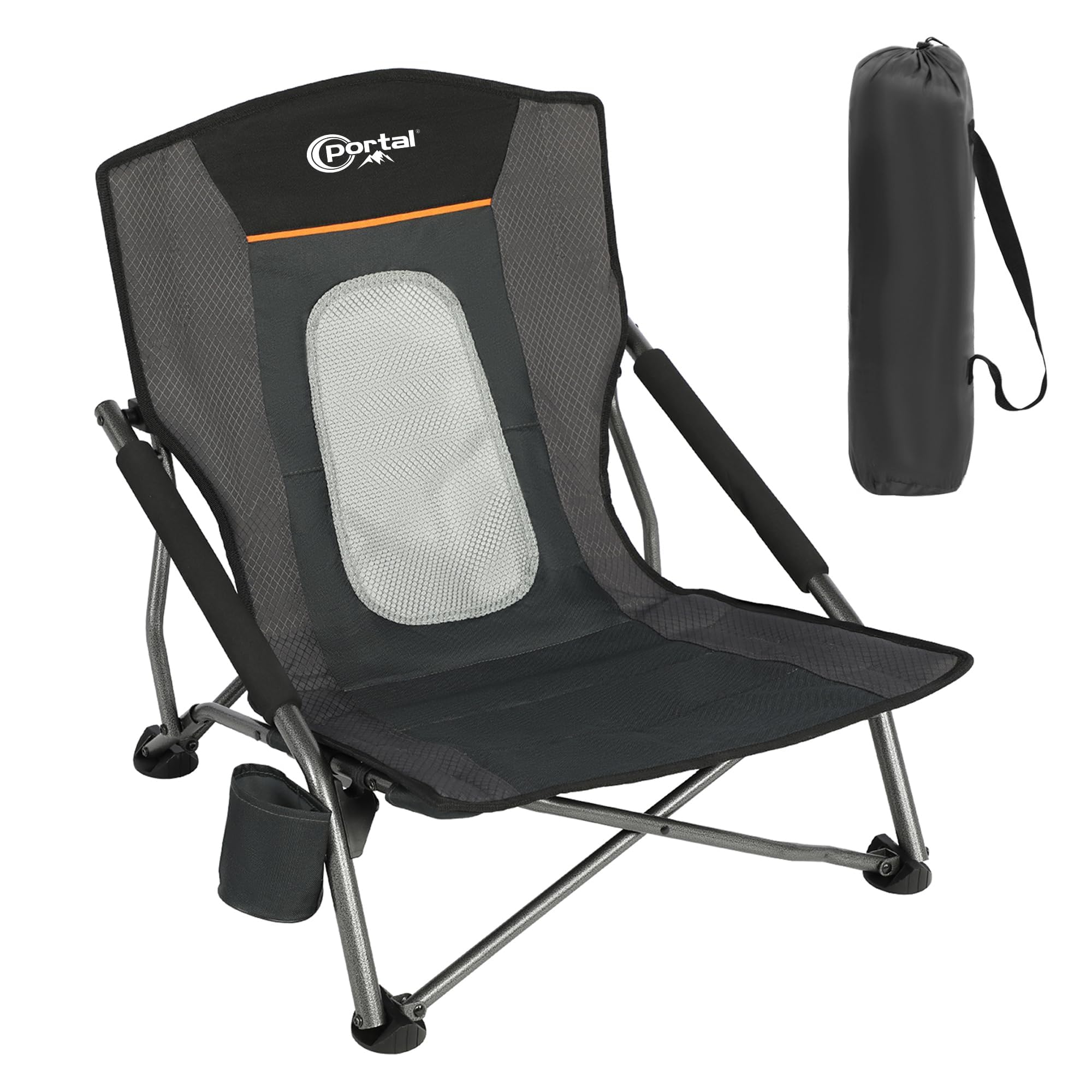


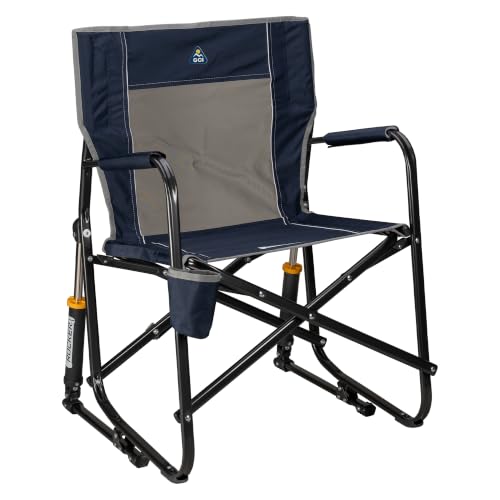
Types of Festival Chairs Compared
A festival chair is carried before it is sat in, sometimes for a mile or more between the gate and your spot. Carry weight and folded size therefore decide the class before cushion thickness ever gets a say. Weekend events covered in guides to best chairs for music festivals draw on the same classes below, and the right one depends on how far you walk and where you plan to sit.
| Type | Best For | Strengths | Limits | Typical Price |
|---|---|---|---|---|
| Low profile ground chair | Front areas with height rules | Sits close to the grass, light to carry, stable on slopes | Little back height, harder to stand up from | about $25 to $60 |
| Folding camp chair | All day general seating | Full back, armrests, cup holder, easy entry | Bulky folded shape, heaviest everyday carry | about $30 to $90 |
| Lightweight backpack chair | Long walks and transit days | Straps for the walk in, folds flat against the back | Narrow seat, lower weight capacity | about $40 to $120 |
| Rocking camp chair | Relaxed spots at the back | Smooth rocking motion, roomy seat | Heaviest class, needs level ground | about $60 to $150 |
Low Profile Chairs for Rule Bound Venues
Low profile chairs sit on short legs a few inches tall, with the seat close to the ground and a back that rises just enough to lean on. They exist because many venues cap chair height in front sections so the crowd behind can still see the stage. The trade is real: your knees stay bent, standing up takes effort, and there is no armrest to push against. For front lawns and sloped ground, though, nothing else is both allowed and stable.
Folding Camp Chairs for All Day Sitting
The folding camp chair is the default festival seat: a framed chair that collapses into a carry bag, with a full height back, padded armrests, and usually a cup holder. It is the easiest type to get in and out of and the kindest to your back across a long headline set. Its weakness is the walk, since the folded bundle is awkward and the class runs heavier than the other types once the bag is on your shoulder.
Lightweight Backpack Chairs for Long Walks In
Backpack chairs fold flat and carry on straps or a handle, trading seat width for a carry you barely notice. The seat sits higher than a ground chair but lower than a camp chair, a middle height that passes most venue checks. This class suits transit days, multi stage events, and anyone who moves spots between sets. If you settle in one place all day, the narrow seat starts to feel like the compromise it is.
Low Profile vs Folding Camp Chairs: Which Should You Choose?
These two classes cover most festival buyers, and they win in opposite places. On venue rules, the low profile chair wins wherever heights are capped, and the camp chair may not get through the gate at all. On comfort across a full day, the camp chair wins with its full back, armrests, and easy standing.
On the carry, the low profile chair wins again, since it weighs less and packs flatter against a bag. On soft or sloped ground, the ground chair stays planted while tall legs dig and tilt. Pick by where you will sit, not by which chair looks stronger at home.
How to Choose the Right Festival Chair
Once the type is settled, the checks below separate a good example of the class from a poor one.
Venue Rules Decide What You Can Bring
Venue rules decide the allowed class before your preferences do. Many events cap chair leg height, ban framed chairs in front sections, or allow only ground level seating near the stage. Read the allowed items page for your event before you buy, because a chair turned away at the gate is a chair you carried for nothing.
Legs and Feet for Uneven Ground
Uneven ground decides the leg class. Wide feet and disc feet spread your weight and resist sinking into soft turf, while narrow pole legs punch into wet grass and tilt the whole frame. On a slope, a low chair stays stable where a tall camp chair wants to tip, so match the leg design to the fields you actually attend.
Seat Size and Weight Capacity
Check seat width against your hips with a layer of clothing on, since a seat that fits in summer shorts can pinch over a jacket. Weight capacity is a working figure, not a challenge: choose a rating comfortably above your body weight so the frame stays quiet and flex free. Aluminum frames cut carry weight, while steel frames usually cost less and shrug off rough handling.
Fabric, Shade, and Small Comforts
Mesh panels dry far faster than solid fabric after a rain shower, which matters on the second day of a weekend event. A canopy top adds real shade on open fields but catches wind and can block views, so treat it as a fair weather extra. Cup holders, side pockets, and a strap on the carry bag sound minor and prove useful every single set.
Chairs From Desks and Dens Do Not Transfer
Lists of best officer chairs describe executive desk seating on casters, a class built for flat office floors and far too heavy and tall for a festival field. Guides to best office task chairs cover a plainer desk class with the same limits, since casters sink into grass and an upright frame blocks the view of everyone behind you. Roundups of best quality chairs rank indoor seating by build and finish, standards that say little about mud, rain, or a two mile carry. Bucket seats sold as best video game chairs belong to a gaming class with wide frames and reclining backs, and none of it folds into a carry bag.
How to Make Your Festival Chair Last Longer
Shake mud off the frame and let the fabric dry fully before the chair goes back into its bag, because a chair stored damp grows mildew and weakens its stitching. Rinse salt and spilled drinks off hinges and sliders so grit does not grind the joints. Store the chair indoors out of direct sun between events, since sunlight fades and brittles outdoor fabrics over a few seasons.
Festival Chair Questions Answered
How low does a festival chair need to sit?
Many venues that cap chair height set the limit at about 9 inches for the legs, with the seat resting a little higher. Measure the leg height rather than the seat height when you check a listing, because the rule usually names the frame, not the fabric. Events without a posted cap still expect low chairs near the front, so a ground chair is the safe default for front sections.
Can I bring a regular camp chair to a festival?
Often yes at the back of the field, and often no near the stage, because events zone their seating by height. Check the allowed items page for your specific event a week ahead, since rules change between tours and venues. If the page is silent, a folding camp chair of standard height is usually accepted in general areas, while front sections stay reserved for low seating.
How much does a festival chair usually weigh?
Ground chairs weigh about 2 to 4 pounds, backpack chairs about 4 to 7 pounds, and full folding camp chairs about 8 to 12 pounds. The right figure depends on your walk: a chair that feels light across a parking lot feels different after a mile of crowded paths. Weigh the bag as packed, with the chair inside, since straps and cases add more than listings suggest.
Is a canopy worth it on a festival chair?
A canopy pays off at all day events on open fields with no shade, where sun exposure is the main comfort problem. It costs you in wind, where the top acts like a sail, and some venues ban canopies because they block sight lines. If your events are evening shows or shaded grounds, skip the canopy and take the lighter carry instead.
How long should a festival chair last?
A decent festival chair should survive about three to five seasons of regular use. Fabric usually fails first, tearing at the seat corners where stress concentrates, followed by bent frame rivets. A chair used twice a year and stored dry can last far longer than one left in a car trunk between monthly events. Retire a chair when the frame flexes unevenly, since a collapse under a seated guest is the real cost.
Final Thoughts
Choose the type by venue rules and carry distance first, then check leg design against your ground and seat size against your body. The product table above lines the classes up with their prices for a quick comparison. Picked that way, the best chairs for festivals are simply the chairs still comfortable at the last set, and still easy to carry when it ends.


