
Best Chairs for Elderly with Back Pain for 2026: What Matters Most
Disclosure: We may earn a commission when you buy through links on this page, at no extra cost to you. As an Amazon Associate I earn from qualifying purchases. Learn more

Compare chairs for elderly users with back pain by seat height, firmness, lumbar support, and armrests, with sizing checks and honest comfort guidance.
For an older adult, a chair is more than furniture. It is where they read, watch television, eat, rest, and get up from many times a day, so seat height, firmness, and arm support shape both comfort and confidence. Shoppers comparing the best chairs for elderly with back pain often find that a chair built for easy rising matters as much as any cushion.
This guide uses a checklist written for older users: safe and steady support, lumbar contact that feels comfortable, controls within easy reach, and a frame that stays stable. The comparison table below sets the main chair types side by side, and the sections after it explain each point in plain terms.




Key Features to Compare
Begin with how the chair helps someone sit down and stand up, then look at back support and cushioning. A chair that scores well on comfort but traps the user in a deep seat fails the most important test.
What Seniors Should Look For
Seat height leads the list, because a seat around 18 to 20 inches high lets most older adults plant both feet and stand without rocking forward for momentum. Armrests should sit at a height where hands can push down with the elbows slightly bent, and they must feel solid, never wobbly. A firm seat edge also helps, since a front edge that collapses makes standing harder. Wide, stable bases matter more than sleek narrow legs.
What a Supportive Chair Can and Cannot Do
A well fitted chair can make sitting more comfortable and can reduce the fidgeting that comes from poor support, but no chair treats a medical condition or fixes the cause of back pain. Treat comfort claims with care, especially any promise of pain relief. If back pain is persistent or getting worse, or if it comes with numbness, weakness, or pain running down a leg, talk with a doctor rather than shopping for a stronger chair.
Ergonomics and Adjustability
Lumbar support should meet the natural curve of the lower back without shoving it forward, and a small separate cushion often adjusts better than a fixed bulge. Recline that locks at several angles lets the user shift posture through the day, which many people find more comfortable than one fixed position. The detailed criteria on our best ergonomic chairs for back pain page apply here too, though elderly buyers should favor simple levers they can grip over complex dials.
Comfort and Cushioning
High density foam over a supportive base beats deep, soft padding for older users, because very soft seats are hard to climb out of and let the hips sink below the knees. Seat depth deserves a check as well: the user should sit fully back with a small gap behind the knees. For readers whose discomfort centers lower down, our best chairs for lower back pain guide explains how lumbar shaping and seat depth work together.
Lift and Recline Help
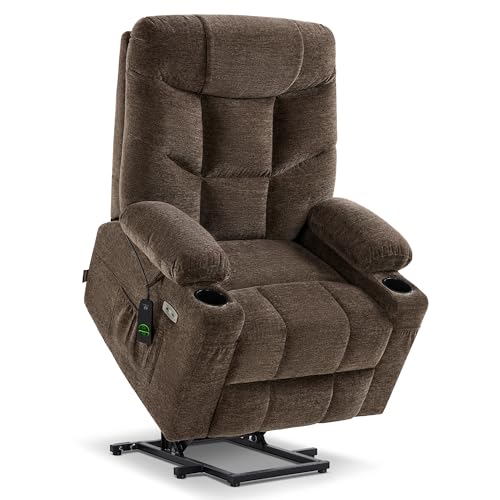
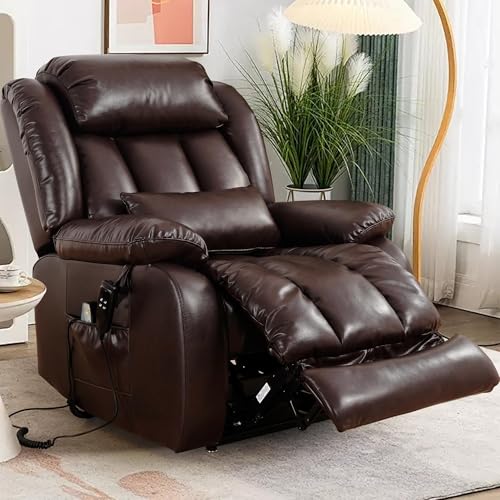
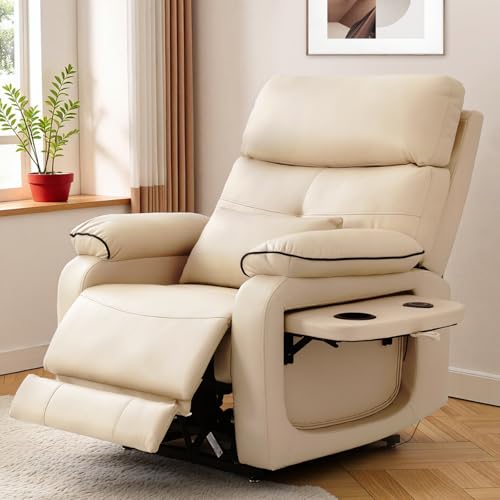
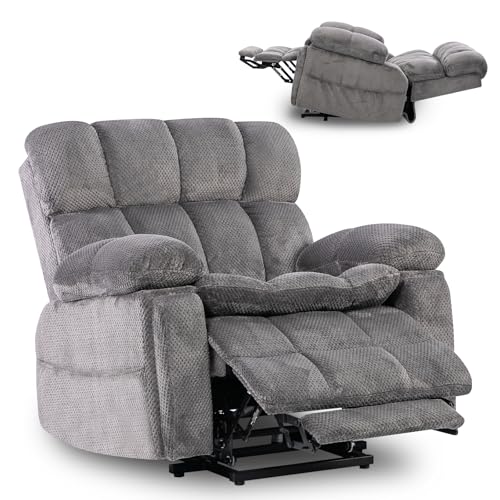
Lift chairs tilt and rise to meet the user partway, easing the hardest part of standing, and they suit anyone whose knees or hips make low seats a struggle. Standard recliners cost less and still let the legs rest raised, which many older adults enjoy in the evening. Our best recliner chairs for back pain roundup compares the two styles. Whatever style you pick, the control should be a simple handset or lever that arthritic hands can manage.
Assembly and Delivery
Many chairs for older buyers are heavy, often 80 pounds or more, so ask about delivery into the room rather than to the doorstep. Most models arrive in two pieces with the back sliding onto brackets, and assembly takes about 20 to 40 minutes for two people. Keep the packaging until the chair passes a full day of use, since returns are far easier with the original box, and confirm who removes a faulty unit if the user lives alone.
Build Quality and Frame
A hardwood or steel reinforced frame with a wide base resists the tipping forces that come from pushing down hard on the armrests. Check the stated weight capacity and follow the manufacturer guidance for the exact model, leaving a comfortable margin rather than sitting at the limit. Corner blocks, metal recline mechanisms, and four solid contact points with the floor all point to a chair built for daily standing and sitting cycles.
Materials and Upholstery
Breathable woven fabric stays comfortable through long sits and grips clothing slightly, which helps the user stay positioned. Smooth leather and faux leather wipe clean quickly after spills, a real plus when meals happen in the chair, though they can feel slippery during standing. Mesh backs suit warm rooms but pair poorly with thick cushions. Choose the surface the user can clean with the strength and reach they actually have.
Quick Buyer Checklist
Answer these questions for the actual person who will use the chair, not for an average buyer.
- Can the user sit with both feet flat on the floor and stand without help?
- Do the armrests feel solid enough to push down on with full weight?
- Does the lumbar support touch the lower back without forcing posture?
- Can the user reach and work every control with one hand?
- Does the stated weight capacity leave a comfortable safety margin?
- Will the chair fit through the doors and into its planned spot?
- Is delivery into the room available if the user lives alone?
Red Flags to Watch For
- Promises of pain relief or healing: honest makers talk about comfort and support, not medical outcomes.
- Very low, deep seats: a seat under about 17 inches high can strand a user with weak knees.
- No stated weight capacity: missing limits suggest the frame was never properly rated.
- Tiny or complex controls: small buttons and stiff dials frustrate arthritic hands within a week.
- A warranty of only a few months: short coverage on the frame or lift motor is a poor sign for a chair used all day.
Care and Maintenance Tips
Vacuum upholstery weekly and clean spills promptly with the method the maker recommends for that fabric. Check base bolts and recline hardware every few months, because daily standing pushes loosen fittings over time. Keep lift chair cords clear of the mechanism and away from walkways. If the chair starts to rock, creak, or lean, stop pushing on the armrests for support and have the frame inspected before someone gets hurt.
Frequently Asked Questions
What makes chairs for elderly buyers different from standard chairs?
Chairs for elderly buyers are designed around standing up as much as sitting down. They tend to sit higher, use firmer foam that does not swallow the user, and carry strong armrests placed for pushing. Controls are larger and simpler, and the base is wider for stability. A standard accent chair may look similar in a photo, yet its low, soft seat can make every stand a real effort.
Is an expensive chair for an elderly buyer worth the cost?
It is worth it when the money buys a lift mechanism, a rated frame, and foam that keeps its shape for years. Chairs around $600 and up often add quieter motors and better warranty coverage on moving parts. For a user who sits one hour a day, a simpler chair at about $250 to $450 may serve just as well. Spend first on correct seat height and solid armrests.
What features matter most in a chair for long hours of sitting?
Firm, even support matters most, because pressure builds in the same spots during long sits. A seat that spreads weight, lumbar contact that stays in place when reclining, and the freedom to change angle every so often all help comfort. Breathable upholstery prevents the warm, restless feeling that makes people slouch. Remind the user to stand and walk briefly each hour, since no chair replaces movement.
How do I choose the right chair size for an elderly user?
Measure the user while they wear their usual indoor shoes. The seat height should match the length from floor to the back of the knee, so feet rest flat without dangling. Seat width needs a little spare room at the hips, and depth should leave a small gap behind the knees when sitting fully back. If the user is between sizes, choose the chair that makes standing easiest.
How long should a good chair for daily use last?
A quality chair used daily should last about seven to ten years, with foam and upholstery showing wear before the frame does. Lift motors and recline cables are common midlife repairs, so makers that sell replacement parts extend the chair's life a lot. Rotating cushions where the design allows it evens out compression. A chair that develops a lean or a cracked armrest should be repaired or replaced promptly for safety.
Final Thoughts
Put standing first, back support second, and style third, and most buying mistakes disappear. The product table above gathers the current options so you can compare seat heights, capacities, and prices at a glance. When a chair fits the user and the room, the best chairs for elderly with back pain pick is simply the one that keeps its user comfortable, steady, and independent through the day.


