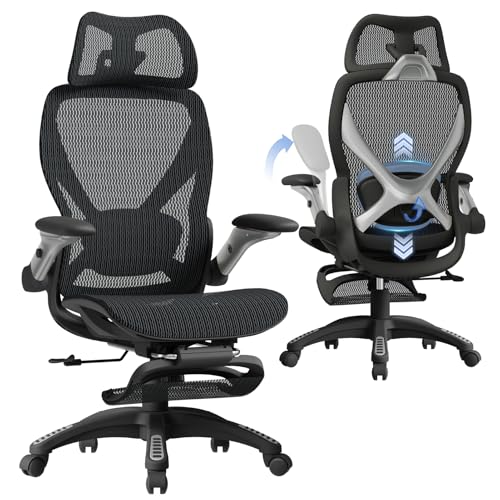
Best Chairs for Bad Backs of 2026: Complete Buying Guide
Disclosure: We may earn a commission when you buy through links on this page, at no extra cost to you. As an Amazon Associate I earn from qualifying purchases. Learn more
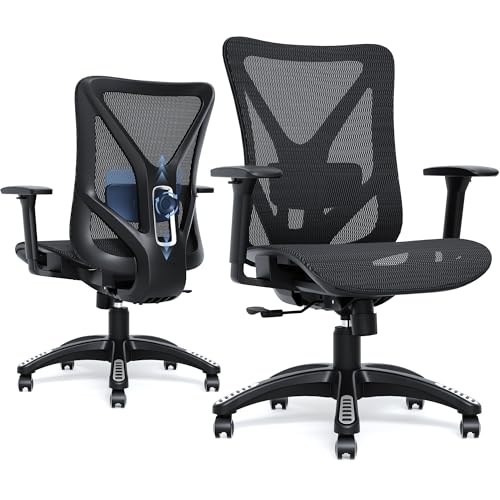
Chair types, lumbar support, seat height and spending levels for the best chairs for bad backs, with care tips and sizing answers.
If sitting leaves your back stiff or sore, the right chair can make long days far more comfortable, but the wrong chair can make them worse. Best chairs for bad backs are not one single design, because people differ in height, posture habits, and how many hours they sit. This guide compares the features that matter, the chair types on offer, and the spending levels to consider, so you can choose with confidence. The comparison table below gives you a quick side by side view while you read.
A chair supports your back only when it fits your body and your routine. Seat height, back shape, lumbar support, armrest position, and tilt all work together, and a chair that ignores one of them will feel wrong after an hour. The sections below explain each feature in plain terms, then match chair types to common situations such as working from home, relaxing in the evening, or sitting outdoors. A chair is a comfort aid, not a treatment, so talk with a doctor if pain persists, worsens, or comes with numbness or weakness.

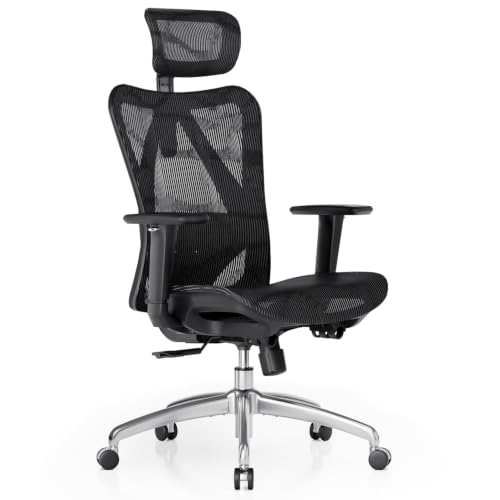
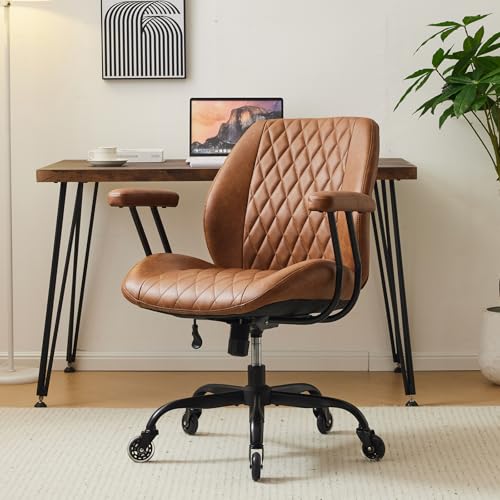


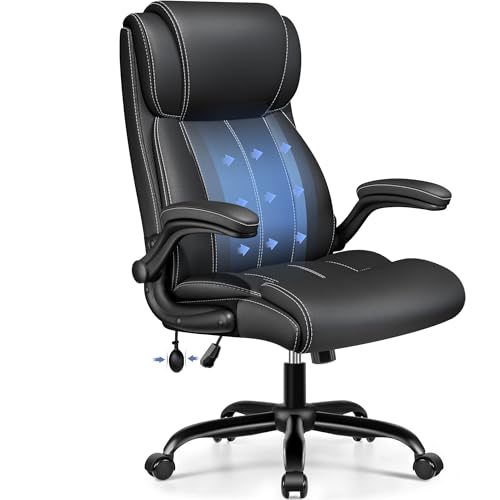
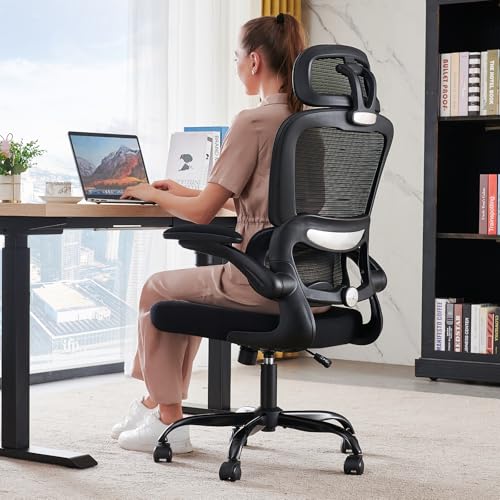
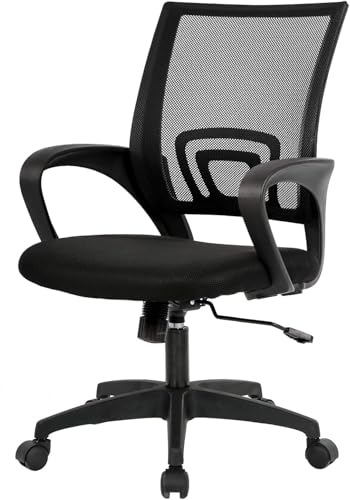
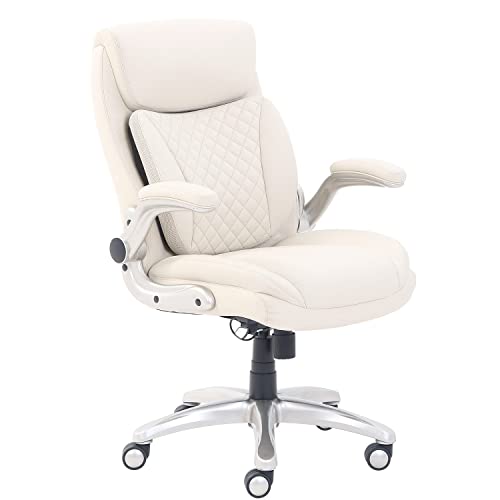
Spending Levels at a Glance
Price alone does not decide comfort, but spending levels tend to differ in adjustability, materials, and build quality. A lower priced chair often covers the basics, while a higher priced chair often adds finer adjustments and sturdier parts. Use the levels below as a way to sort options, then check the features that matter for your back and your sitting time.
A Sensible Starting Point
A sensible starting point suits shorter sitting sessions and tighter budgets, with a fixed or lightly adjustable back and a simple seat height control. Look for a seat that feels firm rather than saggy, a back that supports the lower back curve, and armrests that do not push your shoulders up. This level works well as a spare chair, a short term work chair, or a first step while you learn which features you value. Keep expectations realistic, because fine tilt control and deep lumbar adjustment are less common here.
A Comfort Focused Middle Range
A comfort focused middle range usually adds adjustable lumbar support, a tilt lock, and armrests that move in more than one direction. These adjustments let you tune the chair to your height and desk, which matters most if you sit for several hours a day. Materials also tend to feel sturdier, with denser foam and a stronger frame.
This level suits most home workers and readers who want daily comfort without paying for premium finishes. It is often the sweet spot for people who sit for long stretches but do not need executive styling.
A Premium Level Choice
A premium level choice usually offers the widest adjustment range, high quality upholstery, and a frame built for daily heavy use. Expect a back that moves with you, a seat that keeps its shape over time, and controls that feel smooth and precise. This level suits people who sit all day, share a chair with another person, or want a chair that still feels new after years of use. Higher cost does not guarantee a better fit, so check seat depth, back height, and lumbar position against your own measurements before you commit.
How to Choose: Buying Guide
Choosing well starts with your body, your desk, and your sitting time, not with a feature list alone. Measure your desk height, your leg length, and the space around your chair before you shop, because those numbers decide which adjustments you need. The factors below explain what each feature does and who benefits most from it, so you can weigh trade offs with clear eyes.
Features That Matter for Sore Backs
A sore back needs a chair that supports the natural curve of the lower back without forcing you into one rigid pose. Lumbar support should meet the small of your back, not press hard into it, and it should stay in place as you lean back or sit forward. A seat that is too deep pushes you away from the backrest, while a seat that is too shallow leaves your thighs unsupported.
Firm foam that holds its shape usually feels better over a long day than soft foam that sinks. If pain persists, worsens, or brings numbness or weakness, talk with a doctor rather than relying on a chair alone.
Ergonomics and Adjustability
Seat height should let your feet rest flat on the floor with your knees near a right angle, which takes pressure off your lower back and legs. Adjustable armrests should support your forearms without lifting your shoulders, and a tilt lock lets you set a recline angle that feels restful. Lumbar height and depth controls matter because backs differ in shape, and a fixed lumbar pad may sit too high or too low for you. A chair with a few well placed adjustments often beats a chair with many controls you never use, so check the ones you will actually change.
Style and Room Fit
Style matters because a chair you dislike looking at is a chair you will avoid using, and room fit decides whether it works in practice. Measure doorways, desk clearance, and turning space, especially for wide recliners or high backed executive chairs. A compact chair suits a small flat or a shared room, while a larger chair suits a dedicated office or reading corner.
Color and finish should suit the room, but comfort should win when a stylish chair lacks lumbar support or seat adjustment. For a work focused room, see our guide to the best office chairs for bad backs for desk friendly options.
Build Quality and Frame
A strong frame keeps the chair steady, quiet, and safe over years of daily use. Steel frames and a quality gas lift tend to feel solid, while a weak base can wobble or sink over time. Check the weight capacity against your own weight plus any extra load, and look for smooth casters that roll without catching.
Joints should feel tight, with no creaking when you lean back or shift position. A well built chair also holds its adjustments, so you do not need to reset seat height or tilt every morning.
Size, Dimensions, and Weight Capacity
Seat width, seat depth, and back height decide fit more than any single marketing claim. Sit with your back against the backrest and check that you can fit two or three fingers between the seat edge and the back of your knees. Back height should support your shoulders without pushing your head forward, and a headrest helps only if it meets the back of your head naturally.
Weight capacity is a safety and durability figure, not a comfort claim, so choose a chair rated comfortably above your weight. Measure your space first, because a chair that cannot turn or recline freely will go unused.
Materials and Upholstery
Mesh backs breathe well and suit warm rooms, because air moves through the fabric and sweat builds up less. Fabric upholstery feels warm and soft, and it suits reading chairs and living rooms. Leather and faux leather wipe clean easily and look smart, but they can feel warm in summer and slippery if the seat lacks grip.
High density foam holds its shape longer than low density foam, which matters for daily sitting. Wood frames suit relaxed lounge chairs, while metal frames suit work chairs that need frequent adjustment. For relaxed seating, see our guide to the best recliner chairs for bad backs for recline friendly designs.
Types of Chairs
Chair types differ in posture, movement, and the kind of sitting they suit best. An ergonomic work chair supports upright sitting, a recliner supports relaxed sitting, and a compact chair trades some support for portability. The short profiles below help you narrow the field before you compare individual features.
Ergonomic Models
Ergonomic models focus on adjustment, with lumbar support, seat height, tilt, and armrests you can tune to your body. They suit desk work, study, and any task that keeps you seated for hours. Their strength is fit, while their weakness can be a plain look that suits an office more than a living room. Choose one when daily sitting time is long and you want control over posture.
Compact and Space Saving Models
Compact models suit small rooms, shared spaces, and occasional use, because they fold, stack, or tuck away easily. They often offer fewer adjustments, so they suit shorter sessions better than all day work. Their strength is convenience, while their weakness is limited lumbar tuning. Choose one when space is tight and you sit for an hour or two at a time.
Budget Models
Budget models cover the basics at a lower cost, with a simple back, a basic seat, and limited adjustment. They suit spare rooms, short term use, and buyers who are still learning which features they need. Their strength is price, while their weakness is less durable foam and fewer fine controls. Choose one when sitting time is short and you plan to upgrade later if needed.
Premium and Executive Models
Premium and executive models combine wide adjustment with richer materials and a more polished look. They suit dedicated offices, long workdays, and buyers who want a chair that lasts for years. Their strength is build quality and comfort over time, while their weakness is size and cost.
Choose one when you sit all day and want the fullest range of adjustments. For desk use, see our guide to the best desk chairs for bad backs for work ready options.
Choosing Chairs for Your Situation
Different situations ask for different chair shapes, even when the back support goal stays the same. A folding chair must pack away, a garden chair must resist weather, and a travel chair must stay light. The sections below focus on the traits that set each situation apart, so you can judge options by what matters in that setting.
Best Folding Chairs for Bad Backs
Folding chairs suit occasional seating, guests, and rooms where chairs must store flat against a wall. Look for a back that rises high enough to support the lower back, a seat that does not sag in the middle, and a frame that locks firmly when open. Padded seats and a slight lumbar curve help a lot, because thin folding seats often feel hard after an hour. Check folded size and weight too, since a chair that is hard to carry will stay in storage.
Best Rocking Chairs for Bad Backs
Rocking chairs suit relaxed reading, nursing, and evening wind down, because gentle motion can feel soothing after a long day. Look for a back that supports the full spine, armrests at a height that lets shoulders relax, and a rock that moves smoothly without tipping. A firm cushion with lumbar shaping beats a deep soft cushion that lets you slump. Check the rock on your own floor, because a chair that rocks well on carpet may feel different on a hard floor.
Best Garden Chairs for Bad Backs
Garden chairs must handle sun, rain, and uneven ground while still supporting the back. Look for weather resistant materials, a back with a gentle lumbar curve, and feet that sit steady on grass or patio slabs. A chair with armrests helps you stand up more easily, which matters after long sitting outdoors.
Cushions should dry quickly and attach firmly, so wind does not move them. Store garden chairs under cover in winter to protect joints and fabric.
Best Travel Chairs for Bad Back
Travel chairs suit camping, events, and days out, where weight and packed size matter as much as comfort. Look for a light frame, a carry bag, and a back tall enough to support the lower back without adding bulk. A seat that sits at a sensible height helps you stand up easily, while a very low seat can strain knees and back. Check setup time too, because a chair that takes minutes to unfold will frustrate you at a busy event.
Best Easy Chairs for Bad Backs
Easy chairs suit living rooms and reading corners, where relaxed sitting matters more than upright desk posture. Look for a seat height that lets you stand up without effort, a back that supports the shoulders, and armrests that help you rise. Firm cushions hold posture better than deep soft cushions that swallow you. A footrest or ottoman can ease leg pressure, but it should not push your knees above your hips for long periods.
Best Chairs for Bad Backs for Work
Work chairs must support upright sitting for hours, with adjustments you can set once and trust all day. Look for lumbar height and depth control, a seat that slides to match leg length, and armrests that align with desk height. A breathable back helps in warm offices, while a tilt lock lets you change posture through the day.
Pair the chair with a desk at the right height, because even a good chair feels wrong at a desk that is too high or too low. For outdoor rest breaks, see our guide to the best beach chairs for bad backs for portable relaxed seating.
Best Executive Chairs for Bad Backs
Executive chairs suit formal offices and long meetings, with a high back, rich upholstery, and a solid frame. Look for the same core adjustments as any good work chair, including lumbar support, tilt, and armrest control, rather than judging by looks alone. A high back should support the shoulders without forcing the head forward, and the seat should stay firm over time. Size matters here, because executive chairs often need more floor space to recline and turn freely.
Care and Maintenance Tips
- Adjust seat height so feet rest flat: a correct height reduces strain on the lower back and legs, and it should be checked after moving the chair.
- Tighten bolts every few months: loose joints cause wobble and uneven support, so check frame bolts and caster fittings on a regular schedule.
- Vacuum or wipe upholstery regularly: dust and crumbs wear fabric and mesh faster, and a quick clean keeps the seat fresh and firm.
- Keep leather out of direct sunlight: strong sun dries and cracks leather, so place leather chairs away from south facing windows or use a cover.
- Check gas lift and casters yearly: a sinking seat or a sticking caster changes posture silently, so replace worn parts promptly.
- Rotate cushions when possible: even wear keeps foam shape longer, and it prevents one side from flattening before the other.
Frequently Asked Questions
What features matter most in chairs for sore backs?
Lumbar support, seat height, seat depth, and tilt control matter most, because they decide whether the chair fits your body. Lumbar support should meet the natural curve of the lower back, seat height should let feet rest flat, and seat depth should leave a small gap behind the knees. Tilt control lets you change posture through the day, which helps during long sessions. A chair that offers these four adjustments in a usable range will usually feel better than a chair with a long feature list you never adjust.
What features matter most for long hours of sitting?
For long hours, adjustable lumbar support, breathable upholstery, and a tilt lock matter most, because they support posture changes and comfort over time. A seat that keeps its shape prevents sinking, while armrests that align with desk height reduce shoulder tension. Take short standing breaks through the day, since no chair replaces movement. If you sit for most of the day, a chair with a wider adjustment range is usually worth the extra cost, because small fit errors grow larger with time.
Is an expensive chair worth it for a sore back?
An expensive chair is worth it when the extra cost buys adjustments and build quality you will actually use every day. Premium chairs often offer finer lumbar control, denser foam, and frames that hold adjustments for years. A lower priced chair can still work well for short sessions or occasional use.
Judge value by fit and sitting time, not by price alone, and check return terms so you can check the chair at your own desk. Comfort is personal, so a costly chair that fits poorly is worse than a modest chair that fits well.
How long should a good chair last?
A good chair should last several years of daily use, with foam, fabric, and moving parts wearing gradually rather than failing suddenly. Work chairs used all day often show wear sooner than occasional lounge chairs, because adjustments and casters see more use. Regular tightening, cleaning, and cushion care extend life noticeably.
Replace a chair when foam stays flattened, lumbar support no longer holds position, or the gas lift sinks on its own. A chair that no longer holds its settings cannot support your back reliably.
How do I choose the right chair size?
Choose size by sitting in the chair with your back against the backrest and feet flat on the floor. Check that seat depth leaves a small gap behind your knees, seat width gives room without forcing you to perch, and back height supports your shoulders. Taller users need a higher back and deeper seat, while shorter users need a lower seat height and shallower depth.
For shared chairs, adjustable seat depth and lumbar height matter more than a single fixed size. For relaxed lounge seating, see our guide to the best lounge chairs for bad backs for room friendly options.
The Bottom Line on Chairs for Bad Backs
Focus first on lumbar support, seat height, seat depth, and tilt, then match chair type to where and how long you sit. A chair that fits your body and your routine will serve you far better than a chair chosen on looks or price alone. Check the product table above once more, compare the options against your own measurements, and choose the chair that feels supportive after an hour, not just after a minute. For lasting daily comfort, best chairs for bad backs should support good posture without promising to treat pain, and a doctor should be consulted if pain persists or worsens.