Best Chairs for Bad Backs and Hips in 2026: Matching the Right Model to Your Routine
Disclosure: We may earn a commission when you buy through links on this page, at no extra cost to you. As an Amazon Associate I earn from qualifying purchases. Learn more
Not all chairs fit every routine. Compare best chairs for bad backs and hips by how you use them, what features to prioritize, and what you can safely skip.
Sore backs and stiff hips rarely need the same chair in every room. A chair that helps you through a workday can feel wrong at the dining table, where you stand up far more often. The best chairs for bad backs and hips match your routine first, then your body, and you can judge both against the comparison table below.
Start with two questions. How long do you sit in one stretch, and how hard is it to sit down and stand up? Long desk sessions call for deeper adjustability, meals call for a height that keeps feet flat, and relaxing calls for support that stops slumping.



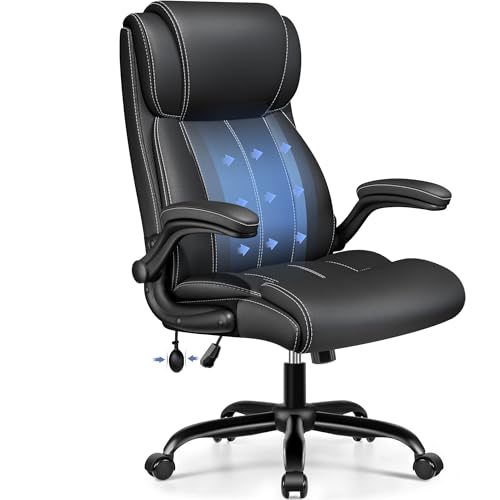
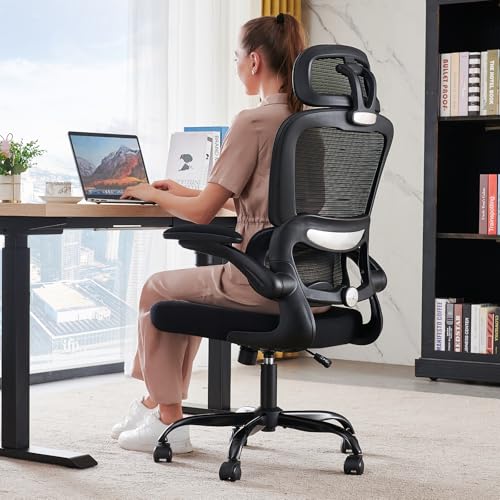
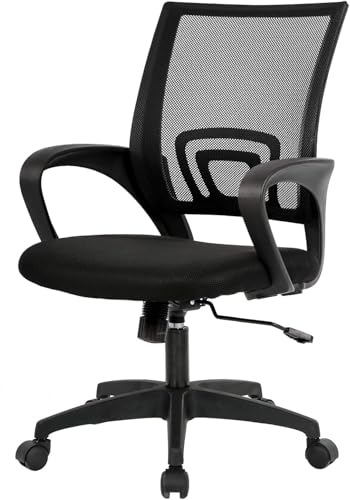
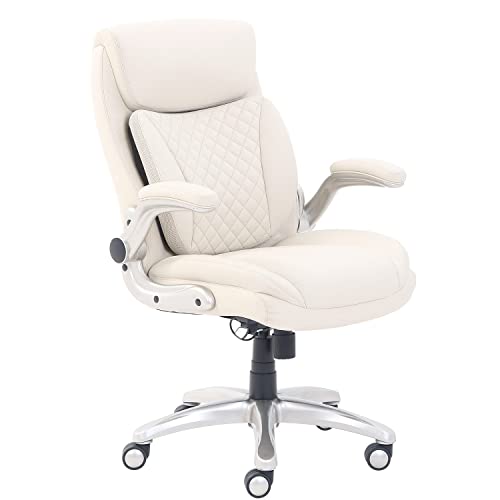
Who Should Buy Which Chairs for Bad Backs and Hips?
Your routine decides which support matters most, because hips that hurt mainly when you lower yourself into a seat need a different chair from a back that aches after eight desk hours. If your pain centers on your back alone, see our guide to the best chairs for bad backs for a narrower shortlist.
Desk Workers Who Sit for Long Stretches
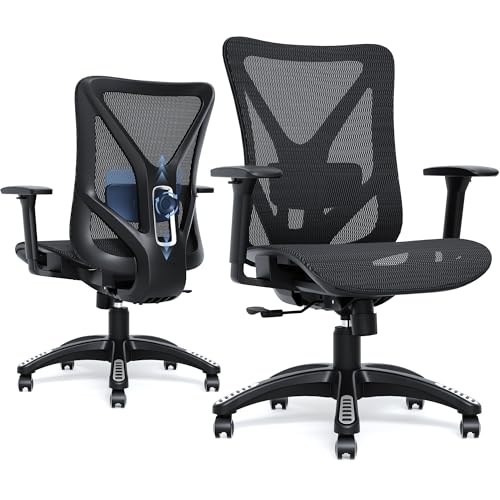
You sit in long stretches, often typing, so small fit errors repeat for hours. Prioritize a seat you can raise and lower, support that meets your lower back, and armrests that hold your elbows without lifting your shoulders. For a workstation only shortlist, see our guide to the best desk chairs for bad backs after you measure your desk height.
People Who Find Sitting Down and Standing Up Hard
Your hardest moment may be the first and last ten seconds in the chair. Choose a seat height near or slightly above knee height, firm arms you can grip, and a cushion that does not sink so far that your hips drop below your knees. A chair that rolls too freely on hard floors can feel unsafe while you settle.
People Who Move Between Desk, Table and Lounge
You may answer messages, eat and read in the same chair, so versatility beats deep specialization. Look for a medium seat depth, a back that supports an upright posture without forcing it, and a weight you can move between rooms. Casters suit hard floors, while glides suit carpet. Avoid a very deep lounge shape, since it can leave shorter legs dangling during meals.
Picking the Right Chair for Different Daily Uses
Use matters because posture changes with the task. Typing keeps your feet planted and your arms forward, meals are upright and brief, and reading invites a lean that can turn into a slump.
Best Office Chairs for Bad Back and Hips: What to Prioritize
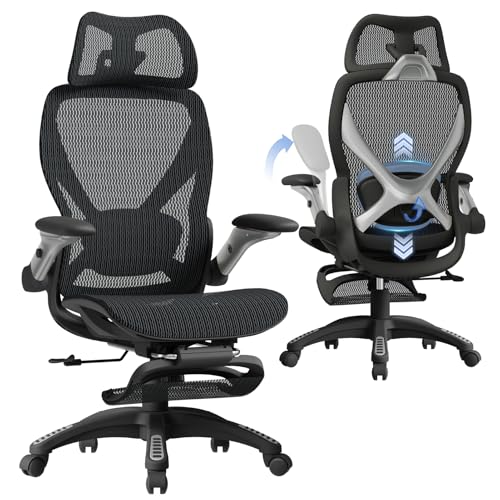
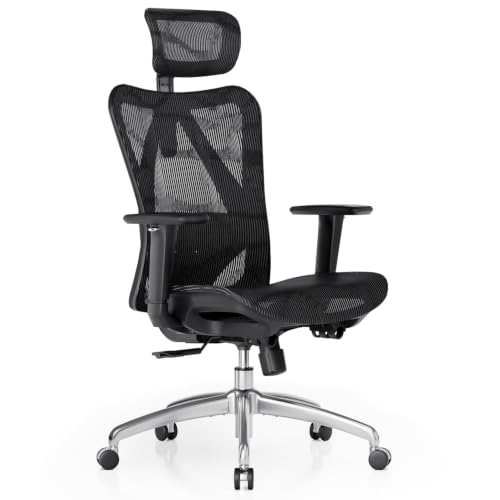
Office sitting is the strictest check here. That is why the best chairs for bad backs and hips for desk work usually offer a taller back, finer height steps and a tilt lock that holds a slight recline without drifting. Leave room to pull close to your desk without perching on the front edge. If your search is office only, see our guide to the best office chairs for bad backs for chairs chosen around workstations.
Chairs for Meals and Relaxing in the Evening
Shorter sits reward different strengths. A dining style chair needs an upright back, a seat that lets your feet rest flat, and arms low enough to slide under the table. For reading or television, a gentle recline can open the angle at your hips. If you relax for hours, see our guide to the best recliner chairs for bad backs for shapes built around that use.
Key Features to Compare
Compare features in the order your body feels them: seat first, then back support, then arms and tilt.
Seat Depth, Width and the Front Edge
Seat depth decides where pressure lands. When you sit with your back against the backrest, leave about two to three inches between the seat edge and the back of your knees, so your hips can settle fully while circulation stays free. A seat about 19 to 22 inches wide suits most adults. Choose a front edge that curves down, often called a waterfall edge, because a sharp edge can press into your thighs and push you forward.
Lumbar Support That Meets Your Lower Back
Good lumbar support fills the natural curve above your belt line instead of pushing at your ribs or tailbone. Adjustable depth matters as much as height, since a pad placed too far forward can force an arch you cannot hold. If pain shoots down a leg, or you notice numbness, tingling, new weakness, or changes in bladder or bowel control, seek medical care promptly rather than shopping for a fix. Talk with your clinician about personal needs, and treat chair fit as comfort support only.
Cushion Firmness and Foam That Holds Its Shape
A cushion should feel firm at first and soften only slightly as it warms. High density foam holds its shape longer than thin padding over a flat board, so your hips stay level instead of tipping toward the weaker side. Budget models often use thinner foam that feels plush in a store yet compresses within months. Stand once during a trial sit, because a cushion that springs back slowly can make rising harder.
Seat Height, Armrests and Tilt for an Open Hip Angle
Set seat height so your feet rest flat and your knees sit level with or slightly below your hips, which opens the hip angle and eases the pull on your lower back. Adjustable armrests should meet your elbows with your shoulders relaxed, and move inward if they push your arms wide. A tilt range with a tilt lock lets you rest at a slight recline, then return upright for typing without holding tension in your legs.
Materials, Upholstery and Backrest Shape
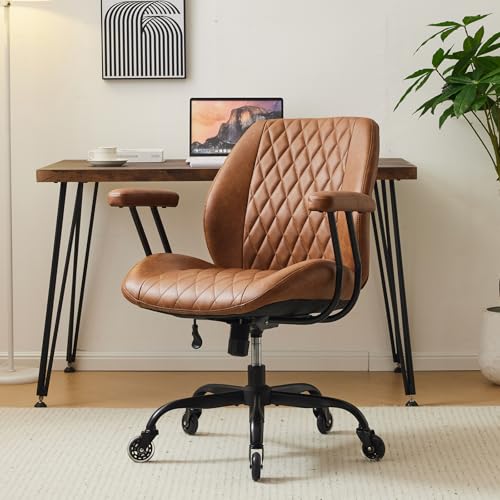
A mesh back breathes well and flexes with your spine, which suits warm rooms and long sits, while padded fabric or faux leather feels warmer and can support a taller back more evenly. A backrest should reach at least your shoulder blades for desk work, while short backs suit dining chairs.
Frame Strength, Weight Capacity and Assembly
Check weight capacity before style, and leave a margin above your body weight if you push hard on the arms to stand. Many home and office chairs rate about 250 to 350 pounds. A five point base feels steadier than a four leg base when you lean to one side. Most chairs assemble in about 20 to 40 minutes with a hex key.
Common Mistakes to Avoid
Most returns trace back to a short check in a store, or to no check at all.
- Buying by price alone leaves you with thin foam and few adjustments, so the chair feels worse as the first month passes.
- Choosing a seat that is too deep keeps your back away from the support, and your hips slide forward into a slump.
- Ignoring desk height and table clearance means armrests collide with the top, so you sit too far from your work.
- Skipping the weight capacity check risks a flexing frame and a base that feels unsteady each time you shift.
- Ordering a fixed upright chair for long reading sessions holds your hips at one tight angle until stiffness builds.
Setup and Care Tips
On day one, set the height with your usual shoes on, then sit back fully and place the lumbar support at your belt line. Spend a full work block in the chair before you judge it, and note where pressure builds after an hour. Small changes, one at a time, show you which adjustment actually helped.
Tighten base and arm bolts every few months, since slow loosening starts as a faint creak long before a wobble appears. Vacuum fabric weekly, wipe faux leather with a damp cloth, and rinse mesh with mild soap if dust builds in the weave.
FAQ
What features matter most in chairs for people with bad backs and hips?
Seat fit and lumbar support matter most in chairs for people with bad backs and hips. Start with a depth that lets you use the backrest fully, then check that the cushion keeps your hips level after twenty minutes. A useful extra check is to type, eat or read in the chair, since each task reveals a different pressure point.
How do I choose the right chair size for my hips and legs?
Choose chair size from your own measurements, not from a size label. Measure from the back of your knee to your back while seated, then pick a seat a little shorter than that length. Wear the shoes you use most, because a thick sole can change the height you need.
Is an expensive chair for bad backs and hips worth the extra cost?
An expensive chair is worth it only when the money buys adjustments and parts you will actually use. Premium models often add finer lumbar depth control, longer warranties and replaceable pads, while budget models may suit short daily sits well. If a costly chair lacks your seat depth, a cheaper chair that fits can serve you better.
How long should a good chair for bad backs and hips last with daily use?
A good chair used daily should last about five to eight years before support fades. Foam usually tires first, showing as a seat that feels level in the morning and thin by evening. Replacing a worn cushion pad, if the maker offers one, can extend useful life.
What chair features matter most for sitting long hours with a bad back and hips?
For long hours, the ability to change position matters most. A back that reclines a few degrees and arms that drop out of the way reduce the time you spend frozen in one posture. Pair the chair with a short stand and walk break each hour, which no cushion can replace.
Final Thoughts
Match the chair to your longest routine first, then confirm seat depth, lumbar fit and height in that order. People who stand with difficulty should weigh firm arms and a stable base more heavily, while desk workers gain most from fine adjustments. Use the product table above to compare those points side by side. When you compare best chairs for bad backs and hips this way, comfort comes from fit you can verify.