The Best Back Cushions for 2026: A Buying Guide for Chairs, Cars and Sofas
Disclosure: We may earn a commission when you buy through links on this page, at no extra cost to you. As an Amazon Associate I earn from qualifying purchases. Learn more
Compare the best back cushions by fill, firmness, size and cooling, with a simple checklist to match support to your chair, car seat or sofa.
A flat chair back rarely matches the curve of your spine, so your lower back works harder than it should and aches by midday. The best back cushions fill that gap, spread pressure across a wider area, and help you sit taller without forcing a rigid posture. This guide explains fill, firmness, shape and size so you can match a cushion to your chair.
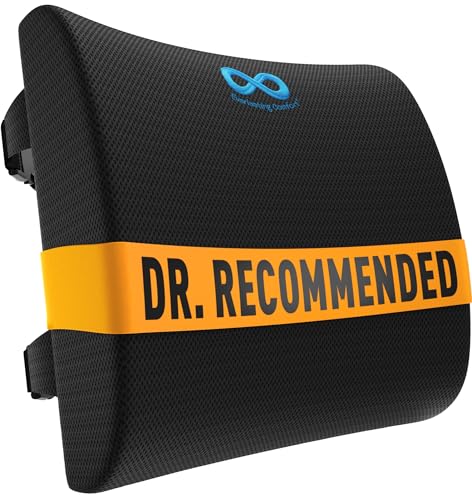
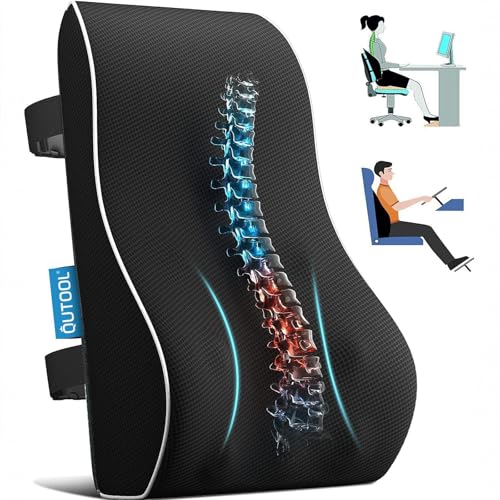
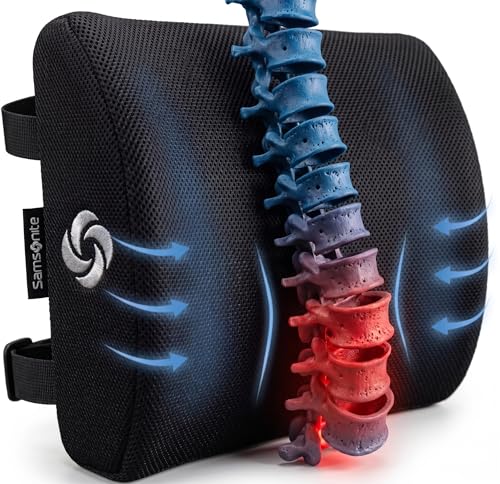
Start with where you sit most, then check dimensions and how a cushion stays in place. A model for a deep sofa may crowd a compact car seat. Use the comparison table below to narrow your short list, then work through the fit checks that follow.
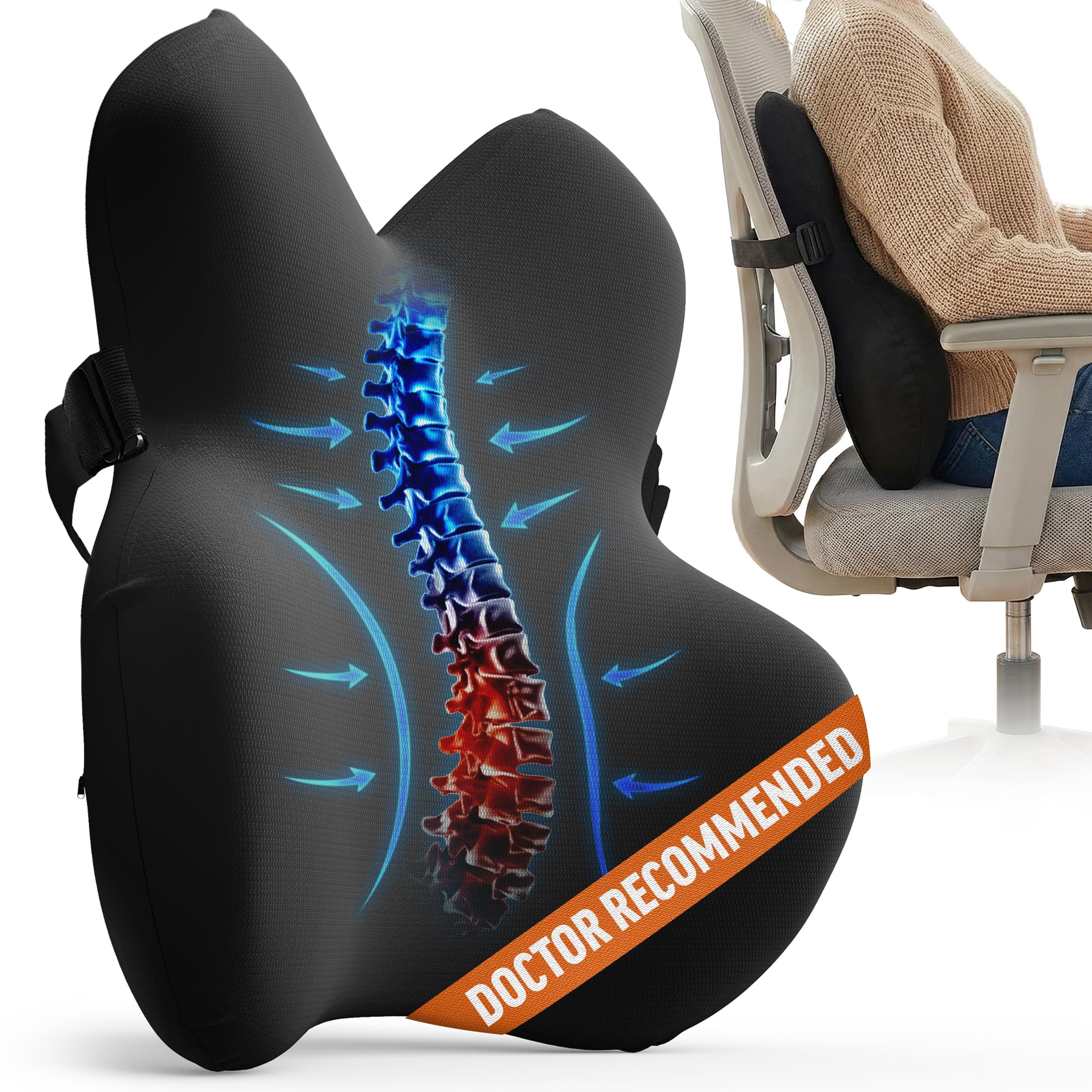


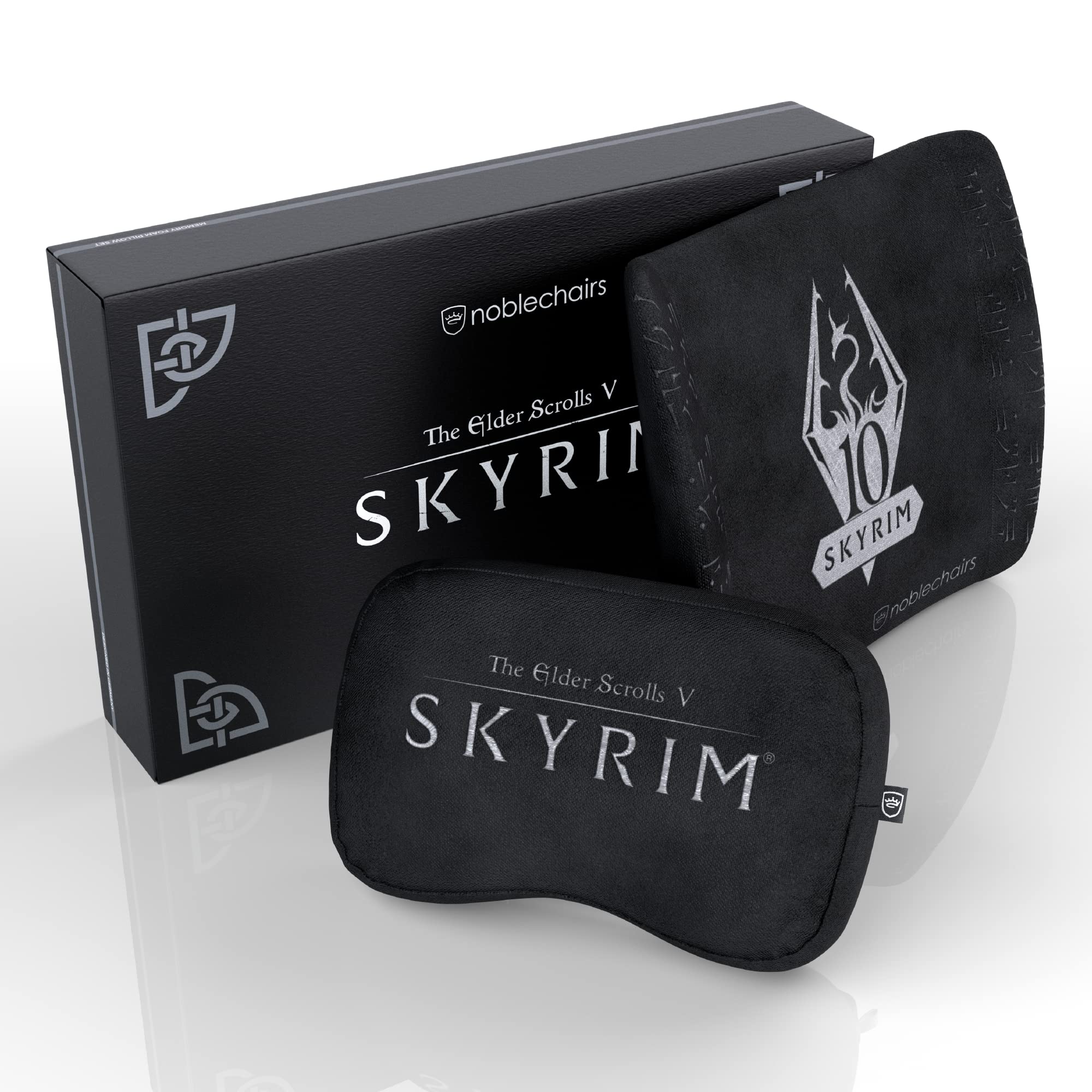
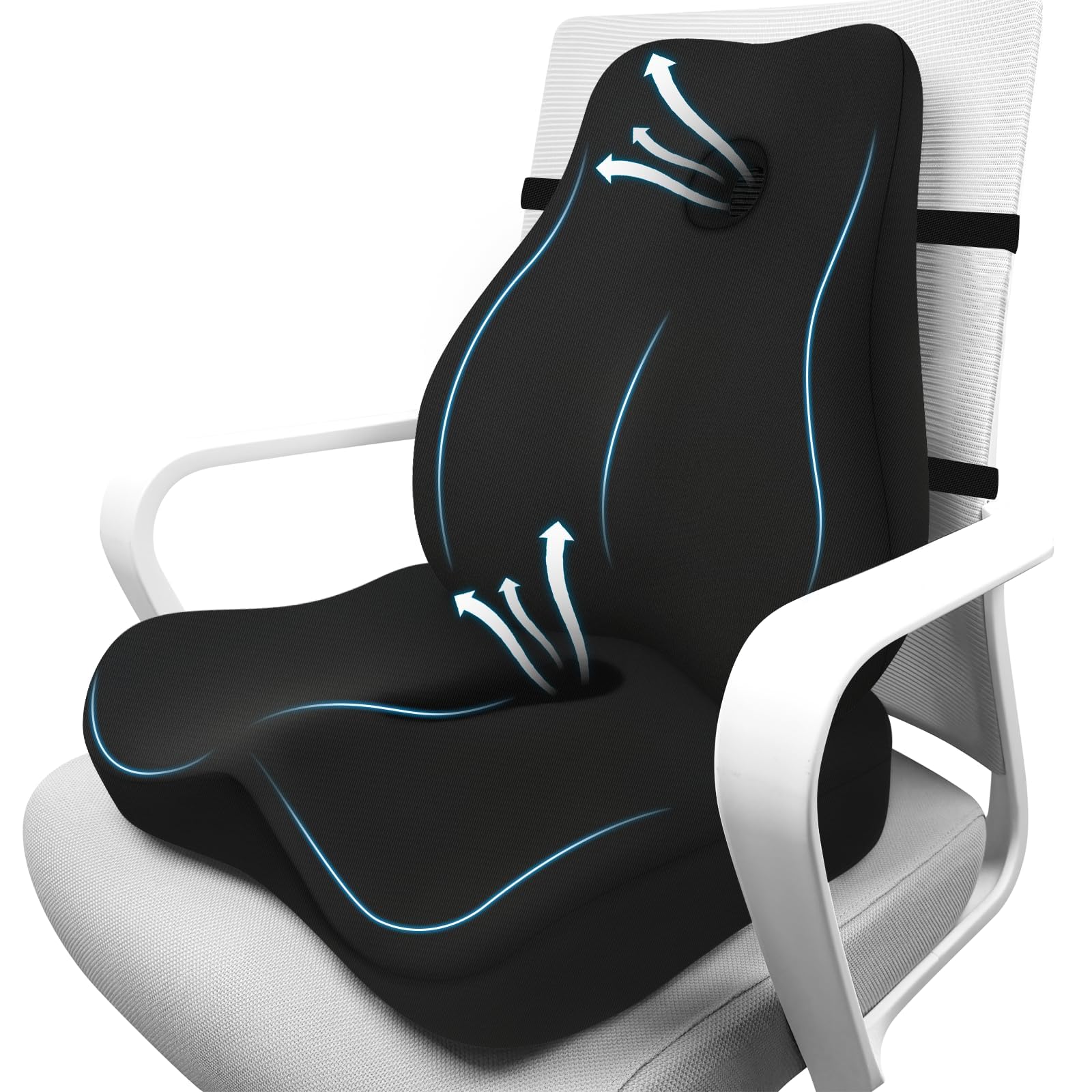
Who Should Buy a Back Cushion, and Which Kind
Most buyers fall into one of three groups, each needing a different shape of support.
Desk Workers Who Sit for Long Stretches
You need steady lumbar support that holds its shape through a workday, not padding that flattens within an hour. Look for a contoured memory foam cushion about 3 to 4 inches thick at its deepest point, with straps that keep it at belt height and a breathable cover, since it sits against your back all day.
Drivers and Frequent Travelers
Car and plane seats leave little spare room, so you need a slimmer cushion that will not push you forward. Choose a compact design about 2 to 3 inches thick, with one adjustable strap. Light weight helps if you carry it between car, office and home.
Sofa and Recliner Users Who Want Softer Support
A deep sofa calls for a larger, plusher cushion that fills the gap behind your spine while you lean back. Fiber filled and shredded foam suit this relaxed posture better than a firm roll. For lounge setups, see our guide to the best filling for sofa back cushions for how each fill feels over time.
Key Features to Compare
Compare the details below once you know your group. This is where the best back cushions separate themselves from decorative pillows, which compress flat under your weight and offer almost no pressure relief.
Fill Material and Density
Memory foam molds to your back and spreads load evenly, and higher density foam holds that shape longer. Polyester fiber packs down fastest, while shredded foam lets you add or remove fill to tune the loft. Look for foam certified by CertiPUR US and covers certified by OEKO TEX, since those programs limit certain chemicals. For all day sitting, dense foam beats loose fiber.
Firmness and Pressure Relief
Firmness decides how much the cushion gives under your weight. One that is too soft lets your back sink and round forward, while one that is too firm presses into a small spot and creates a new ache. Most adults do well with a medium firm feel that yields about half an inch under steady pressure. Heavier users need firmer, denser foam to avoid bottoming out, while lighter users often prefer a softer fill. Press it firmly with both hands.
Shape and Lumbar Contour
The contour is the raised curve that sits in the small of your back. A well placed curve supports the natural inward arc of your lumbar spine and makes upright sitting easier to hold. Some cushions add side wings that keep you centered. The curve should meet your back at about belt level, not at your ribs. A strap you can slide up or down solves most height problems.
Size, Thickness and Seat Fit
Measure your chair before you order. Note the width between armrests or bolsters, the height of the seat back, and how much depth you can spare. Most chair cushions run about 13 to 18 inches wide and 12 to 15 inches tall. Each extra inch of thickness takes an inch of seat depth, so a thick cushion on a shallow seat can leave your legs unsupported. Leave at least 2 to 3 inches of seat in front of the cushion for your thighs.
Straps, Backing and Staying in Place
A cushion that slides down every time you stand up will end up on the floor instead of behind your back. Adjustable straps that buckle around the chair back hold position best, while elastic straps suit narrow chairs but stretch loose over time. For a car seat, check that the strap does not cross a side airbag seam or block a seat belt path. Test by standing and sitting several times.
Cover Fabric, Cooling and Washability
The cover touches your clothing and your back, so its fabric affects comfort all day. Mesh and open weave covers move more air and feel cooler, while smooth fabrics slide less against a shirt. Gel infused foam can reduce heat buildup, though no cushion feels cool in a hot, still room. A removable cover you can machine wash matters if you use the cushion daily. Check the zipper. It should open fully so the cover comes off without forcing the foam.
Types of Back Cushions Compared
Most designs fall into four types. Compare them by posture and place first.
Contoured Lumbar Cushions
These have a firm curve shaped for the lower back and suit upright desk chairs and car seats. They give the most targeted support in the smallest space, and prices often start around $25. They do little for your upper back, so they pair poorly with tall, reclined seating.
Full Back Cushions
These run from the seat up toward the shoulder blades and spread support across a larger area. They suit dining chairs and older chairs with hard, flat backs. Check height so the top edge does not push against your neck.
Wedge and Posture Cushions for Back Support
A wedge shape tilts your pelvis slightly and encourages a more upright sit on flat or sagging seats. If a sagging seat is your main problem, see our guide to the best back support cushions for designs built around firmer, structured support. Wedges can feel odd on a seat that already slopes.
Soft Throw Style Back Cushions
These look like firm pillows and suit sofas, reading chairs and beds where you lean back rather than sit upright. Linen and cotton covers are common here, and the feel is relaxed rather than corrective. Expect to pay about $20 to $60.
Common Mistakes to Avoid
- Buying by softness alone, because a plush feel in your hands often flattens under your full weight within weeks.
- Skipping seat measurements, because an oversized cushion crowds your legs and changes how you sit.
- Placing the curve at rib height, because support set too high pushes your shoulders forward.
- Ignoring strap fit, because a sliding cushion trains you to slouch toward it.
- Using a thick desk cushion in a small car, because lost seat depth leaves your knees at an awkward angle.
- Expecting a cushion to fix ongoing pain on its own, because lasting pain needs proper assessment rather than a new accessory.
Care and Maintenance for Back Cushions
Wash the removable cover by its label, usually on a gentle cycle with mild detergent, then air dry it. Keep foam out of the washing machine. Spot clean foam with a cloth dampened with water and mild soap, then let it dry fully in moving air before you zip the cover back on, since trapped moisture can cause odor.
Fluff fiber and shredded foam cushions by hand each week, and air any cushion out now and then to release trapped smells. Rotate a sofa cushion end for end so wear spreads evenly. Replace a cushion when it stays flattened after a night of rest, when foam cracks, or when straps no longer hold it. For most daily users that point arrives after about 1 to 3 years.
Frequently Asked Questions
What firmness is best in a back cushion for desk work?
Medium firm is the safest starting point for desk work, because it supports the lumbar curve without pressing into one spot. Judge the feel after 30 minutes, not 30 seconds, since foam changes once it warms up and settles under your weight.
How do I wash a back cushion safely at home?
Wash only the removable cover, and keep the foam insert dry. Turn the cover inside out for the last part of air drying, since thick piping dries slowly. A damp cover traps moisture against the foam and shortens its life.
How often should I replace a back cushion used daily?
Replace a daily use cushion when it no longer recovers its shape overnight. Fold the cushion gently and watch it open. Fresh foam springs back at once, while tired foam keeps a crease. Check the straps too, since stretched elastic often fails first.
Are cooling back cushions worth it for people who run warm?
Cooling designs are worth it if heat is the reason you keep pushing your cushion aside. Mesh covers help most, since air moves through them each time you shift. Gel layers feel cool for the first minutes only, so judge breathability over a full afternoon.
Can a back cushion help with back pain during long drives?
A back cushion can make long drives more comfortable by filling the gap between the seat and your lower back, and a stop every 1 to 2 hours to stand and walk still matters. See our guide to the best cushions for back pain for broader options. If pain travels down a leg, or you notice numbness, weakness, or pain after an injury, see a doctor promptly rather than adjusting cushions, and talk with your clinician about personal needs.
Will a back cushion work on a deep sofa as well as a desk chair?
Usually not, because the two seats ask for different sizes and angles. A desk cushion suits an upright back, while a sofa needs a larger cushion that works at a recline. A mid size contoured cushion can compromise if you split time between both. Sleep setup matters too, as our guide to the best mattresses for back problems explains.
Final Thoughts
Choose by seat first, then by fill and firmness, and let measurements settle close calls. A cushion that fits your chair, holds its shape and stays where you strap it will do more than any single feature on a label. Look back at the product table above and compare your short list against the best back cushions for your main seat and budget.