
Best Chain for Mountain Bike 2026: The Buyer Checklist
Disclosure: We may earn a commission when you buy through links on this page, at no extra cost to you. As an Amazon Associate I earn from qualifying purchases. Learn more

Choosing a mountain bike chain? Compare speed compatibility, coatings, durability, and wear so your drivetrain shifts smoothly on every trail.
A chain is small, cheap, and easy to overlook, yet it decides how smoothly your bike shifts and how long your drivetrain lasts. When you shop for best chain for mountain bike use, you need a chain that matches your speeds, survives mud and grit, and wears evenly. The product table below shows current chains side by side, so you can match one to your bike quickly.
Buying the wrong chain causes skipped shifts, noisy riding, and faster wear on expensive cassettes and chainrings. This guide walks through speed compatibility, materials, length, and wear checks in plain terms, so you can choose with confidence and keep your bike running quietly on the trail.

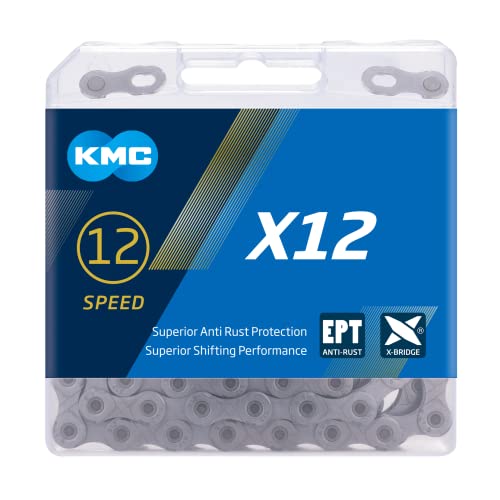


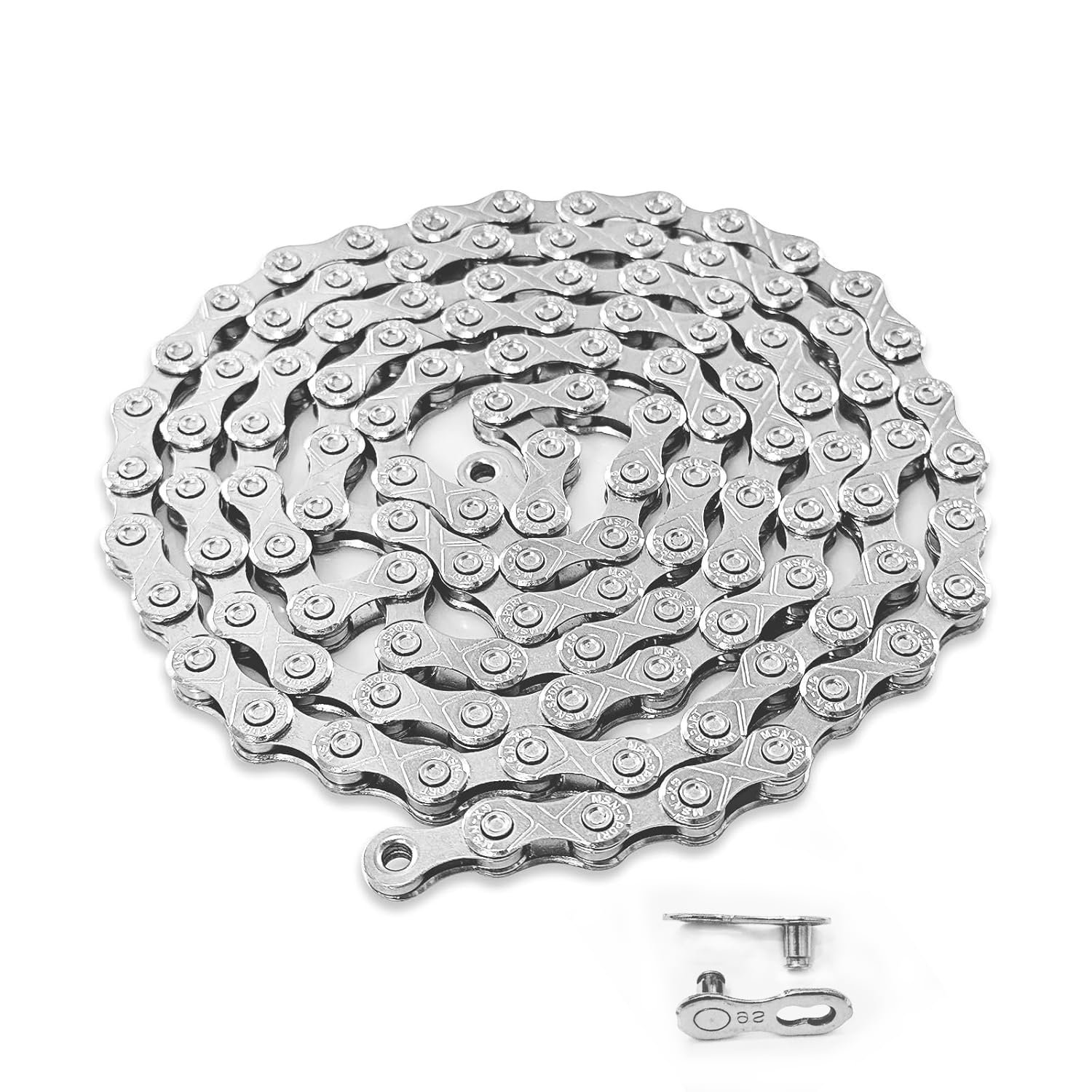

Features of the Best Chain for Mountain Bike Use
Mountain bike chains face mud, dust, water crossings, and sudden power surges on climbs, so durability matters more than light weight alone. A chain with solid pins and hardened rollers resists stretching under load, while coatings and surface treatments slow rust after wet rides. Look for chains rated for trail and all mountain use rather than road only models, which wear faster in grit.
Shifting performance also depends on the chain design matching your drivetrain. Shaped outer plates and chamfered edges help the chain move between gears under load, which matters on steep climbs when you cannot ease off fully. A chain that shifts cleanly in the workshop but skips on the trail usually mismatches your speeds or is already worn.
Speed Compatibility and Drivetrain Fit
Speed count is the first filter, since a chain made for 12 speeds will not work well on an 11 speed drivetrain, and vice versa. Count the gears on your rear cassette and match the chain exactly, since width narrows as speeds increase. Check your shifter and derailleur brand as well, since some chains are tuned for specific drivetrain designs.
Also check whether your bike uses a quick link or a connecting pin, since the joining method affects trail repairs. Quick links let you remove the chain without tools for cleaning, while pins need a chain tool for fitting. Carry the matching spare link on rides, since a broken chain far from home ends the day without one.
Materials, Coatings, and Rust Resistance
Most mountain bike chains use steel links, with higher end models adding nickel plating, chrome hardening, or special coatings that resist corrosion. Coated chains cost more but last longer in wet and muddy conditions, since rust accelerates wear and stiffens links. Uncoated chains suit dry climates and riders who clean often, since they cost less and perform well when maintained.
Weight differences between basic and premium chains are small, often a few dozen grams, so prioritize durability over grams unless you race. Hollow pins and cutout plates save weight but can wear faster under heavy trail use. For most riders, a midrange coated chain offers the best balance of life, shifting, and price.
Chain Length, Wear, and Replacement
Length must match your drivetrain, since a chain that is too short strains the derailleur on the largest gear, while a chain that is too long sags and drops. Size a new chain by wrapping it around the largest chainring and largest cassette cog, bypassing the derailleur, and adding the links your maker guide specifies. When in doubt, have a shop size it, since a wrong length damages shifting and parts.
Wear is measured with a chain checker tool, which shows elongation as the chain stretches with use. Replace the chain when wear reaches the maker limit, often around one half to three quarters of one percent, since a worn chain accelerates cassette and chainring wear. Replacing a chain early costs far less than replacing a full drivetrain later.
Cleaning, Lubrication, and Trail Care
Cleaning extends chain life more than any coating. After muddy rides, rinse off grit, scrub with a brush and degreaser, dry fully, and apply lube drop by drop to each link. Let the lube soak in, then wipe off the excess, since extra lube attracts dirt and forms grinding paste on the next ride.
Lube choice depends on conditions. Dry lubes stay cleaner in dust but wash off quickly in rain, while wet lubes last through mud and water but attract grit in dry dust. Match the lube to your local trails and reapply after wet rides. A clean, well lubed chain shifts quietly, lasts longer, and protects the rest of your drivetrain.
Related Guides Worth Reading Next
Choosing the right lube matters as much as the chain itself, and best lubricant for mountain bike chain compares dry and wet formulas for different trail conditions.
For a focused look at chain lubes, best lube for mountain bike chain covers application, longevity, and how to avoid over lubing.
Cleaning tools make maintenance faster, and best mountain bike chain cleaner compares chain cleaners, brushes, and degreasers for home workshops.
Single speed and converted bikes may need extra help, and best chain tensioner mountain bike explains tensioners and how they keep chains secure.
Electric mountain bikes stress chains harder, so best chain for e mountain bike covers stronger chains rated for motor torque and heavier use.
A Final Check Before You Order
Before ordering, count your cassette speeds, check your drivetrain brand, and confirm whether you need a quick link or a pin. Measure your old chain or follow the maker sizing guide, and buy a chain checker tool if you do not own one. These small checks prevent the most common buying mistakes.
Prices for mountain bike chains often run about $20 to $60, with coated premium models costing more. A midrange coated chain suits most trail riders, while racers may justify lighter premium models. Replace chains on schedule, keep them clean, and your whole drivetrain will last far longer.
Trailside Chain Repairs
A broken chain on the trail does not have to end the ride if you carry a few small items and know the basics. Pack a chain tool, a spare quick link that matches your speeds, and a pair of disposable gloves, since trailside repairs are messy. Practice removing and joining a link at home first, so the skill is familiar when you need it under pressure.
When a chain breaks, remove the damaged links, join the ends with the spare quick link, and ride gently, avoiding the largest gears until you can fit a proper replacement. A shortened chain limits gear range, so shift conservatively and skip steep climbs that demand the lowest gear. Inspect the derailleur and hanger as well, since the same impact that broke the chain may have bent them.
After any trailside fix, clean and inspect the full chain at home before the next ride. Check neighboring links for stiffness or damage, measure wear, and replace the chain if wear is near the limit. A quick trailside repair is a rescue, not a permanent fix, and treating it as one keeps your drivetrain safe.
Frequently Asked Questions
How do I know which speed chain my mountain bike needs?
Count the gears on your rear cassette: a 12 speed cassette needs a 12 speed chain, an 11 speed cassette needs an 11 speed chain, and so on. Chain width narrows as speeds increase, so mismatched chains shift poorly and wear faster. Check your shifter and derailleur brand as well, since some chains are tuned for specific drivetrains. When unsure, check the maker guide or ask a bike shop before ordering.
How often should I replace a mountain bike chain?
Replace it when a chain checker shows wear at the maker limit, often around one half to three quarters of one percent elongation. For frequent riders this may mean every 1,000 to 2,000 miles, while occasional riders get longer. Muddy and wet riding accelerates wear, so check more often in harsh conditions. Replacing a chain early is far cheaper than replacing a worn cassette and chainrings later.
Are coated chains worth the extra cost?
Yes, for wet and muddy riding, since coatings resist rust and slow wear, which extends chain life noticeably. In dry climates with regular cleaning, an uncoated chain performs well for less money. The price gap is modest compared with drivetrain parts, so coated chains often pay for themselves through longer life. Match the choice to your local trails and cleaning habits.
Can I use a road bike chain on a mountain bike?
Physically it may fit if speeds match, but road chains are not built for trail mud, grit, and power surges, so they wear faster and shift less reliably off road. Mountain specific chains use tougher pins and coatings suited to harsh conditions. For occasional light use a road chain works, but regular trail riders should choose a mountain rated chain. The small price difference is worth the durability.
How do I clean a mountain bike chain properly?
Rinse off loose mud, scrub with a brush and degreaser, rinse again, and dry fully before lubing. Apply lube drop by drop to each link, let it soak in, then wipe off excess so it does not attract dirt. Avoid high pressure washers aimed at bearings, since they force grit inside. Clean after muddy rides and relube after wet rides for the longest chain life.
Final Thoughts
Choosing a mountain bike chain comes down to speed match, durability, and a maintenance routine you will follow. Count your gears, pick a coated chain for wet trails, and check wear regularly. The product table above can help you compare chain types before you decide.
A fresh, clean chain transforms shifting and protects expensive drivetrain parts. Spend a little time on sizing and care, and every ride will feel smoother and quieter. That practical approach matters most among best chain for mountain bike options.


