
Best Chafing Dish Sets for Your Home (2026): Types and a Quick Checklist
Disclosure: We may earn a commission when you buy through links on this page, at no extra cost to you. As an Amazon Associate I earn from qualifying purchases. Learn more

Compare fuel, electric and roll top types of the best chafing dish set for home, with a quick checklist on size, cleaning and cost.
Picture a holiday dinner where the mashed potatoes stay warm, the gravy stays smooth, and you are not running back to the kitchen every ten minutes to reheat a pan. That is the job a good buffet warmer does for your table. Finding the best chafing dish set for your home comes down to your counter space, how many guests you feed, and how often you host. The product table below gives you a fast side by side view of the main types.
This guide walks through size, fuel, materials, and upkeep in plain terms. It focuses on daily ease and total cost, not on looks alone, so you can pick a set that fits your rooms and your routine.

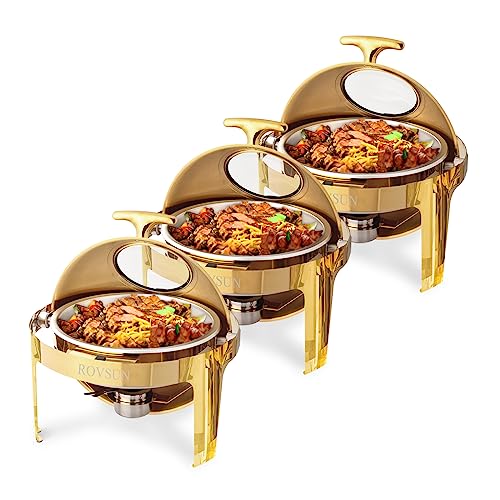
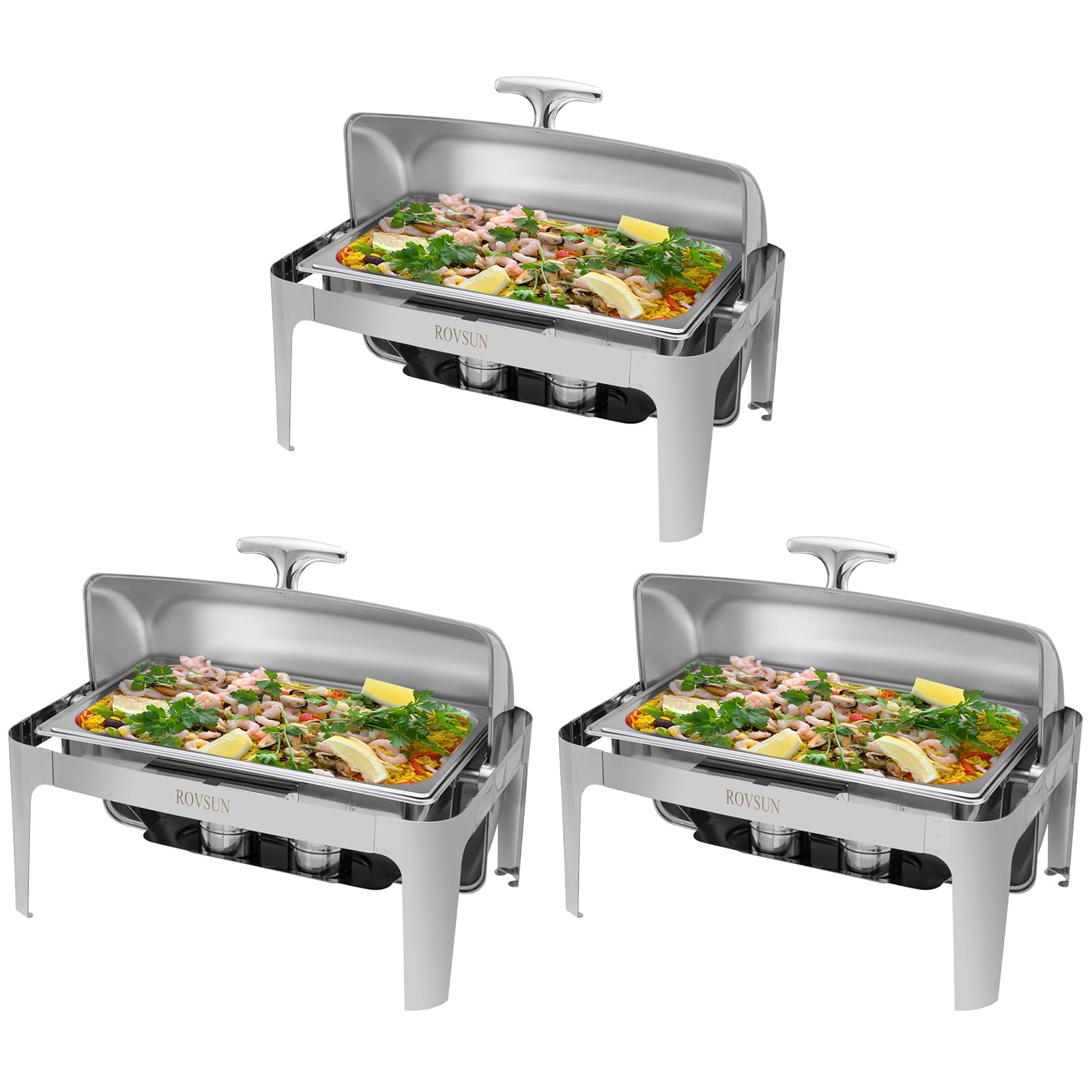

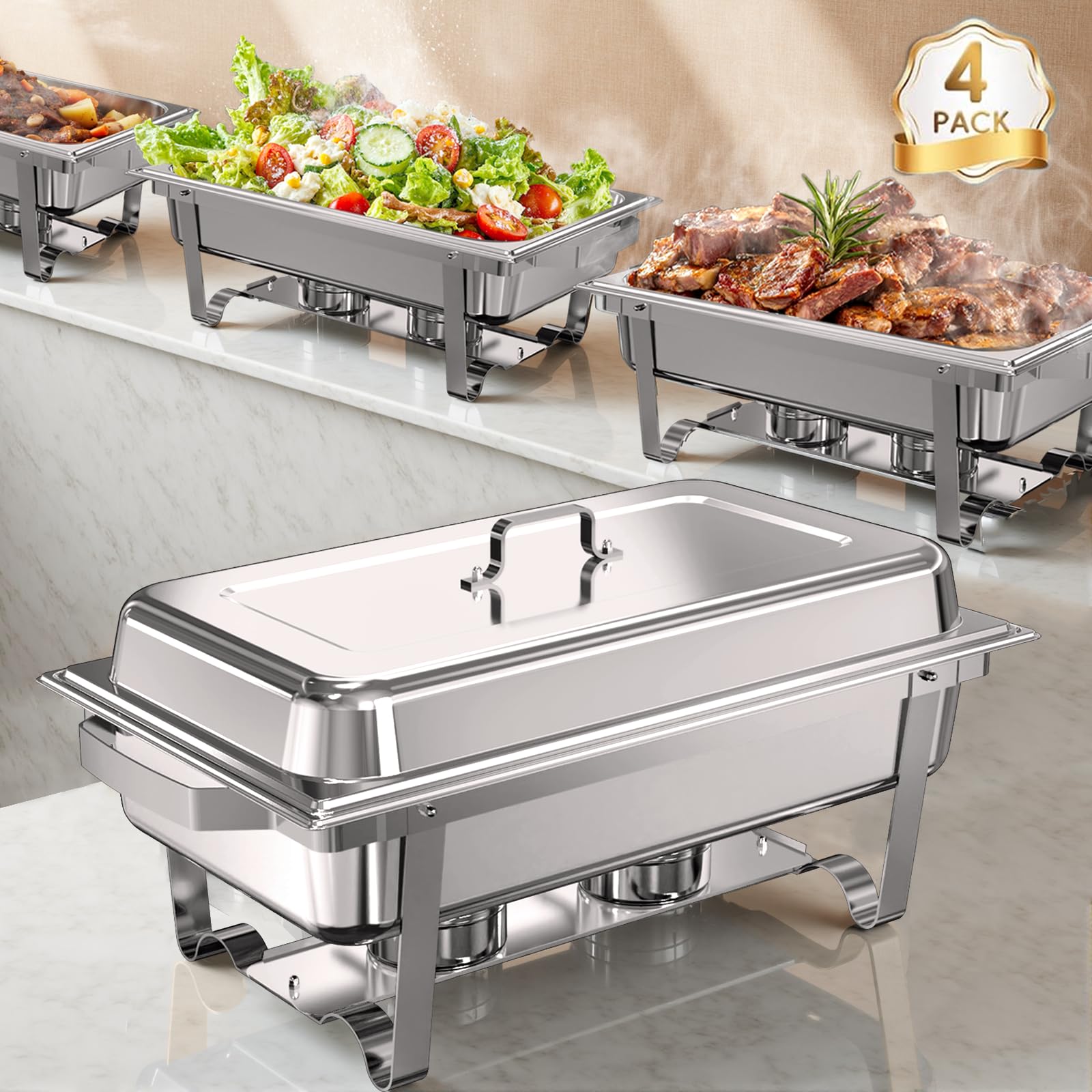
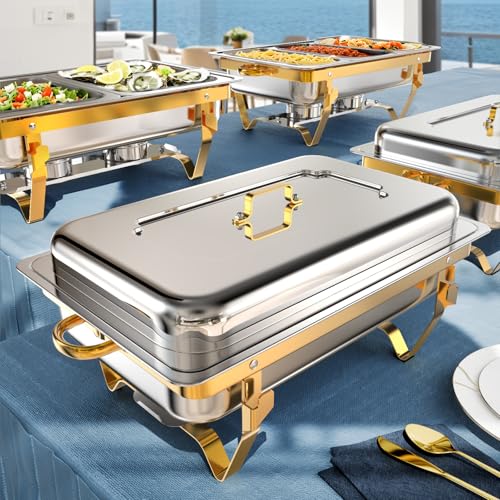


Quick Answer: The Main Types at a Glance
If you host a few times a year and want simple storage, a standard rectangular set with fuel holders covers most menus and stacks neatly in a cabinet. If you host often and want a cleaner look with no open flame, an electric model gives you steady heat and simple controls. If floor space is tight and your menu is mostly soups and sauces, a round set takes up less room on a sideboard.
Think of the best chafing dish set choice as a match between heat source, pan size, and how you serve. No single style wins for every home, so weigh those three factors before you spend anything.
Before You Buy: A Quick Checklist for Choosing a Chafing Dish Set
Use this checklist in order. Size first, then heat type, then cleaning, storage, and cost.
Size: Match It to Your Space
Start with the table or counter where the food will sit, not with the guest list alone. A full size pan serves a large main dish, while a half size pan holds about half as much and suits sides and sauces. Measure the surface and leave room for lids, fuel, and serving spoons. A 2 pack or 4 pack bundle only helps if each unit has a place to sit and a place to be stored.
Which Type Fits Your Routine
Fuel heated sets use small cans of gel fuel under a water pan and work anywhere, even outdoors or during a power outage. Electric sets plug in and hold a set temperature, which suits long indoor gatherings but ties you to an outlet and a safe cord path. Roll top designs suit frequent hosts who want lids that open without needing counter space for a loose lid. Disposable sets cut cleanup for a single event but create waste and offer no lasting value.
Features Worth Paying For, and Ones to Skip
A sturdy frame, a deep water pan, and lids that sit flat are worth paying for, since they keep heat even and reduce spills. Fuel holders with adjustable openings help you control heat without swapping cans. Glass lids let guests see the food without lifting, though plain steel lids shed steam better. Skip extra décor, extra small pans you will never fill, and stands that wobble.
Glazes, Coatings, and Food Contact Safety
Most home sets are stainless steel with no glaze at all, which keeps the food contact question simple. If you look at coated or enameled pieces sold alongside a set, check that the maker states the finish is free of lead and cadmium and is made for food contact. Avoid using a piece with chipped enamel for hot acidic foods such as tomato sauce. When a listing gives no clear material statement, choose plain stainless steel instead.
Dishwasher, Microwave, and Oven Safety
Frames and fuel holders never go in a microwave, and the full assembled unit is never oven safe. What can vary is the inner food pan. Many stainless steel pans are dishwasher safe and can go in a warm oven for reheating before service, while pans with plastic handles or glass lids often have lower heat limits. Check the care notes for each part on its own, and never place a gel fuel can or holder in any appliance.
Set Size and Replacement Part Availability
A bigger bundle is not always better value. Count the pans, lids, frames, and fuel holders in the box and picture one full meal you serve often, then check that the mix matches it. Also look at whether pans and lids are sold on their own in standard sizes. A single dented pan should not force you to replace the whole set.
Realistic Budget Ranges
At about under $50, expect a single basic fuel heated set with a thin frame and one full size pan, fine for rare use. In the range of about $50 to $100, you can often get a sturdier frame, better lids, or two smaller pans for mixed menus. At about $100 to $200, expect thicker steel, roll top lids, or electric heat with temperature control.
Types Compared: Styles Worth Considering
Compare the styles below against your space and routine. Each one covers the same buying factors in a different way.
Standard Fuel Heated Rectangular Sets for Most Homes
This is the most flexible style for a typical dining room or kitchen island. The rectangular pan fits casseroles, sliced meats, and pasta, and the fuel system needs no outlet. The trade off is heat control, since gel fuel gives a narrow range and cans need replacing during long events. Choose it for low cost, simple storage, and setup anywhere a cord would be a problem.
Electric Sets for Long Indoor Gatherings
An electric set holds a steady temperature for hours, which helps when guests eat in waves during a long lunch or open house. There is no open flame, so many hosts prefer it around children and paper décor. The trade off is placement, since you need an outlet close by and a safe cord route. Choose it if most of your hosting is indoors and lasts more than two hours.
Roll Top and Round Sets for Tight Spaces and Frequent Hosts
A roll top lid slides back into the frame, so you do not need a spare patch of counter for a loose lid while guests serve themselves. Round sets take up less width and suit soups and curries, but they hold less flat food than a rectangular pan of similar volume. Choose this style if your serving surface is narrow and you host often.
How to Judge Any Set Without Hype
Judge a set on five plain criteria. Material and build come first, with thicker steel and firm joints lasting longer than thin, flexible frames. Next is heat control, then how easy the pans and lids are to clean, then whether the box contents match real menus. Value comes last and means cost over years of use, not the lowest tag. These criteria come from maker specifications and patterns in verified buyer feedback.
Choosing by Household and Space
For a small apartment, one rectangular or round set is usually enough, and it stores on a single cabinet shelf. For a family that hosts ten to twenty guests at holidays, two full size sets let you keep a main dish and a side warm without crowding one table. Split them across two surfaces so the serving line keeps moving.
For frequent hosts, an electric or roll top style repays its cost in saved fuel cans and faster setup. For a once a year event, a basic fuel heated set or a borrowed set makes more sense than a premium bundle in storage. Outdoors, place fuel heated sets on a stable, heat safe surface away from wind.
Common Buying Mistakes to Avoid
- Buying the largest bundle before measuring your table, which leaves no room for plates, drinks, or safe passage around hot fuel.
- Ignoring the water pan depth, which leads to water running dry during a long event and food scorching on the base of the pan.
- Choosing looks over lid fit, which lets heat escape and forces you to burn more fuel for the same serving temperature.
- Forgetting ongoing fuel or cord needs, which adds cost and limits where you can place the set at each event.
- Storing pans while still damp, which leaves water marks and odors that are harder to remove later.
Cost of Ownership and Care
The purchase price is only part of the cost. Gel fuel cans are a repeat expense for fuel heated sets, while electric sets add a small amount to your power bill. Budget for replacement lids or pans over the years, since a set with standard size pans costs less to maintain. Cleaning is simple when you act fast. Empty the water pan once it cools, wash food pans in warm soapy water, and dry all parts fully before stacking.
For storage, nest the pans, keep lids without weight on the glass, and store fuel cans upright in a cool place away from heat, following the notes on the can. Never store a set with fuel cans inside the frame. Check frames for loose joints and pans for deep dents before each hosting season.
Your Questions, Answered
What brand of chafing dish set is the most reliable?
Reliability tracks build more than the name on the box. Look for thicker steel that does not flex when you lift a full pan, welds or joints that feel firm, and lids that sit flat all the way around. A lesser known maker that states pan sizes, steel type, and part availability clearly is a safer buy than a famous name with vague specifications. Spare part access is part of reliability too, since a set you can repair stays in service longer.
How do you clean a chafing dish set after a party?
Let the water pan cool fully, then pour the water out and wash the food pan and water pan in warm soapy water with a soft sponge. For dried sauce on steel, soak the pan in warm water for about fifteen minutes before washing rather than scrubbing hard. Dry each piece with a towel instead of air drying, since towel drying cuts water spots on polished steel. Wipe the frame last, after you confirm no fuel residue remains on the holders.
Is a chafing dish set worth it for a small household?
It can be, if you batch cook or host even a few times a year. Warm holding keeps leftovers at serving temperature during a long family meal, so you reheat less and waste less food that sat out and cooled. The key test is storage. If one set fits a shelf you already have and you will use it at least three or four times a year, the cost per use drops quickly. If not, borrowing or renting for a single event is the smarter spend.
How long does a chafing dish set last with home use?
A stainless steel frame and pans can serve for many years of home use when they are dried well and stored without heavy items stacked on the lids. The parts that wear first are usually lids, fuel holders, and any plastic handles exposed to heat. Electric models also depend on the cord and control dial staying in good shape. Inspect those smaller parts each year, replace what is worn, and the main steel pieces should keep going long after the first set of fuel cans is gone.
What is the best chafing dish set for a home buffet?
For most home buffets, a full size rectangular fuel heated set covers the widest mix of mains and sides and can be placed anywhere. Add an electric unit only if your gatherings run long and you have a safe outlet near the serving table. The best choice is the one that fits your measured space, matches the dishes you serve most, and uses pans in standard sizes you can replace. Start with one good set rather than a large bundle.
Final Thoughts
Measure your surface, pick the heat type that fits your rooms, and insist on standard pan sizes and a lid that fits well. That simple order prevents most regrets. Start with one versatile best chafing dish set option for your most common gathering, compare it with the product table above, and add a second unit only when a real menu proves you need it. A set chosen this way will earn its shelf space at every warm, relaxed meal you host.


