
Best Chafing Dish Buffet Set: A First Time Buyer Guide for 2026
Disclosure: We may earn a commission when you buy through links on this page, at no extra cost to you. As an Amazon Associate I earn from qualifying purchases. Learn more

Learn how to choose a chafing dish buffet set for your first event, compare sizes, fuel types, materials and costs, and avoid common first time buyer mistakes.
Shopping for the best chafing dish buffet set for the first time can feel confusing, because the parts look similar while the prices vary a lot. This guide starts with the basics, then explains the terms and choices in plain language, so you can compare options with confidence. The product table below gives you a quick view of the main types before you read the detail.
A good set keeps food warm through a meal, serves a crowd without constant refills, and cleans up without a struggle. The right choice depends on how many guests you serve, how often you host, and where you plan to set up.

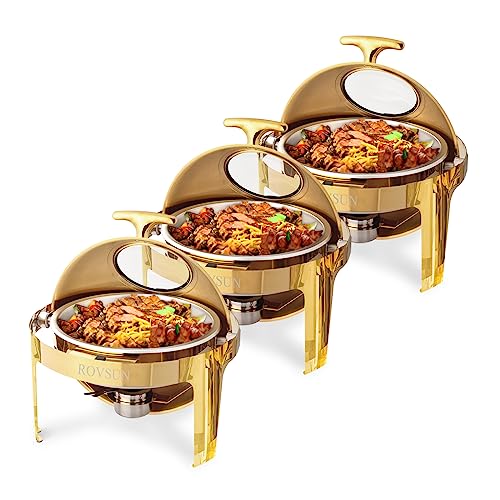
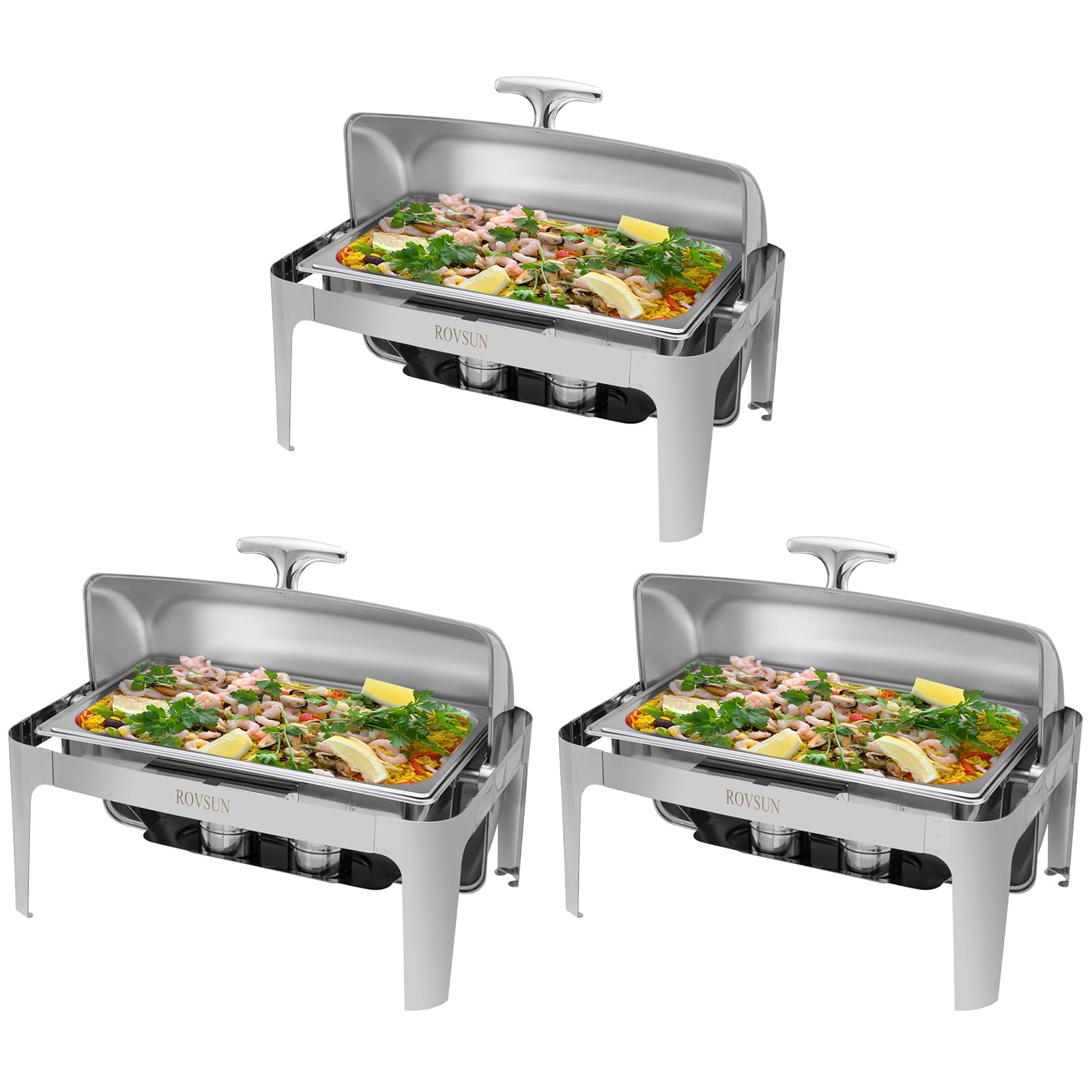


Chafing Dish Buffet Sets 101: The Basics
A chafing dish buffet set is a serving system built around a pan that holds food, a water pan below it, a frame that holds both, and a heat source underneath. The water pan creates gentle, even heat, which keeps food warm without scorching it from below. Most sets also include a lid, and some include serving utensils, fuel holders, or a second food pan.
The main terms to know are capacity, pan depth, and fuel type. Capacity tells you how much food one pan can hold, usually in quarts, and pan depth affects how fast food cools and how easy it is to serve. Fuel type matters because canned fuel, electric heat, and induction style heat each suit a different setting.
What to Look for in the Best Chafing Dish Buffet Set
Intended Use and Who It Is For
Start by naming your main use, because a set for a monthly family dinner does not need the same strength as a set for weekly catering style events. Occasional hosts can focus on simple assembly, easy storage, and a size that fits a standard table. Frequent hosts should look for sturdier frames, lids that stay put, and pans that stand up to repeated washing. If you serve several dishes at once, plan for more than one set, since one pan rarely covers a full menu.
Price vs Value
Budget sets usually cost about $40 to $90 and cover basic hosting, while mid range sets often cost about $90 to $180 and add stronger frames and better lids. Premium sets can cost about $180 to $350 or more, and they tend to offer thicker steel, tighter fitting parts, and a more polished look. Price alone does not prove quality, so compare pan thickness, frame stability, and warranty terms at each level.
Ease of Use and Setup
Look for a frame that assembles without tools, legs that lock in place, and handles that stay cool enough to move with care. Lids should lift and rest safely without sliding, and fuel holders should sit firmly under the water pan. If setup feels fiddly in a store display or in a product description, it will feel worse when guests are arriving. Choose a set you can assemble, fill, light or switch on, and serve from without rushing.
Warranty and Customer Support
A clear warranty tells you how long the maker stands behind the frame, pans, and lids, and what kinds of damage it covers. Read the terms for wear parts such as handles and hinges, since those see the most use. Good support also means easy access to replacement pans, lids, and fuel holders, so one worn part does not force you to replace the whole set.
Build Quality and Materials
Stainless steel is the most common material, and thicker steel resists dents and warping better than thin steel. Check that the frame does not wobble when the pans are full, and that the water pan sits level without rocking. Lids should close evenly, since a gap lets heat escape and dries food out. Handles and knobs should feel solid, and the finish should be smooth enough to wipe clean after each use.
Maintenance and Long Term Costs
Long term costs include fuel, replacement pans, and cleaning time, so a cheap set can cost more over time if parts wear out fast. Canned fuel adds a recurring cost for every event, while electric sets add power use but avoid fuel purchases. Wash pans after each use, dry them fully, and store lids separately to avoid scratches.
When you compare serving pieces, remember that a matching dinnerware set can change how a buffet looks and how much table space you need. See our guide to the best everyday dish sets if you want plates that suit daily use as well as gatherings. For a more formal table, our guide to the best stoneware dish sets covers heavier, more decorative options. If you only need simple pieces for large groups, our guide to the best dish sets can help you compare the basics.
Rookie Mistakes to Avoid
- Buying the largest set first: a pan that is too large for your guest count wastes food and fuel, and it can be hard to store.
- Skipping the water pan: running a food pan dry can scorch food and damage the pan, so always add water before heating.
- Ignoring table space: measure your table and the set footprint together, or the set may crowd plates, drinks, and serving tools.
- Forgetting fuel or power needs: check whether your venue allows open flame fuel, and whether an electric set has an outlet nearby.
- Choosing looks over stability: a tall, narrow frame may look elegant, but a wide, stable base is safer when guests serve themselves.
Getting Started: Setup and First Use
Read the manual before first use, and wash all pans and lids with warm soapy water before you serve food. Set the frame on a flat, heat safe surface, add water to the water pan, then place the food pan on top. Light fuel or switch on the heat only after everything is in place, and keep the area clear of paper, cloth, and decorations.
For food safety, follow maker guidance on holding times and temperatures, and keep hot food covered when guests are not serving. Keep children away from hot pans, fuel, and open flame, and never leave a lit set unattended. Never use a fuel heated set indoors near open flame unless the maker says the setting is safe, and always follow local rules for your venue. When the event ends, let parts cool fully before washing, drying, and storing them.
Chafing Dish Buffet Sets: Your Questions Answered
Are expensive chafing dish buffet sets worth it?
An expensive set is worth it when you host often and need thicker steel, a sturdier frame, and parts you can replace over time. For a rare gathering, a simpler set can serve well and cost much less, as long as it holds heat evenly and feels stable when full. The deciding factor is use frequency, not price alone, so match the build to how often you will set it up.
How long does a chafing dish buffet set last?
A well made set can last many years with regular cleaning, careful storage, and prompt replacement of worn handles or lids. Thin steel, rough handling, and soaking parts for long periods can shorten its life and cause warping or rust. Drying pans fully after washing and storing them where they will not dent helps a set stay in good shape.
What features matter most when buying chafing dish buffet sets?
The features that matter most are stable frames, even heat, a lid that fits well, and a pan size that matches your guest count. Ease of cleaning matters too, since a set that is hard to wash will sit unused after one event. Fuel or power type should fit your venue, and handles should be safe to grip when the set is warm. A clear warranty and available replacement parts round out the features worth checking before you buy.
How do I maintain a chafing dish buffet set?
Wash food pans, water pans, and lids after each use, using maker approved cleaning methods and avoiding harsh scouring pads on polished steel. Dry every part fully to prevent water spots and rust, and check the frame for loose joints before storing. Store lids where they will not scratch, and keep fuel holders clean and dry between events. A quick inspection before each gathering catches small problems early and keeps the set safe to use.
How much should I spend on a chafing dish buffet set?
Most first time buyers do well with a set in the about $40 to $180 range, depending on size and how often they host. Spend less if you host once or twice a year and need only one pan, and spend more if you host often or need a larger, sturdier setup. Add fuel or power costs to your total, and set aside a small amount for replacement pans or lids over time. The right spend is the one that covers your guest count without paying for capacity you will not use.
The Bottom Line
The best chafing dish buffet set for you is the one that fits your guest count, your venue, and your storage space, with a stable frame and a lid that holds heat well. Compare pan size, heat source, material thickness, and long term costs before you decide, and check the product table above once more before ordering. A simple, well built set will serve your gatherings better than a larger set that is hard to store, clean, or set up.


