
Best Ceramic Lined Water Bottles (2026): Buying Guide
Disclosure: We may earn a commission when you buy through links on this page, at no extra cost to you. As an Amazon Associate I earn from qualifying purchases. Learn more

Pick the best ceramic lined water bottle for clean taste: compare insulated, simple and sturdy types by size, lid, coating safety and care before you buy.
Your morning water tastes faintly of metal, your coffee from yesterday still lingers in the bottle, and by noon you are drinking from the tap at work instead. That daily annoyance is why many households switch to a ceramic lining. If you want clean taste without giving up insulation, the best ceramic lined water bottle pairs a smooth ceramic interior with a sturdy outer body, and the product table helps you compare current options by size, lid style, and daily use.
This guide helps you choose by space, household size, and budget rather than by looks. If you are still weighing materials, start with our overview of the best water bottle options, then return here.
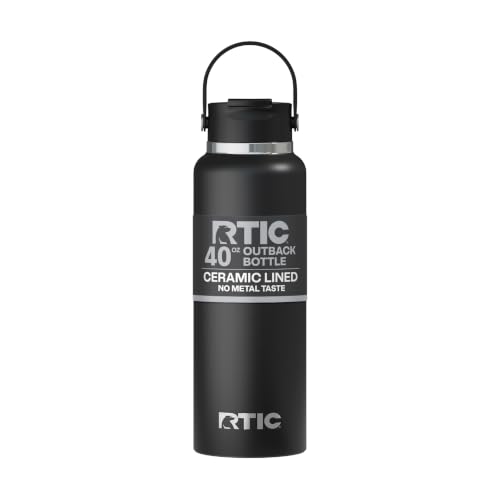
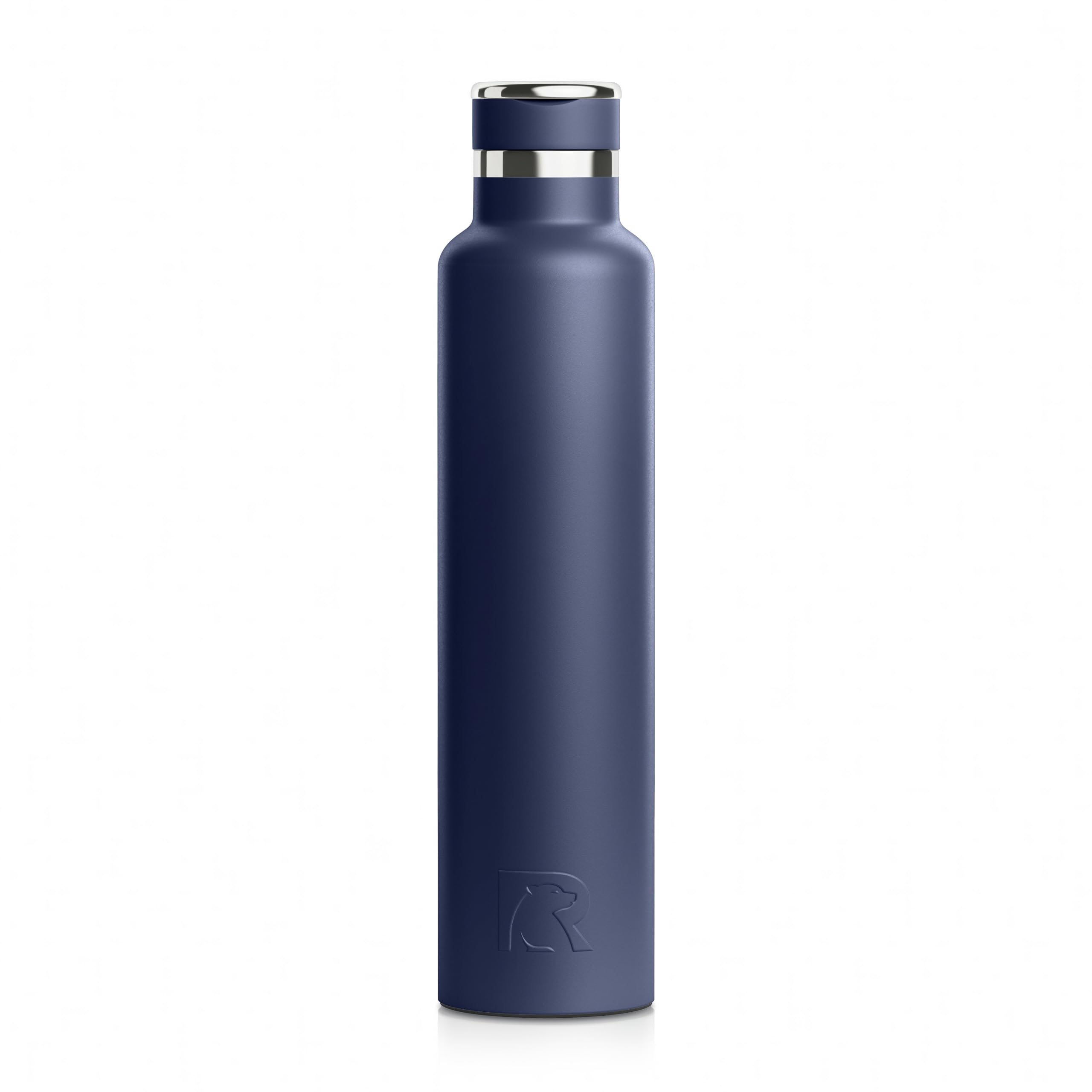

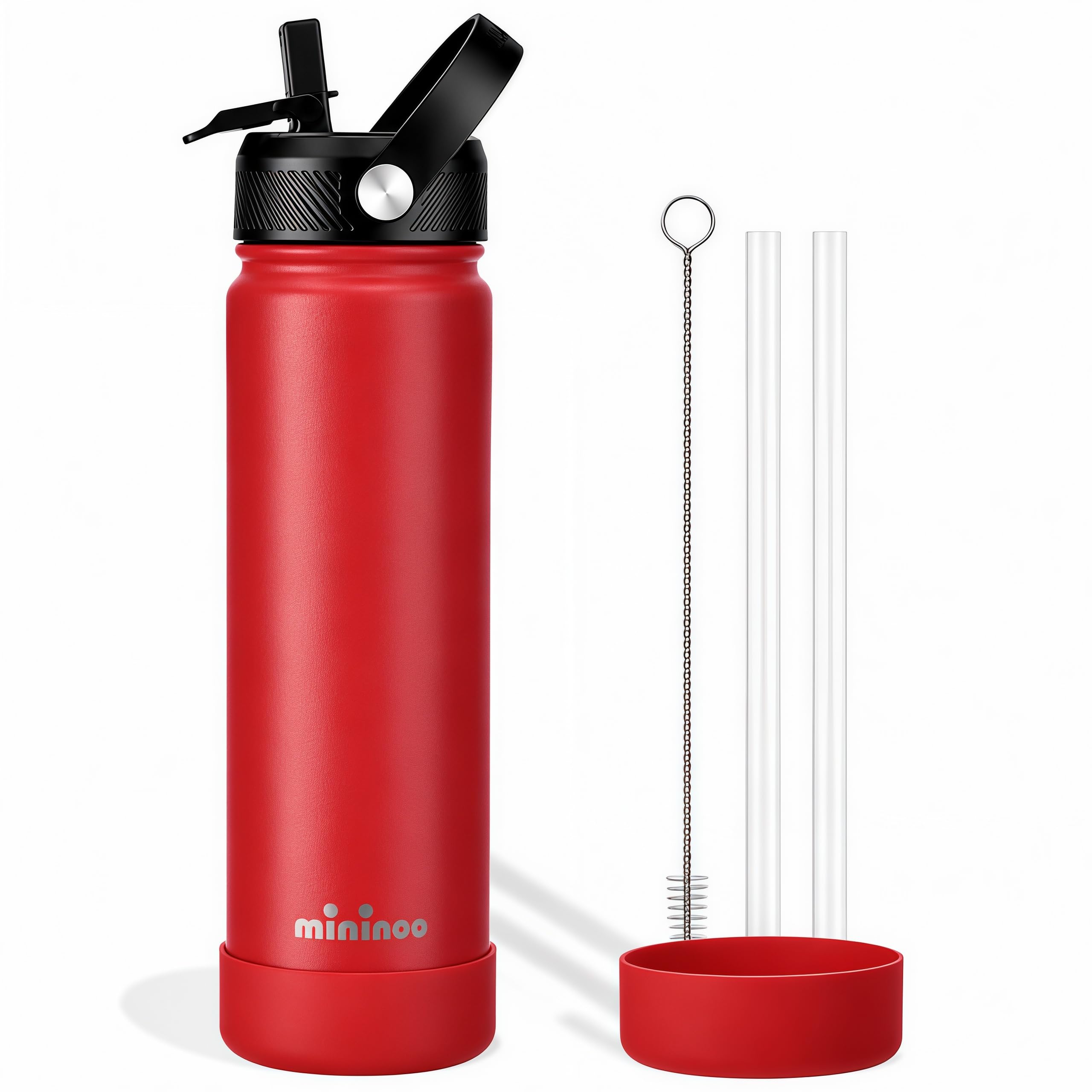
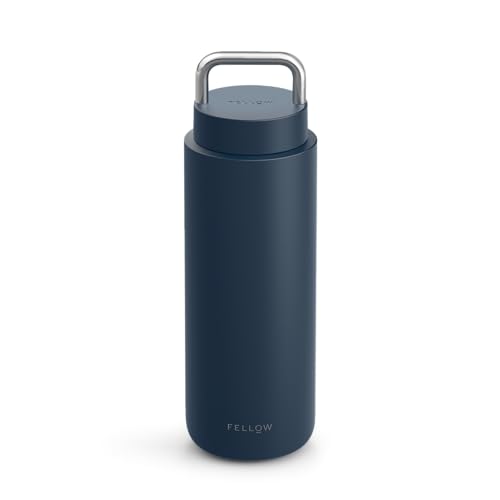
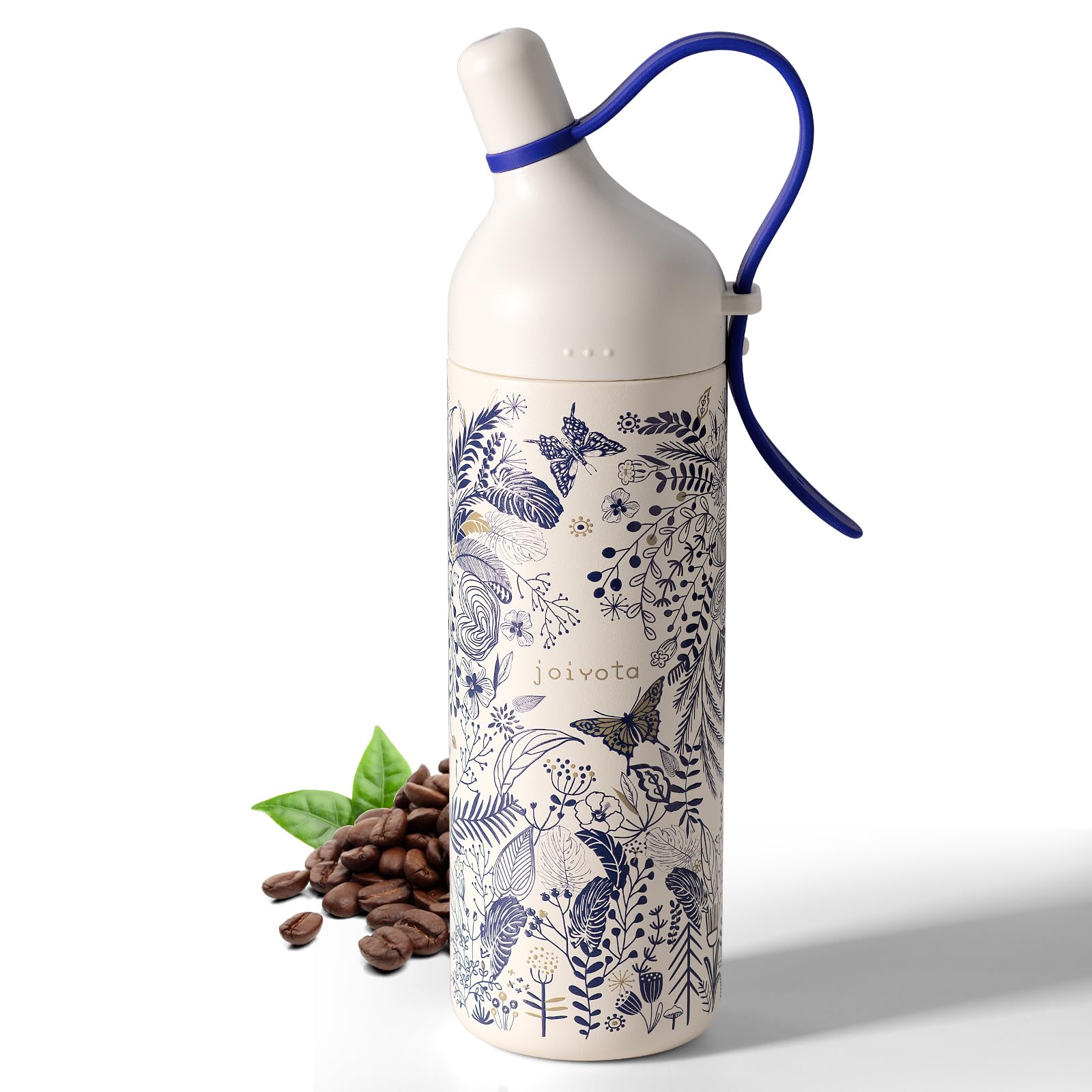

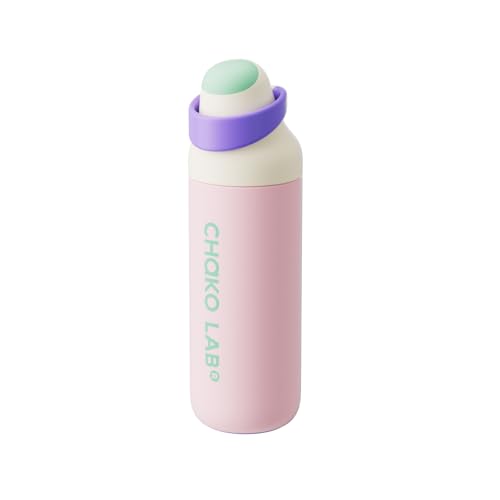

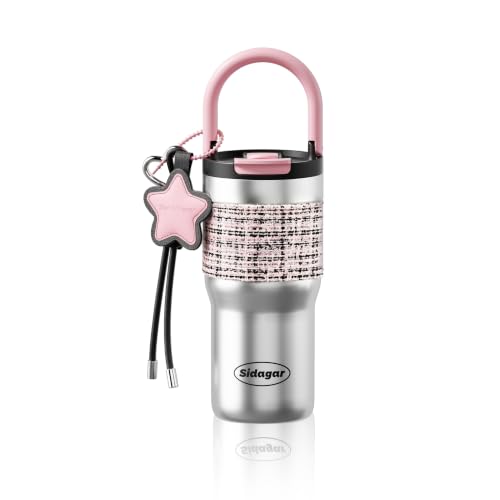
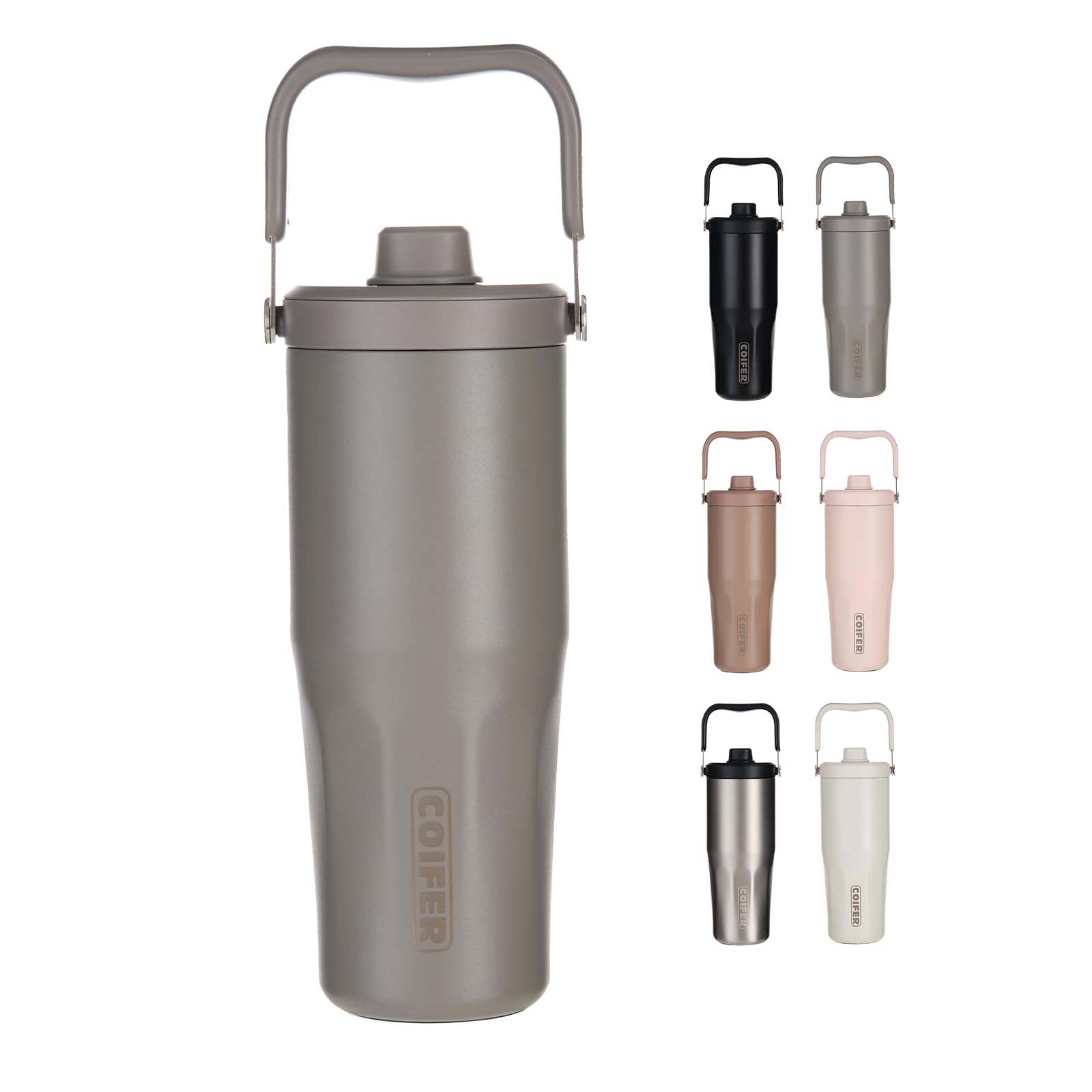
Quick Answer: Three Types That Fit Real Homes
Most buyers land on one of three types. Insulated bottles suit long workdays and warm cars, since the outer body slows warming while the lining keeps flavor neutral. Simple everyday bottles suit desks and school bags, where light weight matters more than ice retention. Large capacity bottles suit shared homes and long outings, but they need more cupboard space. Match the type to your routine first, then compare size, lid, and price within that type.
Before You Buy: A Quick Checklist for Choosing a Water Bottle
Size: Match It to Your Space
Common sizes run from about 16 oz to 40 oz, with larger jugs near a half gallon for shared use. A 16 oz or 20 oz bottle fits most car cup holders, small bags, and crowded fridge doors. A 24 oz or 32 oz bottle cuts refill trips at a desk or gym, but it feels heavy when full and may not fit a slim side pocket. Measure your cup holder, bag pocket, and fridge shelf before you order, since a bottle that stays home helps no one.
Which Type Fits Your Routine
Insulated types keep drinks cold for hours and suit commutes, sports, and warm rooms. Single wall types are lighter and suit home and office use where a fridge is close. A straw lid encourages steady sipping at a desk, while a wide mouth suits ice cubes and easy scrubbing. Collapsible and filtered types solve travel or tap taste problems, but they add parts to clean and replace. Choose for the day you actually live, not the trip you take once a year.
Features Worth Paying For and Ones to Skip
A secure lid, a comfortable carry handle, and a mouth wide enough for a bottle brush are worth paying for, since you use all three daily. A straw can help you drink more at a desk, yet each straw and valve adds cleaning work. Time markers help some people track intake, but they change nothing about taste or durability, so skip paying extra for them. Fruit infusers and smart caps usually sit unused after a month. Spend on the lining, the seal, and the lid you prefer.
Lead and Cadmium Free Glazes
The lining touches everything you drink, so its safety paperwork matters more than its color. Look for a clear statement from the maker that the coating is free of lead and cadmium, and check whether the claim rests on independent verification rather than marketing words alone. If a listing is vague about the coating, or the maker will not answer a direct question about the coating, treat that as a reason to pass.
Dishwasher and Microwave Safety
Read the care label for each part, since the bottle, lid, and straw often have different rules. Many ceramic lined bottles have a metal core, and a metal core bottle must never go in a microwave, even though the inside looks like a mug. Some bodies are rated for the dishwasher while lids and seals need hand washing to protect the finish and the gasket. Hand washing the body is the safer default when the label allows both.
Set Size and Open Stock Availability
Bottles are sold one at a time, yet a home often needs two or three in rotation for work, school, and the gym. Check that the same size and lid stay in stock, so a lost bottle does not force a whole new system. Replacement lids and seals matter just as much, since a cracked lid is a common reason a good bottle gets thrown away.
Realistic Budget Ranges
Simple single wall bottles with a basic lid often cost under $20, with fewer spare parts on offer. Most insulated ceramic lined bottles with better seals cost about $20 to $50. Premium builds with larger capacity or thicker insulation cost over $50, and you pay for build, not better taste, since the lining does that job at every price. Set your budget after you pick size and type.
Three Types Compared: Choosing by Home and Routine
For Most Homes: Insulated Everyday Bottles
This is the safe middle choice for a mixed household. Insulation keeps water cold through a workday, the lining keeps yesterday flavors out of today drink, and a mid size near 24 oz to 32 oz balances capacity with cup holder fit. Look for a lid that opens with one hand and seals that lift out for washing. It costs more than a basic bottle, but it covers the widest range of daily uses.
For Tight Budgets: Simple Lightweight Bottles
If the bottle will live on a desk or a nightstand, you can skip heavy insulation and pay less. A lighter body is easier for kids and older adults to lift when full, and a simple screw cap has fewer parts to lose or scrub. The trade off is temperature, since drinks warm up faster in a warm room or car. Near a fridge, that trade off is minor, and the savings can cover a second bottle for another family member.
For Long Term Use: Sturdier Premium Builds
Paying more makes sense when the bottle faces drops, packed bags, and daily travel for years. Thicker outer walls resist dents, better hinges and seals tend to last longer, and spare parts are easier to find for established lines. Weight is the cost, since a rugged large bottle feels heavy on a walk. If you travel often, compare the guidance in our guide to the best water bottle for travel before you commit to the heaviest option.
How to Judge a Ceramic Lined Bottle
Judge a bottle against the factors that shape daily home use: lining safety statements, build, insulation style, lid and seal design, size range, spare part access, and value. Maker specifications, care documents and patterns in verified buyer feedback about leaks, taste, and lid wear are the best evidence, so check the product page for the exact wording of any coating claim before you buy.
Ceramic Lined Compared With Other Water Bottles
The main reason to choose a ceramic lining is taste. Water, tea, and coffee pick up less flavor from a ceramic surface than from bare metal, and the smooth interior rinses clean without holding odors the way some plastics can. A plain stainless steel water bottle is often tougher and cheaper, but many drinkers notice a metallic note with hot drinks. A glass water bottle also tastes clean, yet glass breaks more easily in a bag or on tile.
Ceramic lined bottles sit between those two, with a clean taste, more drop protection than glass, and more insulation choice than most glass models offer. The downsides are weight, since a lined insulated bottle is rarely the lightest option, and care, since a hard drop can chip a coating or dent the body so the lid seals poorly. If taste is your top concern and the bottle stays at home or in a padded bag, the lining earns its price.
Common Buying Mistakes to Avoid
- Buying the largest size, then leaving it home because it fits neither the car holder nor your bag.
- Judging by color while ignoring whether replacement lids and seals are sold at all.
- Assuming the whole bottle is dishwasher safe when only the body is, which warps lids and weakens seals.
- Paying for extras like infusers while the basic lid style does not suit how you drink.
- Skipping the coating paperwork, then having no way to confirm what the lining is made of.
Cost of Ownership and Care
Ownership cost is mostly small parts and time. Budget for a bottle brush, a spare seal or straw set now and then, and a replacement lid if the bottle takes a bad drop. Wash the body and lid after each day of use with warm water and mild soap, scrub the mouth and threads where residue builds, and let every part dry fully before you close it. Our step by step guide on how to clean a water bottle covers deep cleaning for stubborn odors. Store the bottle with the lid off. If the coating chips, cracks, or flakes, stop using the bottle and replace it, because the surface that touches your drink is no longer intact.
For more checks before you order, see what to look for when buying a water bottle.
Your Questions, Answered
What is the most reliable water bottle brand?
No single brand is most reliable for every home, and reliability shows more in parts and paperwork than in a name. Look for a maker that sells replacement lids and seals, publishes clear care and coating information, and offers a warranty covering defects in the lid and body. A bottle you can repair with a new seal will outlast a famous name with no spare parts.
How do you clean a ceramic lined water bottle?
Wash it daily, and add one habit: dry the lid upside down on a rack with the seal removed, since moisture hides under the gasket and causes most musty smells. Once a week, soak the loose seal and straw parts in warm soapy water for about 15 minutes, then rinse and air dry fully. Avoid abrasive pads on the lining, because scratches give residue a place to cling.
Is a reusable water bottle worth buying for home use?
Yes, for most homes, because a bottle you like drinking from makes tap water the easy default and cuts the cost and clutter of single use drinks. It also keeps cold water at your desk or bedside on busy days when trips to the kitchen get skipped. The value fades if the size or lid annoys you, so the worth comes from a good match to your routine, not from the bottle alone.
How long does a ceramic lined water bottle last?
The body can last for years, while lids, straws, and seals age first and may need replacing within a year or two of daily use. Your signal to replace the whole bottle is damage to the lining itself, such as chips, cracks, or flaking, or a dent that stops the lid sealing. A persistent odor after a deep clean can mean residue in a worn seal, so try a new seal first.
Are ceramic lined water bottles worth it?
They are worth it if taste is the reason you avoid your current bottle, since the lining keeps water, tea, and coffee tasting like themselves through the day. They are less worth it if you drink plain cold water quickly and never notice a metallic note, because a simpler bottle costs and weighs less. Flavored and hot drinks show the benefit most, while fast refills of cold water show it least.
What is the best ceramic lined water bottle?
It is the one that matches your size, lid, and care routine, since those three decide whether you keep using it. For most homes that means an insulated mid size bottle with a secure one hand lid, a published coating safety statement, and spare seals you can buy later. Homes that drink only at a desk can choose the lighter simple type and save money. Judge any model against the product table above, not against awards alone.
Final Thoughts
Start with your routine, then pick the type, size, and lid that fit it, and let the budget bands above keep the choice honest. Check the coating statement, confirm spare parts exist, and measure the spaces the bottle must fit before you order. Chosen that way, the best ceramic lined water bottle for your home is the one still in daily use a year from now, keeping every drink tasting clean.


