Best Chaco Sandals for Men: Every Type Explained Side by Side for 2026
Disclosure: We may earn a commission when you buy through links on this page, at no extra cost to you. As an Amazon Associate I earn from qualifying purchases. Learn more

Compare the best chaco sandals for men by type, with pros and cons, ideal users, sizing advice and price range.
Men shopping this brand face a wide spread of strap layouts, footbed widths, and upper materials, and the wrong pick usually comes down to fit, not quality. This guide compares the best chaco sandals for men by type, with sizing and width advice shaped around larger, heavier feet. You will see which styles suit trails, water, travel, and daily wear.
Start with the product table below for sizes and price bands, then use the type sections to narrow your shortlist. Because many styles come in whole sizes only, the fit guidance matters as much as the style choice itself.


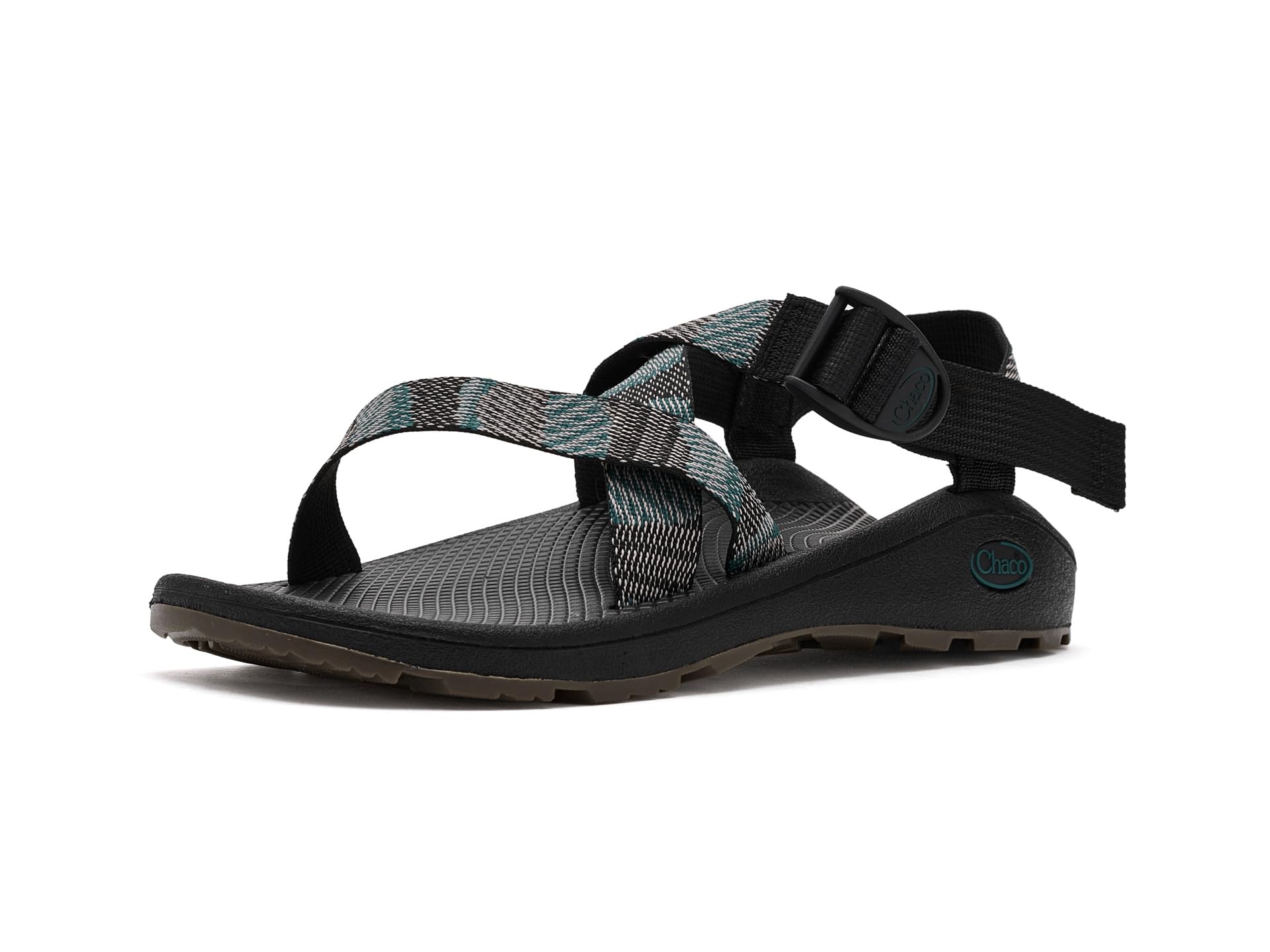

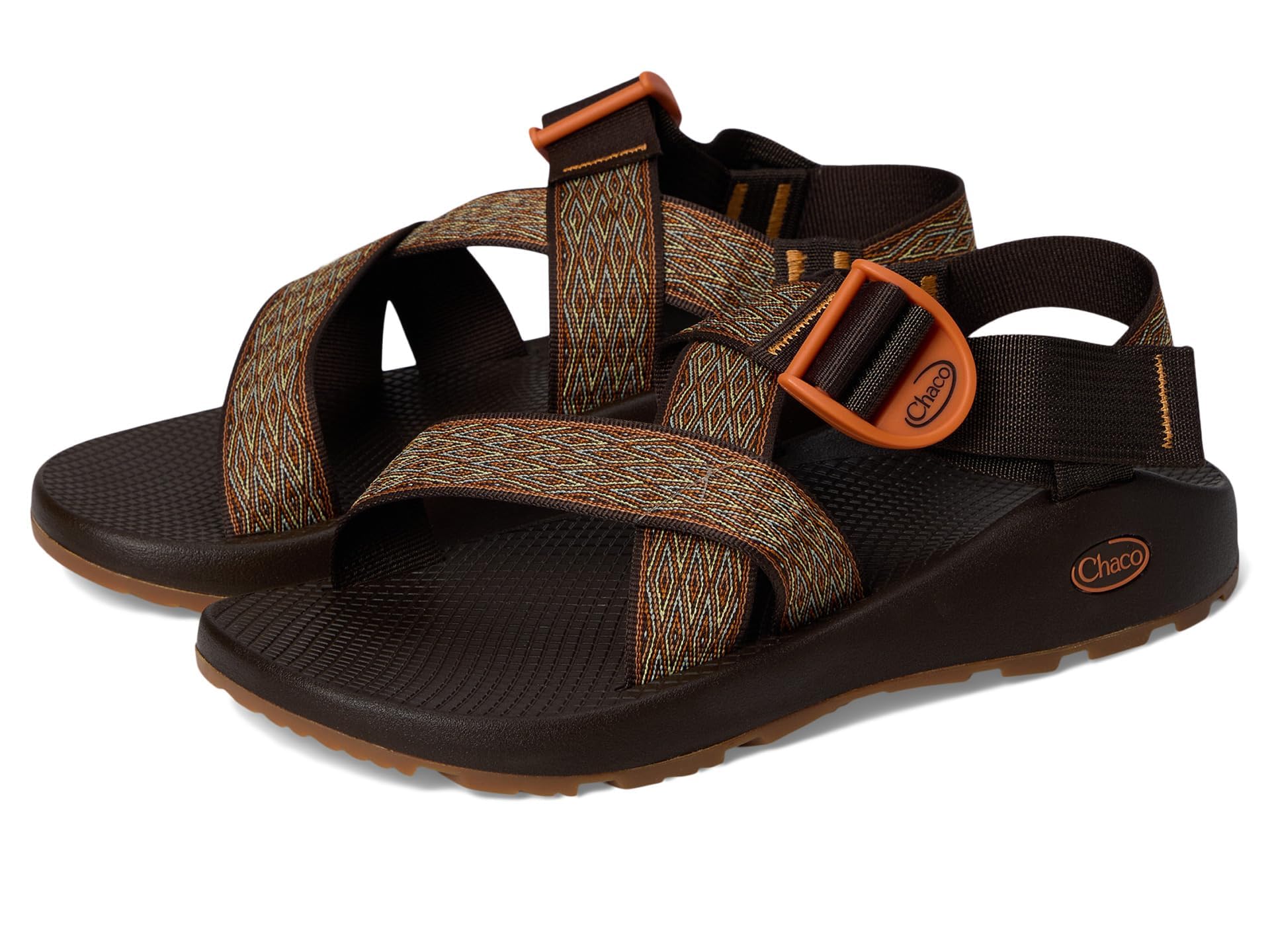


Types of Chaco Sandals Compared
Most styles share the same idea: a firm, contoured footbed with straps that adjust through the midsole for a custom wrap. What changes is strap count, toe control, and upper material, and those changes decide whether a pair feels best on a rocky trail, a boat deck, or a city sidewalk in July.
Adjustable Single Strap Models
The single strap classic is the most versatile style for men, with one continuous strap that adjusts at the ankle, heel, and forefoot as a linked system. It accommodates high insteps and wide feet well, since nothing is fixed at one tight point. Setup is fast, cleaning is simple, and the look stays clean enough for daily wear. The hold is slightly less locked on steep ground than multi strap designs. Most men who want one pair for everything, from trails to travel days, start here at around $90 to $120.
Double Strap and Toe Loop Models
These styles add a second forefoot strap, a toe loop, or both, trading easy adjustment for a more secure hold underfoot. Heavier walkers and men carrying packs often prefer the extra control on descents and side slopes, where a foot sliding inside a sandal quickly causes blisters. Adjustment takes patience at first, and the toe loop needs a gradual break in for most feet. Once dialed in, though, the fit feels planted and precise. Expect around $100 to $130 for these more technical layouts.
Leather and Casual Models
Leather upper styles use the same supportive footbed idea with a dressier strap material, suiting office casual days, travel, and light walking rather than hard trails. Leather stretches and shapes to your foot over the first weeks, which rewards patience with a truly personal fit. It costs more, often around $110 to $140, and needs conditioning and slow drying after rain. Men who want one sandal for summer life, not just hiking, often land here. For dressier comparisons, see our guide to the best leather sandals for men.
Secure Trail Styles vs Casual Styles: Which Should You Choose?
On trails, secure strap layouts win because they stop foot slide, which is the root cause of most sandal blisters and stubbed toes. At camp, in town, and on flat walks, casual and leather styles feel simpler and look sharper with shorts or chinos. Weight differs little between the groups, so terrain and appearance decide more than ounces. If your weeks mix both worlds, the single strap classic is the honest middle path. Buy the technical style only if your hikes are steep or your loads are heavy, since extra straps you never need just slow your morning routine.
Men building a wider summer rotation can also browse our guide to the best looking sandals for men for town focused styles beyond this brand.
How to Choose the Best Chaco Sandals for Men
Break In Period and Comfort Out of the Box
Expect a firm first impression. The shaped footbed asks your feet to adapt, and most men need one to two weeks of shorter wears before all day comfort arrives. Start with walks under an hour, increase gradually, and adjust strap tension as swelling changes through the day. Sharp pain, numb toes, or skin rubbed raw are signals to refit or resize, not to push through. Men with diagnosed foot conditions should check with a clinician before relying on any firm sandal for long distances.
Fit, Sizing, and Toe Box
Try sandals late in the day and judge fit by the footbed outline: heel centered in the cup, toes inside the front edge with a small margin, and no overhang on either side. Whole size ranges mean half size men usually size up, then take up slack with the straps. Wide options exist in several styles and are worth seeking out if your forefoot splays under load. The toe area is open, so width shows up as strap comfort and footbed coverage rather than as a closed toe box measurement.
What Men Should Look For
Check three things first: the largest size offered, since some fashion leaning styles stop early; strap length, because high volume feet use more webbing than product photos suggest; and stated weight limits in feel, meaning how the footbed handles a heavier frame on long days. Bigger men often prefer the firmer footbed here over soft foam, which can bottom out under load. If arch pain is your main concern, compare support notes in our guide to the best orthopedic sandals for men as well.
Water Use and Materials
Webbing styles shrug off rivers, lakes, and boat decks, draining fast and keeping grip on wet rock and ramps. Rinse them after salt water to protect buckles and stitching, and let them dry in shade. Leather styles should skip full immersion, since repeated soaking stiffens and cracks the straps over time. If your summers center on water, buy webbing. If they center on patios and travel days with the odd shower of rain, leather stays in play with basic care.
Upper Materials and Breathability
Polyester webbing is tough, color fast, and quick to dry, but it can feel abrasive at rub points until it softens with wear. Leather feels smooth from early on and breathes well in heat, though it absorbs water and needs more upkeep. All open uppers breathe far better than closed shoes, which is the point of a sandal in summer. Hot spots in the first week usually come from strap tension, not material, so adjust before blaming the webbing.
Setup and Care Tips
- Set strap tension at home before the first outing, following the adjustment order in the included guide, and recheck it after the first mile.
- Rinse sand and grit from the strap channels after beach or river days so the webbing slides freely and wears slowly.
- Air dry pairs away from direct heat, and rotate two pairs on trips so each set of straps dries fully overnight.
- Brush dried mud from outsoles before it hardens, keeping the lugs clear for grip on wet rock and boat ramps.
- Condition leather straps a few times per season, and store leather pairs stuffed lightly to hold their shape.
For the brand full everyday range beyond trail styles, our guide to the best chaco sandals is the natural next read.
FAQs
What makes chaco sandals for men different?
The men range is built on lasts shaped for typically wider, higher volume feet, with longer strap runs and larger size ranges than the women range. Footbed firmness and strap hardware are similar across the brand. The practical difference shows up at fitting: men with wide feet should start with wide options where offered, rather than sizing up in a standard width and hoping the straps forgive the mismatch.
How often should I replace my chaco sandals?
Replace or repair them when the outsole lugs wear smooth, the footbed cracks, or straps fray at the slots, which for regular summer use often means several seasons of service. Many pairs can be resoled or restrapped through brand repair services, which extends life well beyond a typical foam sandal. Track grip, not age: once wet rock starts to feel slippery, the pair has told you its trail life is ending.
Are expensive chaco sandals worth it?
Higher prices buy leather uppers, extra strap control, or newer outsole compounds, not a leap in basic durability. For flat walking and daily wear, the mid price classic covers nearly every need. Pay more when the gain is specific: toe loop control for steep trails, or leather for a cleaner look at work and dinner. Cost per season stays low either way when a pair lasts for years and can be repaired.
How should chaco sandals fit?
Your heel should sit inside the rear cup and your toes inside the front edge, with straps snug enough to stop sliding but loose enough to avoid numbness. A small margin of footbed showing around your foot is correct. If your foot covers the footbed edge to edge, go wider or up a size. Do your fitting late in the day, and walk on carpet at home before removing tags. Daily walkers may also compare options in our guide to the best walking sandals for men.
Do I need waterproof shoes?
No, and these sandals are not waterproof in any case. They are water ready, meaning they drain, grip, and dry fast instead of keeping water out. That suits warm weather trails, fishing, and paddling. For cold rain, flooded winter paths, or work that demands closed footwear, choose boots instead. Owning both and picking by forecast beats forcing one pair to cover every condition of the year.
Can I wear them all day?
Yes, after the break in period most men wear them for full days of travel, fairs, and light hiking. Build up wear time over the first two weeks and keep strap tension even. On very long paved days, the firm footbed can tire feet that are used to soft trainers, so rotate footwear on multi day city trips. Stop and refit at the first hot spot rather than at the blister stage.
Wrapping Up
Choose the strap layout for your terrain, fit by footbed margin rather than by your shoe size habit, and give the firm support two patient weeks. Follow that plan, and the best chaco sandals for men for your feet will outlast several pairs of lesser sandals. Compare sizes and types in the product table above, and put fit ahead of color every time.