
Best Cement Mix for Planters: What Actually Matters Before You Buy for 2026
Disclosure: We may earn a commission when you buy through links on this page, at no extra cost to you. As an Amazon Associate I earn from qualifying purchases. Learn more

Use this buying guide to choose the best cement mix for planters with the right strength, cure time, drainage planning, and value for your project.
A planter fails in predictable ways: it cracks in the first freeze, it stays soggy and stains, or the rim comes out thin and crumbly. Most of those problems start with the bag, which is why the best cement mix for planters is a bag that is already blended for small, smooth castings and states how to use it.
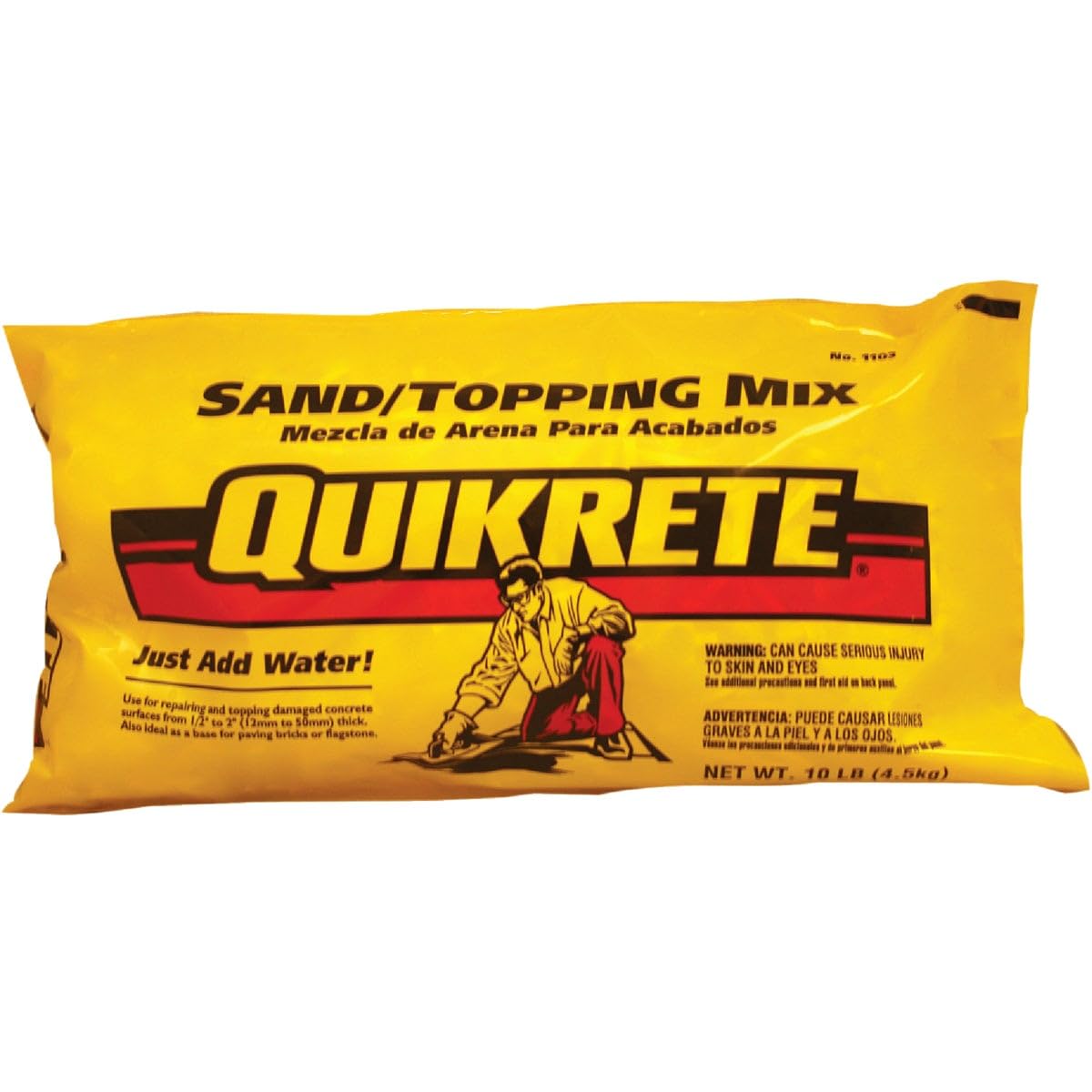
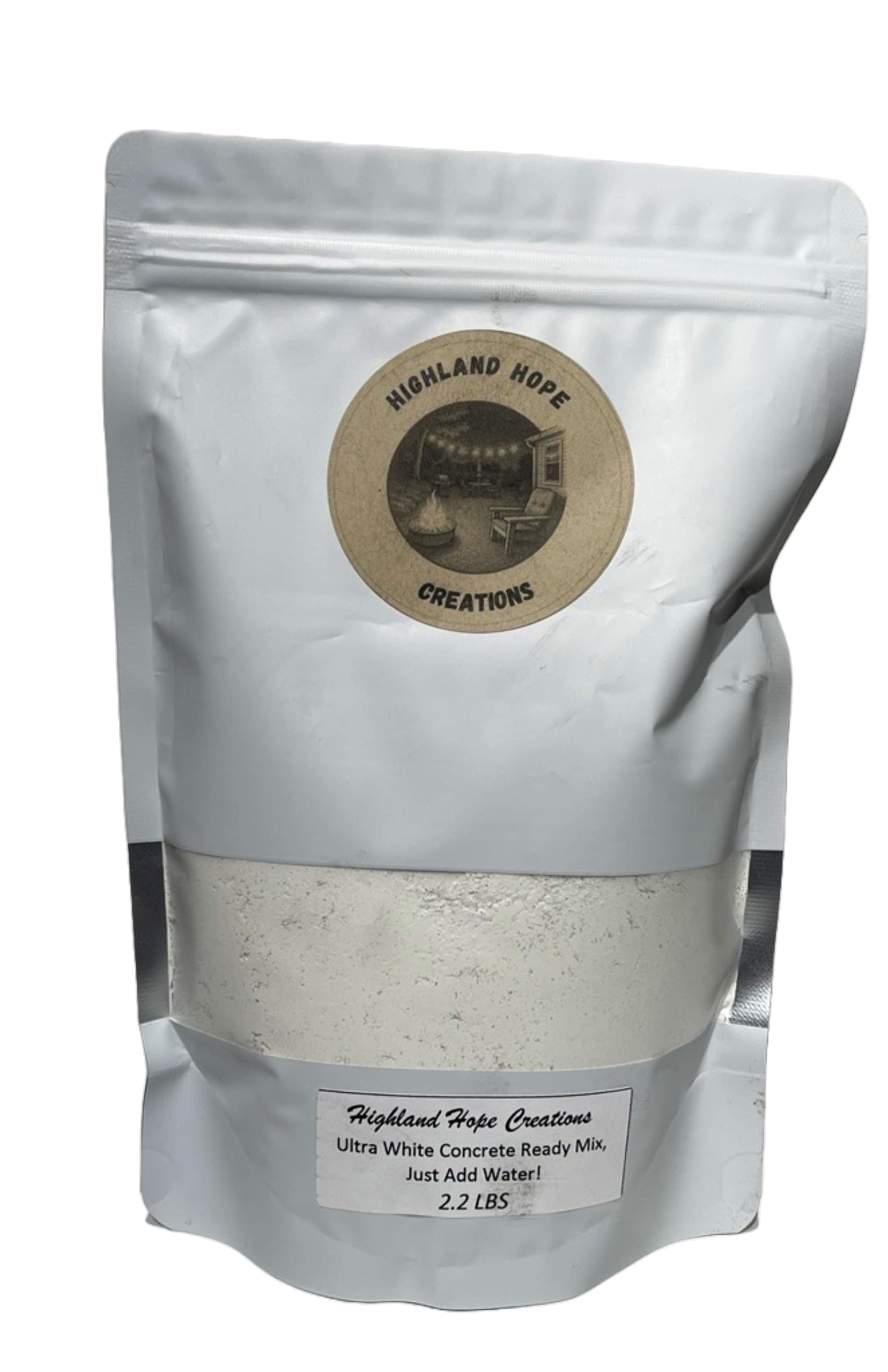
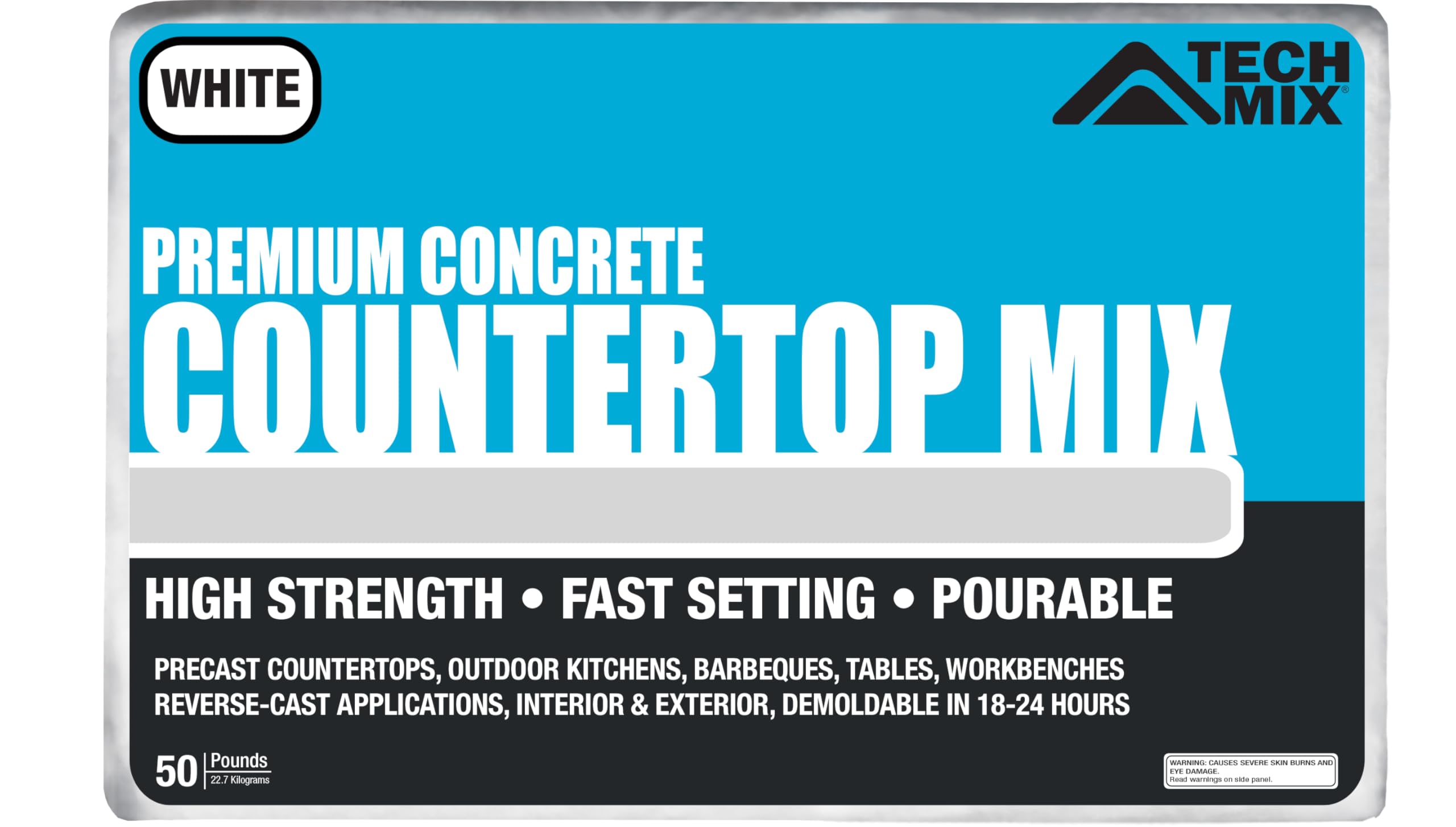
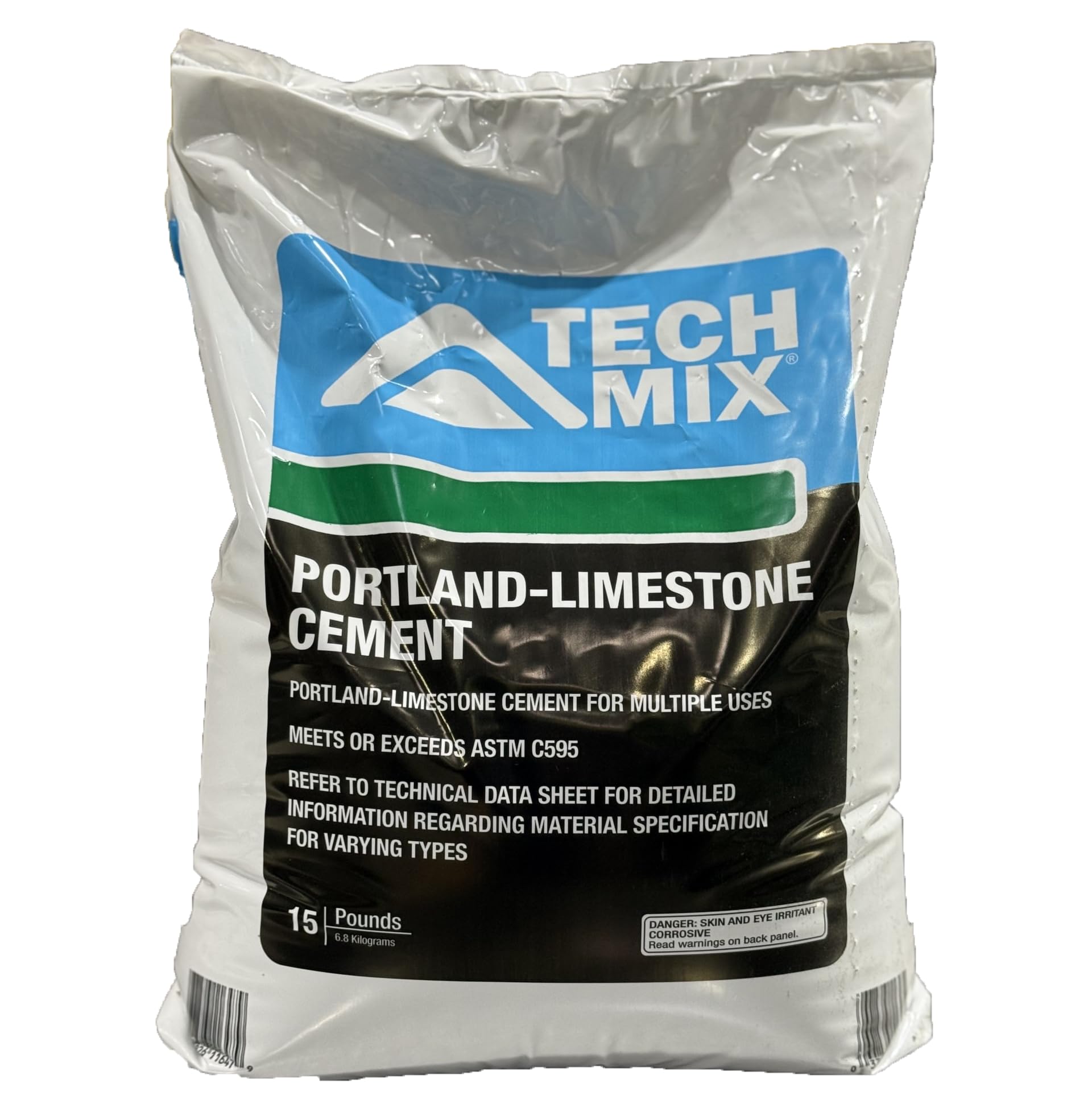
The product table above lists ready-to-pour mixes and cement blends to compare. The sections below explain what a good mix does and how to judge one.




What a Ready Mix Should Do
Pour Cleanly Into a Mold
A planter mix should be fine enough to reach corners and capture mold detail without large voids. Sand mix and stepping stone mix are blended this way. Coarse concrete mix is meant for slabs and footings and often leaves rough, pitted walls on small pots.
Give You Time to Work
Look for a mix with a comfortable open time, so you can pour, tap out bubbles and level the rim. Very rapid mixes suit small pots but leave little room for mistakes on a large mold.
Cure Hard and Resist Weather
A dense cure resists water and frost. Cold climates punish pots that stay saturated, so drainage holes and a winter routine matter as much as the bag itself.
Mix Types at a Glance
Sand mix: cement and fine sand, a smooth finish and easy pouring, a good all-round choice.
Stepping stone or craft mix: small bags designed for casting, simple to measure and mix.
Ready concrete mix: cheapest per pound, best for thick-walled rustic planters.
Fiber-reinforced or polymer-enriched mix: extra crack resistance for thin or large pieces.
Pure Portland or white cement: for makers who blend their own recipe with sand or perlite.
Working Out How Much to Buy
Count the planters, estimate the wall and base volume of each mold, then compare that total with the coverage on the bag. Add a little for spills and trimming. Small bags cost more per pound but waste less on a single pot, while large sacks pay off when you cast a whole set in one session. Opened powder takes in moisture, so reseal it in a lidded bin.
Water, Mixing and Curing
Measure the water for your first batch and write the ratio down, because repeating a proven ratio keeps strength and color consistent. Mix until the batter looks like thick pancake mix, pour in two layers, and tap the mold to bring up air. Keep the cast damp and covered for several days. A fully cured pot should be soaked and rinsed before planting.
Safety
Cement dust and wet mix irritate skin, eyes and lungs, so wear gloves, goggles and a dust mask, and keep children and pets clear. Follow the manufacturer's instructions on the bag. For herbs and vegetables, line or seal the interior of the pot.
Warning Signs in a Mix
Be cautious of lumpy powder, torn bags and products with no stated water ratio or intended use. Treat any claim that a planter needs no drainage with suspicion, since standing water damages both roots and cured cement. If you are comparing base materials, the guide to the best cement for planters gives the wider view.
Looking After Cured Planters
Seal pots that will hold damp soil all season, water plants in the morning and check the drainage holes each spring. Before winter, empty small pots and store them dry under cover.
Adding Color and Texture
Concrete pigment mixes into the dry powder before water goes in, and the color is the same through the whole wall, so chips do not show a gray core. White cement gives the brightest results, while gray mixes give softer, earthier tones. Weigh the pigment for the first batch and write the amount down, because the same dose keeps a matching set consistent. For texture, a light wipe with a damp sponge after demolding gives a soft, sandy face, and a stiff brush gives more grip and character.
Common Problems and Quick Fixes
Surface pinholes: tap the mold longer next time, and fill existing holes with a thin slurry of the same mix.
Cracks at the rim: usually thin walls or early demolding. Keep walls thicker and wait for the stated handling time.
Powdery surface: too much water in the batter. Measure the water and aim for a thick, pourable consistency.
Dark and light patches: uneven curing. Cover the cast evenly and keep it out of direct sun for the first days.
White crust on the outside: harmless mineral bloom that brushes off and slows over time.
Storing Opened Bags
Cement powder takes in moisture from the air, and once it does the strength drops no matter how carefully you mix it. Fold the bag closed, seal it inside a lidded bin and keep the bin off the floor in a dry spot. Write the opening date on the lid and use the oldest powder first, ideally on small practice casts. If the bag has formed hard lumps that do not crumble in your fingers, retire it from planter work.
Keep mixing tools and buckets clean as well. Rinse them within the hour, because cured residue is hard to remove and flakes into the next batch.
Frequently Asked Questions
Is sand mix or concrete mix better for planters?
Sand mix gives a smoother face and fills thin walls, while concrete mix suits thick, large planters. See the best concrete mix for planters for the coarser option.
How long does a cement planter last?
Many last a decade or more outdoors with full curing, working drainage and sensible winter care.
Can I add color to the mix?
Yes. Concrete pigment mixes in with the dry powder, and white cement shows color most clearly. Keep the dose the same across batches for matching pots.
Do I need a release agent?
Yes. A light coat of mold release oil lets the cast slide out without tearing the surface.
What goes in the pot after casting?
A light potting mix that drains freely. The best soil mix for planters covers that half of the job.
Final Thoughts
Choose a fine mix with a workable open time, buy only what the molds need and let each cast cure slowly. Compare bags in the table above, then pair the finished pot with the best plants for cement planters. The best cement mix for planters is the one that pours cleanly, sets hard and suits your molds.


