
Best Cement for Planters: Our 2026 Checklist and Buying Guide
Disclosure: We may earn a commission when you buy through links on this page, at no extra cost to you. As an Amazon Associate I earn from qualifying purchases. Learn more

Use this checklist to choose the best cement for planters, covering strength, curing, drainage, safety, finish, and value for indoor and outdoor pots.
Most cracked planters trace back to the bag, not the mold: walls cast too thin for coarse gravel, a mix thinned with extra water, or a pot planted before it finished curing. Choosing the best cement for planters is mostly about matching the bag to the wall thickness you plan, the size of the pot and the climate it will sit in.
The product table above gathers cement and casting mixes that suit DIY planters. Read the checks below first, because each one rules out some options before price comes into it.


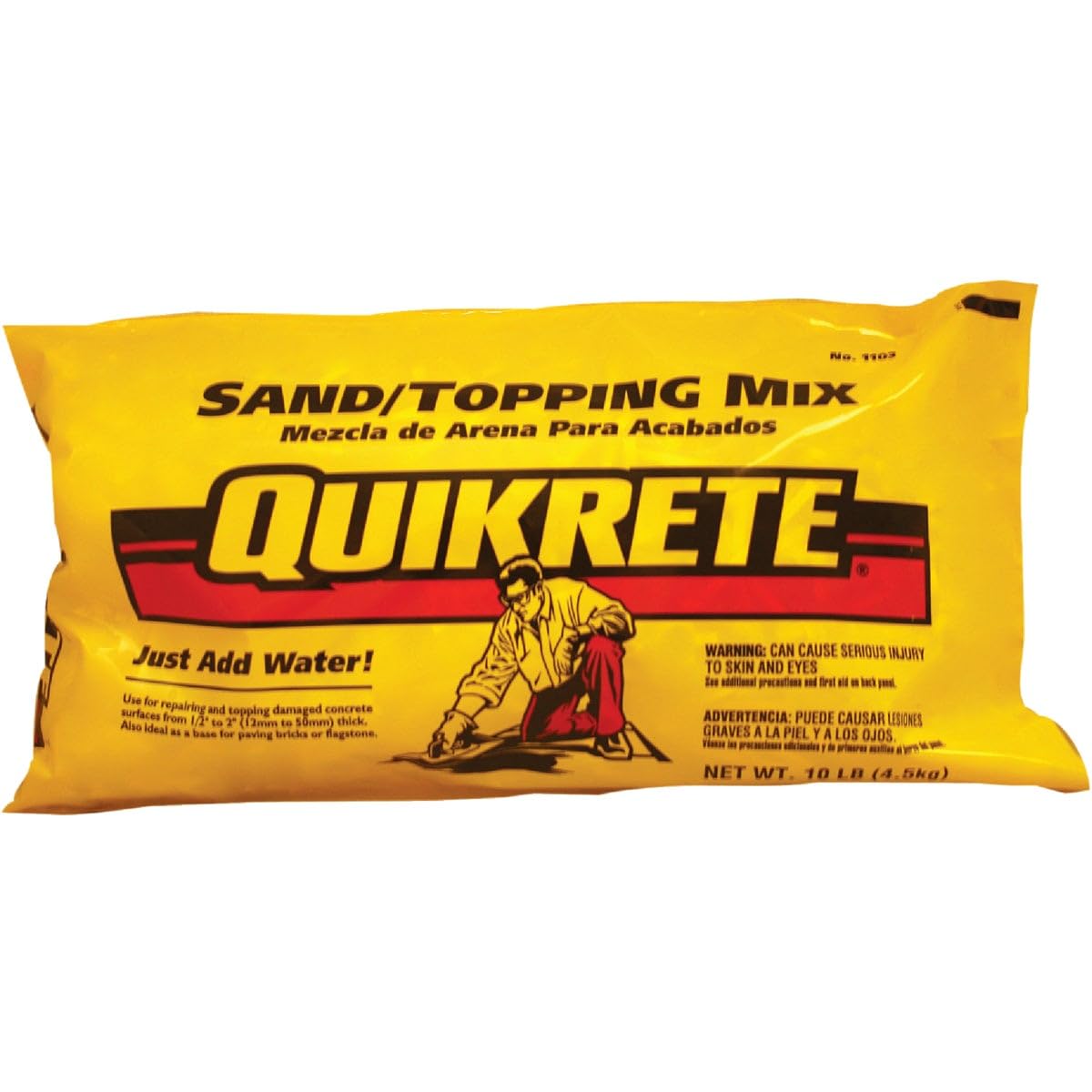
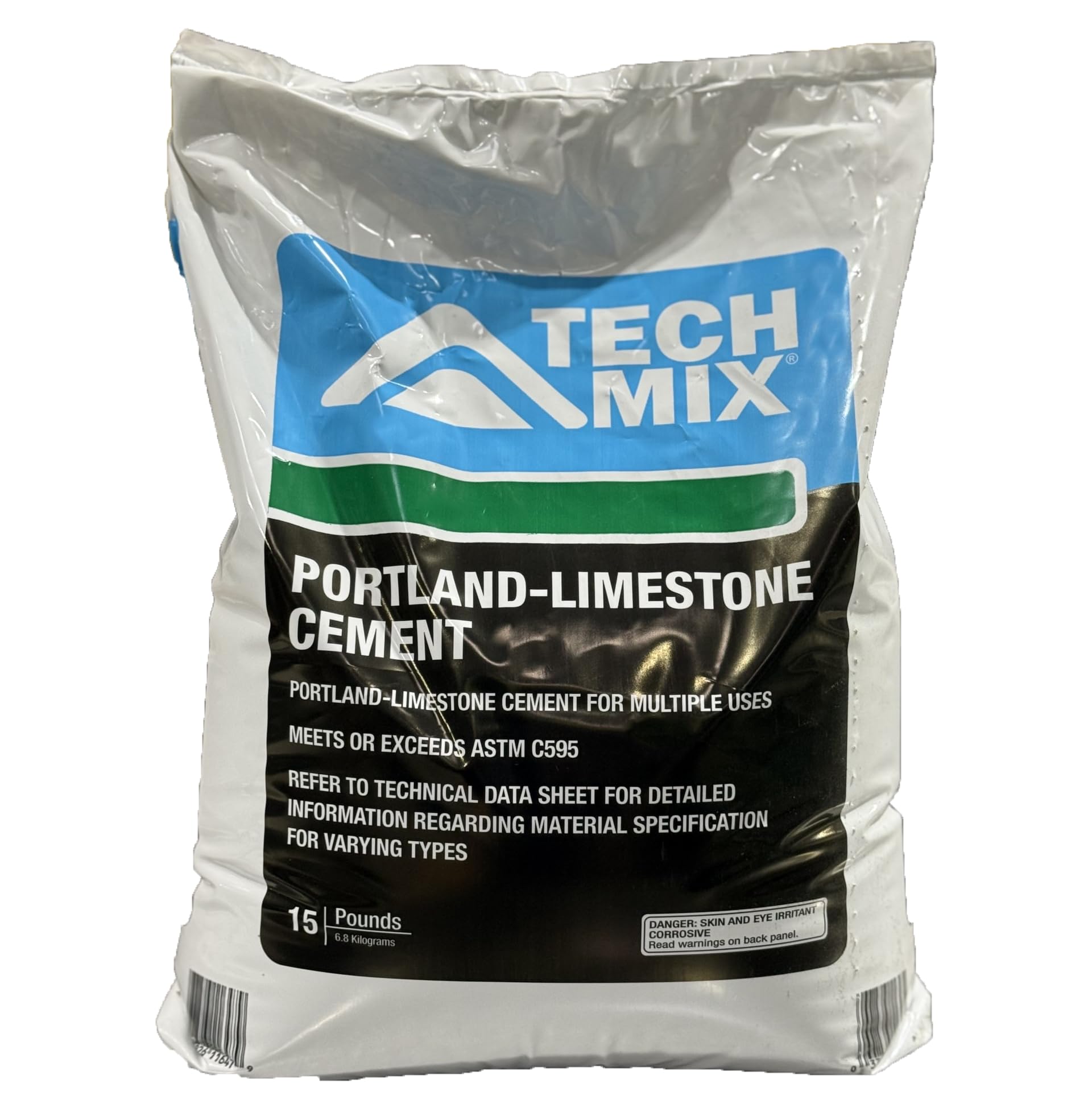
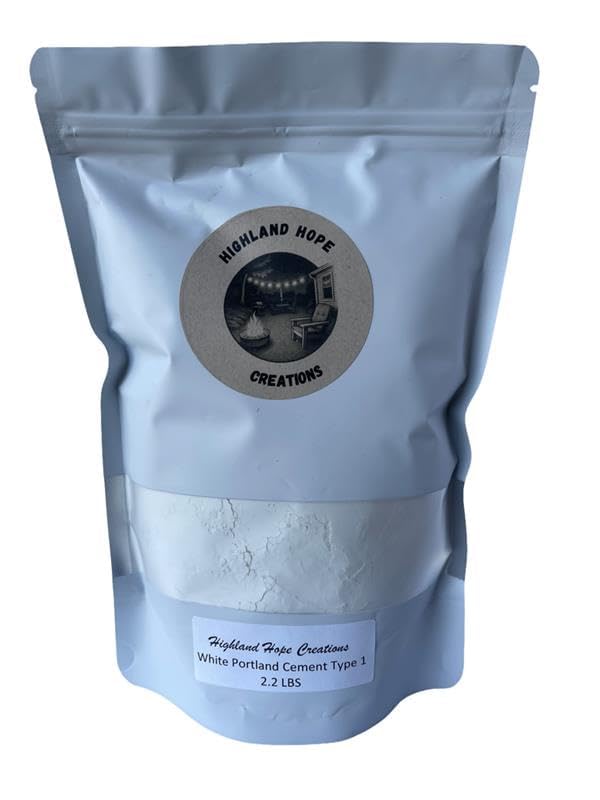


Checks to Make Before You Buy
Aggregate Size Against Wall Thickness
The largest stone or grain in the mix should be much smaller than your thinnest wall. A fine sand mix or craft blend handles walls under an inch, while standard concrete with small gravel needs thicker walls to fill properly. If the bag does not describe the aggregate, treat it as a question mark.
Working Time and Setting Speed
A comfortable working window lets you fill the mold, tap out bubbles and smooth the rim. Rapid-setting cements suit small pots and experienced hands, but they punish beginners on anything larger than a mug.
Strength and Reinforcement
Large outdoor pots hold heavy wet soil and face frost, so fiber-reinforced or polymer-enriched blends give a useful margin. Small indoor pots rarely need it.
Color and Finish
Gray cement gives the classic concrete look, and white Portland cement gives a lighter base that accepts pigment. A fine mix leaves a smoother face straight from the mold.
Safe Handling and Plants
Fresh cement burns skin and eyes, so wear gloves, goggles and a dust mask, and keep pets and children away while you work. Cured, soaked and rinsed pots are commonly used for ornamentals. For herbs and vegetables, line or seal the inside, and follow the manufacturer's instructions.
Match the Bag to the Project
A single herb pot calls for a small bag of fine craft mix. A row of patio planters is cheaper with a larger sack of sand mix, as long as the walls stay thick enough for it. Statement pieces with sharp corners or thin geometry reward a premium blend. If you cast several pots, buy enough from one batch so the color matches across the set.
Warning Signs in a Bag
Hard lumps in the powder, torn packaging or water stains, which point to moisture damage.
No stated mix ratio, working time or intended use.
Fast-setting products aimed at fence posts, which leave little time to pour a thin wall.
Reviews that praise the bag but never mention cracking or curing.
Making a Planter Last
Cure slowly under cover, keep drainage holes clear and empty large outdoor pots in freezing weather, because wet soil expands as it freezes and can split even strong walls. Refresh the potting mix every season and rinse away fertilizer salts that stain the surface. Thirsty plants in fast-draining cement need frequent watering, so the guide to the best plants for cement planters helps you choose species that cope with it.
Related Guides to Compare
Makers who use these terms loosely may also want the best cement to make planters, best cement mix for planters and best cement for making planters guides, which each look at the same job from a different angle.
Pot Size, Weight and Placement
Think about where the pot will live before you cast it. A large planter filled with wet soil is very heavy, so the spot should be level and strong enough to carry it for years. Raise outdoor pots slightly on feet or pot risers so water drains freely and the base does not sit in ice. Indoor pots need a saucer or tray so the cement does not stain furniture, and lightweight mixes are the better choice for shelves and window sills.
Drainage matters in every case. Cast the hole into the base with a greased dowel, or drill it carefully after the cast has fully cured. A hole about the width of a finger suits small pots, and larger planters need wider openings or several holes.
Cost Per Planter
Bag price alone is misleading. Compare what each bag yields, then divide by the number of planters you plan to make. A small craft bag may cost more per pound but produces exactly the pot you need with nothing wasted. A large sack of standard mix is cheaper per pot when you cast several in one session, provided you use it before the powder takes in moisture. Add the cost of mold release, gloves, a mixing tub and sealer when you are starting from scratch.
Curing and First Planting
Keep the cast damp and covered for the first days so it cures slowly, since drying too fast causes hairline cracks. When it has hardened fully, soak it in clean water for a few days and rinse it, because new cement raises the alkalinity of the soil next to the walls. Use a light, free-draining potting mix and water slowly, as cement pots dry out faster than plastic ones.
Frequently Asked Questions
What matters most in cement for planters?
Fine aggregate, a workable setting time and enough cured strength for your pot size. Finish and color come second.
How much cement do I need?
Work out the volume between the outer and inner molds and add a little for spills. Medium pots take several pounds of dry mix, and large floor planters take far more.
Is a low-alkali or eco mix worth the price?
It can be if the pot will hold edible plants and you want a plain ingredient list. For decorative pots, a standard mix that is fully cured and rinsed works just as well.
Can I paint or seal a cement planter?
Yes, once it has cured. A masonry sealer reduces moisture loss and staining, and the inside can be sealed for food plants.
Why did my planter crack?
The usual causes are thin walls with coarse aggregate, too much water in the mix, moving the pot before it cured and water freezing inside it.
Wrapping Up
Check aggregate against wall thickness, allow time to cure and handle the powder safely. Use the table above to compare bags, and the best cement for planters will be the one that suits your molds and your climate.


