
Best Ceramic Pie Dishes (2026): Buying Guide
Disclosure: We may earn a commission when you buy through links on this page, at no extra cost to you. As an Amazon Associate I earn from qualifying purchases. Learn more

Choose the best ceramic pie dish for fruit pies, quiche and pot pies: compare size, depth, glaze, oven limits and care so crusts bake evenly.
A good pie dish earns its cupboard space on ordinary weeknights as well as on holidays. You want a crust that bakes evenly, a rim your hands can grip with oven mitts on, and a dish that moves from oven to table without looking out of place. Choosing the best ceramic pie dish comes down to size, depth, glaze, and how your household actually bakes, not to chasing the most features.
This guide walks through the sizes and styles that fit real kitchens, the finish and temperature details that affect browning, and the care habits that keep ceramic sound for years. The product table lists current dishes, and our broader guide to the best pie dish covers the other materials if you are still deciding between them.




Quick Answer: Three Ceramic Styles in 30 Seconds
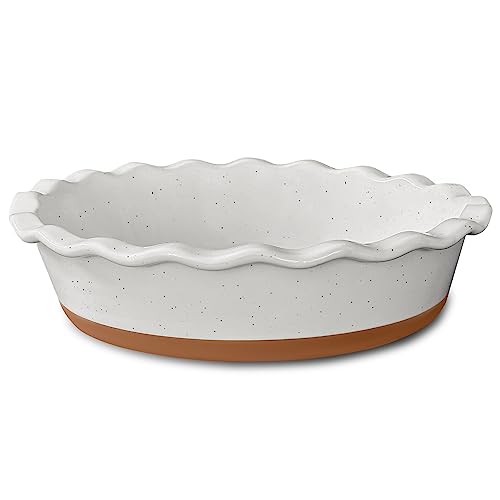
Most homes do best with a standard 9 inch stoneware dish with a glazed interior and a fluted rim. It holds a typical double crust fruit pie and fits standard recipes without adjustment. For custard pies and quiches, a slightly shallower dish gives cleaner slices.
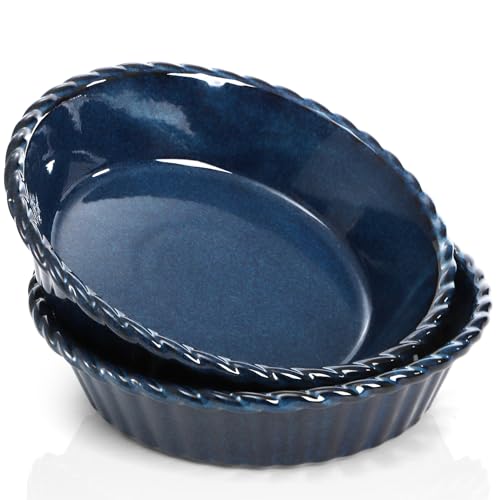
If you bake deep fruit pies, pot pies, or holiday pies for a crowd, choose a deep dish style with higher walls and more capacity. It prevents overflow and supports tall fillings. Small households may prefer a modest glazed dish at a lower price, since it covers weekly baking without paying for extra capacity you will rarely use.
Before You Buy: A Quick Checklist for Choosing a Pie Dish
Size: Match It to Your Space
Most published pie recipes assume a 9 inch dish, so that size is the safest starting point for most bakers. A 9.5 inch or 10 inch dish holds a bit more filling and suits bakers who like generous fruit pies, though very large dishes can leave a standard crust short at the edges. Deep dish versions add height rather than width, which helps with juicy fillings that bubble as they bake. Mini dishes suit single servings and small households. Check our guide on what size pie dish do i need if your recipe calls for a volume rather than a diameter.
Which Type Fits Your Routine
Ceramic and stoneware dishes heat gradually and hold warmth well, so fillings stay warm at the table and crusts bake at a steady pace. Glass heats in a similar way and lets you watch the bottom crust change color, which some bakers prefer for blind baking. Metal pans heat and cool quickly, which can help set a crust fast, but they rarely look right for serving. Within ceramic itself, dense stoneware is the durable everyday choice, while thinner earthenware styles feel lighter yet chip more readily.
Features Worth It (and Ones to Skip)
A fluted rim is worth having because it gives your crimped edge support and makes a simple crust look finished. Wide rim handles or a generous lip also matter, since a full pie is heavy and awkward to lift with mitts. A lid helps for short fridge storage, and a carrier makes sense only if you regularly take pies to gatherings. You can skip crust shields sold as separate extras at first, because a strip of foil does the same job while you learn how your oven browns.
Light vs Dark Finish and Browning
The color of the glaze changes how your crust browns. Dark glazes absorb more heat and can deepen color on the bottom and edges, which suits bakers who often get pale crusts. Light and cream colored glazes brown more gently and give you a wider margin before edges turn too dark. If your pies usually brown fast on top, a lighter finish is the safer match.
Oven Safe Temperature
Check the stated temperature limit before you buy, and match it to how you bake. Most everyday pies bake between 350 and 425 degrees Fahrenheit, and quality stoneware is rated well above that range. The rating matters more if you bake pot pies at high heat or finish a pie under the broiler, which many ceramic dishes are not rated for at all. Also check the guidance on thermal shock, since a cold dish moved into a hot oven can crack.
Glazed Interior vs Unglazed Surfaces
Most ceramic pie dishes have a glazed interior, and that smooth surface is what you want for fruit and custard fillings. A good glaze resists staining from berries, releases slices cleanly, and wipes clean without scrubbing. Unglazed surfaces appear on some rustic styles and can absorb moisture and odors over time, which makes them harder to keep fresh smelling. Inspect any glaze for bubbles, thin spots, or rough patches before first use, since an even glaze usually predicts easier cleaning.
Realistic Budget Ranges
Expect to pay about $15 or less for a simple glazed dish that covers basic baking, though walls may be thinner and glazes less even at that level. The middle range, about $15 to $30, is where most households find the best balance of weight, finish, and size choice. Above about $30 and up to about $50, you pay for denser stoneware, deeper capacity, and finer finishing. Spend toward the top only if you bake often.
Three Ceramic Styles Worth Your Money
Standard 9 Inch Stoneware for Most Homes
A standard 9 inch stoneware dish with a glazed interior and fluted rim covers the widest range of baking with the fewest compromises. It follows standard recipes exactly, so your apple, pumpkin, and berry pies need no volume adjustments. The moderate depth supports a double crust without inviting overflow. For most kitchens, this style is the one dish to own if you own only one.
Simple Glazed Dishes Under About $15
A plain glazed ceramic dish at a budget price suits new bakers, small households, and anyone who bakes a few pies a year. You still get the gentle, even heating that makes ceramic appealing, plus an interior that cleans easily after fruit fillings. The trade offs are thinner walls, fewer size options, and glazes that may show wear sooner with heavy use. None of that prevents good results on standard recipes.
Deep Dish Stoneware for Tall Fillings
Deep dish stoneware is the upgrade style for bakers who love tall fruit pies, chicken pot pies, and quiches with generous filling. Higher walls contain bubbling juices, support more filling per slice, and give custards room to set without spilling. Dense walls and a well finished glaze also tend to hold up better through years of regular use. Choose this style when your baking habits call for extra capacity, and allow longer baking times for very full pies.
How to Judge a Ceramic Pie Dish
Compare ceramic pie dishes on heat distribution, food release, resistance to chipping, material safety, and cleaning effort. Maker specifications, stated temperature limits, and patterns in verified buyer feedback about cracking, staining, and glaze wear are the best evidence. When you weigh the best ceramic pie dish for your home, set those factors against household size and baking frequency, and favor clear documentation over marketing claims.
Strengths and Limits of Ceramic vs Other Pie Dishes
Ceramic shines for bakers who serve at the table, since it holds heat and looks finished without a transfer to a serving plate. It also bakes fillings gently, which helps custards set smoothly. The honest trade offs are weight and fragility. A full ceramic dish is heavy, it can chip if it strikes a counter edge, and it needs a gradual warm up rather than sudden heat changes. Our comparison of glass vs ceramic pie dish explains where glass pulls ahead, mainly in watching the bottom crust and in lower prices. If you want the fastest crust setting and the lightest handling, metal pans cover that route instead.
Common Buying Mistakes to Avoid
- Buying a 10 inch or deep dish size for standard recipes, so crusts come up short and fillings spread too thin.
- Ignoring the stated temperature limit, then using the dish under a broiler it was never rated to handle.
- Choosing by glaze color alone and overlooking wall thickness, rim grip, and interior finish.
- Paying for lids, carriers, and extra accessories you will rarely use while skimping on the dish itself.
- Skipping the storage check, so a wide rimmed dish does not fit your cupboard or oven at all.
Cost of Ownership and Care
A ceramic pie dish has almost no ongoing cost beyond careful handling. There are no coatings to renew and no parts to replace, so your spending ends at purchase unless the dish chips or cracks. Hand washing is the gentlest routine, though many glazed dishes tolerate a dishwasher if they sit securely without knocking against other items. Let a hot dish cool on a dry cloth or wooden board rather than a cold or wet counter, since sudden cooling stresses the material. Store it with a cloth layer between stacked dishes, and retire a dish with a crack through the wall, since the piece may fail under heat.
Everyday prep habits protect both dish and crust. Our guide on how to grease a pie dish explains when a light coating helps release and when a glazed surface needs none at all. For fruit pies in particular, placing the dish on a rimmed baking sheet catches drips before they bake onto your oven floor.
FAQ
How do you clean a ceramic pie dish after baked on fruit filling?
Let the dish cool fully, then soak it in warm water with a small amount of dish soap for about 20 to 30 minutes. Most softened filling lifts away with a soft sponge. For stubborn spots, a paste of baking soda and water adds gentle scrubbing power without scratching the glaze. Avoid steel wool and harsh scouring pads, since fine scratches give future stains more places to settle.
Is a ceramic pie dish worth it if you already own a glass dish?
It can be, if you serve pies at the table often or want a deeper or more decorative option for holidays. A guide to the best glass pie dish shows how well glass handles everyday baking, so ceramic is an addition rather than a replacement. Buy ceramic when its heat retention and presentation solve a real gap in your routine, not simply to own another material.
How long does a ceramic pie dish last?
A well made stoneware dish can last for many years of regular baking, often well beyond a decade. Lifespan depends mostly on handling, since chips usually start with knocks against faucets, counters, or other dishes. Replace the dish when a crack runs through the wall or a chip on the rim can cut or catch food.
What size ceramic pie dish works best for apple pie?
A standard 9 inch dish suits most apple recipes, while a deep dish version helps when your filling mounds high with several pounds of fruit. Bakers who bake apple pie often will find more detail in our guide to the best pie dish for apple pie, including how depth changes baking time. Whichever size you choose, leave a little headroom so bubbling juices stay in the dish.
Can a ceramic pie dish go straight from the freezer to the oven?
Only if the maker rates that specific dish for it. Many ceramic dishes need a gradual warm up, so a safer routine is to let a frozen pie rest on the counter while the oven preheats, softening the temperature jump. Check the base stamp and product guidance for your dish, since ratings vary widely between styles. When in doubt, thaw first rather than risk losing both the dish and the pie.
Final Thoughts
For most households, a standard 9 inch glazed stoneware dish covers weekly baking and holiday pies with the least fuss, while deep dish stoneware earns its place when tall fillings are your norm. Match the size to your recipes, respect the temperature limits, and handle the dish with a little care, and ceramic will repay you with steady bakes and handsome serving for years. Look back at the product table above, then choose the best ceramic pie dish for the way your home actually bakes.


