
Best Ceramic Nonstick Cookware Sets (2026): Buying Guide
Disclosure: We may earn a commission when you buy through links on this page, at no extra cost to you. As an Amazon Associate I earn from qualifying purchases. Learn more

Pick the best ceramic nonstick cookware set for your kitchen: compare family, starter and upgrade styles by stove type, oven limits, coating care and budget.
Picture a weekday evening in a small kitchen. Dinner is eggs and vegetables for two, the sink is half full, and the one cabinet under the stove holds every pan you own. In a home like that, a cookware set earns its place by fitting the space, feeding the household, and washing up without a fight. That is what the best ceramic nonstick cookware set should do for you.
This guide helps you choose by cabinet space, household size, stove type, and budget rather than by piece count alone. The product table lists current sets, and the sections below walk through sizing, coating safety, compatibility, and ownership cost.


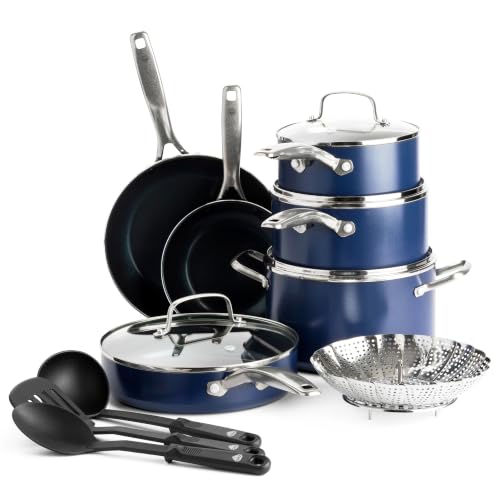

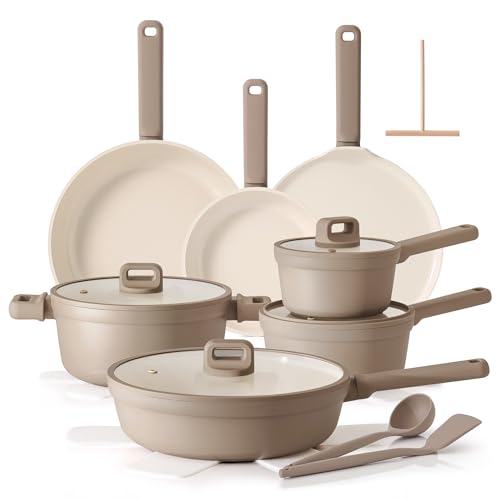

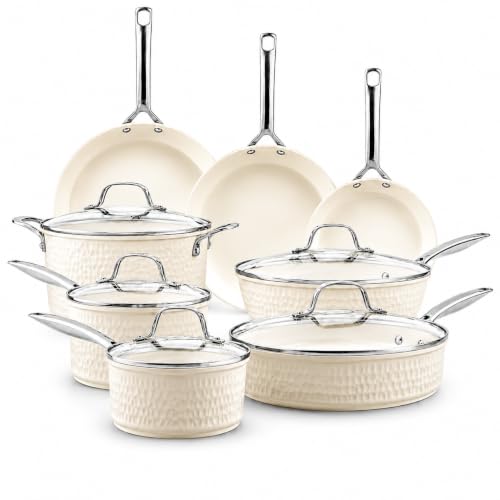

Quick Answer: How the Main Set Styles Compare
Ceramic nonstick sets fall into three broad styles, and the right one depends mostly on how many people you cook for and how much storage you have. Compact starter sets suit one or two people in tight kitchens. Family sets add a stockpot and a deep saute pan for batch cooking. Larger sets with heavier bases suit cooks who use several burners at once.
- Compact starter style: about 5 to 7 pieces, one skillet, one saucepan, and one small pot, best for small cabinets and simple meals.
- Family style: about 10 to 12 pieces with a stockpot and a deep saute pan, best for households of three to five.
- Large household style: 12 pieces or more with duplicate skillets in two sizes, best when two cooks share the stove.
Before You Buy: A Quick Checklist for Choosing a Cookware Set
A ceramic coating is only one part of the decision. Base metal, piece mix, lid style, and handle design matter just as much, so work through each point below before you compare prices.
Size: Match It to Your Space
Count pieces the way makers do, and remember that lids often count as pieces, so a 12 piece set may hold only seven vessels. A 3 piece or 5 piece set covers eggs, sauces, and reheating for one person. A 7 piece or 10 piece set adds a Dutch oven style pot for soups and pasta. Large sets suit families who cook rice, sauce, and a main dish at once. Measure your deepest cabinet before ordering, because stockpots and stacked skillets need more height than most people expect.
Which Type Fits Your Routine
Ceramic nonstick is one member of a wider family, and it helps to know the neighbors before you settle on a coated set. A stainless steel cookware set browns meat deeply and tolerates high heat, but food sticks more. A traditional nonstick cookware set usually uses a PTFE coating with a longer track record for durability. A ceramic cookware set may mean solid ceramic vessels rather than coated metal, which are heavier and slower to heat.
Features Worth It, and Ones to Skip
Detachable handles are worth paying for in a small kitchen, since pans nest closely and can move from stove to oven without a long handle in the way. Glass lids help you watch rice and sauces without lifting the lid and losing steam. A storage rack or stackable design protects the coating in a crowded drawer. Skip duplicate tiny saucepans, novelty utensils bundled to inflate the piece count, and specialty pans unless you cook that dish weekly. One good skillet in each of two sizes beats three mediocre ones.
Is Ceramic Nonstick Non Toxic?
Ceramic nonstick coatings are made from a silica based sol gel layer, and they are made without PTFE and without PFAS, which is the main reason many buyers choose them. That said, no coating is a health guarantee, and the base and handle materials matter too. Look for clear maker statements about lead and cadmium, and read our explainer on is ceramic cookware safe before you buy. Stainless steel and cast iron remain the simplest options for anyone who wants bare metal cooking surfaces.
Induction, Gas, and Glass Top Compatibility
Check the base before anything else. Induction burners need a magnetic base, so look for an induction ready symbol or a steel plate bonded into the bottom. Plain aluminum bases work on gas and electric coils but stay silent on induction. Gas flames suit most ceramic sets, though flames licking up the sides can discolor the coating over time. On a glass top stove, choose flat, smooth bases and lift pans instead of sliding them, because grit trapped under a pan can scratch the glass.
Oven Safe Temperature and Handles
Makers rate ceramic sets by the lowest rated part, which is often the handle or the glass lid rather than the pan body. Many sets are rated to about 450°F, while versions with plastic or silicone wrapped handles may stop near 350°F. If you finish frittatas under the broiler, confirm the rating covers broiler use, since some coatings exclude it. Metal handles get hot on the stove, so keep a towel or mitt within reach whenever you cook.
Realistic Budget Ranges
Price mostly follows base metal, piece count, and lid quality. Use these ranges as planning guides, since sale prices move often.
- Under $100: small starter sets with thin bases, fine for light daily cooking and first apartments.
- About $100 to $200: the family sweet spot, with thicker bases, better lids, and a fuller piece mix.
- About $200 to $300: heavier forged bases, detachable handles, and higher oven ratings appear here.
- About $300 to $500: premium sets with induction ready bases and longer coating warranties.
- About $500 to $1000: large collections and specialty pieces, worth it only if you will use most of the set weekly.
Three Set Styles Worth Your Money
Instead of chasing a single winner, match one of these three styles to your home. Each reflects a different balance of size, upkeep, and cost.
The Balanced Family Set for Most Homes
A 10 piece or 12 piece family set with two skillets, two saucepans, a stockpot, and a deep saute pan covers weekday dinners and weekend batch cooking. Look for a forged aluminum base thick enough to resist warping, glass lids, and an oven rating near 450°F. This style suits households of three to five who cook most nights. Its main trade off is storage, since the stockpot alone can claim a full cabinet shelf.
The Compact Starter Set for Small Kitchens
A 5 piece or 7 piece starter set, often under $100, gives singles, couples, and apartment cooks the core pieces without filler. One skillet, one saucepan with a lid, and one small stockpot handle most weeknight meals. Detachable handle versions stack into a single drawer, a real advantage in a studio kitchen. The trade off is range, because you will need a larger pot the first time you host friends for pasta night.
The Heavy Base Upgrade Set for Long Term Use
Upgrade sets spend your money on the parts that age slowest: a thick induction ready base, sturdy metal handles, and tempered glass lids with steel rims. The coating will still wear first, but a flat, warp resistant base keeps heat even for years and works on any stove you may own next. This style suits cooks planning to stay in one kitchen for a long stretch. Expect to pay about $200 to $400, and hand wash to protect your investment.
How to Evaluate Ceramic Nonstick Sets
Weigh heat distribution first, since a thick, flat base prevents hot spots that scorch sauces and eggs. Next come durability signals such as base construction and warranty terms, then material safety statements from the maker. Check stovetop and oven compatibility piece by piece, because one low rated lid can limit the whole set. Finally weigh cleaning effort and storage footprint, using maker specifications and patterns in verified buyer feedback.
Strengths and Limits of Ceramic Nonstick
Ceramic nonstick releases eggs, fish, and pancakes with very little fat, and cleanup is usually a soft sponge and warm soapy water. The slick surface feels forgiving for new cooks, and the coatings come in colors that suit open shelving. Compared with stainless steel, though, ceramic gives a weaker sear on meat, and compared with cast iron it cannot move from stove to high heat broiler as freely. For a fuller side by side view, read ceramic vs stainless steel cookware before you commit.
The honest downside is lifespan. Most ceramic coatings lose release gradually after a year or two of daily use, even with gentle care, while a stainless or cast iron pan can serve for decades. Buy ceramic for easy mornings and fast cleanup now, and budget for replacement later, instead of expecting one set to be your last.
Common Buying Mistakes to Avoid
- Buying by piece count alone: lids and utensils inflate the number, so you may pay for pieces you never cook in.
- Ignoring your stove type: a set without a magnetic base will not work at all on an induction cooktop.
- Choosing size by habit, not space: an oversized stockpot that cannot fit your cabinet ends up stored on the stove.
- Forgetting replacement cost: treating a coating with a limited lifespan as a one time purchase skews your budget.
- Paying for features you will skip: racks, specialty pans, and bundled tools add cost without adding meals.
Cost of Ownership and Care
The purchase price is only part of what a ceramic set costs you. Plan on replacing the most used skillet first, since it sees the most heat cycles, and set aside a modest yearly amount if you cook daily. Protect the coating by cooking on low to medium heat, preheating briefly, and using wood or silicone tools. Wash by hand with a soft sponge, skip cooking sprays that leave residue, and store pans with cloth layers between them. Let pans cool before washing so the base stays flat.
FAQ
What pieces should a ceramic nonstick cookware set have?
A useful core set has an 8 inch and a 10 inch or 12 inch skillet, a small and a medium saucepan with lids, and a stockpot or Dutch oven style pot. Add a deep saute pan if you cook one pan meals often. That mix covers eggs, grains, sauces, and soups without duplicates. Extra pieces only help if they match meals already in your weekly rotation.
Are ceramic nonstick cookware sets worth it?
They are worth it if easy release and fast cleanup matter more to you than a decades long lifespan. Households that cook eggs, fish, and sticky sauces several times a week get daily value from the coating. If you mostly sear meat at high heat, stainless steel or cast iron returns more over time. Many homes pair ceramic for breakfast foods with a bare metal pan for searing.
Is ceramic cookware safe to use every day?
Ceramic coated cookware is generally considered safe for daily cooking, and the coatings are made without PTFE and PFAS. Safety depends on condition as much as material, so retire a pan once the coating is deeply scratched or flaking, and avoid overheating an empty pan. The safety guide linked earlier in this article covers materials and safety questions in full.
Can ceramic nonstick pans go in the dishwasher?
Many makers label their sets dishwasher safe, but detergents and the jostling of a wash cycle dull the coating faster than hand washing does. A soft sponge, warm water, and a little dish soap clean most meals in under a minute, since food rarely bonds to the surface. Save the dishwasher for lids and utensils, and your skillets will keep their release longer.
Why did my ceramic pan stop being nonstick?
The usual cause is a thin film of cooked on oil or spray residue that builds up invisibly and blocks the slick surface. A gentle simmer with water and a little baking soda, followed by a soft sponge, often restores some release. Heat damage is the other cause, and that wear is permanent.
Final Thoughts: Best Ceramic Nonstick Cookware Set
Match the set to your rooms, your stove, and your household size, and ceramic nonstick will make daily cooking calmer and cleanup faster. Start with the product table above, weigh the family, starter, and upgrade styles against your cabinets and budget, and you will land on the best ceramic nonstick cookware set for your home. If you are still torn between materials, our hub guide to the best cookware set is a helpful next read.


