
Best Ceramic Loaf Pans (2026): Buying Guide
Disclosure: We may earn a commission when you buy through links on this page, at no extra cost to you. As an Amazon Associate I earn from qualifying purchases. Learn more

Choose the best ceramic loaf pan for banana bread, sandwich loaves and meatloaf: compare size, glaze, oven limits, care and budget before you buy.
A ceramic loaf pan earns its place when it fits your oven, your cupboard, and the way your household actually bakes. If you are choosing the best ceramic loaf pan for banana bread, sandwich loaves, or a small meatloaf, size and glaze matter more than extra features. This guide helps you choose by space, household size, and budget, and the product table helps you compare current options.
Ceramic holds heat gently and presents well at the table, but it weighs more than metal and dislikes sudden temperature change. If you are still weighing materials, our guide to the best loaf pan covers the wider field.

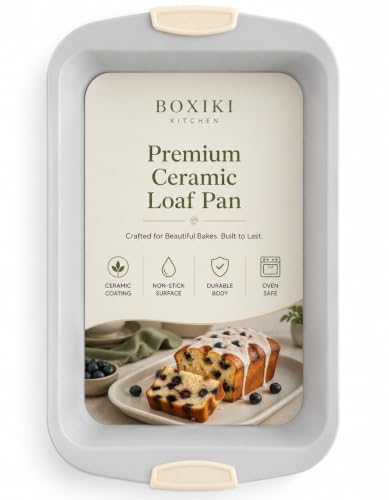


Quick Answer: Choosing Ceramic for Daily Home Baking
For most homes, a standard glazed ceramic loaf in the 9 by 5 inch size is the safest start, and it is the usual answer to the best ceramic loaf pan question. It holds a typical quick bread batter and fits a standard oven shelf. Smaller households often do better with an 8.5 by 4.5 inch pan, while frequent bakers may prefer a heavier stoneware style piece. Choose ceramic for gentle browning and oven to table serving.
Before You Buy: A Quick Checklist for Choosing a Loaf Pan
Start with size, because a pan that does not fit your recipes or storage space will sit unused. Then look at type, finish, temperature limits, and surface, and only then compare prices.
Size: Match It to Your Space
The two common sizes are 8.5 by 4.5 inches, often called a 1 pound loaf, and 9 by 5 inches, which holds larger batters and taller loaves. A 1.5 pound or 2 pound format suits big sandwich recipes, while mini pans make small gifts or single serving loaves. Measure your oven width and cupboard depth before ordering, and leave space for handles if the design has them. Our guide to what size loaf pan do i need explains how batter volume maps to each size.
Which Type Fits Your Routine
Glazed ceramic is the standard choice, with a smooth surface and colors that suit serving at the table. Stoneware is a denser form of ceramic that holds heat a little longer and feels sturdier, though it weighs more. A ceramic pan with a lid helps keep moisture in early in baking and can shape a more even top. If you want tall and squared slices for sandwiches, compare that lidded style with the options in our guide to the best pullman loaf pan before you decide.
Features Worth Paying For and Ones to Skip
Worth paying for are wide and comfortable handles, a glaze that covers the interior evenly, and sides thick enough to resist chipping in normal storage. A lid is worth it only if you bake sandwich loaves often. You can usually skip large sets with sizes you will never fill, decorative exteriors that make storage awkward, and bundled tools that duplicate what you already own. Spend on the pan itself rather than on extras that add cost and clutter to a small kitchen.
Light vs Dark Finish and Browning
The color of the glaze affects how your loaf browns. Dark glazes absorb more heat and can deepen the crust on the bottom and sides, which some bakers like for savory loaves. Light glazes tend to give a paler and more tender crust, a useful trait for pound cake and other sweet bakes that can overbrown at the edges. Expect a small shift in baking time when you switch finishes, and check your loaf a few minutes early the first time you use a new pan.
Oven Safe Temperature and Thermal Shock
Most ceramic loaf pans are rated for oven use up to about 425 to 500 degrees Fahrenheit, but ratings vary by maker, so check the limit for the pan you are considering. Ceramic dislikes sudden change. Let a cold pan warm toward room temperature before it goes into a hot oven, and set a hot pan on a dry cloth or wooden board rather than a cold stone counter. Avoid the broiler unless the maker states that broiler use is safe, and never set a hot ceramic pan under cold running water.
Glazed Surface and Food Release
A ceramic pan is not the same as a metal pan with a nonstick coating. Its release comes from the smooth glaze itself, and that glaze does not peel in the way a coating can, though it can chip if struck hard. Release still depends on preparation, especially with sweet batters that cling at the corners. Our guide on how to grease a loaf pan walks through greasing and lining in a way that suits glazed surfaces and helps loaves turn out cleanly.
Realistic Budget Ranges
Basic glazed ceramic loaf pans often cost about $15 to $25, and that range is enough for sound construction and an even glaze for weekly baking. Options at about $25 to $50 may add heavier walls, a lid, or a finish that matches other bakeware you own. Above that level you are mostly paying for weight, craftsmanship, and appearance rather than better loaves. A modest pan you handle with care will outlast a costly pan stacked under heavy cookware.
Types Compared for Different Homes
Match the type to your household. The three types below cover most homes, and each trades weight, size, and versatility in a different way.
For Most Homes: A Standard Glazed Ceramic Loaf
A 9 by 5 inch glazed ceramic loaf suits families who bake a standard quick bread or sandwich loaf once or twice a week. It holds most recipes without change, serves neatly at the table, and cleans with a short soak in warm soapy water. Its main trade off is weight when full, so plan on both hands and sturdy mitts. For a household that wants one pan to cover banana bread, zucchini bread, and a small meatloaf, this is the most flexible place to start.
For Small Households and Small Kitchens: A Compact Loaf Format
An 8.5 by 4.5 inch pan or a pair of mini pans works well for one or two people, for smaller ovens, and for cupboards where a larger pan will not sit flat. Smaller loaves bake a little faster, cool sooner, and freeze in portions that reduce waste. This format also suits bakers who like to try a new recipe at half size. The limit is capacity, so scale large batters down or split them between two pans with space left at the top.
For Frequent Bakers Who Want a Long Term Piece: A Heavy Stoneware Style Loaf
A heavy stoneware style loaf pan appeals to bakers who bake several times a week and want strong heat retention for a steady rise and an even crumb. The thicker walls smooth out small oven hot spots, and the weight helps the pan sit firmly when you set it down. In return you accept more careful handling and a higher price. If you bake for a larger family or bake ahead for the freezer, that consistency can justify the cost over years of use.
How to Judge a Ceramic Loaf Pan
Weigh five criteria that shape daily use at home. Heat distribution comes first, because even heat gives an even crumb and a crust that browns at a similar rate on all sides. Food release follows, judged by how an intact glaze behaves with greasing. Add chip resistance, material safety based on maker specifications, and cleaning effort. Maker specifications and patterns in verified buyer feedback are the best evidence.
What Ceramic Does Well and Where It Falls Short
Ceramic shines for gentle and even baking, for serving in the same dish, and for bakes that benefit from steady heat after the pan leaves the oven. It is a pleasant match for fruit studded quick breads, which is why many readers also consult our guide to the best loaf pan for banana bread when comparing sizes for that batter. For crust driven breads that need strong initial heat, our guide to the best loaf pan for sourdough helps you judge whether ceramic fits your method.
Where ceramic falls short is weight, fragility, and corner shape. It can chip or crack from a drop, and its corners are usually more rounded than metal, so slices have softer edges.
Common Mistakes to Avoid
- Buying a 9 by 5 inch pan for recipes written for an 8.5 by 4.5 inch pan, which can leave the loaf short and dry.
- Moving a ceramic pan straight from the fridge into a fully heated oven, which raises the risk of cracking.
- Stacking heavy cookware inside the pan in the cupboard, which chips the glaze and weakens the rim.
- Skipping greasing because the glaze looks slick, which leads to sweet batters sticking at the corners.
- Choosing a dark glaze for delicate cakes without checking earlier, which can overbrown the base.
- Ordering a lidded pan without checking total height, which can leave too little clearance in the oven.
Cost of Ownership and Care
A ceramic loaf pan has no ongoing costs beyond basic supplies. Parchment for lining, a soft sponge, and a cloth for drying are all most owners need. Hand washing is the safer habit, even when a maker allows dishwasher use, because repeated cycles and contact with other items can dull or chip the glaze. Dry the pan fully before storing it, and keep a cloth between it and any pan stacked with it.
With calm handling, a sound ceramic pan can serve for many years. Inspect the glaze for cracks that run through the body, and retire a pan with a deep crack. Store it where it will not slide, and never use it on a stovetop or open flame.
FAQ
Are ceramic loaf pans worth it for home baking?
Yes, if you bake loaves regularly and like serving in the same pan you baked in. Ceramic gives gentle heat that suits quick breads, cakes, and meatloaf, and a good glaze cleans easily after a short soak. It is less worth it if you rarely bake or need a very light pan. In that case a single metal pan may serve you better.
Can a ceramic loaf pan go from the fridge straight into a hot oven?
No, that is one of the quickest ways to damage ceramic. Cold ceramic meeting intense heat expands unevenly, and a crack can form along the base or side. Let the filled pan sit on the counter while the oven heats, so the temperature gap narrows. You can also transfer a chilled batter to the pan just before baking rather than chilling it in the pan.
How do you clean a ceramic loaf pan without damaging the glaze?
Let the pan cool, then soak it in warm water with a little dish soap for about 15 to 20 minutes. Most residue lifts with a soft sponge. For a stubborn patch, spread a paste of baking soda and water on the spot and let it sit before wiping. Avoid steel wool and harsh scouring powders, which can scratch the glaze and make later sticking more likely.
How long does a ceramic loaf pan last with regular use?
A well made ceramic loaf pan can last many years of weekly baking when it is handled and stored with care. Its life usually ends from a chip, a drop, or a crack rather than from wear to the cooking surface. Fine lines in the glaze can appear over time and are mostly cosmetic, but a crack you can feel with a fingernail is a sign to replace the pan.
What should you check when a ceramic loaf pan arrives?
Set the pan on a flat counter and check that it sits level without rocking, which points to an even base. Run a finger gently around the rim and interior to feel for sharp chips or rough spots in the glaze. Confirm the size by measuring the top interior length and width, since outer measurements that include handles can mislead. Keep the packaging until you have baked once.
Final Thoughts
The right ceramic pan fits your recipes, your oven, and your storage. Start with size, choose a finish that suits the loaves you bake most, and respect the temperature limits that keep ceramic intact. Look back at the product table above, and you will see why the best ceramic loaf pan for your home is a match of fit and routine, not the priciest option.


