
Best Ceramic Induction Hob: A Complete Buying Guide
Disclosure: We may earn a commission when you buy through links on this page, at no extra cost to you. As an Amazon Associate we earn from qualifying purchases. Learn more

If your old stovetop is on its last legs, or you're planning a kitchen update and keep seeing the term thrown around without a clear explanation, you're not alone. Shopping for the best ceramic induction hob gets confusing fast, mostly because "ceramic" and "induction" get used almost interchangeably online even though they describe two different things. In this guide, you'll learn how the surface and the heating technology actually relate, how many cooking zones you really need, what to make of wattage and boost claims, and whether a built-in unit or a portable countertop model fits your kitchen better.


Ceramic Glass Surface vs. a True Ceramic Hob: Clearing Up the Confusion
Here's the part that trips up most shoppers. Every induction hob has a smooth, glass-ceramic top, so technically every induction hob is a "ceramic" hob in the sense of what the surface is made from. But when people search for a ceramic hob as its own category, they usually mean a resistive electric hob, one that heats a coil or element under the glass and then transfers that heat upward into the pan.
An induction unit works differently. It uses an electromagnetic field to generate heat directly inside the base of the pan itself, which is why the surface around your cookware stays cool to the touch and why induction responds to temperature changes almost instantly. A resistive ceramic hob takes longer to heat and cool, and it works with any cookware you already own, while induction only heats pans with a magnetic base. Once you understand that split, shopping for a ceramic-surfaced induction hob makes a lot more sense: you're buying the fast, precise heating technology on the same style of easy-to-clean glass top.
Cooking Zones and Flexible Cooking Areas
Cooking zone count and layout matter more than almost any other spec on a ceramic induction hob, because it determines how many dishes you can realistically juggle at once and how well the hob handles pans that don't match a standard round burner.
How Many Zones Do You Actually Need?
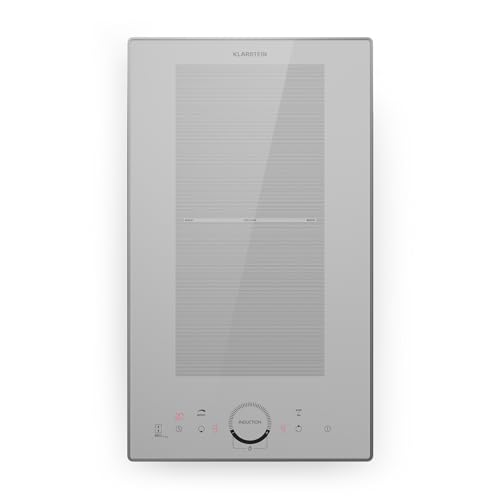
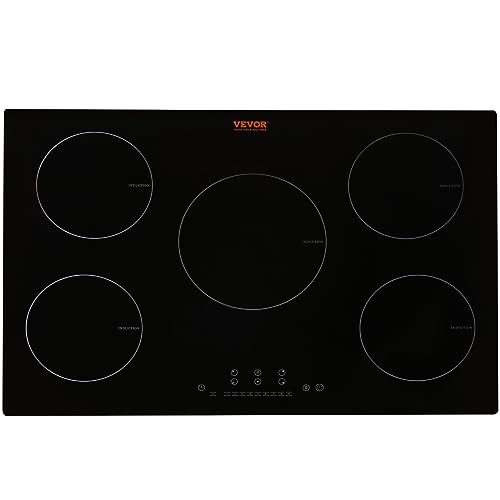
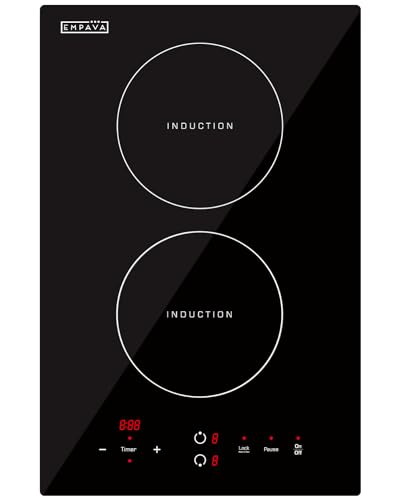
Most household units come with four zones, though compact two-zone models exist for smaller kitchens and wider units can pack in five or more. If you regularly cook multiple dishes at once, a four-zone layout is usually worth prioritizing over a cheaper two-zone unit, even if it means a smaller budget for other features.
Flex Zones and Bridge Zones for Odd-Sized Cookware
A bridge zone links two adjacent zones so they behave as one shared cooking area, which is handy for a griddle pan or a long fish kettle that would otherwise straddle a hot zone and a cold one. A flex zone goes a step further, using overlapping coils that detect a pan's size and position anywhere within that area and activate only the coils underneath it. If you cook with oversized stockpots, roasting pans, or a griddle regularly, either feature is worth seeking out. If your cookware is mostly standard-sized pots and skillets, you likely won't miss it. Keep in mind that induction only works with magnetic cookware, so before you commit to a layout, it's worth checking whether your current pots and pans are compatible or whether you'll need to round out your induction-compatible cookware collection first.
Power Output and the Boost Function
Wattage claims on a ceramic induction hob can look intimidating, but the numbers are easier to interpret once you know what a zone actually uses during normal cooking versus what it can briefly draw on demand.
Everyday Wattage vs. Boost Mode
For day-to-day tasks like simmering a sauce or pan-frying, a single zone typically runs somewhere in the 1,400 to 2,500 watt range. Boost mode temporarily reroutes extra power from a neighboring zone into the one you're using, pushing output up toward 3,000 watts or more for a few minutes at a time. That extra punch is useful for bringing a large pot of water to a boil quickly, but it's a nice-to-have rather than a dealbreaker for most everyday cooking. If you rarely boil large volumes of water or sear at very high heat, you can skip paying extra for a heavily boosted model without losing much practical performance.
Touch Controls vs. Knob-Style Controls
Controls on a ceramic induction hob are one of those details that seem minor in a showroom and then matter every single day once the unit is in your kitchen. Touch panels sit flush with the glass surface, wipe clean in seconds, and often unlock extra features like timers, presets, and a child lock. The tradeoff is that they can be less intuitive for quick adjustments mid-cook, and some panels are sensitive to spills or wet fingers, occasionally registering a touch you didn't intend.
Physical knobs feel more familiar if you're used to a gas or electric range, and they let you make fine adjustments without looking down at a display. They also tend to be more forgiving of moisture and mess. The downside is they take up a bit of surface space and don't offer the same clean, seamless look as a touch panel. Neither option is objectively better, so lean toward whichever style matches how you actually cook, not how the showroom display looks.
Built-In Installation vs. Portable Countertop Units
Whether you're leaning toward a built-in ceramic induction hob or a portable countertop model, this is where a lot of buyers get caught off guard, because the two formats aren't just a size difference, they involve completely different levels of commitment.
What Built-In Installation Actually Requires
A built-in unit needs a dedicated, grounded 240-volt circuit with its own breaker, not a shared outlet and not a simple plug swap. Depending on the size of the hob, that circuit typically needs a 40 or 50 amp breaker and appropriately sized wiring run from your panel. Unless your kitchen was already wired for an electric range, this almost always means hiring a licensed electrician, and it's worth budgeting for that cost before you fall in love with a specific unit. If you're weighing a built-in induction hob against sticking with a traditional setup, it's also worth comparing what a gas stove cooktop installation would involve, since gas lines come with their own separate requirements.
When a Portable Countertop Unit Makes More Sense
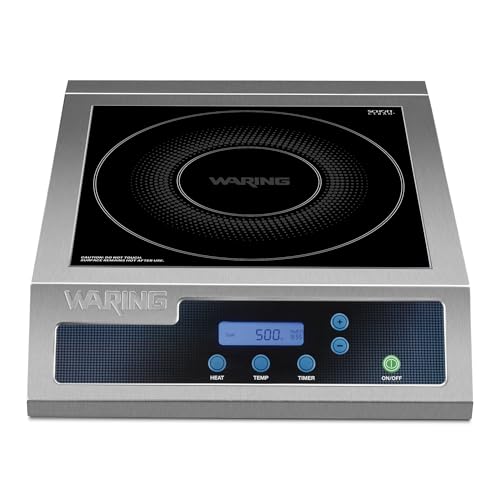
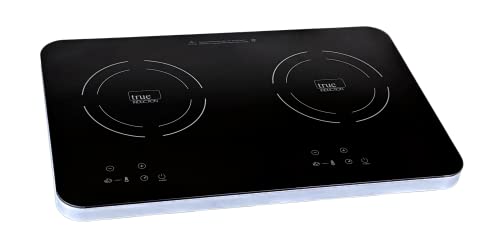
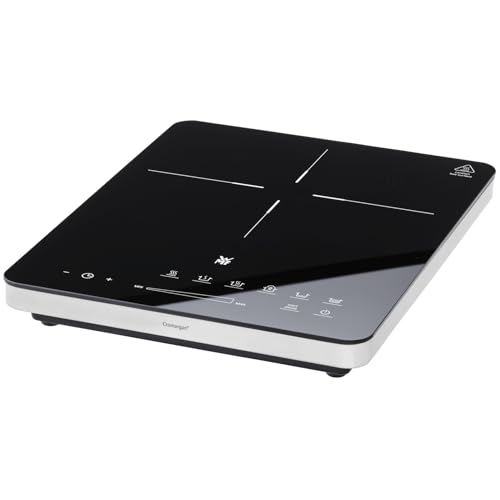
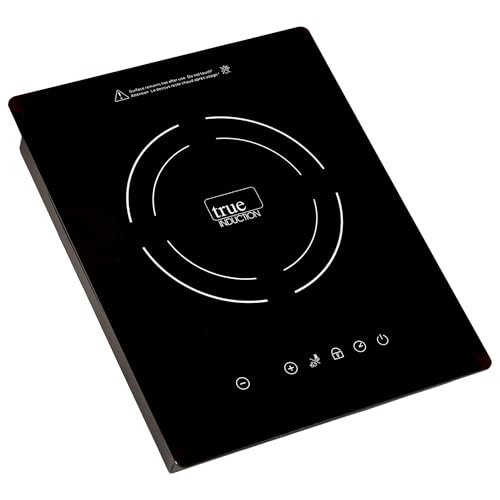
A portable, single or double-zone unit plugs into a standard 120-volt outlet and needs no electrician at all, which makes it a practical choice for renters, small apartments, or anyone who wants to try induction cooking before committing to a full built-in replacement. The trade-off is fewer zones and lower maximum wattage, since a standard household outlet simply can't deliver as much power as a dedicated 240-volt line. In a tight kitchen, pairing a portable unit with a rolling kitchen island cart can also make up for the counter space you lose by not having a built-in cooktop.
Frequently Asked Questions
Is a ceramic hob the same thing as an induction hob?
Not exactly. A true ceramic hob uses heating elements under a glass surface, while an induction hob uses electromagnetic energy to heat the pan directly. Induction units also have a ceramic-glass surface, which is where the naming overlap comes from. That's the core difference worth keeping in mind before you shop for a ceramic induction hob.
How many watts do I need for one?
Most everyday cooking only needs 1,400 to 2,500 watts per zone. Boost mode can push that higher temporarily, but it's mainly useful for quickly boiling large amounts of water rather than routine meals.
What is a flex zone or bridge zone?
A bridge zone combines two burners into one connected cooking area for long pans. A flex zone uses overlapping coils to heat a pan wherever it's placed within a larger surface, without you needing to line it up with a specific circle.
Why does my induction hob buzz or hum during use?
A light buzzing or humming sound is usually normal. It comes from the electromagnetic field causing slight vibration in the pan, especially with thinner or lightweight cookware, or from the internal cooling fan running. A sudden new noise, grinding sounds, or an error code are the signs worth having checked out.
Can I use my existing pots and pans on it?
Only if they have a magnetic base. A quick test is holding a refrigerator magnet to the bottom of a pan; if it grips firmly, it will work on induction. Aluminum, copper, and glass cookware generally won't work unless it has a magnetic layer built in.
How long does one typically last?
Most units are built to last around 10 to 15 years with normal use. Because induction relies on more complex electronics than a basic resistive hob, repairs can run a bit higher when something does go wrong, so it's worth keeping the warranty paperwork handy.
Making Your Decision
There's no single right answer here, only the right combination for your kitchen and how you cook. Once you're clear on how many zones you need, how much power actually matters for your routine, which control style you'll enjoy using daily, and whether built-in or portable fits your living situation, narrowing down the right ceramic induction hob becomes a much shorter list. Use these criteria as your checklist, and the rest of the decision gets a lot easier.