Best Ceiling Cooker Hoods: Buying Guide for 2026
Disclosure: We may earn a commission when you buy through links on this page, at no extra cost to you. As an Amazon Associate I earn from qualifying purchases. Learn more

Choosing the best ceiling cooker hoods: airflow, cooktop size, duct route, noise and filters, plus the installation costs behind the price.
A ceiling cooker hood clears smoke, steam, and cooking smells while keeping sight lines open across the kitchen. It suits island cooktops and open plan layouts where a wall hood cannot go. This guide walks you through the best ceiling cooker hoods by focusing on extraction power, sizing, ducting, and the costs that hide behind the headline price.
You will find the comparison table below useful once you know your cooktop width and your duct route. Start with those two measurements, because they narrow the field faster than any feature list.


Three Buying Paths at a Glance
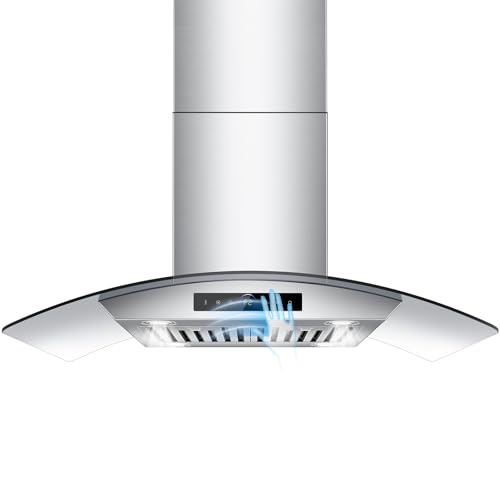
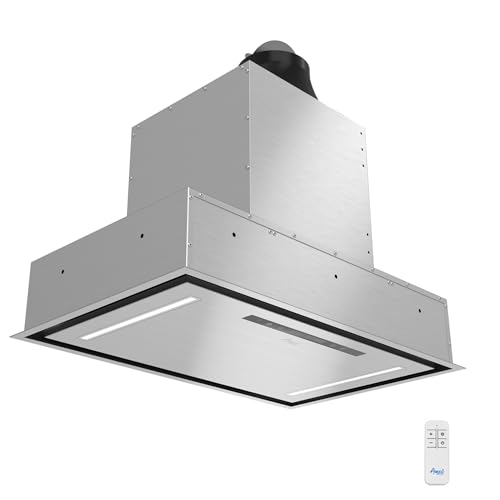
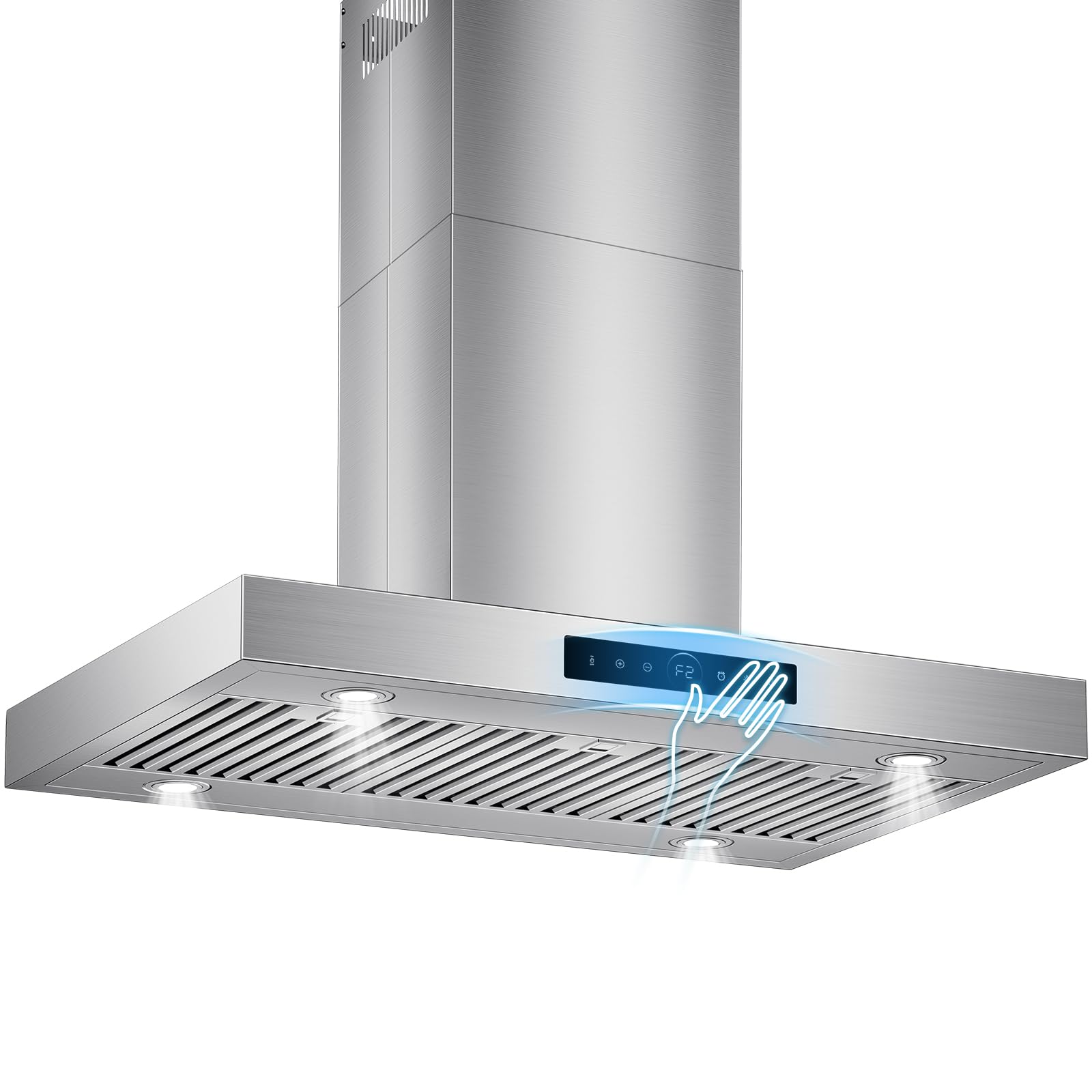
Rather than chase a single model, think in buying paths. Each path below describes what a tier of ceiling hoods generally delivers, who it suits, and the compromise you accept. Match your path first, then compare specific models within it in the product table above.
The Balanced Choice
The balanced path suits most family kitchens with an island cooktop used daily. Expect extraction strong enough for frying and stir fry cooking, metal grease filters you can wash, and lighting that genuinely helps you see the pan. The compromise is price: this tier usually costs about $700 to $1,200, and installation adds more if your duct route is long or awkward.
The Value Choice
The value path keeps costs down, often about $400 to $700, while covering the essentials for light to moderate cooking. You may give up some extraction headroom, quieter top speeds, and premium finishes. For a small kitchen where the hood runs for pasta water and weekend breakfasts, that trade off is sensible, provided the size still matches your cooktop.
The Simple Choice for New Kitchens
Some buyers prize a clean look and simple controls above raw power. This path favors slim profiles that sit close to the ceiling, remote controls, and finishes that match modern cabinetry. It suits new builds where ducting is planned from the start. The compromise is that design led models can cost more for the same extraction, so check the airflow figures rather than trusting the styling.
How to Choose the Best Ceiling Cooker Hoods: Buying Guide
Intended Use and Who It Is For
Start with how you cook. Daily frying, wok cooking, and grilling indoors produce far more grease and smoke than gentle simmering, so heavy cooks need stronger extraction and filters that are easy to wash. If your cooktop sits on an island in an open plan room, smells travel farther, which also argues for more power. Occasional cooks in small kitchens can choose a modest model and spend the savings elsewhere.
Price vs Value
Budget models around $300 to $600 cover basic extraction for light cooking but tend to be louder at useful speeds. Mid range models about $600 to $1,200 add quieter motors, better lighting, and washable metal filters. Premium models above $1,200 bring stronger airflow, sleeker profiles, and sometimes smart controls. Value comes from matching power to your cooking, not from buying the highest figure on the box. For a broader view of hood styles and prices, see our guide to the best cooker hoods across all mounting types.
Key Performance Specs
Airflow is quoted in cubic feet per minute (CFM) or cubic meters per hour, and a common rule of thumb is to size extraction to your cooktop and cooking style rather than to the room alone. As a rough guide, many family kitchens do well with about 350 to 530 CFM for regular frying. Noise matters just as much, since a hood you avoid using at high speed does little good. Check the decibel rating at the speed you will actually run, not only at the lowest setting.
Warranty and Customer Support
Ceiling hoods are fixed appliances, so a weak warranty costs you more than it would on a countertop gadget. Look for at least two years of coverage on the motor and electronics, and check whether spare filters, bulbs, and remote controls are easy to order. Responsive support matters if a fan fails under warranty, because removal and refitting often need two people and a ladder.
Safety and Certifications
A cooker hood deals with hot grease laden air above a heat source, so safety basics matter. Choose models with metal grease filters rather than disposable paper, and keep filters clean, because built up grease is a fire risk and cuts airflow. Installation involves ceiling fixings and household electrical power, so use a qualified electrician and follow local building rules on ducting and clearances. If you cook on gas, good ventilation also helps clear combustion byproducts from the room.
Build Quality and Materials
Stainless steel bodies resist heat, wipe clean, and match most appliances, while painted finishes can chip near hot edges. Check the feel of buttons or the remote, the fit of the filters, and whether seams trap grease. A slightly heavier unit often signals a sturdier motor mount, which reduces vibration noise. Glass accents look sharp but show fingerprints and need frequent wiping in busy kitchens.
Ease of Use and Setup
Ceiling mounting is the hardest installation of any hood type, because the unit fixes overhead and the duct must run through the ceiling or along it. Measure your ceiling height and confirm the hood can sit at the maker recommended distance above the cooktop. Remote controls are nearly essential, since the unit sits out of reach. Daily ease comes from simple speed settings, a timer that clears lingering smells after cooking, and filters that release without tools. If ducting out is impossible in your home, see our guide to the best recirculating cooker hoods that filter and return air instead.
Types of Ceiling Cooker Hoods
Compact Options
Compact ceiling hoods suit small kitchens and low ceilings, where a deep canopy would crowd the room. They clear everyday steam and light frying smoke well, but keen cooks may outgrow their extraction. If your kitchen is small and your cooking is gentle, this type keeps the space feeling open. Island layouts with tight clearances may also point you toward our guide to the best island cooker hoods for comparison.
Budget Options
Budget ceiling hoods deliver the core job at the lowest cost, usually with fewer speeds, simpler lighting, and more plastic trim. They work for rental friendly upgrades and light cooking. The catch is noise and filter quality, so budget for washable metal filters if the included ones look flimsy. Shoppers comparing extractor styles broadly can also see our guide to the best cooker extractor hoods.
Premium Options
Premium ceiling hoods pair strong, quiet extraction with slim design, bright lighting, and features such as automatic sensors that raise fan speed when smoke builds. They suit open plan homes where the kitchen shares air with living space. You pay a lot more, and installation costs rise too, but for daily heavy cooking the quietness alone can justify the step up.
Setup and Care Tips
- Read the manual before first use, especially the clearance distances and filter fitting steps, because overhead units are awkward to adjust later.
- Clean and inspect regularly: wash metal grease filters about once a month in hot soapy water or a dishwasher if the maker allows it.
- Replace charcoal filters on schedule if your hood recirculates, since saturated filters stop removing smells even though the fan still runs.
- Wipe the canopy and ceiling surround often, because fine grease settles upward and dulls finishes over time.
- Register the product for warranty cover and keep the receipt with your kitchen paperwork.
- Store the remote in a fixed spot near the cooktop, and keep spare batteries handy so controls never go missing mid cooking.
Frequently Asked Questions
How long does a ceiling cooker hood last?
A well kept ceiling cooker hood typically lasts about ten years or more. The motor is the part most likely to wear out, and clean filters extend its life by reducing strain. Lighting and remotes may need attention sooner. If airflow drops and cleaning no longer helps, have the fan and duct checked before assuming the whole unit has failed.
Are expensive ceiling cooker hoods worth it?
They are worth it if you cook often and value quiet running. Premium models usually move the same air with less noise, and that difference decides whether you actually use high speeds during frying. For light cooking a few times a week, the gain is smaller. Spend first on correct sizing and a clean duct route, which help any tier perform well.
How much should I spend on a ceiling cooker hood?
Most households land between about $600 and $1,200 for the hood itself. Below that range, expect compromises in noise and filter quality; above it, you pay for design, sensors, and quieter strength. Remember to budget for installation, duct parts, and possible ceiling work, which can add several hundred dollars. Treat the installed total, not the shelf price, as your real budget.
What features matter most when buying ceiling cooker hoods?
Extraction strength, noise at working speeds, and correct size matter most. After those, look at washable metal filters, lighting brightness, and a remote you find simple. Automatic heat sensors and smart app control are pleasant extras, but they cannot rescue an undersized hood. Match the hood width to your cooktop at minimum, and go one size up if your cooking is heavy.
How do I maintain a ceiling cooker hood?
Wash the grease filters monthly, wipe surfaces weekly, and replace charcoal filters every few months if fitted. Check the duct outlet outside once or twice a year for blockages such as leaves or nests. A step ladder and a second person make overhead work safer. Book a professional service if the motor grows loud or vibrates, rather than opening the unit yourself.
Final Thoughts
Size the hood to your cooktop, choose extraction you can tolerate at full speed, and plan the duct route before you order. Compare your shortlist in the product table above, and the best ceiling cooker hoods for your kitchen will be the ones that clear the air quietly, fit the ceiling cleanly, and stay easy to keep clean.