Best Ceramic Frying Pan for 2026: A Guide That Fits Real Homes
Disclosure: We may earn a commission when you buy through links on this page, at no extra cost to you. As an Amazon Associate I earn from qualifying purchases. Learn more

Learn how to choose the best ceramic frying pan by size, base, coating and budget, with care tips that help the slick surface last longer at home.
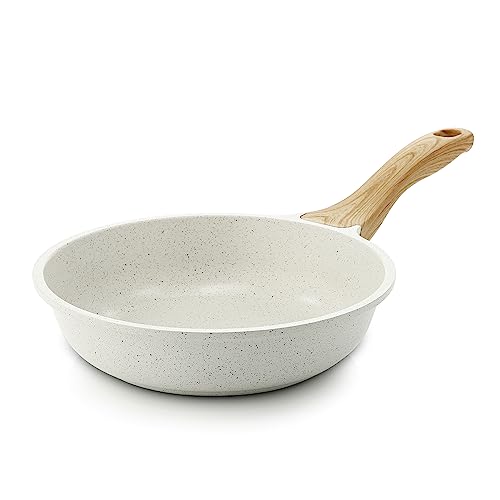
Breakfast is where a weak pan shows itself first. Eggs catch in the center, pancakes brown in one dark ring, and you end up soaking a pan that was supposed to wipe clean in seconds. Choosing the best ceramic frying pan for your home is mostly about fit: the right size for your burners, a base that heats evenly, and a coating you are willing to treat gently every day.
This guide focuses on the decisions you control: pan size, pan type, and a realistic budget for a pan you may replace sooner than cast iron. Use the product table to compare current options.


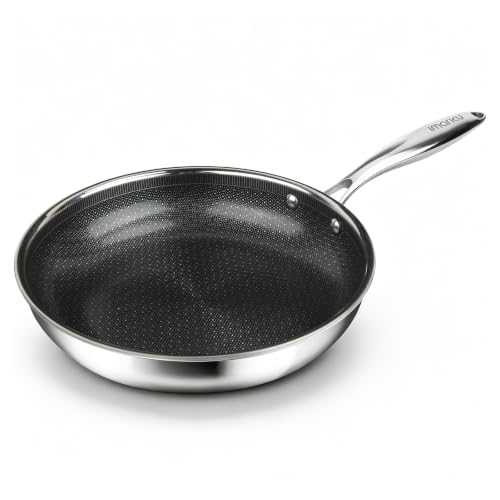


Quick Answer: What a Good Ceramic Frying Pan Does for Your Home
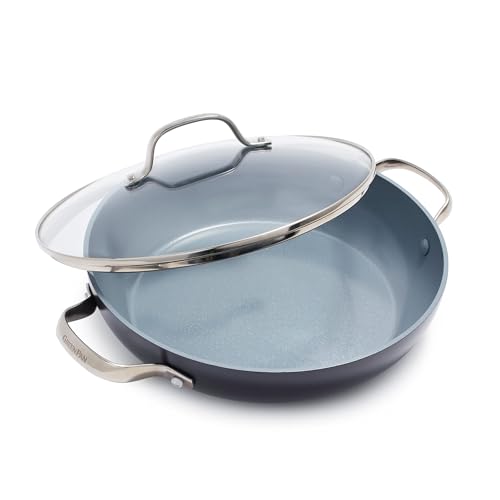
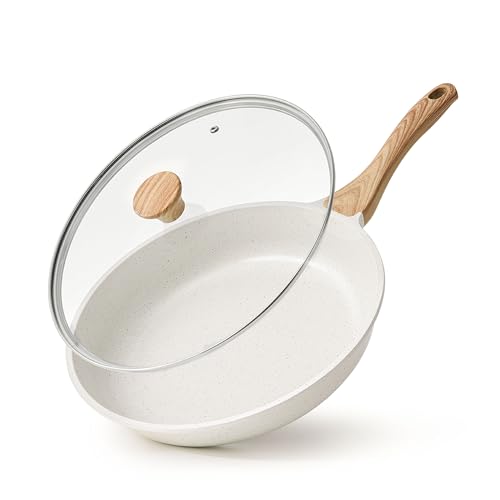
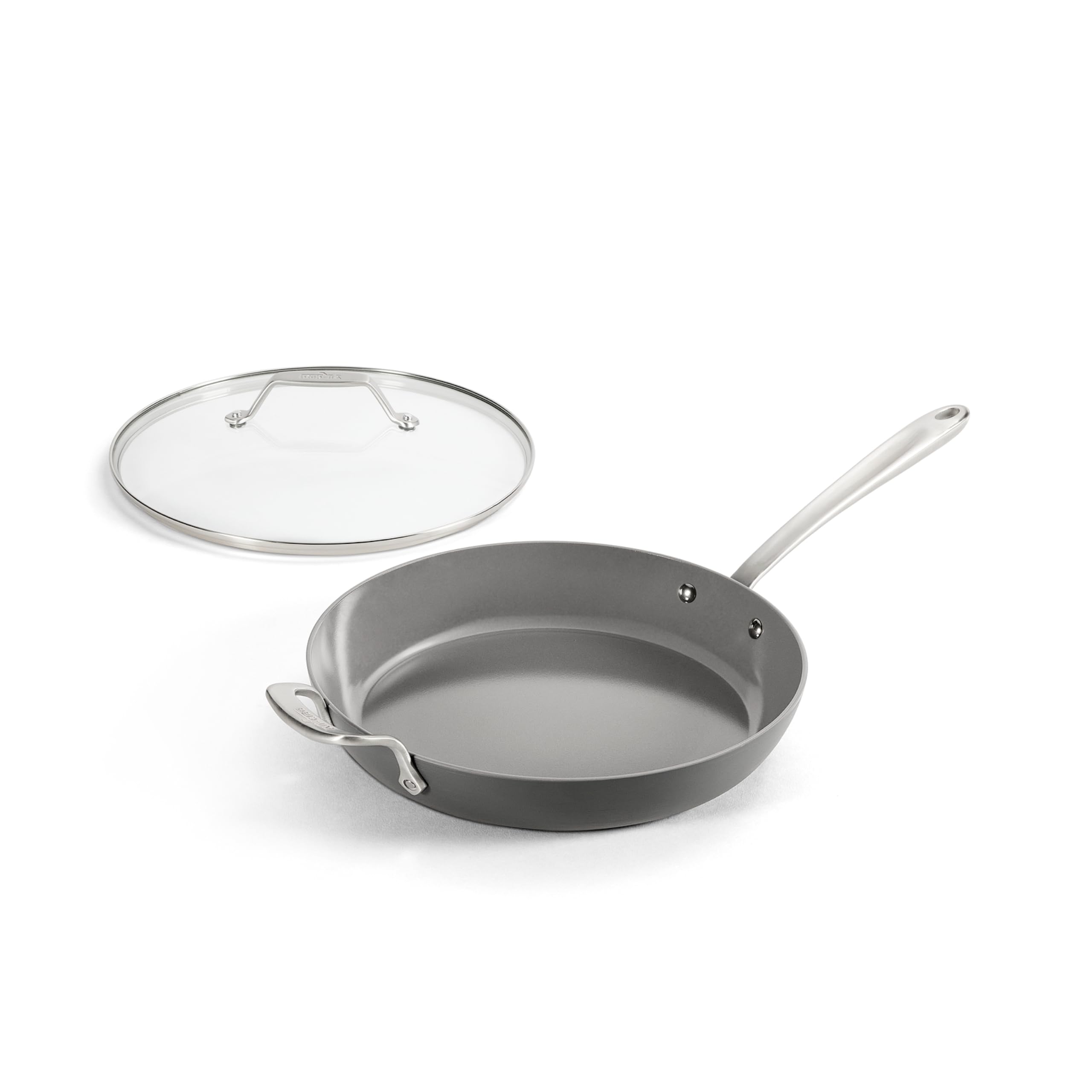
A good ceramic frying pan gives you easy egg release, simple cleanup, and comfortable cooking on low to medium heat. It suits homes that cook eggs, fish, vegetables, and pancakes often and that want a slick surface made without the fluoropolymer coatings used on traditional nonstick pans. It is not a forever pan, so buy the size and base you will use daily at a price that still feels fair if the pan needs replacing in a few years.
Before You Buy: A Checklist for Choosing a Ceramic Frying Pan
Size: Match the Pan to Your Burners and Your Household
An 8 inch pan suits one or two eggs and small apartment burners, but it crowds almost everything else. A 10 inch pan is the most flexible choice for one or two people, handling omelets, sandwiches, and two chicken breasts without steaming. A 12 inch pan fits family cooking and four portions at once, as long as the flat base sits fully on your largest burner. Measure your burner and storage space before ordering, because an oversized pan on a small burner heats unevenly.
Which Pan Type Fits Your Routine
Ceramic coated pans release food well and clean easily, but the coating is the part that wears out. Stainless steel asks for more oil and more technique yet tolerates high heat and metal tools for many years. If you are weighing that longer lasting route, our guide to the best stainless steel frying pan explains what changes. Cast iron and carbon steel sear harder and last for decades, but both need seasoning and weigh much more.
Features Worth Paying For and Features You Can Skip
A thick, flat base is worth paying for because it spreads heat and resists warping on glass tops and induction burners. A fitted lid earns its cost if you steam vegetables, melt cheese, or finish frittatas often. A helper handle helps on 12 inch pans, which get heavy once food is added. Pour spouts matter little for eggs and stir fries. Skip decorative colors and bundled utensils you already own, since neither improves how the coating cooks or lasts.
Is a Ceramic Coating Non Toxic?
Ceramic coatings are sol gel coatings made from silica, and they are generally sold as made without PFAS and without PTFE. Read the maker disclosure rather than the front label alone, and check what the maker says about lead and cadmium in the coating. If a coating chips deeply or flakes into food, stop using the pan and replace it, because the slick layer is no longer intact.
Induction, Gas, and Glass Top Compatibility
Most ceramic frying pans have an aluminum body, and plain aluminum does not work on induction. For induction you need a magnetic steel plate built into the base, so check the listing for the word induction and confirm with a fridge magnet on the pan bottom when it arrives. On gas, a flat base keeps the pan stable on the grate. On glass tops, lift the pan instead of sliding it, because grit trapped under the base can scratch the surface.
Oven Safe Temperatures and Handle Materials
Oven limits vary a lot between models, so treat the stated limit as a hard ceiling rather than a suggestion. Many ceramic coated pans allow about 350 to 450 degrees Fahrenheit, and the handle often sets that limit rather than the pan body. Silicone wrapped handles usually cap lower than bare stainless steel handles. If you finish frittatas under the broiler, confirm that both coating and handle allow broiler use, since many ceramic coatings are not rated for that direct high heat.
Realistic Budget Ranges
At under $30 you get a thinner base and a coating that may fade faster, which can still suit a rental kitchen or a second egg pan. Between about $30 to $60, bases get thicker, handles feel sturdier, and lids appear more often. Between about $60 to $100, expect better induction bases and more even heating across a 12 inch surface. Spending about $100 to $200 mainly buys build quality, not a coating that lasts twice as long.
Three Buying Profiles: How Different Homes Should Choose
The Small Household That Cooks Eggs Most Days
If you cook for one or two people in a compact kitchen, a 10 inch pan with a moderate weight is your daily driver. You will lift and tilt it often, so a comfortable handle matters more than a lid or a helper handle. Choose a base that matches your stove type and spend in the middle range, because this pan will see daily use and daily washing. Store it on a hook or with a soft cloth between pans to protect the coating.
The Family Cook Who Needs Room and a Lid
For three to five people, a 12 inch pan with a fitted lid and a helper handle solves most weeknight problems. You can brown four portions without crowding, then cover the pan to finish cooking through with gentle steam. Check that the base covers your large burner well, because a family sized pan on a small burner cooks the center fast and the edges slowly. Weight matters too: a heavy pan full of food is hard to move safely.
The Careful Buyer Who Wants the Strongest Base Available
If you plan to keep one ceramic pan as long as possible, put your money into the base and the handle rather than into extras. A forged aluminum body with a thick induction plate heats evenly and resists warping, which protects the coating from hot spots that age it early. A riveted stainless steel handle usually outlasts a screwed handle and allows higher oven temperatures. Even with the best build, plan on gentle heat and hand washing, because coating wear comes with use.
How to Evaluate a Ceramic Frying Pan Before You Order
Start with the product page details rather than the headline claims. Confirm the base diameter, the induction method, the oven limit for body and handle, and whether the stated size measures the top rim or the flat cooking surface. Read recent buyer reviews for patterns about warping, sticking after a few months, and handles loosening, and treat single angry or glowing reviews as noise. Check the return window too, in case the pan arrives with a base that rocks on your stove.
Ceramic Compared With Other Pan Types: Honest Strengths and Limits
Ceramic wins on release and cleanup for delicate foods, and many cooks prefer its light weight and simple ingredient list for the coating. Traditional nonstick tends to stay slick a little longer, and our ceramic vs nonstick pan comparison walks through that trade off in detail. If your main goal is the slickest surface for the lowest effort, the best nonstick frying pan category is the closest rival. Stainless steel, carbon steel, and cast iron all beat ceramic for hard searing and for lifespan, but they demand more oil, more preheating skill, and more cleanup patience on egg dishes.
One naming point confuses many shoppers: skillet and frying pan describe the same shallow, sloped side shape in most home listings. Our skillet vs frying pan guide explains the small differences, and it is why a product listed as the best ceramic skillet is usually the same style of pan covered here. What matters is the flat cooking diameter and the height of the sides, not the word on the box. Deeper sides suit sauces, while shallow sides make flipping eggs easier.
Common Buying Mistakes to Avoid
- Buying a 12 inch pan for a small burner, so the edges stay cool while the center overheats and ages the coating.
- Planning to sear steaks on high heat daily, which shortens coating life and leads to sticking within months.
- Paying a premium price for a coating and expecting it to last like cast iron, which sets you up for disappointment.
- Ignoring the handle oven limit, then damaging a wrapped handle during a routine frittata finish.
- Storing the pan nested inside other pans without protection, which scratches and chips the slick surface.
- Choosing by color or by a bundled set, then discovering the one size you use daily was never included.
Cost of Ownership and Care
The purchase price is only part of what a ceramic pan costs you. Budget for a likely replacement every few years with regular use, plus soft sponges, wooden or silicone tools, and a pan protector for storage. Daily care is simple: cook on low to medium heat, let the pan cool before washing, and wash by hand with mild soap. Our step by step guide on how to clean a frying pan covers stuck residue without harsh scrubbing. Skip cooking sprays, because their additives build a sticky film on ceramic coatings that soap struggles to remove and that makes eggs catch.
Heat discipline protects your money more than any accessory. Preheat the pan briefly on low heat, add oil or butter, then add food once the fat shimmers. Never plunge a hot pan into cold water, because sudden temperature change can warp the base and stress the coating. When release fades across the whole surface even with enough fat and gentle heat, the coating has reached the end of its useful life.
Your Questions, Answered
How can you judge the reliability of a ceramic frying pan before buying?
Judge reliability from build details and review patterns rather than from brand fame. Look for a thick flat base, a firmly attached handle, clear oven and induction limits, and many recent reviews that mention the same strengths. One extra check is the maker support page: sellers who publish coating care rules and honor replacements tend to stand behind the pan longer.
How do you clean a ceramic frying pan without harming the coating?
Hand washing with warm water, mild soap, and a soft sponge protects the coating best. For a browned film, soak the cooled pan for 20 minutes, then make a thin paste of baking soda and water and rub gently with a cloth. Avoid steel wool and powdered scouring cleansers, because fine scratches give proteins more grip and each wash after that removes food less easily than the one before.
Is a ceramic frying pan worth buying for everyday cooking?
Yes, a ceramic frying pan is worth buying if easy release and simple cleanup matter more to you than a decades long lifespan. It shines for eggs, fish, pancakes, and reheating leftovers with little oil. The value case weakens if you cook mostly high heat sears or resent replacing pans. For mixed cooking, many homes pair one ceramic pan with one durable steel or iron pan.
How long does a ceramic frying pan usually last?
Most ceramic coatings stay slick for about 1 to 3 years with daily use, and longer with occasional use and gentle heat. Lifespan depends less on price than on habits: medium heat, no metal tools, and hand washing stretch it, while broiler use and cooking sprays shorten it. A useful early warning sign is eggs that release at the edges but grip in the center, which usually means the center coating has worn first from burner hot spots.
Are ceramic frying pans a good value compared with other pans?
Ceramic pans offer good value when you compare cost per year of easy cooking rather than the sticker price alone. A mid priced pan that cooks eggs well for two years can cost less per month than a costly pan whose coating fades in the same time. Value drops when you buy the cheapest thin pan and replace it yearly. Keep your receipt, because some makers replace early coating failures.
What should you look for in the best ceramic frying pan for your home?
Look first for the size you will use daily, then a thick base that matches your stove, then an oven limit that fits your recipes. After that, check handle comfort, lid availability, and honest care instructions from the maker. One detail many shoppers miss is the flat cooking diameter, which can be 2 inches smaller than the rim size on sloped pans. Choosing by that flat measurement prevents the crowded cooking that makes a new pan feel too small.
Final Thoughts
A ceramic pan is a comfort buy: it makes delicate foods easier today in exchange for a coating that slowly wears out. Match the size to your household, put your budget into the base and handle, and protect the surface with gentle heat and hand washing. Before you order, compare the options in the product table above against your burners and your recipes. Chosen that way, the best ceramic frying pan for your home is simply the one that fits your stove, your portions, and your habits.