Best Ceramic Cookers: Slow Cookers, Rice Cookers and Multicookers 2026
Disclosure: We may earn a commission when you buy through links on this page, at no extra cost to you. As an Amazon Associate I earn from qualifying purchases. Learn more
Compare the best ceramic cookers by type, capacity, temperature control and care so your pot heats evenly and cleans easily.
A ceramic cooker is an electric countertop cooker with a ceramic pot or a ceramic nonstick coating: slow cookers with a stoneware crock, rice cookers with a ceramic inner pot and multicookers that pressure cook, steam and saute. The best ceramic cookers heat evenly, hold a low temperature safely and release food easily, without the metal taste and scraping of an old pot.
The product table above lists models to compare. The sections below explain the main kinds, what the ceramic surface does and does not do, and which features decide daily satisfaction.




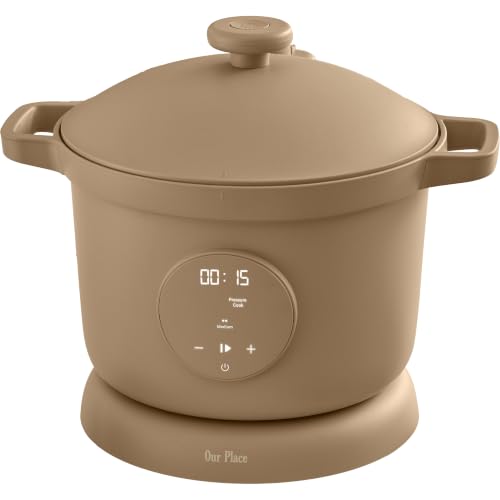

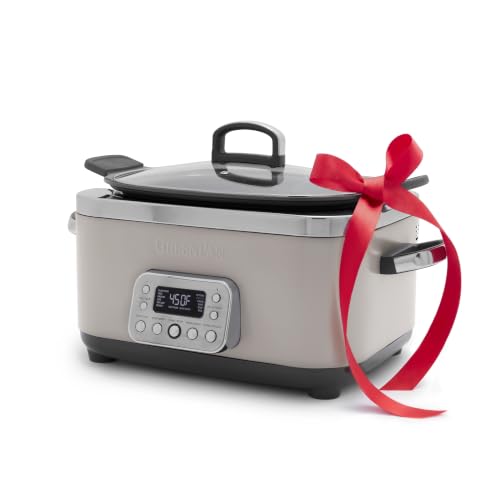
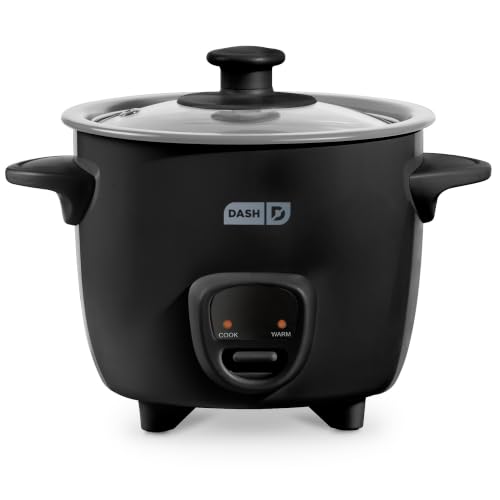
Types of Ceramic Cookers
Ceramic Slow Cookers
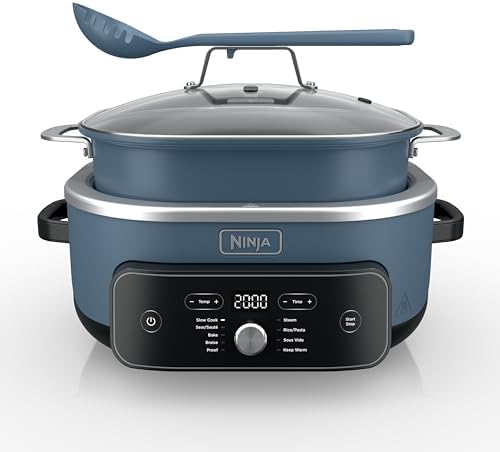
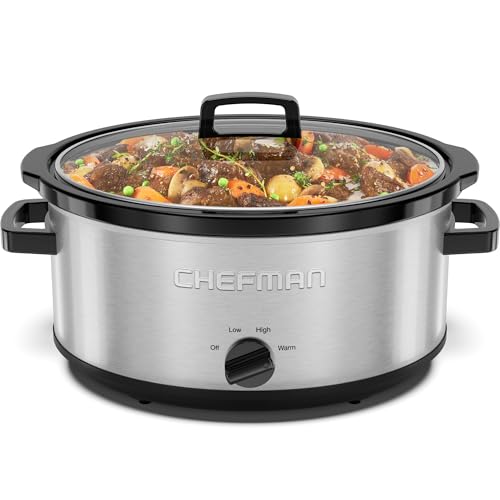
The classic slow cooker has a removable stoneware crock and a glass lid. Stoneware heats gently and holds heat, which suits stews, pulled meat and soups that need hours. Larger families want a 6 to 8 quart crock, while a 1.5 to 3 quart model is enough for dips, sauces or a single person. A programmable timer and an automatic switch to warm are worth having if you leave the house while it cooks.
Ceramic Rice Cookers
Rice cookers with a ceramic-coated inner pot offer easy release and an uncoated look that many buyers prefer. Fuzzy logic models adjust heat and timing for different grains, and they handle brown rice, porridge and steamed vegetables well. Pick a capacity that matches your household, since a cooker that is too large cooks small amounts unevenly.
Ceramic Multicookers and Pressure Cookers
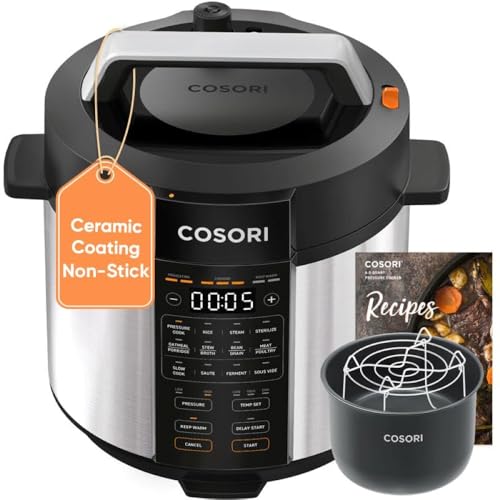
Multicookers combine pressure cooking, slow cooking, steaming and sauteing in one body, often with a ceramic-coated pot. They save space and cut cooking time, but they have more parts to learn and clean. Look for a clear display, a sealing ring that comes out easily and a pot that lifts out for washing.
What the Ceramic Surface Means
A ceramic coating gives a slick, light-colored surface that releases food and wipes clean, and it is often sold as free of PFAS-type chemicals. It is still a coating on metal in most multicookers and rice cookers, so it wears faster than a solid stoneware crock. Avoid metal utensils, scouring pads and dishwasher cycles unless the maker says the pot is dishwasher safe, and replace the pot when food begins to stick across the whole surface.
Features That Matter Day to Day
Capacity: Match the size to the number of people you cook for, and leave room for liquid in slow cookers and pressure cookers.
Temperature control: Several heat settings and a reliable keep-warm mode matter more than a long list of presets.
Lid and seal: A tight lid keeps moisture in, and a removable sealing ring makes odors easier to clean.
Safety: Look for automatic shutoff, cool-touch handles and a stable base. Never leave a pressure cooker unattended and follow the manufacturer's instructions.
Cleaning: A removable pot, a lid that lifts off and few small parts save time every day.
Choosing by Budget
Small ceramic slow cookers and mini rice cookers cost about $15 to $40 and cover simple jobs. Mid-size slow cookers, rice cookers with fuzzy logic and entry multicookers cost about $60 to $140. Premium multicookers and large programmable slow cookers cost $150 to $300 or more and add better controls, larger pots and sturdier builds. Spend more only on features you will use every week, such as a timer, a larger pot or pressure cooking.
Care and Common Mistakes
Let the pot cool before washing to avoid thermal shock, especially with stoneware. Hand wash coated pots with a soft sponge, dry the lid seal and store the lid ajar so odors do not build up.
Filling the pot past the maximum line, which can cause spills and uneven cooking.
Using metal tools that scratch a ceramic coating.
Choosing a cooker that is too large for everyday meals.
Ignoring the manual's guidance on dried beans, which need correct preparation before slow cooking.
Getting Better Results From Each Type
With a slow cooker, brown meat first in a separate pan if you want deeper flavor, and keep the lid on, since every peek adds many minutes of cooking time. Cut vegetables into even pieces and put the firmest ones near the bottom, where heat is strongest. Fill the crock between half and two thirds full for even results.
With a rice cooker, rinse the rice until the water runs mostly clear, measure with the cup that came with the cooker and let the rice rest with the lid closed for ten minutes after the cycle ends. For a multicooker, learn one function at a time, starting with rice or soup, before moving to pressure cooking, and always check that the sealing ring and steam vent are clean before you start.
Who Should Skip a Ceramic Cooker
If you cook very large batches for a crowd, a big stockpot or a commercial-size unit may serve you better. If you need a pot that can go straight onto a stove burner or under a broiler, an enameled cast iron pot is a better match, because the inner pots of countertop cookers are meant for their own base only. And if you scrub pots hard or run everything through a hot dishwasher, a plain stainless pot will outlast a ceramic coating.
Frequently Asked Questions
Are ceramic cookers safe to use?
Used as the manufacturer describes, yes. Follow the instructions on temperature, fill levels and cleaning, and replace a pot whose coating has worn through.
Is a stoneware crock better than a coated pot?
Stoneware heats gently and has no coating to wear, but it is heavy and can crack with sudden temperature changes. A coated pot is lighter and releases food more easily but needs gentler cleaning.
How long do ceramic cookers last?
Many last several years with careful use. The coating or the control electronics usually wear out before the body does.
What size ceramic cooker do I need?
One to three quarts suits one or two people, four to six quarts suits most families and larger pots suit batch cooking and gatherings.
Can I use a ceramic cooker for rice and stew?
A multicooker handles both. A dedicated rice cooker or slow cooker usually does its one job better and costs less.
Our Verdict
Choose the type that matches your cooking, then check capacity, temperature control and cleaning. Use the table above to compare models, and the best ceramic cookers for your kitchen will be the ones you can fill, clean and trust every week.