Best Cast Iron Electric Skillet: Material, Size and Safety (2026)
Disclosure: We may earn a commission when you buy through links on this page, at no extra cost to you. As an Amazon Associate I earn from qualifying purchases. Learn more
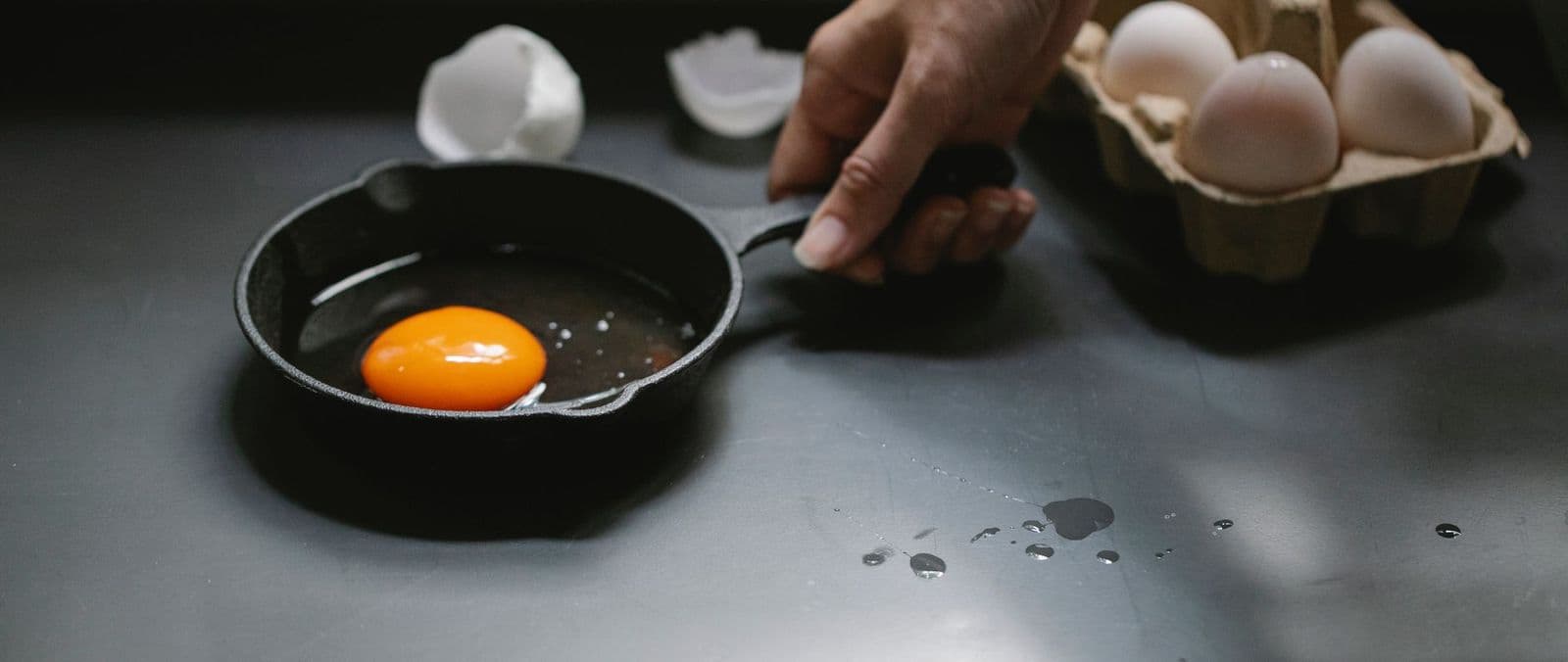
The best cast iron electric skillet guide: what to check on material, size, safety marks and care before you buy.
Picture a Saturday morning in a small kitchen. Pancakes are browning, bacon is crisping, and every burner is taken by a kettle and a pot of grits. A plug in skillet on the counter solves that crunch, and the best cast iron electric skillet adds steady heat that holds up when cold batter hits the pan.
True cast iron electric skillets are a niche category: many plug in pans pair a metal body with a coating or a cast finish, so read the material description closely before you buy anything described as cast iron.
This guide focuses on how these skillets fit real homes: size for your counter and household, daily ease of use, and the cost of owning and caring for cast iron. If you want the broader category first, see our guide to the best electric skillet.
Quick Answer: The Three Styles in 30 Seconds
Most cast iron electric skillets fall into three groups, and the right one depends on how many people you feed and how you cook most days.
- Compact round models suit one or two people, small counters, dorms, and RV kitchens.
- Large rectangular models suit families who cook pancakes or a full pack of bacon in one batch.
- Deep models with high sides suit braises, fried chicken, and saucy dishes that splatter.
Before You Buy: A Quick Checklist for Choosing an Electric Skillet
Cast iron changes how an electric skillet feels and behaves, so this checklist goes beyond the usual dial and lid questions when you shop for the best cast iron electric skillet.
Size: Match It to Your Space
Start with the cooking surface, not the headline size, since the rim and handles add width you cannot cook on. An 11 to 12 inch round surface handles eggs and pancakes for two or three people. A 15 to 16 inch rectangular surface fits a family batch of French toast or four chicken breasts with space between them. Crowded food steams instead of browning, so if you often cook for five or more people, choose the larger surface and accept the bigger storage footprint.
Which Type Fits Your Routine
Cast iron holds heat longer than thinner materials, which helps with searing and keeps food warm at the table. It also asks more of you, since the pan is heavy and the surface needs seasoning care. If daily ease matters more than a hard sear, compare the best stainless steel electric skillet options, which shrug off scrubbing and never need seasoning. Coated pans ask the least effort at the sink but give up some browning. Your weeknight routine should drive this choice.
Features Worth Paying For and Ones to Skip
A glass lid earns its cost because you can watch food cook without lifting the lid and losing heat, and it holds in moisture for braises. High sides matter if you fry or simmer often. A pan that lifts off its base makes washing and serving simpler. Skip extras you will rarely touch, such as preset programs for foods you cook twice a year. A clear, responsive temperature dial and a detachable cord will help you every day.
Wattage, Power and Energy Use
Most models draw about 1200 to 1500 watts, and higher wattage mainly means faster recovery after you add cold food. A skillet that recovers quickly keeps oil at frying temperature instead of letting food soak it up. Energy cost is modest because the pan heats a single surface rather than a whole oven. If your circuit already runs a microwave and a coffee maker at breakfast, use a different outlet to avoid tripping the breaker.
Safety Features and Certifications
Look for a UL or ETL mark, which means an independent safety organization has checked the electrical parts. A short, detachable cord is a real safety plus, since it pulls free if someone catches it instead of dragging a pan of hot oil. Stable feet and handles that stay cool enough to grip matter because the pan is heavy. If coating safety is a top concern, compare the best non toxic electric skillet designs alongside bare, seasoned cast iron.
Counter Space and Dimensions
Measure the spot where the skillet will live, then check the full footprint with handles and cord in place. Cast iron models are heavy, often too heavy to lift in and out of a low cabinet daily, so many owners store them on the counter. Allow a few inches of clear space on each side for steam and for your hands. Also check the height with the lid on, since a tall domed lid may not fit under upper cabinets in use.
Realistic Budget Ranges
Under $50 usually buys a smaller surface, a simpler dial, and a thinner lid. Spending about $50 to $100 gets you a larger cooking area, better temperature control, and a more solid base. At about $100 to $150 you are paying for heavier casting, a pan that separates from the base, and longer warranty cover. Above that range, gains shrink for most cooks. Put money toward the size you truly need first, because an oversized pan you resent storing will not earn its place.
Types Compared: Three Styles for Different Homes
Here is how the three styles differ in daily life. If this format is new to you, our guide on how to use an electric skillet covers basic setup and temperature habits for every style below.
Compact Round Models for Small Households
A compact round model heats fast, stores in a single cabinet, and suits couples, singles, and small families who cook simple meals. It is the easiest style to carry to the table, and its smaller surface means less oil and less cleanup after eggs or grilled cheese. The limit is batch size. Pancakes for a crowd mean many rounds, and large cuts may hang over the edge and cook unevenly, so this style rewards small, frequent cooking.
Large Rectangular Models for Family Meals
A rectangular surface gives you corners that a round pan wastes, and that room fits a full strip of bacon or six pancakes at once. This style suits families who cook breakfast for a group or prep several portions in one pass. The trade off is storage and weight, since a large cast iron pan is a two hand lift for many people. Heat can vary slightly from center to corners, so rotate food once for even browning.
Deep Models for Braising and Batch Cooking
Deep models add wall height, which contains splatter when you fry and holds enough liquid for braised chicken, curry, or simmering meatballs. The lid and high sides turn the skillet into a small braiser that frees your oven for other dishes. This style suits cooks who make saucy, one pan meals several times a week. It is the bulkiest to wash and store, and the deeper walls make flipping delicate foods like fish more awkward.
How We Compare Cast Iron Electric Skillets
Our comparison weighs capacity, temperature control, evenness of heat, ease of daily use, cleaning effort, safety marks, and warranty terms. We draw on manufacturer specifications and patterns in verified buyer reviews, focusing on how a skillet fits different home sizes and routines. When reviews repeatedly flag the same strength or flaw, such as a dial that runs hot, we treat that pattern as a useful signal.
Cast Iron Compared With Other Electric Skillet Materials
Cast iron wins on heat retention. Once it is hot, it stays hot, so steaks and burgers sear instead of stewing in their own juices, and food stays warm during serving. It also lasts for decades when kept dry and seasoned. The costs are weight, slower heating at the start, and care that coated pans never ask for. A worn coating on another pan ends its life, while a cast iron surface can be seasoned again and returned to service.
Other materials win on convenience. Nonstick and ceramic surfaces release eggs with almost no effort and wash clean in a minute, which is why many busy households prefer them for weekday breakfasts. If that sounds like your routine, look at the best ceramic electric skillet options before you commit to cast iron. Stainless steel sits between the two, with good browning and no seasoning, but food sticks more readily. The right match is the one whose daily demands you will happily meet.
Common Mistakes to Avoid
- Buying by headline size alone, so the true cooking surface ends up too small for your usual batch.
- Ignoring the weight, so the pan sits unused because lifting it to the sink feels like a chore.
- Storing the skillet where it stays damp, so rust forms on the surface and the seasoning breaks down.
- Turning the dial to the maximum for everything, so food scorches before the thick pan has time to even out.
- Forgetting the circuit load at breakfast, so the breaker trips when the skillet shares an outlet with other appliances.
Cost of Ownership and Care
Running costs stay low. There are no filters or pads to replace, and the main ongoing expense is a little cooking oil for seasoning plus the electricity used during cooking. A replacement lid or cord costs far less than a new appliance. The real cost of cast iron is a few minutes of care after each use, and owners who accept that trade usually keep the same pan for many years.
Care is simple once it becomes habit. Wash the cooled pan by hand, dry it fully, and warm it briefly on a low setting so no moisture hides in the surface. Wipe on a thin film of oil before storing. Our guide on how to clean an electric skillet covers stain removal and rust spots. Never soak the base or the temperature probe, and never put electrical parts under water.
FAQ
What foods cook best in a cast iron electric skillet?
Foods that reward steady, retained heat cook best here. Think pancakes, hash browns, grilled sandwiches, burgers, pork chops, and fried chicken with a crisp crust. The wide, flat surface also suits quesadillas and warmed tortillas for a crowd. Delicate dishes that need instant heat changes, such as a thin omelet, are easier on a responsive stovetop pan, so save this skillet for foods that like an even temperature.
Why does food stick in a new cast iron electric skillet?
New seasoning is thin, so early sticking is normal and fades as you cook more fatty foods and build the layer up. Two habits help right away. Let the pan heat fully before you add oil, and give food time to release on its own instead of prying at it early. Eggs and fish release last, so cook bacon, potatoes, and cornbread first while the surface matures.
Can you use metal utensils in a cast iron electric skillet?
Yes. Bare cast iron has no coating to scratch, so metal spatulas and tongs are safe and often helpful, since a thin metal spatula slides under pancakes more cleanly than a thick plastic one. The one caution is the seasoning layer itself. Aggressive scraping can gouge a young surface, so use firm but sensible pressure. Wooden tools also work well while the seasoning builds.
Can a cast iron electric skillet replace a stovetop skillet?
For many homes it can cover most daily frying, searing, and braising, and it adds a cooking station when the stove is full or when you cook in an RV or dorm. It cannot match a stovetop pan for tasks that need an oven finish or a quick tilt to baste with butter. Most owners use it as a flexible second station rather than a full replacement, which is a sensible way to judge its value.
How long does a cast iron electric skillet last?
The cast iron pan itself can last for decades, far longer than the heating element and thermostat that power it. In practice the electrical parts set the lifespan, and signs of fading include slow heating, wide swings between settings, or a dial that only works at certain points. Because pan and base age at different rates, a model with a separable pan gives you more options if one part fails.
Final Thoughts
Start with your space and household size, then pick the style whose daily care you will actually keep up. A compact round model serves small homes well, a large rectangular model feeds a family in fewer batches, and a deep model handles braises and saucy meals. Weigh the points above once more, and choose the best cast iron electric skillet that fits your counter, your circuit, and your routine.