
Best Cellular Smartwatches by Budget: A Practical Guide for 2026
Disclosure: We may earn a commission when you buy through links on this page, at no extra cost to you. As an Amazon Associate I earn from qualifying purchases. Learn more

Compare the best cellular smartwatches at every price point. Learn what you get at budget, midrange, and premium levels and where spending more pays off.
A cellular smartwatch lets you leave your phone at home and still take calls, reply to messages, and call for help on a run or errand. The best cellular smartwatches pair that freedom with a screen you can read outdoors, a battery that survives your day, and a carrier plan that does not surprise you. Prices vary widely, so this guide sorts out what each budget level really delivers.
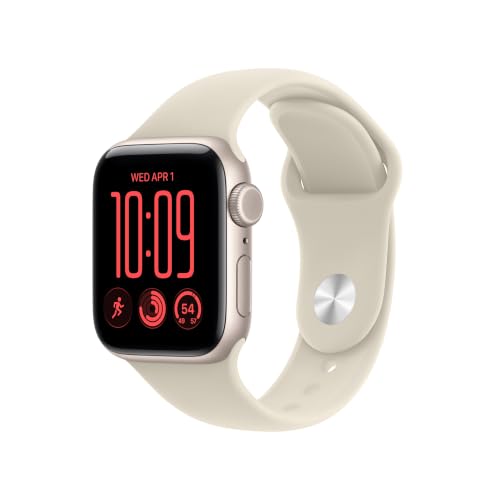
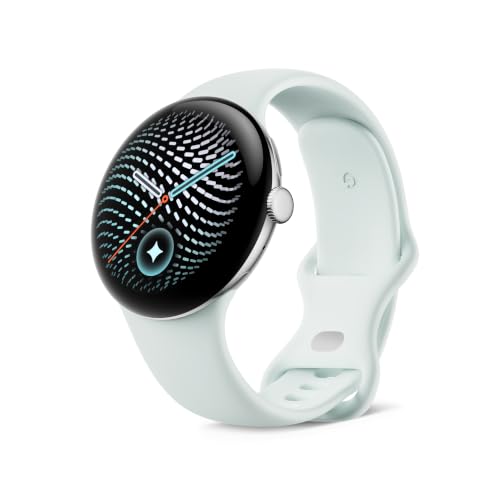
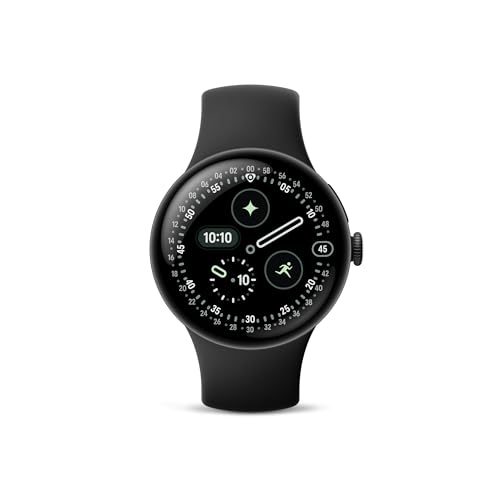
Start by confirming that the watch works with your phone and your carrier, because cellular models are tied to both. The comparison table below brings case sizes, battery claims, and plan details together for a fast first check.



What Each Budget Level Generally Delivers
Budget in this category does not mean basic in the old sense, since even entry models track workouts and show notifications. What changes with price is screen quality, health sensing depth, build materials, and how long the battery lasts with the cellular radio active. The levels below describe the usual pattern so you can shop by outcome rather than by spec lists.
Budget Level: Connected Essentials for Less
Budget cellular models, often around $150 to $250 before plan costs, cover calls, texts, GPS tracking for runs, and standard workout modes. Screens are bright enough indoors, cases are usually aluminum or sturdy polymer, and health tracking centers on heart rate and sleep basics. Battery life with cellular use may mean charging every night, which suits a routine where the watch rests on a charger overnight anyway. Choose this level for a first cellular watch or for a teen who mainly needs reachable independence.
Midrange Level: The Balance Most People Want
Midrange watches around $250 to $400 add brighter displays that stay readable in sun, faster processors, and more complete health tools such as blood oxygen readings and detailed sleep stages. Cases feel more solid, water resistance suits swimming, and batteries stretch a little further between charges. App choice and music storage improve too, which matters when you leave the phone behind on purpose. For most adults who run, cycle, or commute without a phone, this is the level to beat.
Premium Level: Top Screens, Sensors, and Materials
Premium models, often around $400 to $800, pay for sapphire crystal or similarly tough glass, titanium or stainless cases on some lines, and the most advanced health and safety features. Expect sharper screens, dual band GPS for accurate routes in cities, and extras such as skin temperature trends and emergency satellite or fall detection features on select ecosystems. Battery life can extend to several days in low power modes. Buy premium if you train seriously, want the watch to look at home with formal clothes, or keep devices for many years.
What Your Money Gets You at Each Price Tier
Budget Tier: What to Expect
At the budget tier, put your money toward carrier compatibility and a readable screen before chasing extra sport modes you may never open. Expect plastic or aluminum cases, standard glass, and straps in silicone that handle sweat well. Software updates may run for a shorter span than on flagship lines, so check the support window if you keep watches for years. A budget watch that connects reliably beats a feature packed one that drops calls or drains by noon.
Midrange Tier: The Sweet Spot for Most Buyers
The midrange tier is where cellular performance, health tracking, and battery life meet without the luxury markup for rare metals. You typically gain an always on display option, onboard music, contactless payment, and voice assistance that works away from the phone. Shoppers comparing the wider field can start with our overview of the best of smartwatches to see how cellular models sit beside GPS only versions. For most buyers, any money left after this tier is better spent on a second strap or a spare charger.
Premium Tier: When Spending More Pays Off
Spending more pays off when you use the watch as a true phone replacement for hours at a time, train with detailed metrics, or need rugged water resistance for open water swimming and trail use. Premium pricing also buys longer software support on many lines, which protects your purchase over time. If your use is calls, texts, and step counts, the premium step adds polish more than function. Match the tier to your longest typical day away from a charger.
Features Worth Paying For (and Ones to Skip)
Case Size and Wrist Fit
Case size decides comfort more than any other choice, with common options around 40 to 49 mm across and varying thickness that affects how the watch sits under a cuff. A case that overhangs your wrist will catch on sleeves and feel heavy during workouts, while a smaller case may crowd text and touch targets. Measure your wrist, then favor the smaller size if you fall between options, since cellular antennas and sensors work the same in both. Lug to lug length and strap taper also shape fit, so photos on real wrists help more than studio shots.
Water Resistance Rating
Water resistance on smartwatches is usually stated as 5 ATM or 10 ATM, or as a depth figure such as 50 m or 100 m, and these ratings describe pressure tolerance rather than a safe diving depth. A 5 ATM watch handles showers, rain, and pool swimming, while higher ratings suit open water and more rugged use. No rating makes a watch safe for hot tubs or high pressure water jets, and leather straps should stay dry regardless. Rinse the watch in fresh water after salt water or heavy sweat to protect seals and sensors.
Strap and Bracelet Options
Silicone and woven nylon straps suit workouts because they rinse clean, dry fast, and flex with a swelling wrist, while metal and leather options dress the watch up for work. Quick release pins let you swap straps in seconds without tools, which turns one watch into several looks. Check the lug width before buying spare straps, since sizes differ between models even within one brand. Men comparing fit and styling often start with our guide to the best men's smartwatches, while women can compare case sizes and strap choices in our guide to the best women smartwatches.
Crystal and Case Materials
Sapphire crystal resists scratches far better than mineral or standard strengthened glass, which matters on a screen you glance at and tap all day. Aluminum cases keep weight and cost down, stainless steel adds heft and a classic shine, and titanium splits the difference with strength at low weight. None of these materials changes cellular reception in daily use, so choose by durability, weight, and budget. If you work with tools or climb, sapphire and a raised bezel earn their price quickly.
Movement Type and How Smartwatches Differ
A smartwatch has no quartz or automatic movement at all, because a rechargeable battery and a processor drive the display and radios instead of gears. That means no winding, no movement servicing, and accuracy set by network time rather than by a crystal oscillator you maintain. Solar charging appears on some sport focused lines as a supplement, but cellular use still relies on the main battery. Readers weighing a classic watch against a connected one should treat them as different tools, a timepiece versus a small phone on the wrist.
Best Cellular Smartwatches for Specific Needs
Best Kids Cellular Smartwatches: Where Your Money Goes
For best kids cellular smartwatches, your money should go to parent controls, GPS location checks, and a tough case rather than apps or games. Look for approved contact lists so only family can call, school modes that silence the watch in class, and water resistance for hand washing and rain. Plans for kids often cost less than adult add on lines, but confirm the monthly fee and coverage before you buy the hardware.
Phone pairing is the other dividing line in this category. Owners of Apple phones gain the smoothest setup and the widest app support from watches built for that ecosystem, a point covered in our guide to the best iphone smartwatches. Fitness focused buyers should compare workout depth and recovery metrics in our guide to the best smartwatches fitness before deciding which sensors deserve their money.
Long Term Costs to Factor In
The watch price is only the start, because cellular service usually adds a monthly line fee, often around $10 to $15, plus taxes that vary by carrier. Over two years that plan can cost as much as a budget watch, so include it in every comparison you make. Replacement straps, a spare charger for travel, and a screen protector add small ongoing costs, and out of warranty battery service can be pricey on sealed premium models. Check how many years of software updates the maker promises, since a watch that stops updating loses app and security support long before the hardware wears out.
Frequently Asked Questions
What case size fits my wrist?
Measure around your wrist just behind the wrist bone, then match the result to the case range the maker suggests for small or large wrists. A case whose lugs stay within the width of your wrist will look balanced and feel stable during workouts. If you read messages often, the larger case gives bigger text and easier taps. When torn between sizes, choose the smaller one for sleep tracking comfort, since you will wear it all night.
Is a smartwatch worth it over a classic watch?
Yes, if you value calls without a phone, health tracking, contactless payment, and safety alerts enough to charge a device daily or every few days. A classic watch wins on longevity, simplicity, and never needing a charger or a plan. Many people own both and switch by occasion, connected on training days and classic for formal events. The honest answer depends on whether the extra functions solve daily problems for you or just add notifications.
How long does a cellular smartwatch battery last?
Most cellular smartwatches last about one to two days per charge, and heavy cellular use, bright always on screens, and GPS workouts pull that toward the shorter end. Low power modes can stretch some models to several days by limiting radios and background checks. Battery health fades slowly over years, so a watch that barely makes your day when new will frustrate you later. If you track sleep, build a morning charging routine while you get ready.
Quartz or automatic: which is better for a smartwatch?
Neither applies, because smartwatches use rechargeable batteries and processors rather than quartz or automatic movements. The question matters only for traditional watches, where quartz offers accuracy and low upkeep and automatic movements offer mechanical craft with periodic servicing. On a smartwatch, judge timekeeping by its network sync, which keeps the displayed time accurate automatically. Spend your comparison effort on battery life, screen quality, and update support instead.
How water resistant should a cellular smartwatch be?
Choose at least 5 ATM if you swim or shower with the watch, since that rating covers pool laps, rain, and daily splashes with confidence. Occasional hand washing and workouts need less, but higher resistance costs little and protects against accidents. Remember that ratings assume gentle use, so avoid pressing buttons underwater and keep the watch away from hot water and steam. After ocean use, rinse and dry the watch before charging.
Our Verdict
Confirm carrier and phone compatibility first, then choose case size for comfort and battery life for your longest day. The product table above gathers those essentials so you can compare without digging through spec sheets. For most people, the best cellular smartwatches are the midrange models that stay connected all day, track health honestly, and keep plan costs under control.


