Best Cellular Routers: Matching the Right Router to Your Signal and Home 2026
Disclosure: We may earn a commission when you buy through links on this page, at no extra cost to you. As an Amazon Associate I earn from qualifying purchases. Learn more

Cellular routers use mobile data instead of a fixed line, so this guide covers signal, data plans, wifi coverage and backup use, with fit and care tips.
The best cellular routers turn a SIM card and a mobile signal into a normal wifi network, which makes them the answer for homes that cannot get cable or fiber, for cabins and RVs, and for offices that need a backup when the main line fails. The right one depends on which network serves your address, how many devices share it and whether the router will live indoors or on a pole outside.
The product table above lists the models to compare. This guide explains the choices behind them: 4G or 5G, how a router differs from a hotspot, which ports and antennas matter and what the monthly data plan really costs.



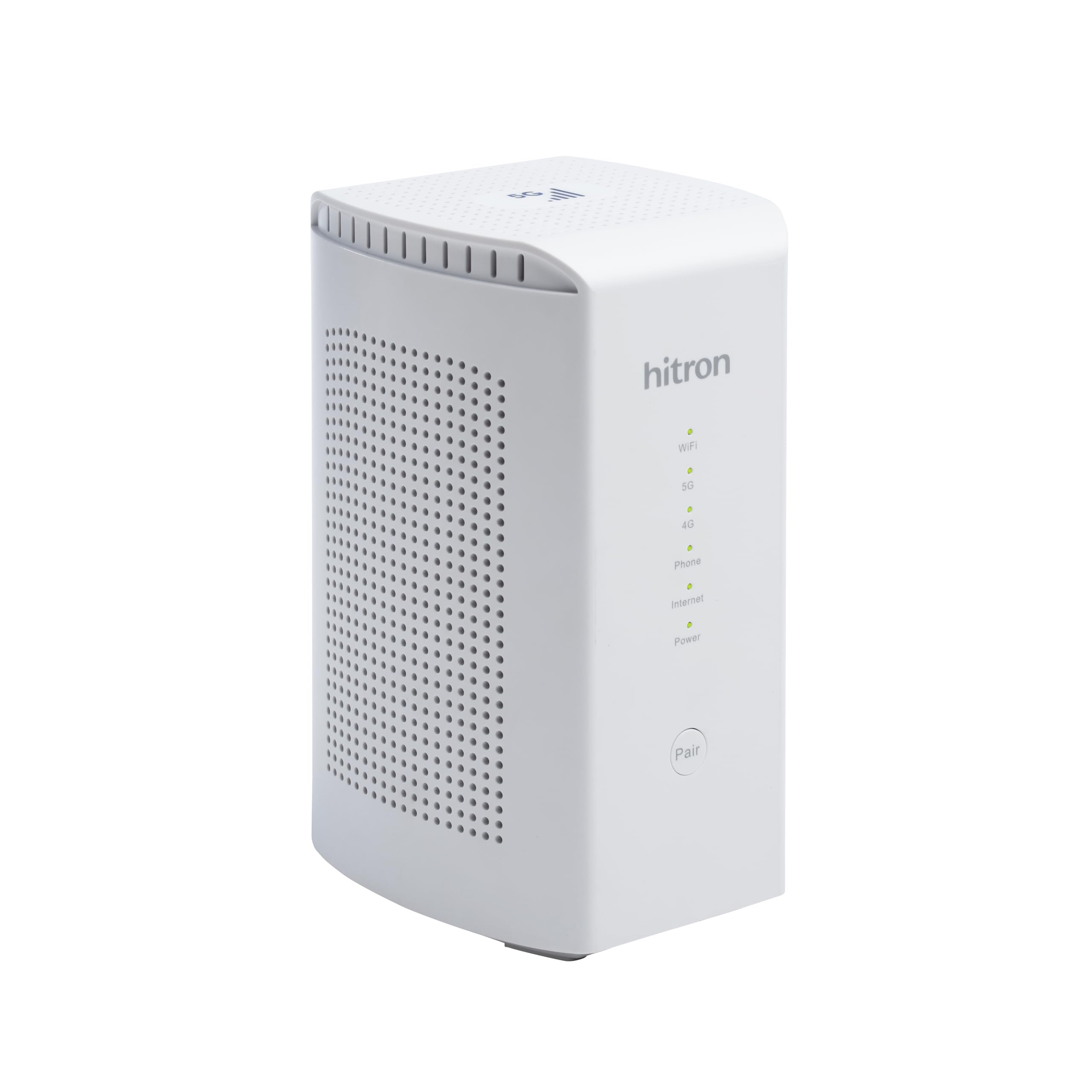



4G LTE or 5G: Which Cellular Router Fits
A 4G LTE router is the sensible pick where 5G coverage is patchy. LTE speeds of 20 to 100 Mbps cover streaming, video calls and a few devices, and the routers cost far less. A 5G router adds higher peak speeds and lower delay, but only pays off when your carrier has strong 5G at your address. Many 5G models fall back to LTE, so a 5G unit still works in a weak area.
Check the network type too. Standalone (SA) and non-standalone (NSA) 5G both exist, and a router that supports both gives the widest carrier choice. Look for a model that lists the bands of your carrier, since a router built for one network may miss the band your tower uses.
Router, Hotspot or Gateway
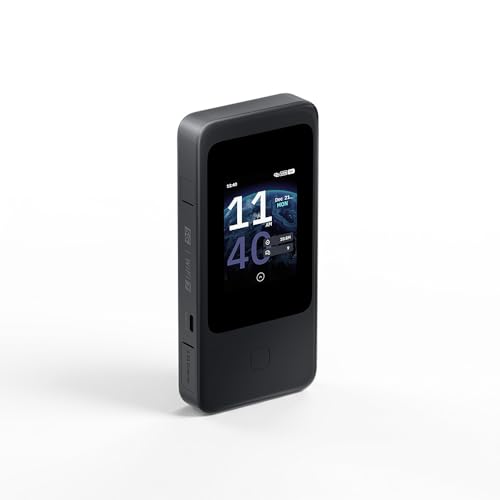
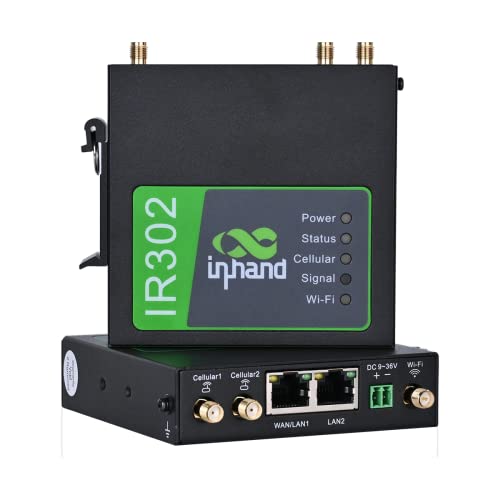
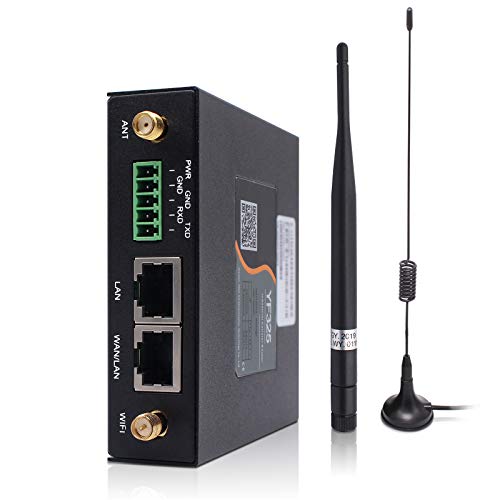
A mobile hotspot is a pocket device that shares data with a few phones and laptops and runs on a battery. A cellular router is built to stay plugged in, offers Ethernet ports and handles many more devices. A cellular gateway or industrial router adds features such as VPN, dual SIM failover and wide voltage input, which suit remote sites, vehicles and small businesses.
For a family home, a plug-in router with wifi 6 and a few gigabit ports is usually the best match. For a work van or a small shop, an industrial unit with dual SIM failover keeps the connection alive when one carrier drops out.
Features That Decide Daily Use
Antenna connectors: Detachable antenna ports let you add a stronger external antenna, which often matters more than the router model itself in a weak signal area.
SIM slots: Dual SIM models switch between two carriers or to a second plan when the first fails, and some also support eSIM.
Wifi standard: Wifi 6 handles many devices at once; wifi 5 is enough for a small household with a modest plan.
Ethernet ports: Gigabit ports let you wire a work computer, a TV or a mesh system, and a WAN port lets the router back up a fixed line.
Carrier certification: Models certified for Verizon, AT&T or T-Mobile are less likely to hit locked settings or missing bands.
Management and security: A clear app or web page, firmware updates and VPN support matter if the router serves a business.
Placement and Signal
Signal quality shapes speed more than the router model. Check the bars on a phone from the carrier you plan to use, in the spot where the router would sit, and move it near a window or to a higher floor if the reading is weak. Walls, metal roofs and basements cut mobile signals sharply.
When the indoor signal stays weak, an outdoor antenna or an weatherproof outdoor 5G unit mounted on a pole or wall usually fixes it. Keep the cable run short, because long thin cables lose signal before it reaches the router. Give the router airflow and keep it away from heat, since a hot unit slows down.
What Cellular Routers Cost
Home 4G routers typically run about $70 to $180. Mid range 5G routers sit around $150 to $400, and industrial or multi-carrier units reach $500 or more. The data plan is a running cost on top: unlimited home internet plans from mobile carriers often charge a flat monthly fee, while prepaid and business plans may cap high speed data.
Read the plan terms before buying. Some plans slow video at peak hours, restrict use to one address or limit router use. A cheap router on a poor plan usually costs more over a year than a better router on a fair one.
Mistakes to Avoid
Buying a router without checking that it supports the bands of your carrier.
Judging by the advertised top speed instead of the speed your signal can deliver at your address.
Hiding the router in a cupboard or basement, where the signal is weakest.
Ignoring data limits, which can leave a household throttled in the middle of the month.
Leaving the default admin password in place, which exposes your network.
Related Guides to Compare
If your internet comes from a fixed line and you only need better wifi, the guide to best wlan routers covers standard wifi routers and how to choose between them.
Frequently Asked Questions
Is a cellular router the same as a mobile hotspot?
No. A hotspot is a small battery device for a few phones, while a cellular router is built to stay plugged in, with Ethernet ports, stronger wifi and room for many devices.
Can a cellular router replace home internet?
Yes, in many areas. If your carrier offers a home internet plan and the signal at your address is strong, a cellular router can serve a household for streaming, calls and remote work. Heavy gaming and large downloads may need a plan without a data cap.
Do I need an external antenna?
Only when the built-in antennas give a weak reading at your spot. Models with detachable antenna ports let you add one later, which is why that feature is worth checking before you buy.
Which SIM card do I use?
Use a data SIM from a carrier with good coverage at your address. Check that the router supports that carrier's bands and that the plan allows use in a router rather than a phone only.
Is 5G worth the extra cost?
Choose 5G when your carrier has strong coverage at home and you have many devices or heavy use. In a weak area, a good LTE router with an outdoor antenna often beats a 5G model.
Final Thoughts
Match the router to your signal, your devices and your plan first, then use the table to compare models. The best cellular routers for most homes are the ones that support your carrier bands, accept an external antenna and come with a data plan you can afford every month.