
Best Cell Phone Speakers: A First Time Buyers Guide to Louder, Clearer Phone Sound 2026
Disclosure: We may earn a commission when you buy through links on this page, at no extra cost to you. As an Amazon Associate I earn from qualifying purchases. Learn more

Which cell phone speakers suit your habits: Bluetooth, stand or plug in, with clear checks on driver size, battery life and setup.
A phone speaker is thin, tinny and easy to muffle with a hand or a pillow, which is why people look for something bigger the first time a video sounds hollow in a kitchen. The best cell phone speakers fix that in one of three ways: a rechargeable Bluetooth speaker, a stand that amplifies the phone itself, or a small speaker that plugs straight into the phone. Each suits a different habit, so it pays to decide how you listen before you compare models. The product table above lines up the options with their prices.
This guide explains the three types, the specifications that change how a speaker sounds in real rooms, and the setup habits that make a small speaker sound larger than it is.
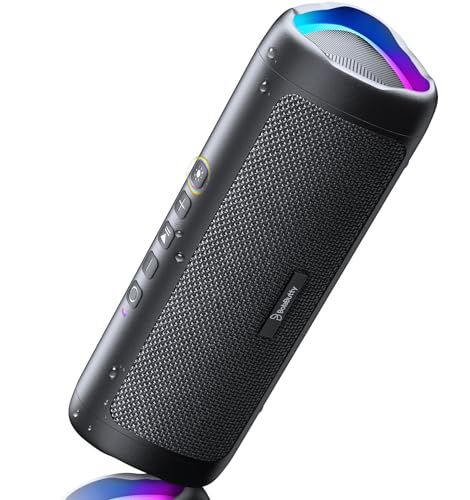


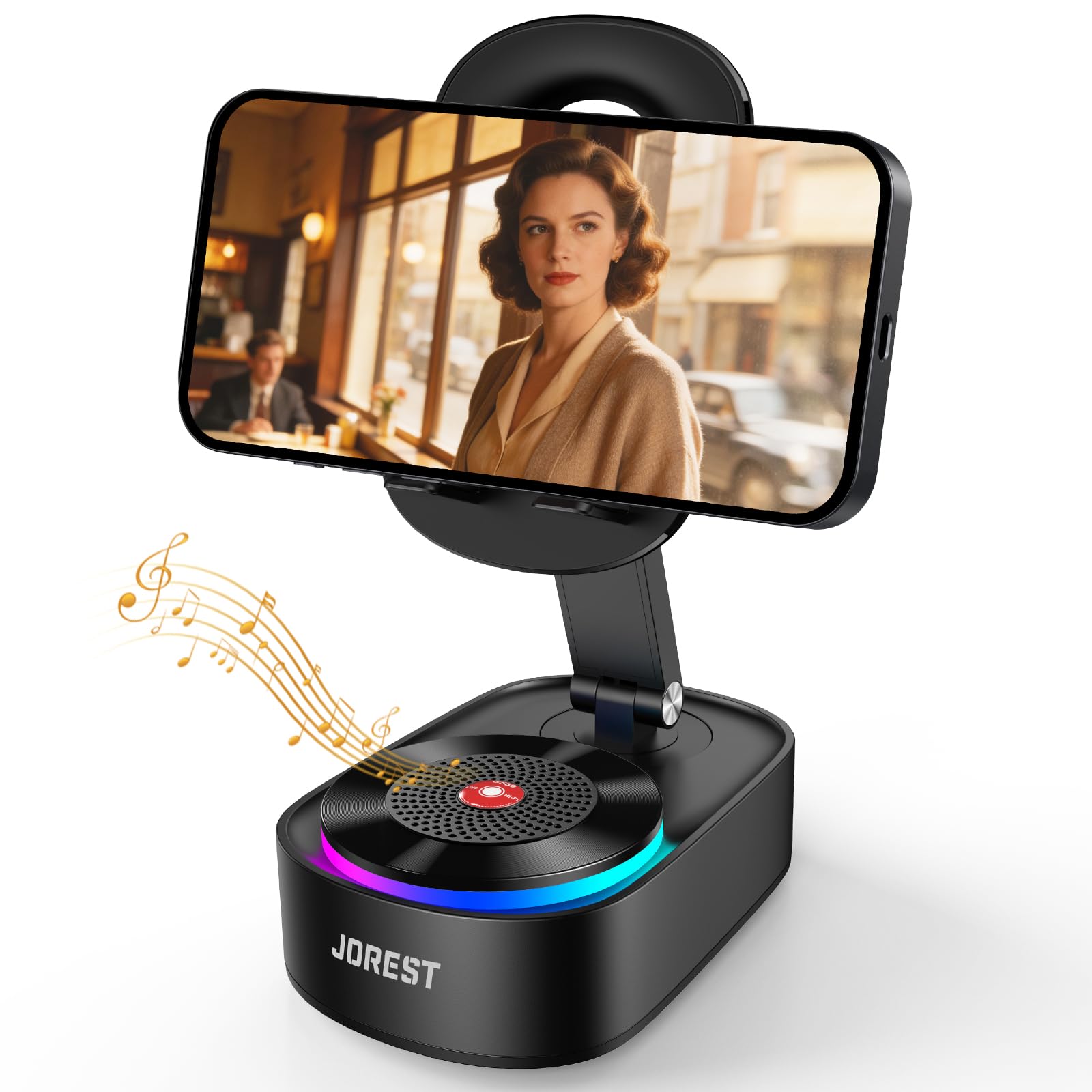


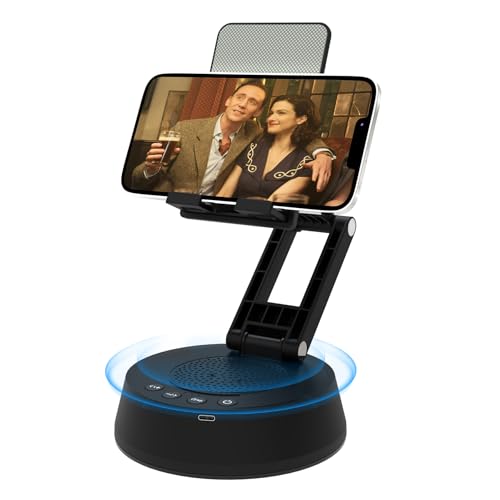
Three Types of Cell Phone Speakers
Portable Bluetooth Speakers
These are the all rounders: a rechargeable body with a real driver and often a passive radiator, paired to the phone over Bluetooth. They move from desk to kitchen to patio, and many carry a water resistance rating. Bass is better than any other type here, but you need to charge them and re pair if you switch phones.
Stand and Induction Speakers
A stand speaker holds the phone upright and boosts its own sound, and induction models need no pairing at all because the phone sits on the unit. They suit a desk, a bedside table or a kitchen counter where you follow a recipe video. The sound is louder and clearer than the bare phone, but bass stays light because the cabinet is small.
Plug In and Car Speakers
Tiny plug in speakers draw power from the phone and add volume for calls and podcasts without pairing. Visor and dash speakers do the same job for hands free calls in a car. They are cheap and simple, though battery drain on the phone and modest sound are the trade offs.
Specifications That Change the Sound
Driver and Cabinet Size
A larger driver in a larger cabinet moves more air, so it gives fuller bass at the same volume. Wattage numbers on the box say little, because makers measure them differently. Compare physical size and weight instead, and read whether the model has a passive radiator, which adds low notes without more power.
Battery Life and Charging
Quoted playing time is measured at moderate volume, so expect less when you push the speaker or play in the cold. About ten hours covers a long day, and twenty or more suits travel. USB C charging is the most convenient, because it matches the cable you already carry for the phone.
Connection and Latency
Bluetooth works with every modern phone, but a small delay can put voices out of step with lips in video. Some speakers offer a wired input that removes the delay, and induction stands avoid the issue by amplifying the phone acoustically. If you watch more than you listen, check how the maker handles video sync.
Microphone for Calls
Many speakers include a microphone for speakerphone calls. It works well within a few feet in a quiet room and poorly in wind or an echoing kitchen. Treat it as a convenience for short calls, and keep earbuds for important ones.
Water and Dust Resistance
If the speaker will sit by a sink, pool or patio, look for an IP rating, with IPX5 handling splashes and IP67 adding dust protection and a brief dip. Ratings assume fresh water, so rinse off salt and dry the speaker before charging it.
Where Each Type Works Best
For a kitchen or bedside, a stand speaker is the simplest answer because the phone stays visible and nothing needs pairing. For a patio, a trip or a party, a rechargeable Bluetooth model gives the volume and bass you need, and the guide to the best portable speakers for cell phones goes deeper on size and battery. For a desk where the phone is also your music source, compare the options covered in the guide to the best cell phone external speakers. If you prefer to skip the cable entirely, the guide to the best wireless speakers for cell phone use covers pairing and range.
Setup Habits That Improve Any Small Speaker
- Place the speaker on a firm surface near a wall, which reinforces bass and avoids the boomy sound of a hollow table.
- Keep it out of bags, drawers and cabinets while playing, because muffling cuts treble badly.
- Use the phone volume and the speaker volume together, keeping the speaker near its midpoint to avoid distortion.
- Charge before the battery runs fully flat, and store the speaker dry between trips.
- Wipe the grille with a dry cloth now and then, since dust in a small grille dulls the treble.
Common Mistakes to Avoid
- Buying by wattage alone, when cabinet size and driver quality say more about small speakers.
- Ignoring real battery life, then finding the speaker silent halfway through a film.
- Choosing a pocket sized speaker for a large room, where it strains and distorts at high volume.
- Skipping the water rating for a speaker that will live in a kitchen or on a patio.
- Expecting stand speakers to match the bass of a rechargeable Bluetooth model.
Budget and Value
Stand and plug in speakers start under $20, and most good portable Bluetooth speakers fall between about $25 and $100. Within that range, spend on driver size and battery life if you listen away from a desk, and spend less on extras such as lights or gift packaging. A mid range model usually gives the best balance, and larger room speakers cost more for volume most phone listeners never use. For background on what built in phone sound can and cannot do, see our guide to the best phone speakers and the notes on best speakers on a cell phone.
Frequently Asked Questions
Which type of cell phone speaker sounds best?
A rechargeable Bluetooth speaker with a passive radiator gives the fullest sound for the money, because its driver and cabinet are larger than those in stand or plug in models. Stand speakers win on convenience, and plug in speakers win on price. Choose by where you listen, not by the highest volume claim.
Do I need Bluetooth for a phone speaker?
No. Induction stands and plug in speakers work without pairing, which suits people who dislike setting up devices. Bluetooth adds freedom to move the speaker away from the phone and is standard on portable models. If you use more than one phone, a speaker with multipoint pairing saves repeated setup.
How long should the battery last on a phone speaker?
Most portable models give about 10 to 20 hours at moderate volume, with small units near the low end. Loud playback, heavy bass and cold weather shorten that time. Pick a speaker that covers your longest listening day with some margin, so you rarely think about charging.
Can a phone speaker improve call quality?
It can make the other person easier to hear, because the speaker is louder and clearer than the phone. The built in microphone is still small, so callers may hear room echo. Place the speaker on a soft surface within a few feet, and use earbuds when call privacy or clarity matters most.
Is a stand speaker louder than a bare phone?
Yes, a good stand or induction speaker amplifies the phone sound noticeably and lifts the voices and midrange. It will not produce deep bass, but for podcasts, recipes and short videos the gain in volume and clarity is the main benefit.
Final Thoughts
Decide where you listen, then match the type: a stand for the desk or counter, a plug in unit for calls, or a rechargeable Bluetooth model for rooms and travel. Check driver size, real battery life and the water rating, and place the speaker well. Those steps matter more than any single number on the box, and they are what separate the best cell phone speakers from a loud but thin one.


