
Best Cell Phone External Speakers: Everything to Know Before Your First Purchase for 2026
Disclosure: We may earn a commission when you buy through links on this page, at no extra cost to you. As an Amazon Associate I earn from qualifying purchases. Learn more

Cell phone external speakers explained for first-time buyers: the specs that matter, simple setup steps and mistakes to avoid.
If your phone sounds too quiet for music in the kitchen, a podcast in the garage, or a movie on a trip, an external speaker is the simplest upgrade you can make. You do not need audio expertise to choose well; you only need a few key terms and a clear picture of where you will listen. This guide explains the best cell phone external speakers from the ground up, in plain language, so a first purchase feels easy.
We will cover what these speakers are, the specifications worth comparing, the mistakes new buyers make, and the simple steps for setting one up. The comparison table below collects the main specifications in one place, and the sections after it translate those numbers into everyday listening.

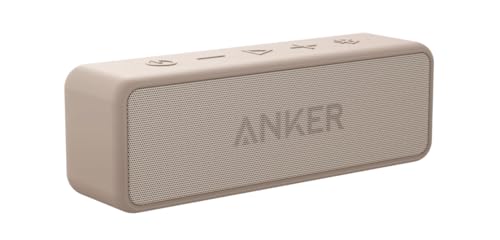
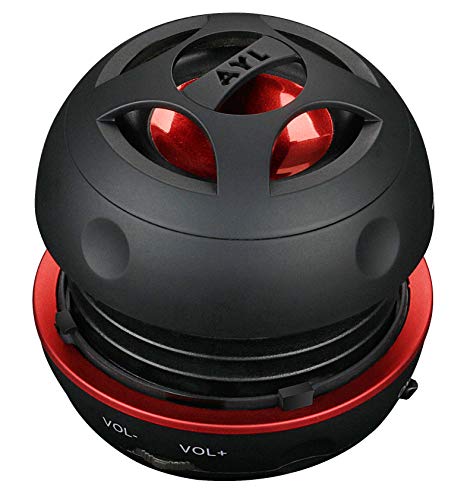


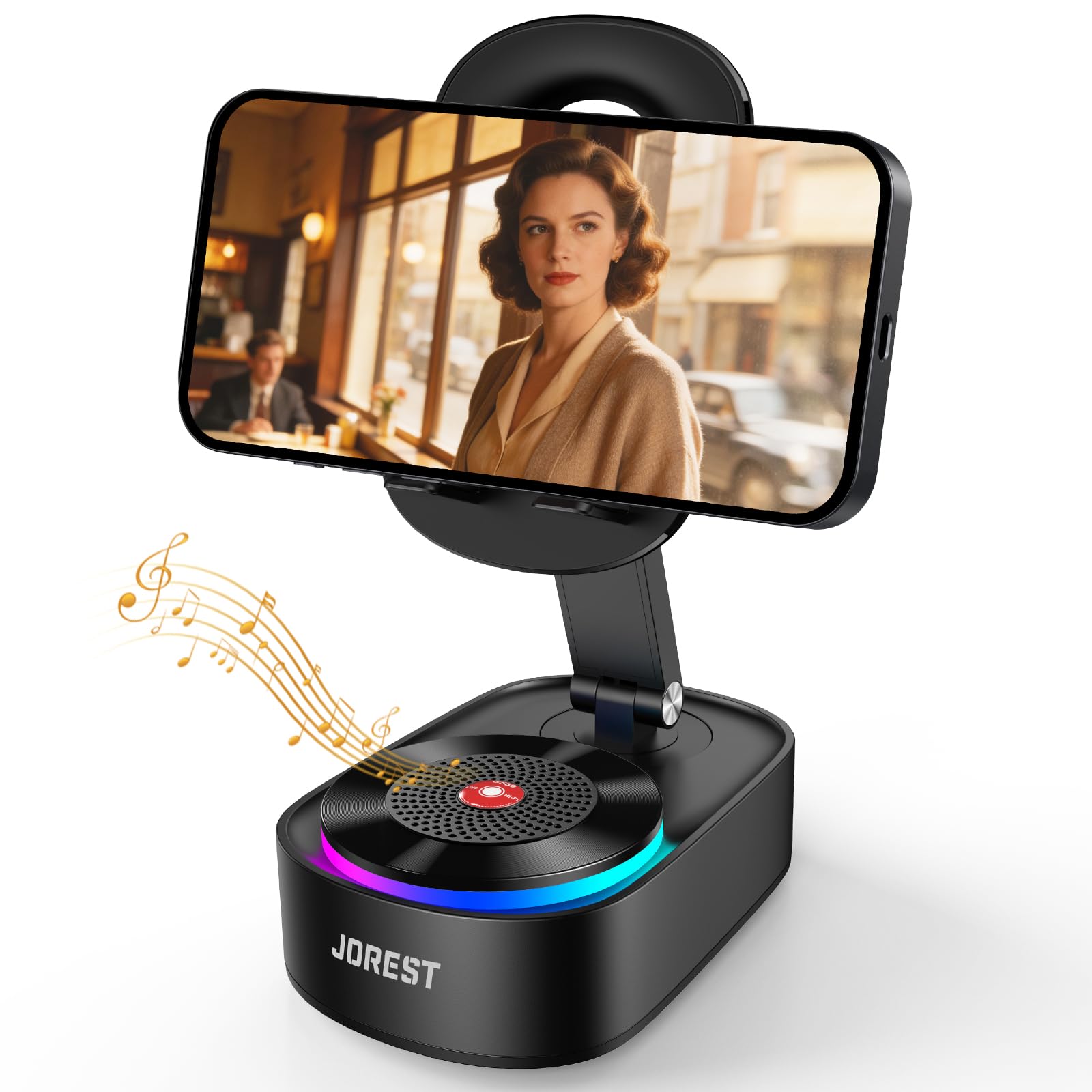
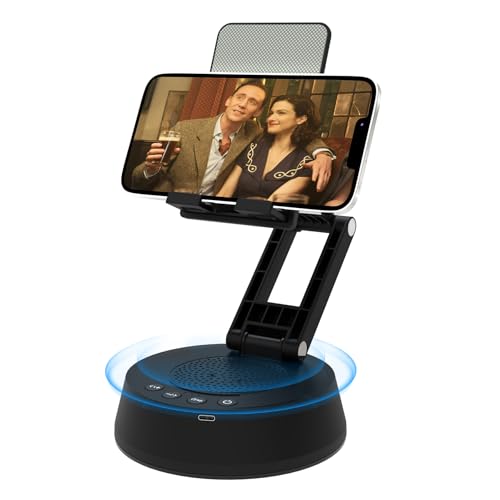
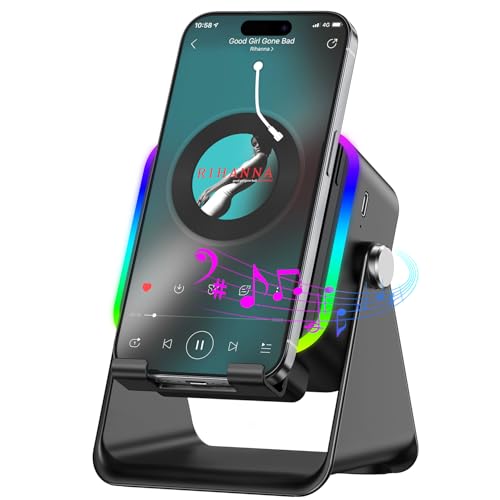
Cell Phone External Speakers 101: The Basics
An external speaker is a separate box with its own drivers and amplifier that plays sound from your phone, usually over a Bluetooth wireless connection. Your phone sends the audio, and the speaker turns it into sound far louder and fuller than tiny phone speakers can manage. Most models are portable, rechargeable, and small enough to move from room to room or take outside.
Connection options are simple. Bluetooth is the default and works with every modern phone. Some speakers also accept a cable through a 3.5 mm input, which is handy for older devices or for zero delay video sound. A few larger models add WiFi streaming at home, but for phone use Bluetooth covers nearly everything. If you want background on phone audio in general, our guide to the best cell phone speakers explains what your phone can and cannot do on its own.
Key Specs Explained in Plain English
Sound Quality and Tuning
Drivers are the parts that move air to make sound, and bigger drivers generally produce fuller bass. Frequency response describes the range from low bass notes to high treble, but brands measure it differently, so use it only as a rough clue. Tuning is the character the maker chose: some speakers sound warm and bass heavy, others sound neutral and clear for voices. For podcasts, audiobooks, and calls, clarity in the vocal range matters most. For music at a gathering, choose a larger speaker with a passive radiator, which is an extra panel that deepens bass without using more battery power.
Battery Life and Charging
Battery ratings tell you hours of play at moderate volume, and real results drop when you listen loudly. Around 10 hours suits a day of use; 20 hours or more is better for travel and weekends away. Nearly all new speakers charge over USB C, and many refill in two to three hours. A quick charge feature that adds a few hours from a short plug in session is genuinely useful when you forget to charge before guests arrive.
Microphone Quality
Many external speakers include a microphone so the speaker can double as a speakerphone. In a quiet room, sitting within a few feet, callers usually hear you clearly. In wind, traffic noise, or a echoing kitchen, quality falls quickly because the small microphone picks up the whole room. If you take work calls often, treat the speaker microphone as a convenience, not a replacement for holding the phone or using earbuds. Place the speaker on a soft surface to reduce vibration noise during calls.
Ecosystem and App Features
Most brands offer a free companion app that adjusts EQ, updates firmware, and pairs two matching speakers for true stereo sound. EQ controls let you raise bass for a party or lift voices for a podcast, which can rescue a speaker whose default tuning does not suit you. Stereo pairing only works within the same brand and usually the same model line, so buy with that in mind if stereo matters. Firmware updates fix pairing glitches, so installing the app for the first week is worthwhile even if you delete it later.
Size and Weight
Size decides both sound and portability. Speakers under one pound slip into a bag and suit hotel rooms and desks, but their bass is modest. Models between two and four pounds fill a room or patio with ease and still move easily around the house. Larger party speakers stay in one place. Match the speaker to the room: a small speaker straining at full volume in a big yard sounds worse than a medium speaker playing comfortably at half volume. Handles, straps, and flat bases all make daily handling easier.
Rookie Mistakes to Avoid
- Buying by wattage alone, since watt claims are not standardized and say little about real sound quality or tuning.
- Ignoring the IP rating, then using a splash sensitive speaker at the pool or in the rain and damaging it.
- Choosing the smallest speaker for outdoor parties, where open air swallows bass and demands more output.
- Forgetting to check Bluetooth multipoint if you switch between a phone and a laptop all day.
- Skipping the return window test: listen at home during the return period, because room acoustics change how a speaker sounds.
One more quiet mistake is overlooking where the speaker will live. A model that charges from a rare cable type or lacks a stable base becomes annoying within a month. Readers comparing connection styles can also see our guide to the best wireless speakers for cell phone use, which focuses on pairing and range.
Getting Started: Setup and First Use
Charge the speaker fully before first use, then hold its Bluetooth button until the indicator light flashes to enter pairing mode. Open Bluetooth settings on your phone, select the speaker name, and play a familiar song at moderate volume to judge the tuning. Install the companion app, check for a firmware update, and try the EQ presets while that same song plays. Test a short call to learn how the microphone sounds, and try the speaker in the room where it will live most often.
After setup, store the speaker in a case or a padded spot to protect the drivers, keep it away from prolonged heat such as a sunny car dashboard, and recharge it before it sits unused for months. If you travel often, the advice in our guide to the best portable speakers for cell phones covers packing and battery care in more detail.
FAQs
How long does the battery last?
Most external speakers last about 10 to 20 hours on a charge at moderate volume, with compact models at the lower end and large models sometimes passing 24 hours. Loud volume, heavy bass, cold temperatures, and using the speaker to charge your phone all reduce that time. A good rule for first time buyers: pick a rating at least double your longest typical listening session, and you will rarely think about the battery again.
Is noise cancelling worth the extra cost on an external speaker?
No, active noise cancelling is a headphone feature and does not meaningfully apply to a speaker playing into open air. Do not pay extra for that wording on a speaker box. What actually helps in a noisy room is higher clean volume, clear vocal tuning, and placing the speaker closer to listeners rather than across the room. Save the money and put it toward a larger driver or a better water resistance rating instead.
Wired or wireless: which sounds better?
Wired playback through a 3.5 mm input can sound marginally cleaner and has no audio delay, which helps with games and some video. Wireless Bluetooth is far more convenient and, with modern phones, the difference is small for music, podcasts, and streaming shows. Many speakers offer both, and that flexibility is worth having. Start wireless; keep a cable nearby for the rare times you notice lip sync delay or the battery runs out mid movie.
What IP rating do I need for outdoor use?
IPX5 is enough for rain showers and kitchen splashes, which covers most casual outdoor use. IP67 is the safer target for beach days, poolside listening, and dusty workshops because it adds full dust protection and survives a short dip in shallow water. Ratings assume fresh water and closed port covers, so rinse off salt water, dry the speaker before charging, and never charge a wet speaker even when the rating looks strong.
Do I need a special codec?
No special codec is required, because the standard Bluetooth codec built into every phone and speaker already sounds good for everyday listening. AAC pairs well with iPhones, and aptX can suit some Android phones, but tuning and speaker size change the sound far more. First time buyers should ignore codec lists on the box and spend their attention on driver size, battery life, and the return policy. You can explore more terminology in our overview of the best phone speakers and how they compare.
Final Thoughts
For a first purchase, keep the decision simple: match speaker size to your room, choose at least 10 hours of battery life, and pick an IP rating that fits where you listen. Bluetooth 5.3, USB C charging, and a companion app with EQ round out a sensible checklist. Judged that way, the best cell phone external speakers are simply the ones that fit your space and habits without fuss. Shortlist two or three options, then compare them in the product table above and in our roundup of the best speakers on a cell phone alternatives before you buy.


