Best Cell Phone Holder for Mountain Bike: What Actually Matters Before You Buy for 2026
Disclosure: We may earn a commission when you buy through links on this page, at no extra cost to you. As an Amazon Associate I earn from qualifying purchases. Learn more

Use a clear checklist for the best cell phone holder for mountain bike riding, covering grip strength, vibration control, bar fit, and weather protection.
A phone that bounces out of a holder on a rocky descent is not just annoying; it can mean a cracked screen and a lost ride recording. Mountain biking shakes, rattles, and soaks gear in ways that road riding never does, so a holder for the trail needs a stricter standard. This guide gives you a clear checklist for judging the best cell phone holder for mountain bike use before you spend anything.
The comparison table below lists the mounting styles and specifications side by side. Work through the criteria here in order, because a holder that fails the first two checks is not worth considering, no matter how good the rest looks.





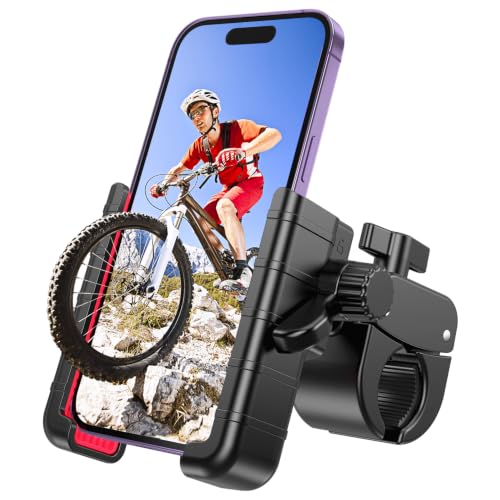
How to Evaluate Cell Phone Holders
Mounting System and Bar Fit
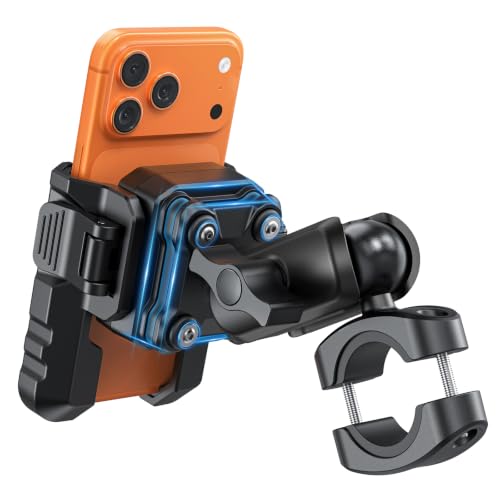
Start where the holder meets the bike. Handlebar diameters vary, commonly around 22.2, 25.4, 31.8, and 35 mm, and a good holder ships with shims or spacers to fit several sizes snugly. Stem and top cap mounts keep the phone centered and out of the way of your knees, while bar mounts can sit closer for a quick glance. Reject any mount that relies on friction alone without a mechanical clamp or a locking interface. Tighten it properly and test with a firm tug before your first trail ride.
Grip and Locking Mechanism
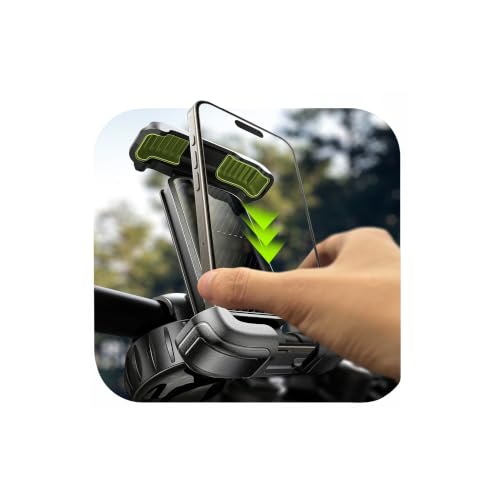
The holder must keep the phone through roots, drops, and washboard gravel. Look for a positive lock you can feel or hear engage, plus a secondary safety such as a silicone tether or a locking lever for rough trails. Spring loaded arms alone can walk open under repeated vibration. Squeeze the corners of the cradle and check that buttons and ports stay clear of the arms, because a clamp pressing a power or volume button mid ride is a common and frustrating flaw.
Vibration Damping and Camera Protection
High frequency vibration from rough trails can damage the optical image stabilization inside many modern phone cameras, a risk phone makers themselves warn about. A holder with a dedicated vibration damper reduces that exposure and is worth prioritizing if you ride rocky terrain often or record video from the bars. Rubber isolation, elastomer mounts, and floating cradle designs all help. Even with damping, consider using an older spare phone for long, harsh rides if your main phone camera is expensive to repair.
Case Compatibility and Phone Size
Measure your phone with its case on, because most riders keep a protective case fitted at all times. Check the holder width and depth ranges against that measurement, and confirm the corners clear thick or rugged cases. Universal cradles adjust to many sizes but can feel bulky; dedicated case based systems click in with a slimmer profile but lock you into that case. If you plan to upgrade your phone soon, an adjustable cradle is the safer buy, since it will still fit the new device.
Weather and Dust Protection
Trail rides bring rain, mud, and dust, so think about how the phone survives the weather, not just the mount. Enclosed pouch style holders shield the phone fully but trap heat and dull touch response. Open cradles rely on the phone own water resistance, which is fine for showers but not for stream crossings or heavy mud. Whatever style you choose, wipe grit out of the mechanism after wet rides, because sand in a locking mount wears it quickly and weakens the grip over time.
Screen Visibility and Touch Access
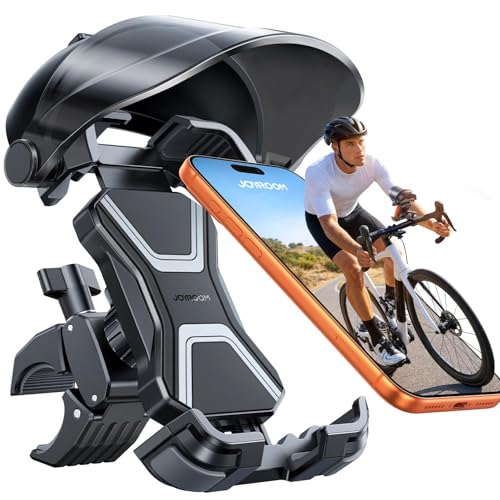
You should read navigation at a glance without leaning over the bars. A holder that tilts lets you cut glare from the sun, and portrait or landscape rotation helps depending on whether you follow a map or record video. Touchscreens work poorly with thick gloves and through wet plastic windows, so check touch sensitivity claims against your riding season. Keep interactions minimal while moving: set your route before you roll, and stop to make changes rather than tapping through menus on rough ground.
What Passes the Checklist at Each Price Tier
Budget Tier: Simple Cradles for Smooth Trails
Holders under about $25 are usually adjustable cradles with a basic clamp. They pass for smooth singletrack, gravel paths, and commuting, and they fit almost any phone and case. Most lack real vibration damping and a positive lock, so treat them as light duty. A silicone safety tether adds cheap insurance at this level. If your trails are gentle and your rides short, this tier does the job without overspending.
Midrange Tier: Locking Mounts with Damping
Between about $25 and $60 you find the best value for regular trail riders: mechanical locking interfaces, included bar shims, and optional or built in vibration dampers. Release is usually quick with one hand at the trailhead, and the hardware survives repeated mounting without loosening. This is the tier most riders should buy, because it protects both the phone and its camera while staying easy to live with every day.
Premium Tier: System Mounts for Hard Riding
Above about $60, holders become part of a system: a dedicated case or adhesive interface, precision machined mounts, and accessories for stems, bars, and other sports. The connection is the most secure of any tier and suits jumps, bike parks, and long backcountry rides. The catch is commitment, since changing phones or cases can mean buying system parts again. Choose this level when security matters more than flexibility, and compare it with the wider field in our guide to the best mountain bike phone holders.
Quick Buyer Checklist
- Does the mount fit your handlebar diameter, with shims included for a snug fit?
- Does the phone lock in with a positive click, not friction alone?
- Is there a secondary safety, such as a tether or a locking lever?
- Does it offer vibration damping to protect your phone camera?
- Does your phone fit with its everyday case still on?
- Can you tilt the screen to cut glare and switch between portrait and landscape?
- Can you remove the phone quickly with one hand at a stop?
- Does the clamp clear your phone buttons, ports, and camera lenses?
Red Flags to Watch For
- Vague sizing claims with no stated phone width range or bar diameter range.
- Spring only grips with no lock, tether, or damping on a holder marketed for rough trails.
- No mention of case compatibility, which often means slim phones only.
- Suspiciously uniform reviews that never mention vibration, rain, or a single drawback.
- A very short warranty or no stated warranty at all on a safety critical mount.
Similar warning signs apply across mounting styles, so it helps to compare terminology in our overview of the best mountain bike cell phone mount options and the related guide to the best mountain bike phone mount designs before you commit.
Tips to Get the Most From Your Cell Phone Holder
Use a case and a screen protector, since the holder protects against drops from the bars, not every crash. Download your route maps for offline use before you leave, because trail coverage is unreliable and a live map search drains the battery. Keep your phone software updated so navigation apps run smoothly, avoid charging the phone in extreme heat on the bars, and check mount bolts every few rides, because vibration slowly loosens hardware.
Frequently Asked Questions
What features matter most in cell phone holders for mountain bike?
A secure lock, the right bar fit, and vibration damping matter most, in that order. The lock keeps the phone attached through impacts, shims and a solid clamp keep the mount from rotating, and damping protects the camera stabilization hardware. After those three, judge case fit, screen tilt, and one handed release. Everything else, including color and extra accessories, is secondary to keeping an expensive phone on the bike.
Can a phone holder damage my phone camera?
Vibration from rough trails can affect the stabilization hardware in some phone cameras, and phone makers publish warnings about it for motorcycles and similar use. A holder with a dedicated damper lowers that exposure, and an older spare phone is a cheap way to avoid the question on long rocky rides. Check the maker guidance for your own phone before mounting it on a bike.
What handlebar sizes do phone holders fit?
Mountain bike bars commonly measure around 31.8 mm at the clamp, with some older bikes at 25.4 mm and newer ones at 35 mm. Many holders ship with rubber shims for several diameters, while stem and top cap mounts avoid the bar entirely. Measure your own bar before ordering, and read the listing for the exact range it supports.
Will a holder fit my phone with a thick case?
Often yes, if the cradle is adjustable and its width and depth ranges cover the phone with the case on. Rugged cases with raised corners need the most clearance, so measure the cased phone and compare it with the stated range. Case based systems click in with a slimmer profile but only work with their own case.
Is a pouch or an open cradle better in the rain?
A sealed pouch keeps water and mud off the phone but can trap heat and dull touch response, while an open cradle leaves the screen easy to use but relies on the phone own water resistance. Short showers suit either style. For stream crossings or heavy mud, a pouch is the safer choice, and wiping grit out of any mount after a wet ride protects the lock.
Final Thoughts
Run the checklist in order: bar fit, positive lock, vibration damping, then case fit and screen tilt. Most regular riders land happily in the midrange tier, while system mounts suit the hardest riding. Apple users will find sizing notes in our guide to the best mountain bike iphone holder as well. Pick the best cell phone holder for mountain bike riding that passes every line of that checklist, and compare your finalists in the product table above.