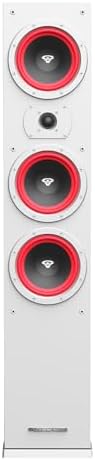
Best Ceiling Speakers for Conference Rooms 2026: Guide
Disclosure: We may earn a commission when you buy through links on this page, at no extra cost to you. As an Amazon Associate I earn from qualifying purchases. Learn more

Even coverage, clear speech and simple wired runs: what to look for in the best ceiling speakers for conference rooms.
Prices for a single ceiling speaker run from under $50 to well past $400, and the spec sheets rarely explain what the extra money buys. If you are choosing the best ceiling speakers for conference rooms in your building, the answer depends on voice clarity, coverage, and how the system handles a full day of calls. This guide breaks the market into clear tiers, and the product table below puts the core specs side by side.
A conference room is not a theater. Nobody needs deep bass for a sales call, but everyone needs to hear the far end without leaning in or asking for repeats. Spend with that goal in mind and the tiers below make a lot more sense.
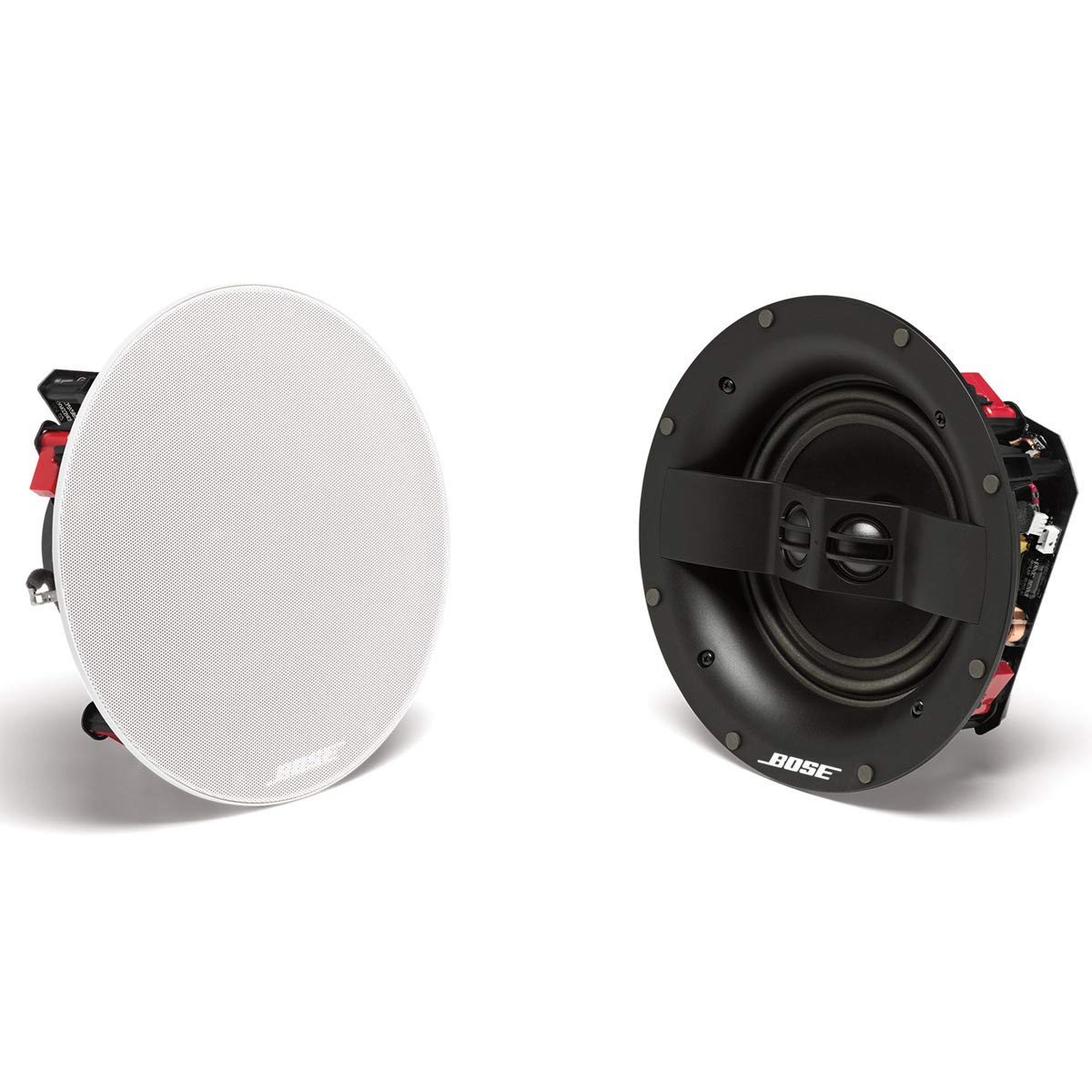


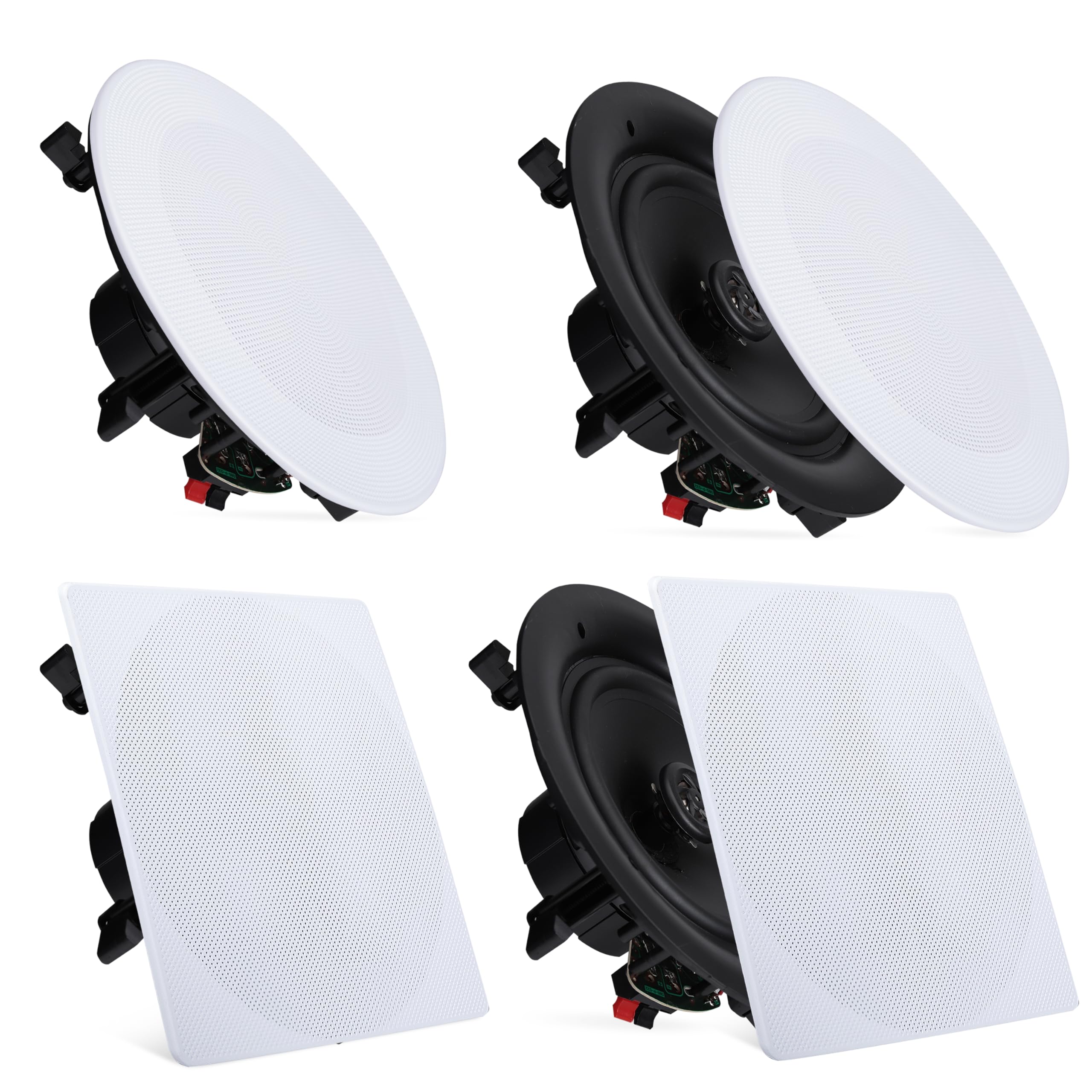


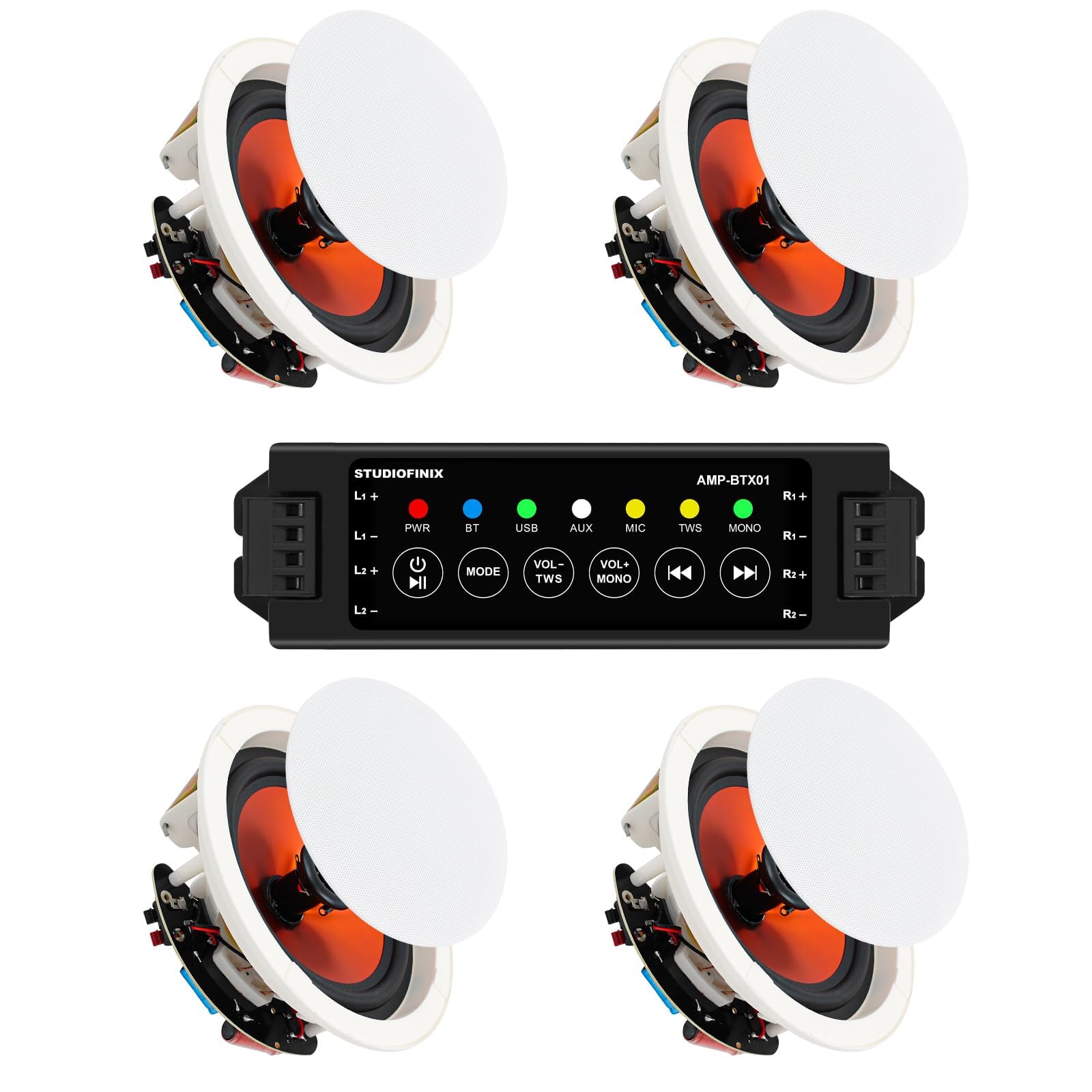
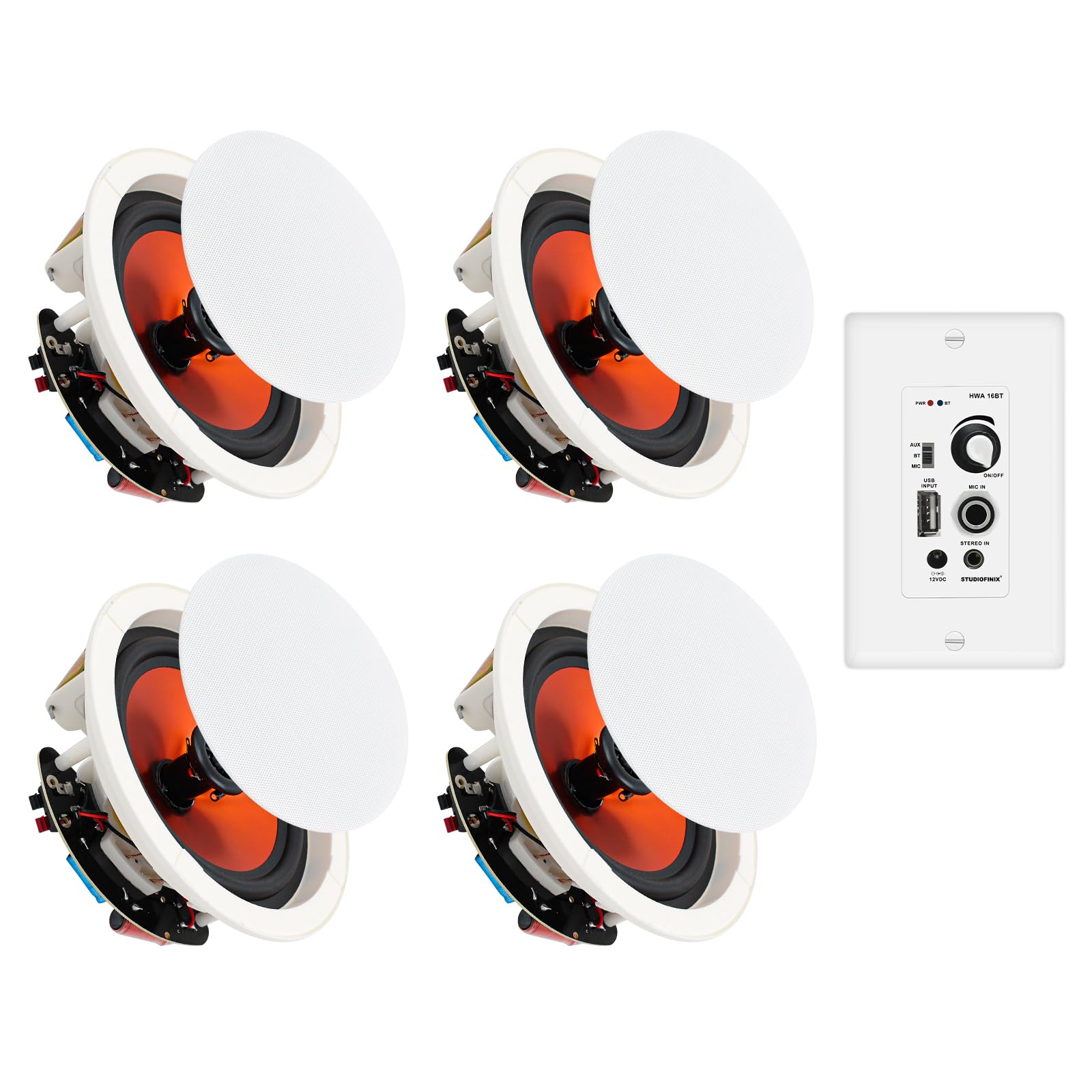
Three Budget Profiles
Treat these three profiles as tier descriptions rather than a ranking. Match the tier to your room size and call volume, then look for models that fit the profile and your ceiling type.
Entry Profile
A budget tier speaker, usually around $40 to $90 each, gives you a 6.5 inch driver, basic speech clarity, and simple clamp mounting. It suits a small huddle room where four to six people sit close to the table and calls are short. The limits are output and evenness. Turn it up for a larger group and voices thin out at the far seats, so buy this tier only for genuinely small rooms.
Midrange Profile
Midrange models at around $100 to $220 each add a better tweeter, wider dispersion, and often a tap selector for 70 volt commercial systems. Speech stays clear across a longer table, and music for presentations sounds fuller without strain. For most boardrooms and training rooms, this tier is the sensible default. It also tends to include a sturdier grille and a tile bridge option for drop ceilings.
Premium Profile
Premium ceiling speakers at around $250 to $450 each bring controlled dispersion, stronger enclosures, and voicing tuned for speech intelligibility over long sessions. Some add low profile designs that nearly vanish in a finished ceiling. This tier pays off in large boardrooms, rooms with glass walls that reflect sound, and spaces that host client facing calls where poor audio reads as poor preparation.
What Your Money Gets You at Each Price Tier
Budget Tier: What to Expect
At the budget level you get sound, but not much control. Expect a fixed tweeter, no enclosure, and coverage that favors seats near the speaker. A practical rule is one budget speaker per small seating cluster, because a single unit over a long table leaves the ends behind. Installation is simple, yet plan on a separate amplifier with enough channels, since budget speakers are passive and need power from somewhere.
Midrange Tier: The Sweet Spot for Most Buyers
Midrange money buys even coverage, which is the feature conference rooms feel most. Wider dispersion means fewer hot spots, so the person under the speaker is not blasted while the far end strains. You also gain transformer taps that let an installer set each speaker level during setup, a quiet advantage that keeps a long room balanced. If you are comparing general options as well, our guide to the best ceiling speakers covers mounting types that apply here too.
Premium Tier: When Spending More Pays Off
Premium pricing buys consistency and finish. Enclosed designs keep sound out of the ceiling cavity, which improves clarity and reduces leak into offices above. Better crossovers protect speech detail at low volume, useful for early calls you do not want booming down a hallway. In a flagship boardroom, the slim grille and quiet, even sound justify the step up. In a back office huddle room, they do not.
Features Worth Paying For (and Ones to Skip)
Sound Quality and Tuning
For speech, the midrange band matters more than bass or sparkle. Look for a frequency response that stays smooth through the voice range and a higher sensitivity rating, so modest amplifier power reaches comfortable call levels. A slight presence lift helps consonants, which is where names and numbers live. Deep bass extension is money wasted here, since call audio and presentation sound rarely reach low, and extra bass in a ceiling can excite rattles in light fixtures.
Placement and Room Size (for Speakers)
Placement decides coverage more than any spec. Space speakers so their patterns overlap gently over the table, usually one speaker per about 100 to 150 square feet of seating area in a typical ceiling height. Keep them away from the microphone positions used by your conference system, or you invite feedback and echo. In long rooms, more speakers at lower level always beat fewer speakers turned up. Our overview of the best room speakers helps if you are weighing ceiling units against wall or table options for a mixed space.
Features That Matter for Conference Rooms
Conference use adds demands a living room never makes. The system must run for hours without fatigue, switch cleanly between call audio and presentation sound, and work with your conferencing platform volume control without hum or pop. Transformer taps for 70 volt lines matter in larger installs because one amplifier can drive many speakers over long runs. Plenum rated enclosures may be required where the ceiling space handles air return, so check local code before ordering. If your shortlist also includes table based systems, compare with our guide to the best conference room speakers before you commit to cutting holes.
Noise Cancellation and Isolation
Ceiling speakers do not cancel noise, and any listing that hints otherwise is dressing up a basic design. What matters is isolation in two directions. An enclosed speaker keeps call audio out of the floor above, which protects privacy, and a well sealed install keeps HVAC rumble in the ceiling cavity from coloring the sound. The noise cancelling that helps your calls lives in your microphone system and conferencing software, not in the speaker, so budget for it there instead.
Long Term Costs to Factor In
The speakers are only part of the bill. Add the amplifier or the 70 volt amp head, speaker wire rated for in ceiling runs, tile bridges for drop ceilings, and installer time if your team does not cut ceilings in house. Enclosed models cost more up front yet can save a later retrofit when a tenant above complains. Warranty length matters in commercial spaces because a failed speaker above a finished ceiling costs labor far beyond the part. Keep one spare speaker from the same production line in storage. Matching a discontinued model years later is harder than storing a box today.
Energy cost is minor, since passive speakers draw nothing at rest and the amplifier idles low. The real long term cost is downtime. A room that sounds bad gets avoided, and that lost use dwarfs any saving from a cheaper tier.
Ceiling Speakers: Your Questions Answered
What features matter most in ceiling speakers for conference rooms?
Even coverage and speech clarity matter most, ahead of bass or maximum volume. Look for wide dispersion, a high sensitivity rating, and transformer taps if you plan a larger install. One point the tier sections did not cover is the ceiling itself. A drop tile ceiling absorbs and leaks sound differently from drywall, so confirm the mounting hardware suits your ceiling type before you order.
Wired or wireless: which sounds better?
Wired sounds better and, more importantly, behaves better in a work setting. A wired ceiling system turns on with the room, needs no pairing, and never drops a call for a flat battery. Wireless ceiling options exist for music, but a conference room rewards boring reliability. Choose wired, and put any wireless budget toward a better microphone instead.
How many ceiling speakers does a conference room need?
Plan roughly one speaker for every 100 to 150 square feet of seating area, and add more at lower level in long rooms. Soft furnishings or acoustic panels on one wall also help, because they calm echo that makes remote callers ask people to repeat themselves. Speakers cannot fix a live, glassy room on their own.
Do ceiling speakers need batteries or charging?
No. Passive ceiling speakers run on amplifier power for as long as the system is on. If a product page leads with battery hours, that product is a portable speaker, not a ceiling install unit. For a quick comparison with portable options people sometimes place on a table, see our guide to the best conference speakers.
Do I need a special codec?
No special codec is needed at the speaker. Your conferencing platform and its hardware handle audio encoding long before the signal reaches the amplifier. What does matter is a clean analog path, with balanced connections where the gear supports them, because long cable runs in a ceiling can pick up hum from lighting circuits. A codec choice will not fix a grounding problem.
Do conference room ceiling speakers need a moisture rating?
No, conference rooms are indoor spaces and a standard rating is enough. If the same project includes a covered terrace for events, choose moisture resistant models there and keep them out of direct spray. Do not pay an outdoor premium across a whole office order just because one small area sits outside.
Final Thoughts
Match the tier to the room, insist on even coverage, and keep the signal path wired and simple. Do that and the best ceiling speakers for conference rooms choice becomes a calm one: midrange for most rooms, premium for flagship spaces, budget only where the table is small. Check the product table above against your ceiling type and amplifier plan before you order.