
Best Ceiling Speakers Dolby Atmos 2026: Buying Guide
Disclosure: We may earn a commission when you buy through links on this page, at no extra cost to you. As an Amazon Associate I earn from qualifying purchases. Learn more
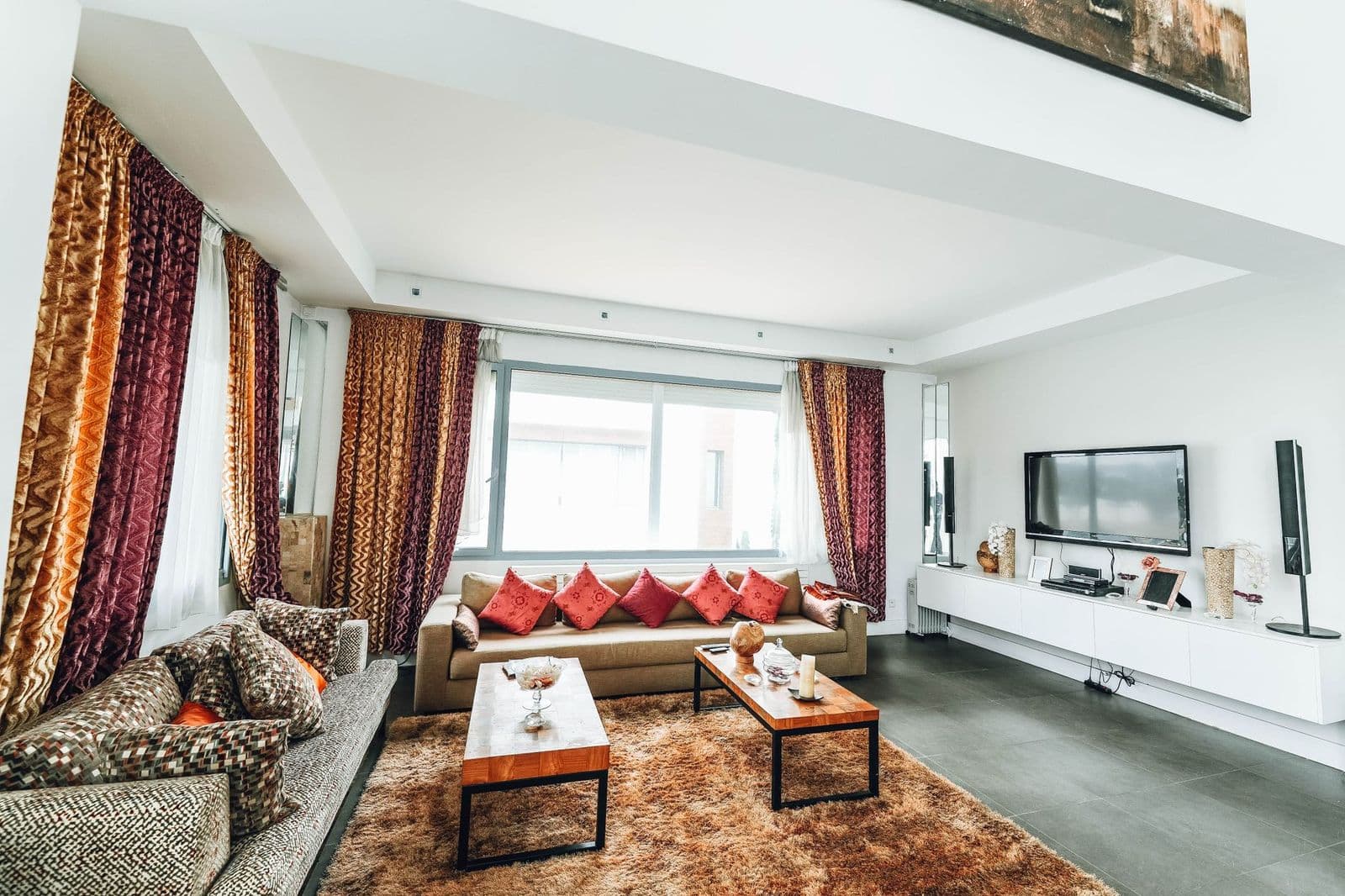
Aimable tweeters, wired runs and the right channel count: what to check for the best ceiling speakers dolby atmos rooms.
Height sound is what makes an Atmos room feel large, with rain, aircraft, and crowd noise arriving from above instead of only from the front. Choosing the best ceiling speakers dolby atmos setups actually need comes down to aim, driver size, and how your receiver assigns its height channels. This guide walks through those choices in plain terms, from the first channel count to the last cable.
Most Atmos ceiling speakers are passive, which means your AV receiver powers them through speaker wire run inside the ceiling. That single fact shapes almost every buying decision, from wire gauge to amplifier load.
Price Tiers and What They Should Give You
Think of the market as three tiers rather than a ranking. Each tier solves a different problem, and you should not pay for a higher tier unless its extra aim, output, or build quality fixes something in your room.
Entry Tier
Entry models use a fixed tweeter and a smaller woofer, usually around 6.5 inches, and they often cost around $70 to $150 per pair. They work well for effects driven height channels, where the content is mostly ambience and brief overhead cues rather than full range music. The trade off is aim. If your seats sit far off axis, an entry model can sound dull, so check the seating layout before you save the money.
Mid Tier
A strong all round tier pairs a 6.5 inch or 8 inch woofer with a pivoting tweeter you can aim at the main seats. Expect clean dialogue spill control, output that keeps up with typical floor speakers, and a paintable grille that sits flush. Prices in this tier often land around $150 to $300 per pair. It is the right starting point for most living room builds with two or four height channels.
Upper Tier
Upper tier ceiling models add an angled baffle, plus better crossovers and stiffer cones. Angled designs matter when the speaker must sit in front of the seats yet still fire sound toward them, which is common in retrofit rooms. Expect around $300 to $600 per pair. Pay this much when your ceiling layout is awkward or when the same speakers will also carry a lot of music.
How to Choose Ceiling Speakers for Dolby Atmos
Sound Quality and Tuning
Driver size sets how much air the speaker can move. An 8 inch woofer gives fuller effects and blends better with larger front speakers, while a 6.5 inch woofer is easier to fit between joists. Look at frequency response as a rough guide only, and favor a neutral tuning over a bass heavy one. Height channels carry cues that must stay clear, and bloated bass from the ceiling muddies pans that move across the room.
A pivoting tweeter or an angled baffle is the most useful sound feature. If the tweeter fires straight down and your sofa sits two feet to the side, high frequencies fall off and overhead effects lose their snap. Aimable designs fix that problem without moving the cutout.
Receiver and Room Correction
For passive ceiling speakers, the ecosystem is your AV receiver, not an app on the speaker. Check that the receiver supports the Atmos layout you want, such as two or four overhead channels, and that its room correction can measure the ceiling channels. Room correction matters more overhead than anywhere else, because ceiling distance and angle vary from room to room. Keep the receiver firmware current, since updates can add format support and fix channel assignment bugs.
Wired Connection and Cable
Wired is the right answer for Atmos height channels. Bluetooth and common streaming links add delay, and delay breaks the precise timing that object based audio relies on. Your receiver decodes the Atmos signal from the source, then sends plain amplified audio through speaker wire. Use cable rated for in wall and in ceiling runs, keep runs direct, and leave a small service loop above each cutout so you can pull the speaker down later without strain.
If you are comparing formats more broadly, our guide to the best dolby atmos speakers explains how soundbars, floor systems, and in ceiling systems divide the work.
Fit, Depth, and Weight
Fit means the cutout, the mounting depth, and the weight your ceiling can hold. Measure joist spacing before you order, and check for pipes, ducts, and can lights along the planned line. Heavier speakers with large magnets should use secure clamps, and plaster ceilings need extra care so the board does not crack under the load. A thin bezel and a grille you can paint to match the ceiling make the system disappear, which matters in a living room that is not a dedicated theater.
Isolation and Back Boxes
Ceiling speakers do not offer active noise cancelling, and the real issue is sound leaking into the room above. A back box or an enclosed model reduces that leak and keeps insulation and dust off the driver. If a bedroom sits above your theater, plan back boxes from the start. An enclosure also tightens bass and makes the height channels match each other more closely.
Sensitivity and Receiver Power
There is no battery to manage with passive ceiling speakers, so power comes from the receiver. Check its per channel output and the speaker sensitivity instead. A higher sensitivity means modest receiver power goes a long way in the height channels, which rarely need the output that front speakers do.
Moisture and Materials
Most living room ceiling speakers carry no formal moisture rating and do not need one in a dry room. Moisture resistant cones and rust proof grilles matter only if the system extends into a bathroom or a covered patio. Look at the cone material and grille finish: treated cones shrug off humidity swings better than untreated paper, and a well finished grille resists yellowing. For layouts that compare channel counts and spacing, see our guide to the best ceiling speakers atmos.
Other Ways to Add Height
Upward firing modules sit on top of floor speakers and bounce sound off the ceiling, which suits rooms where cutting is impossible. Wall mounted height speakers sit high on the side walls. Our overview of the best height speakers for dolby atmos compares ceiling mounting with up firing and on wall options. If you are also choosing front speakers, the guide to the best dolby atmos tower speakers shows what towers give you, which helps you split the budget.
Tips to Get the Most From Your Ceiling Speakers
- Set the crossover with care. A crossover around 80 Hz to 100 Hz for height channels keeps strain off smaller ceiling drivers and lets the subwoofer handle deep effects.
- Rerun room correction after any move. A sofa shift of even a foot changes arrival times from above.
- Label every wire at both ends. Left and right height swaps are easy to make in an attic and hard to spot later.
- Check levels with a familiar scene. A slow overhead pan should move smoothly, with no channel jumping out.
- Keep attic insulation clear of the driver. Loose fill resting on a cone changes its movement and can rattle at higher levels.
FAQ
Wired or wireless: which sounds better?
Wired sounds better for Atmos height channels, because the receiver controls timing with no streaming delay. Wireless links can drift by enough to blur a moving effect, and most cannot carry a true discrete height channel. In ceiling wire also future proofs the room, since a passive speaker bought today will work with your next receiver.
Do I need a special codec?
No special codec is needed at the speaker, because your receiver does all decoding before amplification. You need a source and a receiver that both support Dolby Atmos, plus an HDMI connection with enough bandwidth for your video format. Check the receiver input labels, since on some models only certain HDMI ports carry the full feature set.
How many ceiling speakers do I need for Atmos?
Two overhead speakers add a clear sense of height in most rooms, and four give smoother movement in a larger space. Your receiver must support the matching number of height channels.
Can I use ceiling speakers outdoors?
Only on a covered patio, and only with moisture resistant models kept out of direct spray. Indoor theater rooms need no rating at all. Powder coated or aluminum grilles survive outdoor air better than plain painted steel.
Do passive ceiling speakers have a battery?
No. They draw power from your receiver only while you play content. If a listing stresses battery life, you are looking at a portable music speaker, not an Atmos height speaker.
Final Thoughts
Start with placement and aim, then driver size, then price tier. Those three choices decide most of what you hear from above. Check your joist spacing and receiver channel count once more, and you will land on the best ceiling speakers dolby atmos pick for your room without overspending on features that never reach the seats.


