
Best Ceiling Mounted Projectors 2026: Buying Guide
Disclosure: We may earn a commission when you buy through links on this page, at no extra cost to you. As an Amazon Associate I earn from qualifying purchases. Learn more

From throw distance to cable runs, here is what to check before you choose the best ceiling mounted projectors.
Buying best ceiling mounted projectors for the first time can feel confusing, because the numbers on the box do not explain what you will actually see on the wall. This guide starts with the basics and builds up to the choices that matter most, so you can shop with confidence. The product table below gives you a quick side by side view while you read.
A ceiling mounted setup keeps the projector out of the way, frees up table space, and gives you a steady image every time you switch it on. You will still need to think about room size, light control, screen placement, and cable runs before you buy a mount. The sections below walk through each point in plain English, with no assumed knowledge.
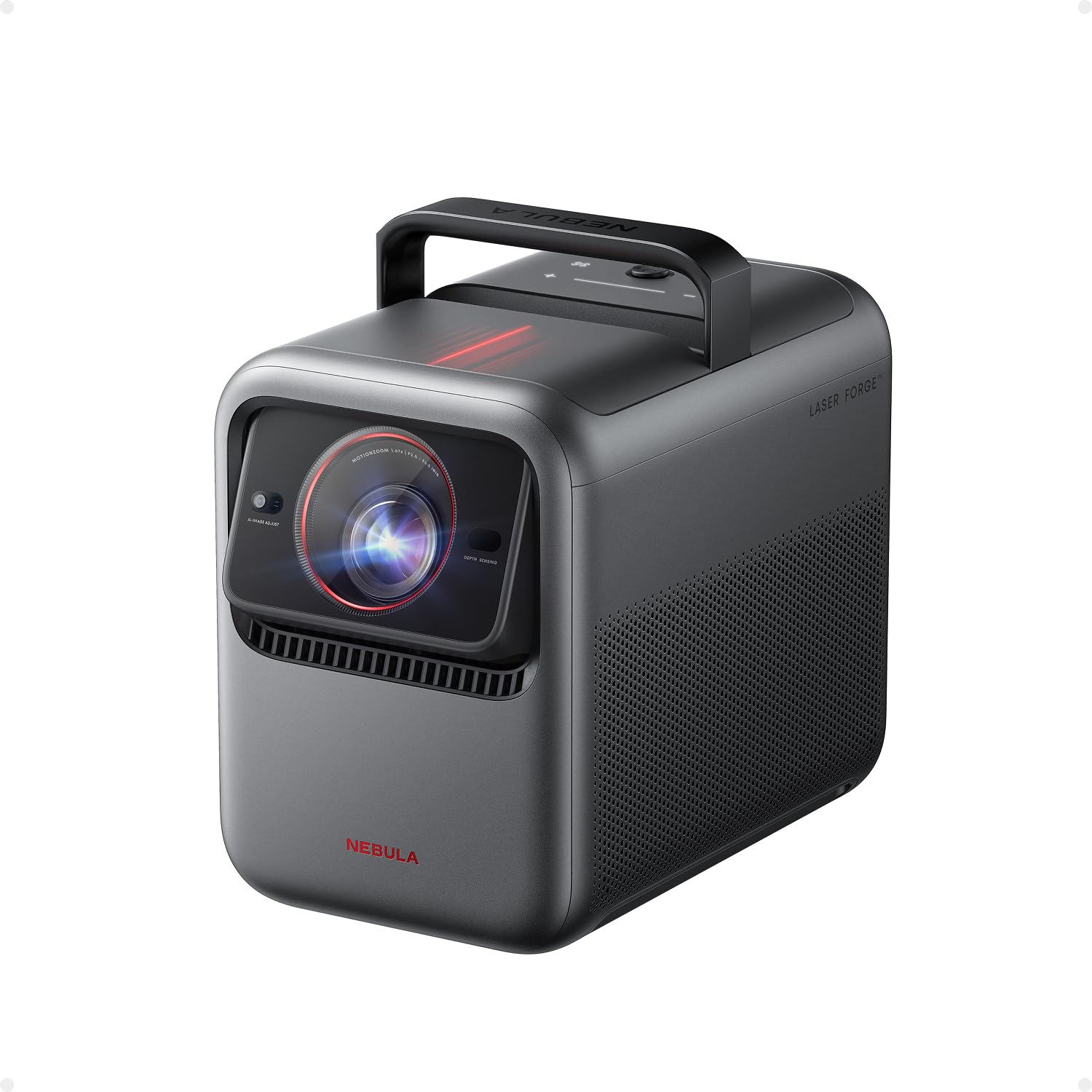


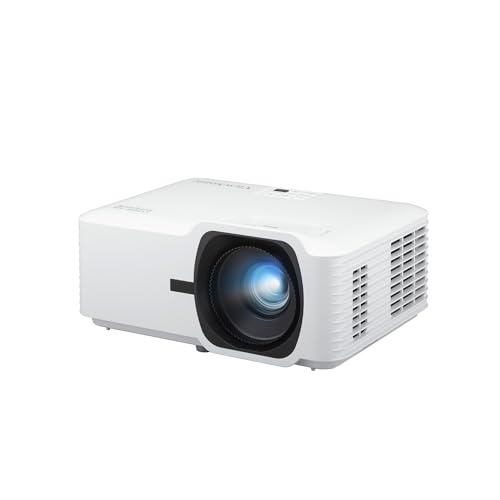
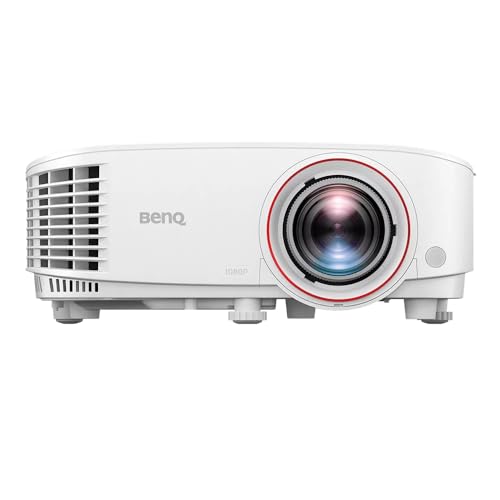

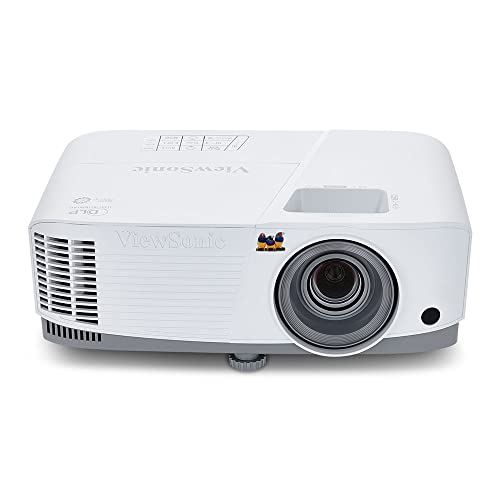
Ceiling Mounted Projectors 101: The Basics
A ceiling mounted projector is a projector fixed to a ceiling mount, usually near the middle of the room, and aimed at a screen or a plain wall. Light leaves the lens, travels across the room, and forms the picture on that surface. The distance from the lens to the screen is called the throw distance, and it decides how large the picture will be.
Most models connect to a streaming stick, a media player, a game console, or a laptop through an HDMI cable. Many also include built in speakers and a smart platform, so you can stream without an extra box. A mount holds the projector level and steady, and most mounts let you tilt and turn the unit a little to line up the picture. You should never look directly into the lens while the projector is on, and you should keep the vents clear so warm air can escape.
Key Specs Explained in Plain English
The spec sheet looks technical at first, but only a few numbers shape everyday viewing. Brightness decides how well the picture holds up in a lit room. Resolution decides how sharp fine detail looks.
Contrast decides how deep dark scenes appear. The sections below explain each factor in simple terms, with guidance on what to look for.
Projection Technology
Most home projectors use one of three main projection methods, and each one has a different strength. One common method uses tiny mirrors to build the picture, and it often gives sharp motion and a compact body. Another method passes light through panels to create color, and it often gives rich color at a friendly price.
A third method uses reflective panels for high contrast, and it often suits a dedicated dark room best. For a first time buyer, picture quality in your own room matters more than the name of the method, so compare brightness, contrast, and color in similar lighting.
Mounting and Room Fit
A good mount must match the weight of your projector and the ceiling material in your room. Fixed mounts sit close to the ceiling and suit rooms with a standard ceiling height. Extension poles drop the projector lower, which helps in rooms with high ceilings or a ceiling fan in the way.
Check that the mount allows tilt, roll, and turn adjustments, because a small tilt can fix a picture that sits slightly high or low. Plan the cable route early, since a neat run along the ceiling or through a cable cover keeps the setup safe and tidy. If wiring is unclear, ask a qualified installer for help.
Smart Platform and Sound
A smart platform lets you open streaming apps from the projector itself, without a separate player. Look for the apps you actually use, a remote that feels easy in the hand, and simple voice search if that matters to you. Built in speakers work well for casual viewing in a small room, but a soundbar or a home speaker system will sound fuller for films.
If you plan to use external speakers, check for an audio output and for a simple way to send sound to them. For a bedroom ceiling setup, see our guide to the best projectors for bedroom ceiling for placement ideas that keep late night viewing comfortable.
Gaming Features
Gamers should look at input lag, which is the delay between pressing a button and seeing the result on screen. A lower delay feels more responsive, and many gaming friendly models list this number clearly. A higher refresh rate can make fast motion look smoother, but it matters most for fast paced games.
Some models support variable refresh and low latency modes over HDMI, which help keep motion smooth and controls responsive. If gaming is only an occasional use, a standard model with a decent lag figure will still feel fine for story driven games and casual play.
Brightness and HDR
Brightness is measured in lumens, and higher lumens help the picture stay visible when some room light is present. A dark room needs far less brightness than a living room with windows and lamps. For a mostly dark room, a moderate brightness level often looks best, because very bright settings can wash out dark scenes.
HDR, or high dynamic range, aims to show brighter highlights and deeper shadows in supported films and shows. The benefit shows most in a dark room with HDR content, and it depends on contrast as much as on raw brightness. A guide to best ceiling projectors can help you compare brightness levels across different room types.
Rookie Mistakes to Avoid
- Buying before measuring throw distance: a projector placed too close or too far from the screen gives a picture that is too small, too large, or out of focus.
- Ignoring room light: bright windows and lamps wash out the picture, so plan curtains, blinds, or a darker viewing time before you judge brightness.
- Skipping the mount check: a mount rated below the projector weight, or fixed to a weak ceiling point, creates a safety risk and a picture that drifts.
- Forgetting cable length: an HDMI cable that is too short forces an awkward run, so measure from the projector to the source before you order.
- Judging picture quality on vivid mode: vivid mode often looks punchy in a shop but oversaturated at home, so switch to a cinema or film mode for a first look.
Getting Started: Setup and First Use
Start by fixing the mount to a solid ceiling joist or a rated anchor, then hang the projector and level it before you tighten everything. Aim the lens at the center of the screen, then use zoom, focus, and keystone controls to square up the picture. Keystone correction can fix a tilted image, but heavy correction can soften edges, so physical alignment should come first.
Once the picture looks square, switch off vivid mode and try a cinema or natural picture mode for films. Set brightness and contrast with a familiar film scene, not with a calibration pattern alone, because real content shows skin tones and shadow detail better. Keep the vents clear, dust the intake filter if your model has one, and give the projector room to breathe. If you want sound that fills the room, a guide to the best ceiling mounted bluetooth speakers covers wireless speaker placement near a ceiling setup.
Ceiling Mounted Projectors: Your Questions Answered
What screen size suits a ceiling mounted projector?
The right screen size depends on throw distance and viewing distance, not on a single ideal number. Measure from the lens position to the screen, then check the throw ratio in the spec sheet to see the picture size that distance gives. As a rough guide, a viewing distance of about 1.5 to 2 times the screen width feels comfortable for most living rooms.
A larger screen also needs a darker room and a brighter picture to stay punchy. If your room is small, a shorter throw model lets you get a large picture from a closer position.
Is 4K worth it for a ceiling mounted projector?
4K is worth it when you sit close enough to notice fine detail and you watch a lot of 4K films and shows. On a large screen, higher resolution keeps text, faces, and landscape detail sharper than a lower resolution picture. On a smaller screen, or from a far seat, the difference becomes harder to see.
A good lower resolution model with strong contrast can look better than a weak 4K model in a bright room. Judge resolution together with brightness, contrast, and screen size, rather than treating it as the only quality marker.
How long does a ceiling mounted projector last?
Most modern projectors use a lamp or a laser light source with a rated life measured in thousands of hours. Lamp based models often last several thousand hours in normal mode and longer in eco mode, while laser models often last much longer. Actual life depends on how often you use the projector, how hot the room gets, and whether vents stay clear.
When brightness fades noticeably, a lamp model may need a replacement lamp, while a laser model is usually serviced rather than refilled.
Does refresh rate matter for viewers who do not game?
Refresh rate matters less for film and television viewing than it does for gaming, because most films and shows run at modest frame rates. A standard refresh rate handles drama, documentaries, and sport well, as long as motion looks smooth to your eye. Higher refresh rates help fast paced games and some sports coverage look cleaner, but they do not transform ordinary viewing.
If you rarely game, spend your attention on brightness, contrast, and color accuracy instead. A guide to best quality projectors explains how those factors combine in everyday viewing.
DLP or LCD: which projection method is better?
Neither method wins for every room, because each one trades strengths in a different way. Mirror based projection often gives sharp motion, a compact body, and a picture that stays crisp during fast action. Panel based projection often gives strong color, a lower price for a given brightness, and a picture that suits bright rooms.
Reflective panel models often give deeper blacks, which suit a dark home cinema room best. Try to compare models in similar lighting, and weigh color, contrast, and motion for the content you watch most.
The Bottom Line
Start with room size, throw distance, and light control, then match brightness and resolution to that room. A steady mount, a clear cable route, and a sensible picture mode will do more for everyday viewing than chasing a single spec number. Check the product table above once more, compare the options against your measurements, and choose the setup that fits your room and your viewing habits. For a first time buyer, best ceiling mounted projectors should feel like a simple room upgrade, not a technical project.


