
Best Ceiling Fan for Vaulted Ceilings 2026: Buying Guide
Disclosure: We may earn a commission when you buy through links on this page, at no extra cost to you. As an Amazon Associate I earn from qualifying purchases. Learn more

Check slope limit, downrod drop and remote range before you pick the best ceiling fan for vaulted ceilings.
A vaulted ceiling gives a room height and drama, but it also parks warm air far above you and puts a fan out of easy reach. The best ceiling fan for vaulted ceilings mounts safely on a slope, drops low enough on a downrod to move the air you actually feel, and runs from a remote because a pull chain is useless at that height. The product table below sums up the main types side by side.
This guide walks through the types that suit sloped ceilings, the measurements to take before you order, and the light and control choices that matter at height. Measure your slope and ceiling height first, because those two numbers rule out more models than style ever will.


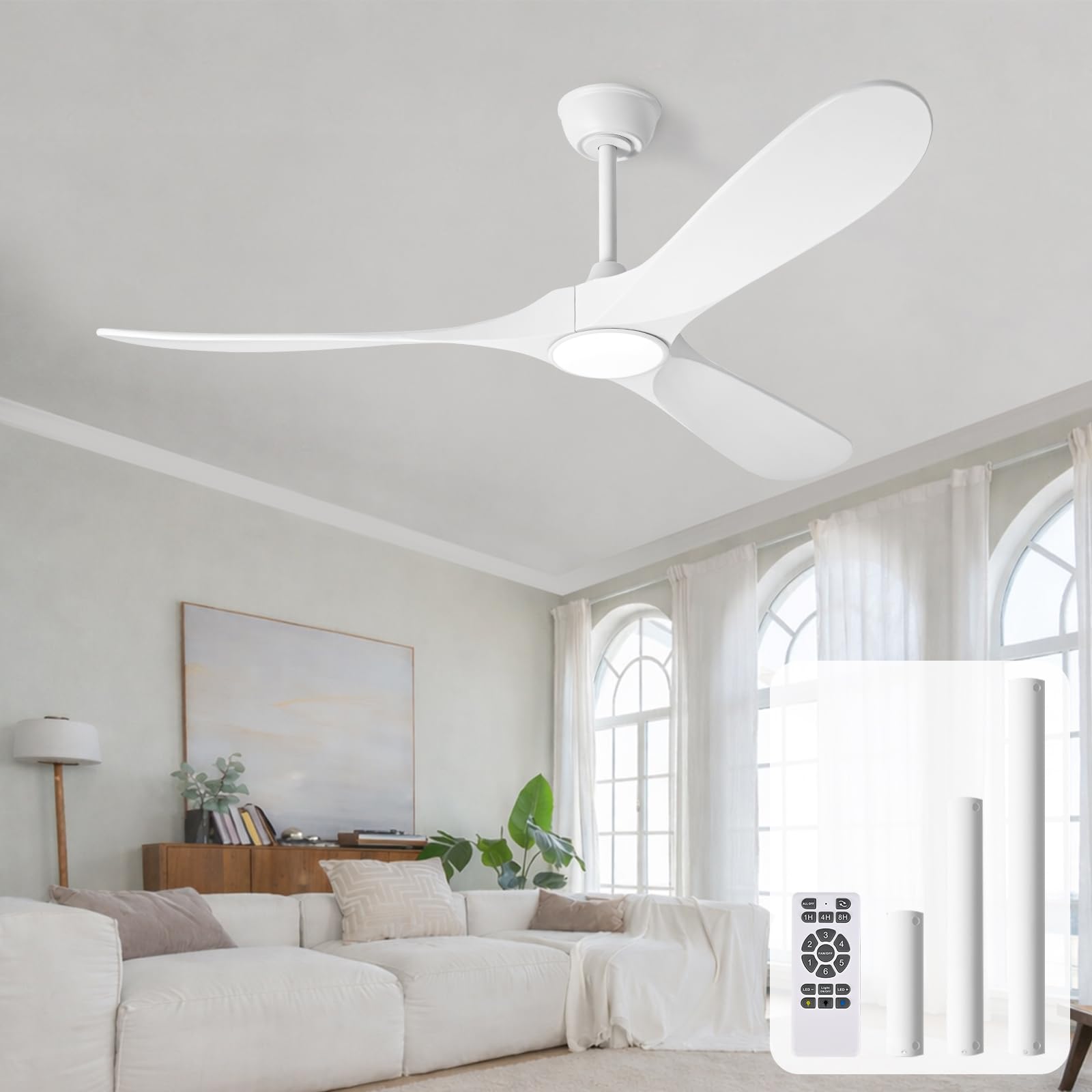
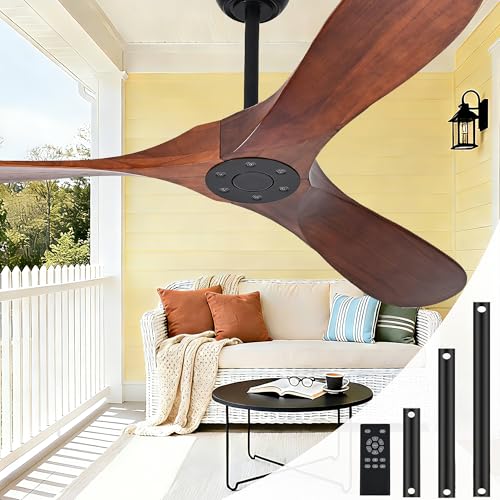

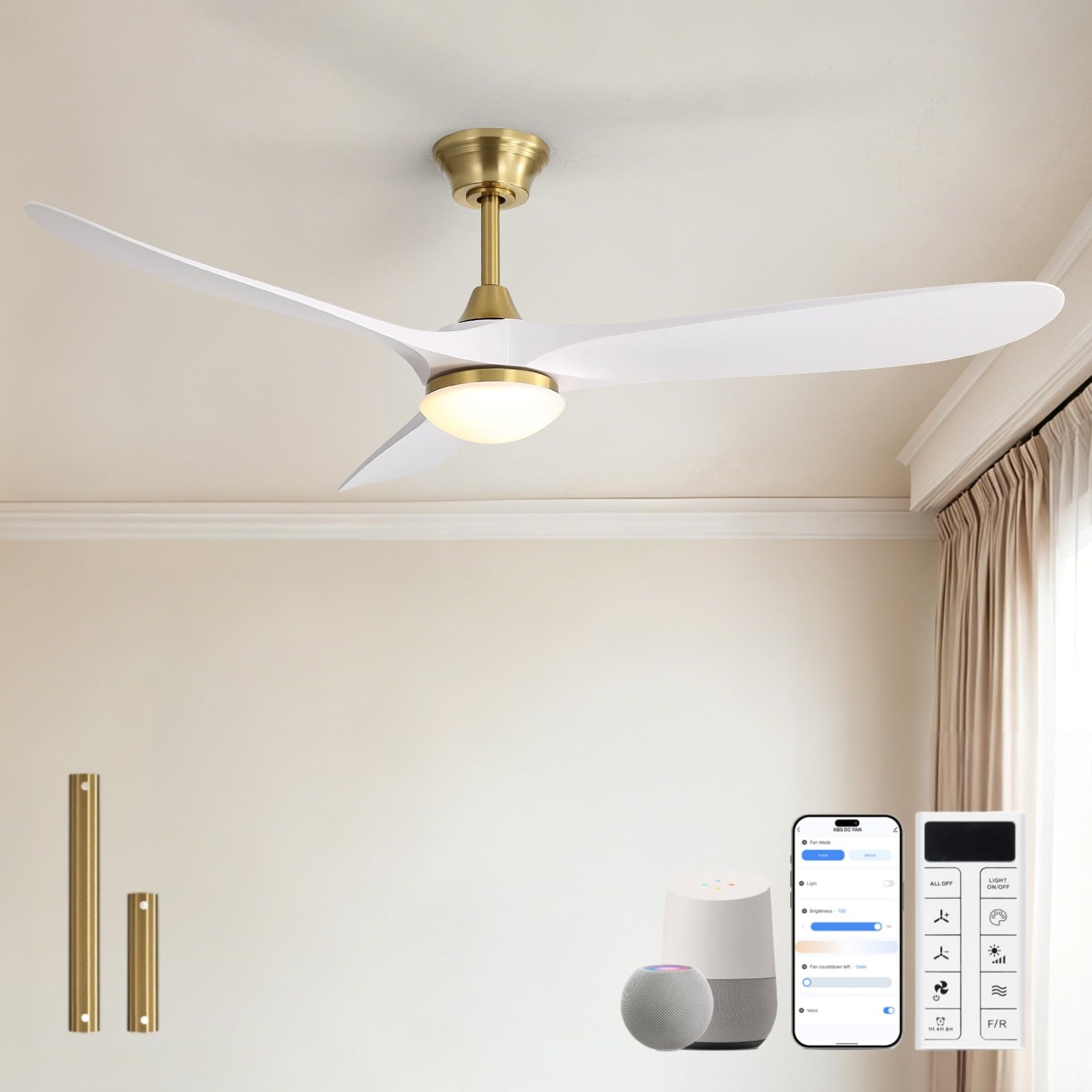

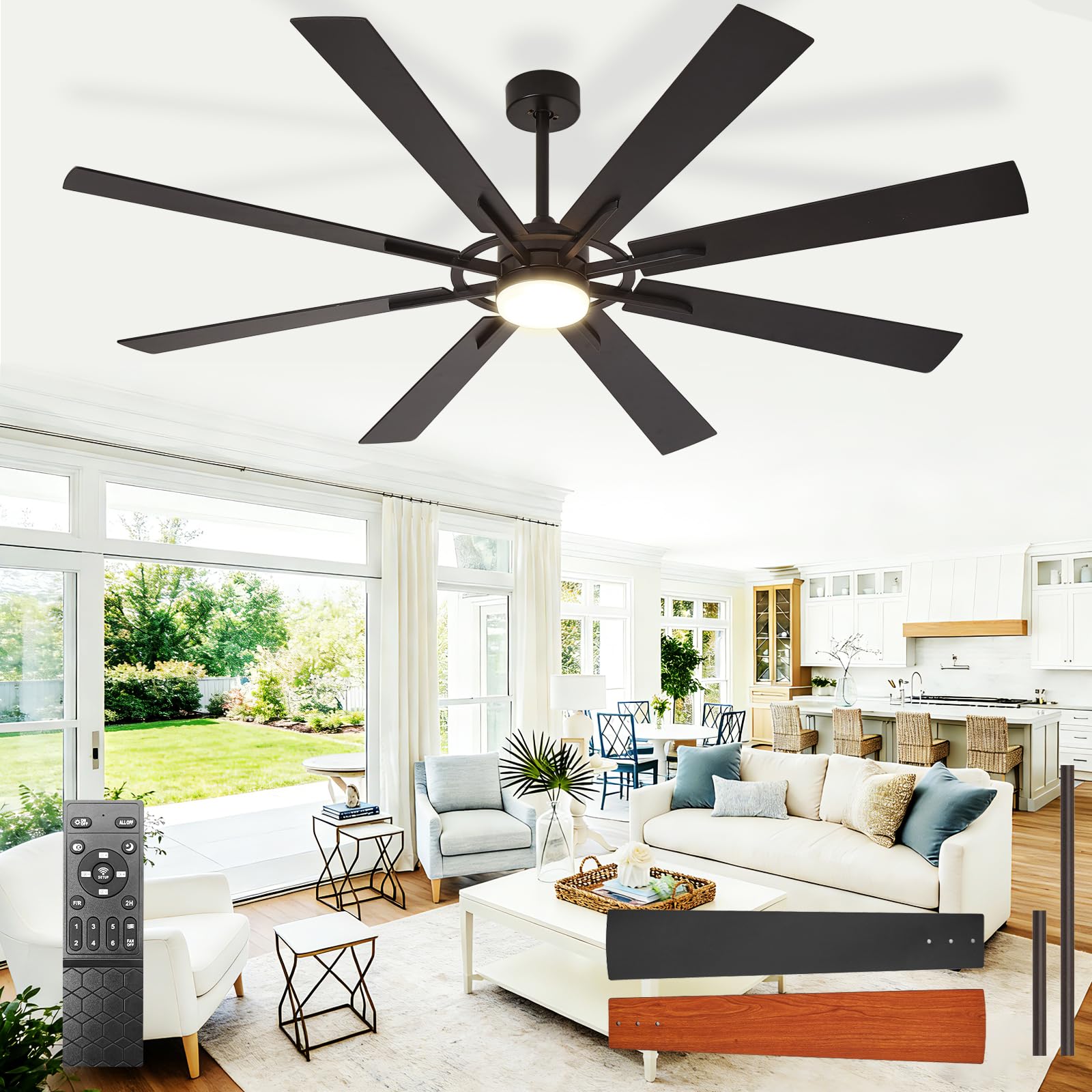
Fan Types That Suit Vaulted Rooms
Three build types cover nearly every vaulted room. A balanced everyday type pairs a standard downrod mount with a remote and a light kit. A lower cost type keeps the motor and mount simple and skips smart controls. A premium upgrade type adds a quiet DC motor, a larger blade span, and app control for big rooms with tall peaks. The sections below explain which type fits which room.
Three Types of Ceiling Fans for Vaulted Ceilings Compared
Balanced Everyday Type for Most Rooms
This type uses a ball and socket downrod mount that tilts to follow a moderate slope, a blade span of about 52 to 54 inches, and a remote that controls speed and light from the floor. An AC motor keeps the price moderate while moving enough air for rooms of about 225 to 400 square feet, and most models include a dimmable LED light kit. Choose it if your slope is about 30 degrees or less.
Lower Cost Type for Modest Budgets
A simpler build keeps costs down with a smaller span of about 44 to 52 inches, a basic AC motor, and a remote included in the box. What you give up is airflow headroom in large rooms, smart features, and finish choices. The mount still has to be slope compatible, so never save money by buying a flat ceiling only model. This type suits guest rooms, home offices, and smaller vaulted spaces.
Premium Upgrade Type for Large Tall Rooms
Big vaulted rooms with peaks above 14 feet need more fan, and this type answers with spans of about 60 to 72 inches, long downrod options, and a DC motor that runs quietly across more speed settings. Airflow is higher and steadier, which matters when the fan must push air down through a tall column of space before you feel it. Pick this type for great rooms and open plans where a smaller fan would spin hard, stay noisy, and still leave the seating area still.
How to Evaluate Options for Vaulted Ceilings
Start with the fit numbers a maker publishes: the steepest slope the mount allows, the downrod lengths offered, and the airflow rating in CFM. Then weigh brightness and color temperature if the fan carries your main light, style and finish, install effort at height, and motor energy use. Comparing the best ceiling fan for vaulted ceilings comes down to those published specs plus patterns in buyer feedback, such as repeated notes about wobble or remote range.
How to Choose the Right Ceiling Fan for Vaulted Ceilings
The order matters on a sloped ceiling. Confirm slope fit and drop length first, then size, then light and controls. For the broader framework behind these steps, see our guide on how to choose a ceiling fan.
Size and Form Factor
Match blade span to floor area. Rooms up to about 75 square feet suit a 29 to 36 inch span, rooms of about 76 to 144 square feet suit 36 to 42 inches, and rooms of about 144 to 225 square feet suit about 44 inches. Rooms of about 225 to 400 square feet need about 50 to 54 inches, and great rooms above that need 60 to 72 inches or two fans. Keep blades at least 18 inches from the nearest wall.
Type
Mount style decides whether a fan can hang from your slope at all. A downrod mount with a tilting ball joint is the standard choice because the rod hangs straight down while the canopy sits against the angle. Flush mount and low profile models hug the ceiling and only work on shallow slopes, and many cannot tilt at all, so skip them unless your pitch is very gentle and the maker rates the mount for it. Style looks sit on top of the mount, so pick the mount first.
Features Worth Paying For
A remote is close to mandatory when the fan hangs 10 feet or more above the floor, and a wall control is a good backup if your wiring allows it. A reversible motor lets the fan run in both directions across the seasons. The motor choice also shapes noise and running cost, and our comparison of dc vs ac ceiling fan motors explains the trade in detail. A light kit is worth paying for when the fan is the main light source in the room.
Lumens and Color Temperature
When a fan doubles as the main light, brightness has to survive the drop from a tall ceiling, so look for about 1200 to 2000 lumens from an integrated LED or a kit that takes bright bulbs. Lower output looks dim by the time it reaches a table or sofa. Color temperature near 2700 to 3000 kelvin gives warm light for living spaces, while about 4000 kelvin reads cooler for kitchens. Check whether the LED is a replaceable module or fixed for the life of the fan, since swapping one at height is a bigger job.
Fixture Size and Placement
Hang the fan so the blades sit about 8 to 9 feet above the floor, and never below 7 feet where hands and tall furniture come close. On a 12 foot peak that usually means a downrod of about 18 to 24 inches, and taller peaks need rods of 36 inches or more. Center the fan over the seating or sleeping area when the layout is uneven. Confirm the rod length you need is sold for your model before you buy, because rods are rarely shared across brands.
Dimmable and Smart Options
Dimming needs a compatible pairing, so confirm the LED kit dims from the same remote or wall control that runs the motor, and check the lowest setting for flicker if reviews mention it. Smart models connect through WiFi and accept voice commands and schedules, which helps when the fan is far out of reach. A smart fan still needs a manual way to run it during a network outage, usually the remote in the box.
Installation
Almost every ceiling fan is hardwired, and a vaulted install adds height, slope, and weight to the job. The fan must hang from a fan rated electrical box secured to a joist or brace, never from a standard light box, and steep slopes need a slope adapter when the pitch passes what the canopy allows, often about 30 degrees and up to about 45 degrees with the right adapter. Our walkthrough of how to install a ceiling fan covers box ratings and wiring in order. For ceilings above about 12 feet, hiring an electrician is a sound call.
How Much Should You Spend?
Under $100 buys a small basic fan, but check the mount rating twice because slope compatible mounts are less common at this level. About $100 to $200 covers most balanced everyday models with a remote and LED light. About $200 to $350 adds DC motors, larger spans, and better finishes. Above about $350 you pay for premium materials, very large spans, and smart control. Spend first on correct fit and the right downrod, since a cheap fan that wobbles on the wrong mount is no bargain.
What Matters Most in a Ceiling Fan for Vaulted Ceilings
Three needs define this purchase. First, the mount must match your slope or the fan will hang crooked, wobble, and wear its bearings early. Second, the drop must place the blades where moving air reaches people, because a fan left near a 14 foot peak stirs air nobody feels. Third, every control and cleaning task happens from the floor or a ladder, so remote range and service access matter more here than in a standard room.
A standard fan on a short rod is the main alternative, and it fails on tall peaks for the drop reason above. Cooling with air conditioning alone also costs more to run, and our comparison of ceiling fan vs air conditioner running costs shows how a fan lets you set the thermostat a few degrees higher while feeling the same. Note that flat ceiling picks in a general best ceiling fan guide often lack the slope rating and long rod options this job requires.
FAQs
What is the best ceiling fan for vaulted ceilings?
The best choice is the fan whose mount rating covers your slope, whose downrod drops the blades to about 8 to 9 feet above the floor, and whose span fits your room size. No single model leads every room, because slope and height change what works. One detail many buyers miss is whether the slope adapter comes in the box or sells apart, so confirm that before ordering.
What should I look for in a ceiling fan for vaulted ceilings?
Look for a stated slope limit on the mount, a downrod long enough for your peak, a remote in the box, and an airflow rating that suits room volume rather than floor area alone. A quick way to get your slope number is an angle finder app on your phone held against the ceiling. Also check that the remote receiver fits inside the canopy on a tilted mount, since a receiver that only fits flat can block the install.
How long does a ceiling fan last?
Most ceiling fans run about 10 to 15 years, and motor warranties often run longer than the warranty on light kits and controls. Life shortens when a fan wobbles for months, because the shake wears bearings and loosens hardware. If your fan starts to sway, a balancing kit and a check of every screw usually restore smooth running. A fan that smells hot or trips a breaker needs a professional inspection.
Is a ceiling fan worth it for a vaulted ceiling?
Yes, because it reaches the air layer that heating and cooling systems struggle with in tall rooms. In summer the breeze lets you raise the thermostat setting and still feel cool. In winter, running a reversible fan on low in the upward direction pushes pooled warm air down the walls without a draft. That winter use is where vaulted rooms gain the most.
How do you clean a ceiling fan on a vaulted ceiling?
Turn the power off at the switch and let the blades stop fully before you start. An extendable duster with a head shaped to grip each blade traps dust instead of dropping it on the furniture below. A pillowcase slipped over each blade works well too and holds the dust inside the fabric. Clean blades also run truer, because uneven dust adds weight that can start a wobble. Use a sturdy ladder with a helper spotting you.
What is the most reliable ceiling fan brand?
Reliability shows up less in a name than in signals you can check: a long motor warranty, spare remotes and light modules that stay available for years, and a service network that answers. Comparing two makers side by side, as in hunter vs hampton bay ceiling fan, shows how warranty terms and parts support differ between price levels. A fan with a ten year motor warranty and stocked parts will usually outlast a cheaper fan with a one year warranty.
Final Verdict
Measure your slope and peak height, choose the downrod that puts the blades about 8 to 9 feet over the floor, and then pick the type that fits your room and budget from the product table above. For most homes the balanced everyday type is the best ceiling fan for vaulted ceilings because it covers slope, light, and remote control without overspending. Go larger and quieter with the premium type for tall great rooms, or keep it simple with the lower cost type for smaller spaces.


