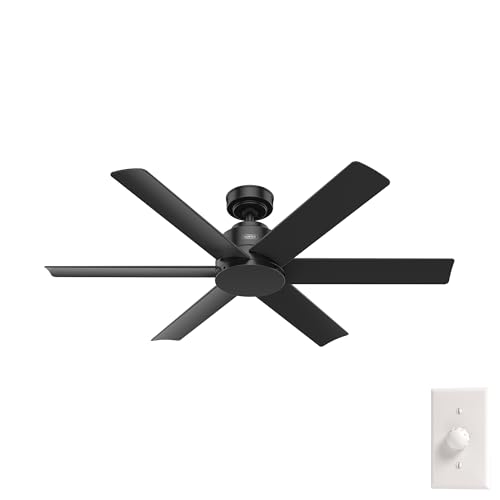
Best Ceiling Fan for Porch 2026: Buying Guide
Disclosure: We may earn a commission when you buy through links on this page, at no extra cost to you. As an Amazon Associate I earn from qualifying purchases. Learn more

Match the damp or wet rating to your porch, then size the span: a practical guide to the best ceiling fan for porch seating.
A porch fan has a harder job than any indoor fan. It has to move air across an open space and shrug off humidity and dust. Choosing the best ceiling fan for porch use starts with one question most guides skip: how exposed is your porch to rain and weather? That answer decides the safety rating you need, the materials that will last, and the size that will actually cool the seating area below.
This guide compares the main porch fan types side by side, then walks through size, mounting, motors, lights, and controls so you can match a fan to your space. The product table below sums up the types, and the sections after it explain how to choose with confidence.


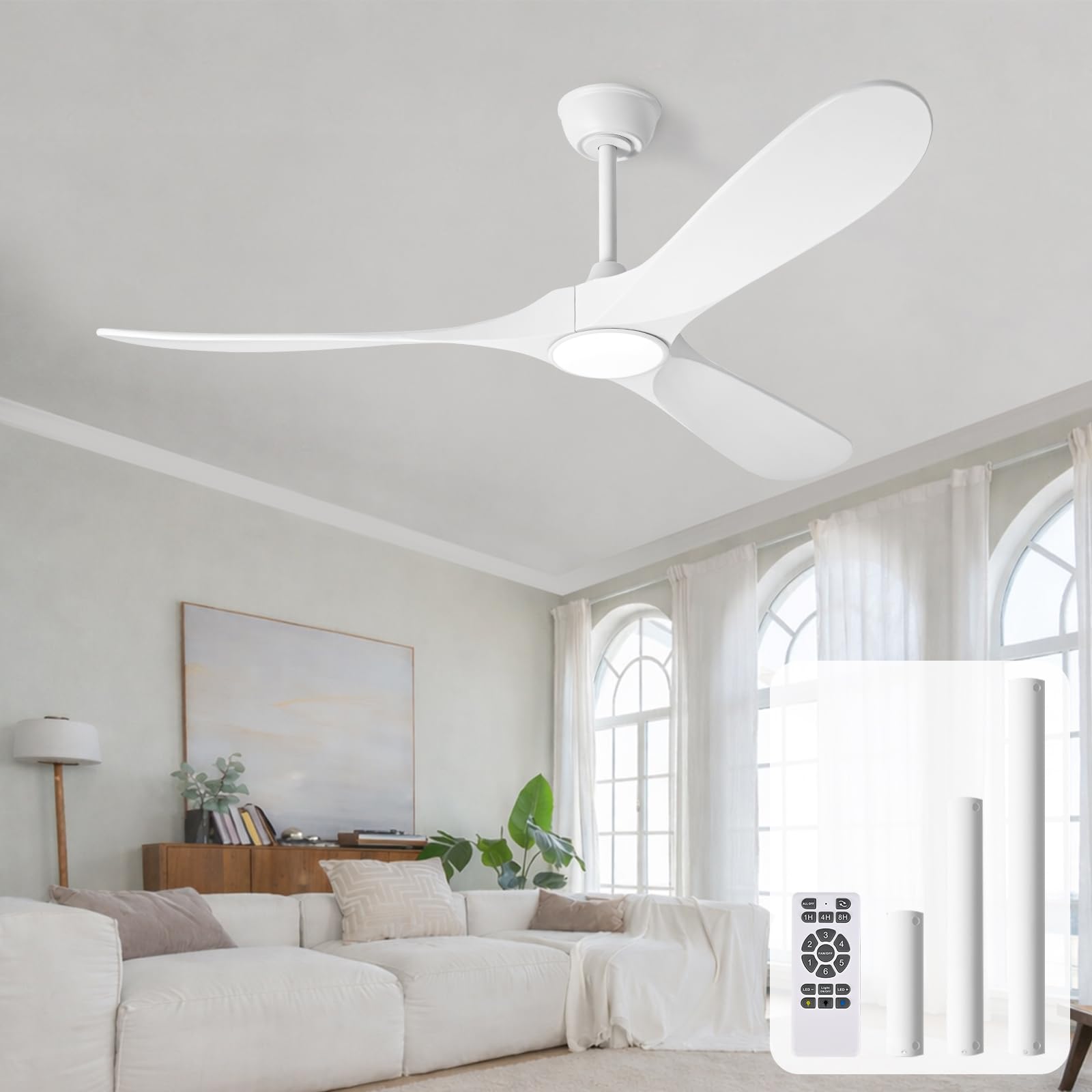


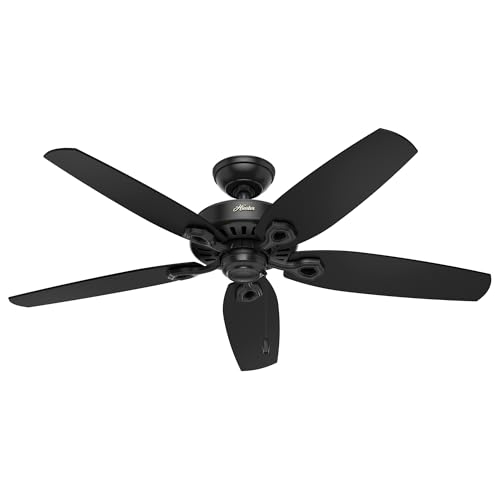
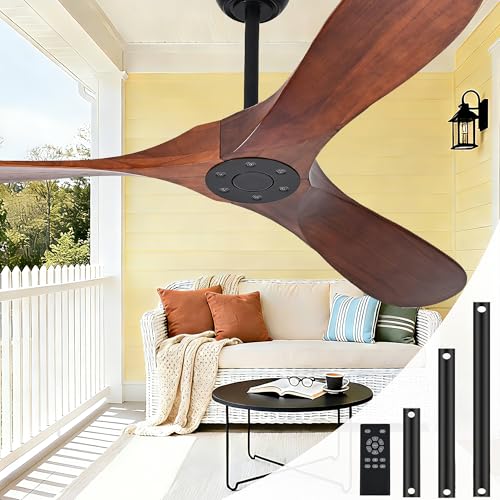

Porch Fan Types at a Glance
Every porch fan falls into one of three broad types, and the right one depends on your roof line and ceiling height. Damp rated fans suit covered porches where rain never reaches the fan directly. Wet rated fans handle open or partially open porches where wind can drive rain in. Low profile flush mount fans fit porches with low ceilings where a downrod would put the blades too close to heads.
Ceiling Fan Types Compared for Porch Use
Damp Rated Fans for Covered Porches
A damp rated fan is built to handle moisture in the air without being sprayed by rain. If your porch has a solid roof, screens or walls on most sides, and the fan stays dry during storms, this type covers you at the lowest cost. Motors are sealed against humid air, and finishes resist the slow corrosion that porch moisture causes. The limit is exposure: mount one where blowing rain can reach it and the rating no longer protects the motor.
Wet Rated Fans for Open Porches
A wet rated fan is sealed well enough to be rained on directly, which makes it the safe choice for open porches, pergola style covers, and wide eaves where storms push water sideways. Blades are usually molded plastic or treated metal that will not warp, sag, or peel in wet conditions. This type costs more than a damp rated model of the same size, but for an exposed location it is not an upgrade. It is the only correct option, a point our guide to the best outdoor ceiling fan explains in more depth.
Flush Mount Fans for Low Porch Ceilings
Many porches have ceilings around eight feet, too low for a downrod fan to hang safely. A flush mount fan sits tight against the ceiling, keeping blades at a safe height while still moving air over a seating area. The trade off is airflow: a fan hugging the ceiling moves a little less air than the same fan on a short downrod, because the blades have less room to draw air from above. If your ceiling is nine feet or higher, a short downrod version of the same size usually feels breezier.
How to Judge a Porch Ceiling Fan
Judge any porch fan on five things: the location rating stamped on it, the blade span matched to your porch size, the mount that fits your ceiling height, the light output if the fan doubles as your porch light, and the control style you will actually use daily. Energy use and price matter too, but they come after fit and rating. A fan that fails the rating check is a safety problem, not a bargain.
How to Choose the Right Ceiling Fan for Porch
Size and Form Factor
Blade span decides how much air a fan can move and how wide the breeze spreads. A 42 or 44 inch fan suits a small porch or a single seating corner up to about 100 square feet. A 52 inch fan is the standard fit for most porches around 150 to 300 square feet. Go to 60 inch or even 72 inch spans for long wraparound porches, or hang two smaller fans spaced along the length instead. Two fans often cool a long porch more evenly than one oversized fan at one end.
Type and Style
Style should follow your house, not fight it. Farmhouse fans with wood tone blades suit traditional homes, while slim modern designs with three blades fit newer builds. Caged fans guard the blades in busy family spaces and add an industrial look. Bladeless and enclosed designs keep fingers and streamers away from moving parts at parties. Whatever the look, confirm the location rating first, because an indoor styled fan with no damp or wet rating does not belong outside.
Features Worth Paying For
A remote control earns its cost on a porch, where the pull chain is often out of easy reach and you adjust speed from your chair. An integrated LED light makes sense when the fan replaces your only porch fixture. Reversible motors matter less outdoors than indoors, but they help push warm air down on cool evenings in spring and fall. Skip decorative extras you will never touch, such as color changing lights, and put the money toward the correct rating and a larger span instead.
Lumens and Color Temperature
If the fan light is your main porch light, look for about 800 to 1600 lumens, which covers conversation level brightness up to light bright enough for reading and games. Color temperature shapes the mood: around 2700 to 3000 kelvin gives a warm glow that flatters wood and skin tones, while 4000 kelvin looks crisper and shows true colors for tasks like grilling prep. Check whether the LED module is replaceable. A sealed module that fails can mean replacing the whole fan, while a standard bulb socket keeps things simple.
Fixture Size and Placement
Center the fan over the seating or dining area, not over the walkway to the door, because the breeze should land on people sitting still. Keep blades at least 18 to 24 inches from walls and posts so airflow stays smooth and quiet. On a sloped porch ceiling, confirm the mount accepts the slope angle, and choose a downrod long enough that the blades sit level and at least seven feet above the floor. If beams cross the ceiling, plan the mount point before you order, since moving an electrical box later adds cost.
Dimmable and Smart Options
Dimmable LED lights let you drop the brightness for evening drinks and raise it when you need to see the steps. Smart fans add app and voice control through WiFi, plus schedules that start the breeze before you come outside. These extras are worth it if your porch is a daily living space. They add little on a porch you use a few weekends each summer, where a simple remote does the same job for less money.
Motor Type and Installation
DC motors use less energy, run quieter, and offer more speed settings than AC motors, though they usually cost more up front. Our breakdown of dc vs ac ceiling fan motors covers the trade offs in detail. For installation, nearly all porch fans are hardwired into a ceiling box rated to support a fan, and that support rating matters more than the wiring itself. If your porch has no ceiling box where you want the fan, budget for an electrician. The steps in how to install a ceiling fan show what the job involves.
How Much Should You Spend?
Basic damp rated fans start at about $80 to $150 and cover a sheltered porch well. Spending about $150 to $300 gets you wet ratings, larger spans, DC motors, and better lights. Above about $300 you pay for premium finishes, smart controls, and very large spans for big porches. Spend first on the correct rating and the right size, then on the motor, and only then on looks. A fan that matches your exposure level will outlast a prettier one that does not.
What Matters Most in a Ceiling Fan for Porch
The porch modifier changes the buying rules in three ways. First, exposure rules everything: an indoor fan outdoors will rust, warp, and lose its warranty, so the rating is a safety spec, not a style choice. Second, outdoor air is harder to move, because there are no walls to keep the breeze in the room, so porch fans need a size step up from what the same square footage would use indoors. Third, materials face sun, moisture, and temperature swings daily, which is why molded blades and sealed motors dominate this category.
Some shoppers ask whether a fan is even needed if the home has central air. The comparison in ceiling fan vs air conditioner covers whole home cooling, but on a porch the two do not compete: air conditioning cannot cool an open space, while a fan makes the air you already have feel several degrees cooler on your skin. For wider background, our hub on the best ceiling fan covers the full category.
FAQs
What is the best ceiling fan for porch use?
There is no single model that fits every porch, because exposure and size decide the answer. For an open porch, a wet rated fan in the span that matches your square footage is the right pick. For a covered porch, a damp rated fan of the same size does the job for less money. Before ordering, confirm the rating printed on the fan box and the motor housing, since listings sometimes blur the two ratings in their descriptions.
What should I look for in a ceiling fan for a porch?
Start with the location rating, the span, and the mount, then check the blade material. Molded ABS blades resist warping in humid air better than real wood blades, which can sag over a few wet seasons on an exposed porch. Also look at the motor warranty length, because outdoor motors work harder than indoor ones. A long motor warranty signals that the maker expects the sealed bearings and windings to survive years of damp air.
How long does a porch ceiling fan last?
A quality porch fan typically lasts about 10 years, though heavy use and harsh exposure can shorten that. Salt air near the coast and constant direct sun wear finishes and bearings faster than a sheltered inland porch does. Early warning signs include a new hum, a wobble that balancing does not fix, and speeds that stop responding. Replacing a fan at those signs is safer and cheaper than waiting for a motor failure over a seating area.
Is a ceiling fan worth it on a porch?
Yes, for most homes, because the running cost is tiny compared with the extra hours of comfort. A porch fan uses roughly the power of one bright light bulb, so an evening of use costs only a few cents in electricity. Remember that a fan cools people, not the air itself. Switch it off when the porch is empty, and you save the small cost entirely without losing any comfort when you return.
How do you clean a porch ceiling fan?
Turn the power off and let the blades stop fully. Slide an old pillowcase over each blade and pull it back slowly, so dust and pollen fall into the case instead of onto the furniture below. Wipe the motor housing with a slightly damp cloth, never a soaked one, and keep water out of the vents. Clean at the start and end of summer, since porch fans gather grime faster than indoor fans.
Does the brand matter for a porch ceiling fan?
Brand matters less than rating, size, and warranty support. What counts in practice is whether replacement parts such as remotes, light modules, and blade sets stay available years later, and whether the maker honors outdoor warranty claims without a fight. Read recent owner reviews for warranty stories rather than ratings alone. A fan with strong parts support can be repaired in year six, while an unsupported one becomes scrap the first time a small part fails.
Final Thoughts
Match the rating to your exposure, size the span to your porch, and pick controls you will use every day, and you will land on the best ceiling fan for porch comfort without overspending. Use the product table above to compare the main types against your space, then check the mount and ceiling box before you order. A well matched porch fan turns hot, still evenings into the best seat at home, all summer long.