
Best Ceiling Fan for Patio 2026: Buying Guide
Disclosure: We may earn a commission when you buy through links on this page, at no extra cost to you. As an Amazon Associate I earn from qualifying purchases. Learn more
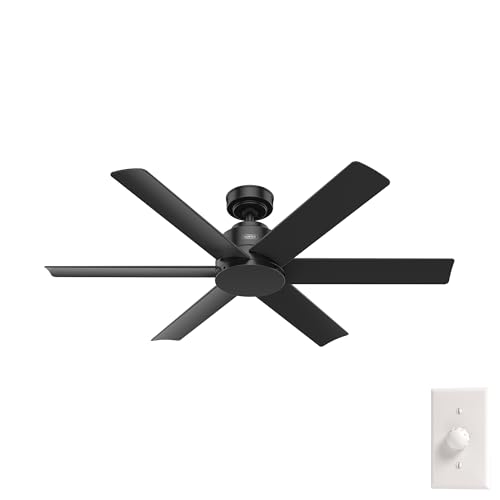
Damp or wet rated, flush mount or downrod: how to choose the best ceiling fan for patio seating and pergolas.
A patio fan has a harder job than an indoor fan. It has to move air across an open space, shrug off humid air and dust, and still look right above your seating. Choosing the best ceiling fan for patio use starts with the exposure rating, because a fan built only for dry indoor rooms can fail early outside.
This guide walks you through sizes, ratings, light output, and controls so you can match a fan to your roof cover and seating layout. Start with the product table below, then narrow your shortlist with the sections that follow.
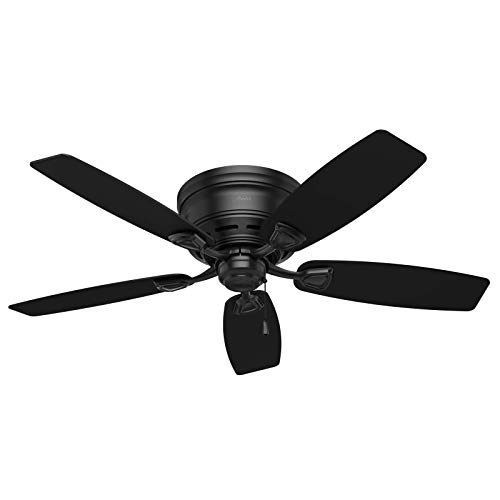

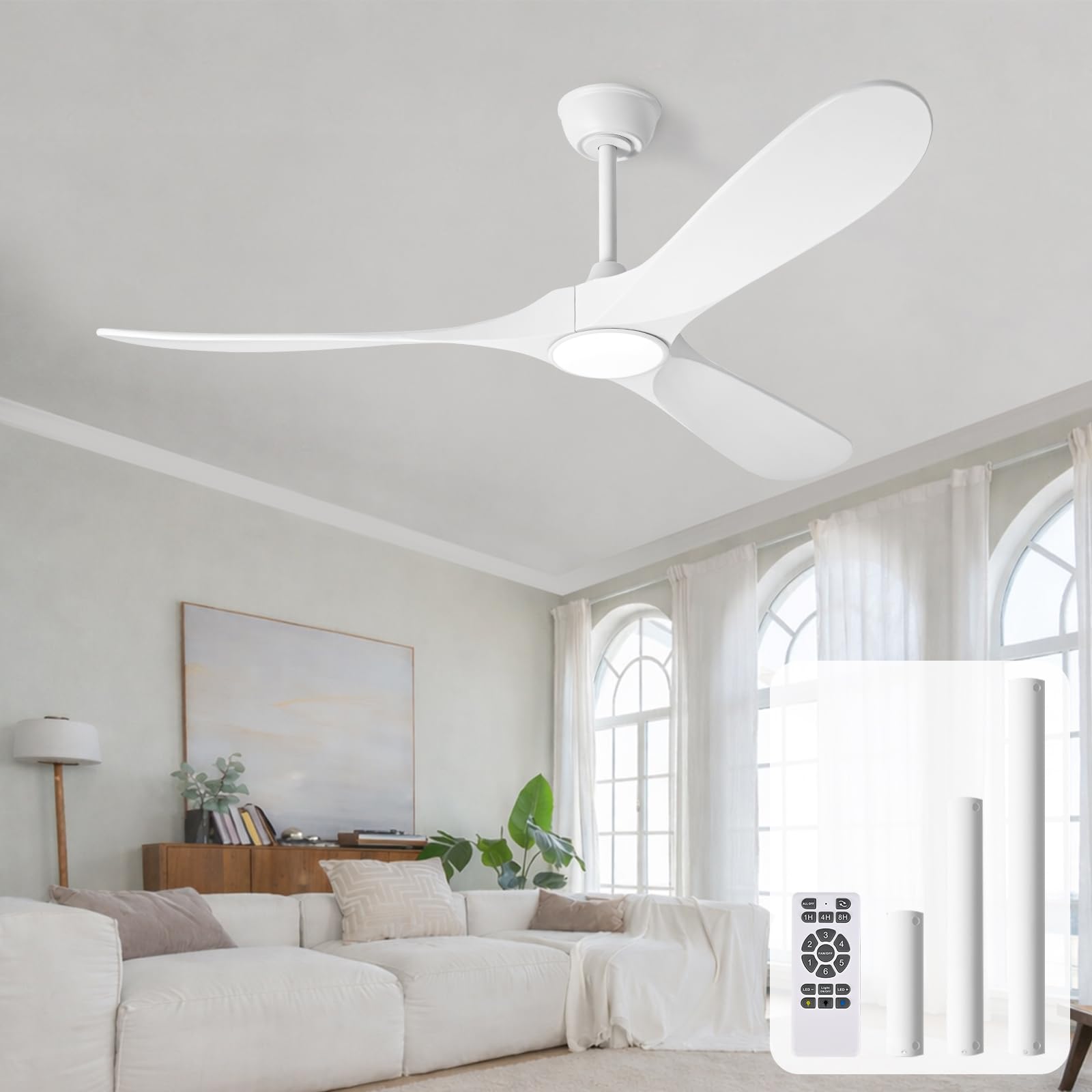


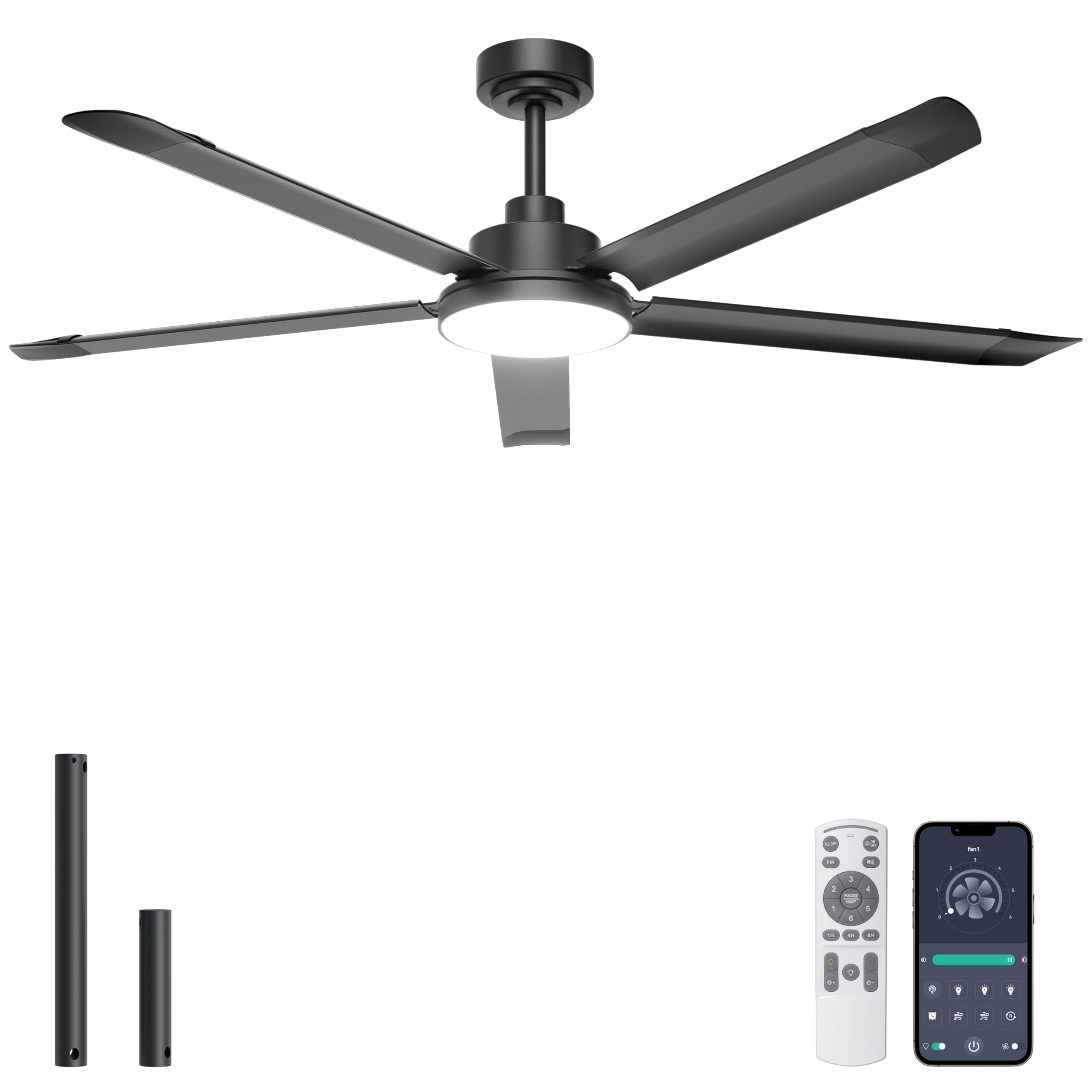

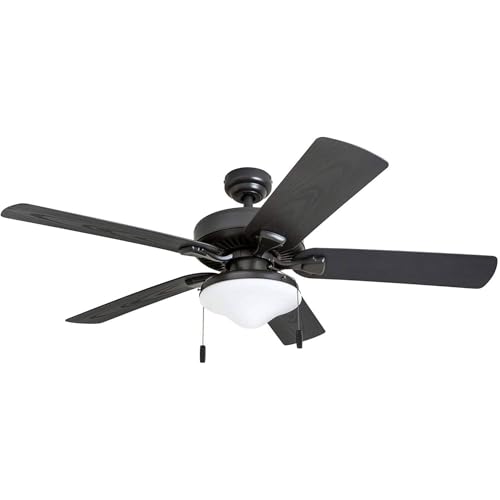
Patio Fan Types Compared
Patio fans fall into a few broad types, and the right one depends mostly on how exposed your space is. A fan under a solid roof with screens around it lives a gentler life than a fan on an open pergola beam that takes direct rain and sun.
Damp rated fans suit covered patios and screened porches where the fan stays dry but the air stays humid. Wet rated fans handle direct rain, so they are the safer pick for open pergolas and uncovered beams. If you are comparing indoor and outdoor models side by side, our overview of the best ceiling fan options shows how the ratings and features differ by room.
Flush mount fans hug the ceiling and suit low patio roofs where head clearance is tight. Downrod fans hang the motor lower, which helps on tall or sloped ceilings. Smart fans add app and voice control, handy when the switch sits indoors.
What We Looked at When Comparing Patio Fans
We compared patio fans on the factors that matter outdoors: the exposure rating, stated airflow, blade material, light output in lumens, color temperature, finish durability, and control options. We also weighed installation needs and value, since a patio fan should deliver strong airflow and a finish that resists fading and rust at its price, not just a long feature list.
Who Should Buy Which Patio Fan?
Covered Patios With Low Ceilings
If your patio roof sits low, a flush mount damp rated fan is usually your safest fit. It keeps blades well above head height while still moving air across a dining table or lounge chairs. Choose blades that will not sag in humid air, and pick an integrated light if the space has no other fixture.
Large Open Patios and Pergolas
Big open spaces call for a wet rated fan with a wide blade span, often 60 inches or more. Moving air across a long seating area takes blade area, and a single small fan will leave the corners still. On a pergola, confirm the beam can carry the fan weight and that the mounting box is rated for fan support before you buy.
Screened Porches and Three Season Rooms
A screened porch sits between indoors and outdoors, so damp rated fans work well and style choices widen. You can favor quieter motors and warmer light here because the space is used for long, relaxed evenings. If your porch doubles as a reading spot, look at the guidance for a best outdoor ceiling fan with a dimmable light and a remote you can use from your chair.
How to Choose the Right Ceiling Fan for Patio
Size and Form Factor
Match blade span to the area the fan must serve. A span of 42 or 44 inches suits a small covered nook of about 75 to 100 square feet. A 52 or 54 inch fan covers most patios up to about 225 square feet, while 60 and 72 inch spans serve long or wide layouts. Form matters as well: flush mount and low profile bodies fit ceilings under 8 feet, while downrod models place blades at a better height under tall roofs.
Type and Exposure Rating
Start with the rating, then pick a style. Damp rated fans belong under solid cover where rain cannot reach them. Wet rated fans are required anywhere rain, sprinklers, or hose spray can hit the blades and motor. Styles range from modern and farmhouse to industrial and caged designs, but the rating should always win over looks. A pretty indoor fan on an open pergola is a short lived fan, no matter how good the finish looks in photos.
Features Worth Paying For
An integrated light earns its cost when the patio has no other ceiling fixture, and a remote earns its cost almost every time, since patio switches are often far from the seating. Decorative blade shapes and extra speed settings add little, so spend first on rating, airflow, and controls you will use daily.
Lumens and Color Temperature
Light output is measured in lumens, and a patio light kit in the range of about 800 to 1600 lumens covers dining and conversation without glare. Lower output suits ambient use only, while brighter kits help if you grill or play games under the fan. Color temperature shapes the mood: warm light near 2700 to 3000 K feels relaxed and flatters wood and stone, while cooler light near 4000 K reads brighter and suits task areas like an outdoor kitchen counter.
Fixture Size and Placement
Center the fan over the seating or dining zone, not over the whole patio if the layout is uneven. Keep blades at least 7 feet above the floor, and leave about 18 to 24 inches between blade tips and any wall, post, or beam. On sloped patio roofs, use a sloped ceiling adapter and a longer downrod so the fan hangs level. A fan that hangs level runs quieter and wobbles less, which matters when you sit right under it.
Dimmable and Smart Options
Dimmable LED kits let you drop the light for evening drinks and raise it for cleanup, but the dimmer and the light must be compatible, so check the listing before pairing them. Smart fans add WiFi control, schedules, and voice commands, useful when the wall switch is inside the house. If you go smart, confirm the fan still works with the remote when your WiFi is down.
Installation
Nearly all patio fans are hardwired into a ceiling junction box, and that box must be rated to support a moving fan, not just a light fixture. Outdoor runs also need wiring and connections suited to damp or wet locations, plus a mounting surface that can carry the fan weight without flexing. Our step by step guide on how to install a ceiling fan covers box ratings, wiring order, and blade balancing in detail. If your patio has no ceiling wiring at all, budget for an electrician before you shop.
How Much Should You Spend?
Under $100, expect small spans, basic pull chain controls, and damp ratings at best, suited to a tiny covered nook. Spending around $100 to $200 buys a full size 52 inch fan with a remote and a light kit. Paying around $200 to $300 adds stronger airflow, better finishes, and wet ratings on more models. Above that, you pay for very large spans, smart controls, and premium materials. Our broader guide on how to choose a ceiling fan explains how these tiers map to room size and motor type.
What Matters Most in a Ceiling Fan for Patio
The rating comes first, airflow second, and controls third. A fan that cannot survive your exposure level is a poor buy at any price, and a fan that moves little air will not cool anyone, since fans cool people by moving air across skin rather than lowering air temperature. For a useful comparison on running costs and comfort, see our breakdown of ceiling fan vs air conditioner use across a home.
Motor type shapes noise and energy use. DC motors run quieter and use less power, with smoother low settings for evening use. If you are weighing the two motor families, our explainer on dc vs ac ceiling fan designs walks through noise, control, and price differences. Quiet matters outdoors, because motor hum carries in open air with no walls to soften it.
Common Mistakes to Avoid
- Buying an indoor rated fan for an open pergola, since rain will damage the motor and void the warranty.
- Choosing span by looks alone, since a small fan on a wide patio leaves seating at the edges in still air.
- Hanging the fan too low over a dining table, since guests will feel uneasy and tall decor can strike the blades.
- Skipping the fan rated junction box, since a standard light box can work loose under vibration over time.
- Picking a bright cool light for a lounge area, since harsh light flattens the relaxed feel you built the patio for.
- Forgetting a remote when the only switch is indoors, since you will end up leaving the fan off rather than going in to flip it.
How to Make Your Patio Fan Last Longer
Wipe the blades with a damp cloth every few weeks during heavy use, since dust buildup unbalances the fan and the extra wobble wears the motor mount. Work from a steady ladder, switch the power off at the breaker first, and never spray water directly into the motor housing, even on a wet rated fan.
Once a season, check blade screws and the downrod pin for tightness, and confirm the fan still runs without wobble at top speed. At the first sign of grinding noise, have an electrician inspect the wiring before the fault grows.
FAQ
What is the best ceiling fan for patio use?
The best choice is the fan whose rating matches your exposure, whose span fits your seating area, and whose controls suit your habits. For most covered patios that means a 52 inch fan with a damp rating with a remote and a warm dimmable light. Open pergolas need a wet rated model instead. Match those basics first, then choose style and finish to suit your space.
What should I look for in a ceiling fan for patio?
Check the exposure rating first, then stated airflow, blade material that resists warping, and a finish made for outdoor air. After that, look at light output in lumens, color temperature, and whether a remote is included. Also confirm the mounting style fits your ceiling height. A fan that passes the rating and airflow checks but fights your ceiling shape will disappoint every day.
How long does a patio ceiling fan last?
A well matched patio fan often runs for about 10 years or more, and the motor usually outlasts the finish and the light kit. Fans in wet locations tend to age faster because seals and coatings take constant stress. You can stretch service life by choosing the correct rating at purchase and keeping blades clean and balanced, since wobble is the main source of wear on mounts and bearings.
Is a ceiling fan worth it on a patio?
Yes, for most covered patios, because moving air makes hot evenings feel noticeably cooler and helps push insects away from seating. A fan also costs little to run, and there is no practical way to air condition open air. The main case against one is a very exposed site with no solid mounting point, where a fan cannot be fitted safely.
How do you clean a ceiling fan on a patio?
Turn the power off at the breaker, then slide an old pillowcase over each blade and pull it back slowly so dust falls inside the case instead of onto the furniture. Follow with a damp cloth for sticky pollen or cooking residue. Patio blades collect grit faster than indoor blades, so a quick wipe every few weeks beats one heavy scrub each season.
Do patio ceiling fans need special light bulbs?
Many patio fans use integrated LED kits, which need no bulbs at all and handle vibration better than screw in bulbs. If your fan takes bulbs, choose LED bulbs rated for damp locations and for use in enclosed or partly enclosed fixtures if the shade encloses them. Heat from older bulb types can shorten the life of nearby plastic shades, one more reason LED is the safer default outdoors.
Final Thoughts
Start with exposure, then size, then light and controls, and the right shortlist almost builds itself. The best ceiling fan for patio is simply the one rated for your roof cover, wide enough for your seating, and easy to run from where you sit. Check your finalists against the product table above, confirm the mounting box and wiring, and you can order with confidence.


