
Best Ceiling Fan for Nursery 2026: Buying Guide
Disclosure: We may earn a commission when you buy through links on this page, at no extra cost to you. As an Amazon Associate I earn from qualifying purchases. Learn more

Quiet low speeds, warm dimmable light and a secure mount: what to check when choosing the best ceiling fan for nursery rooms.
A nursery fan has a harder job than a fan in any other room. It needs to move air gently while your baby sleeps, run quietly enough that a speed change does not wake anyone, and give you soft light for night feeds. Choosing the best ceiling fan for nursery use comes down to noise, light quality, controls, and a safe fit for your ceiling height and room size.
This guide compares the main types by brightness, color temperature, style, and installation needs, so you can match a type to your room before you shop. You will find the product table below, followed by the criteria that matter most for a sleeping baby and tired parents.


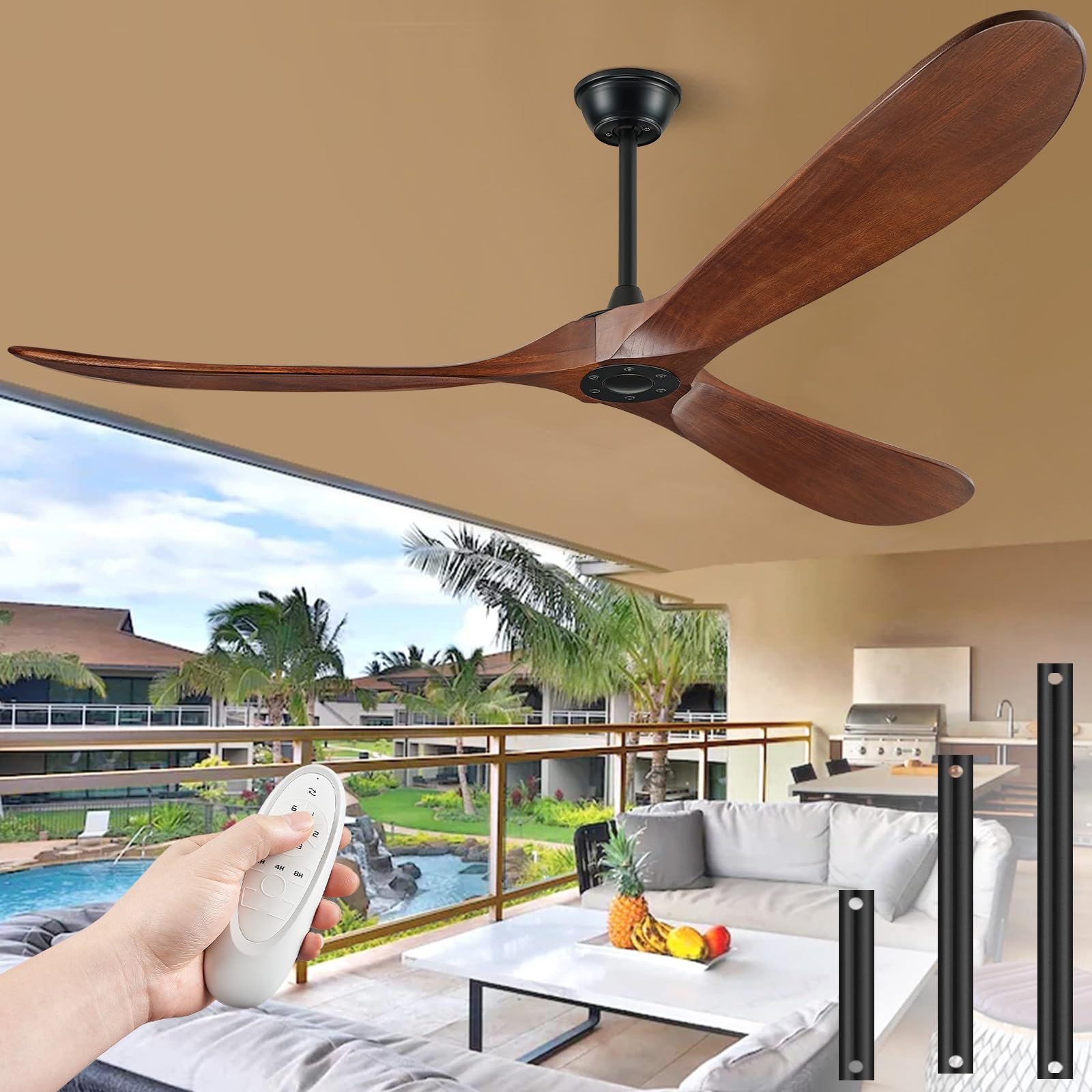
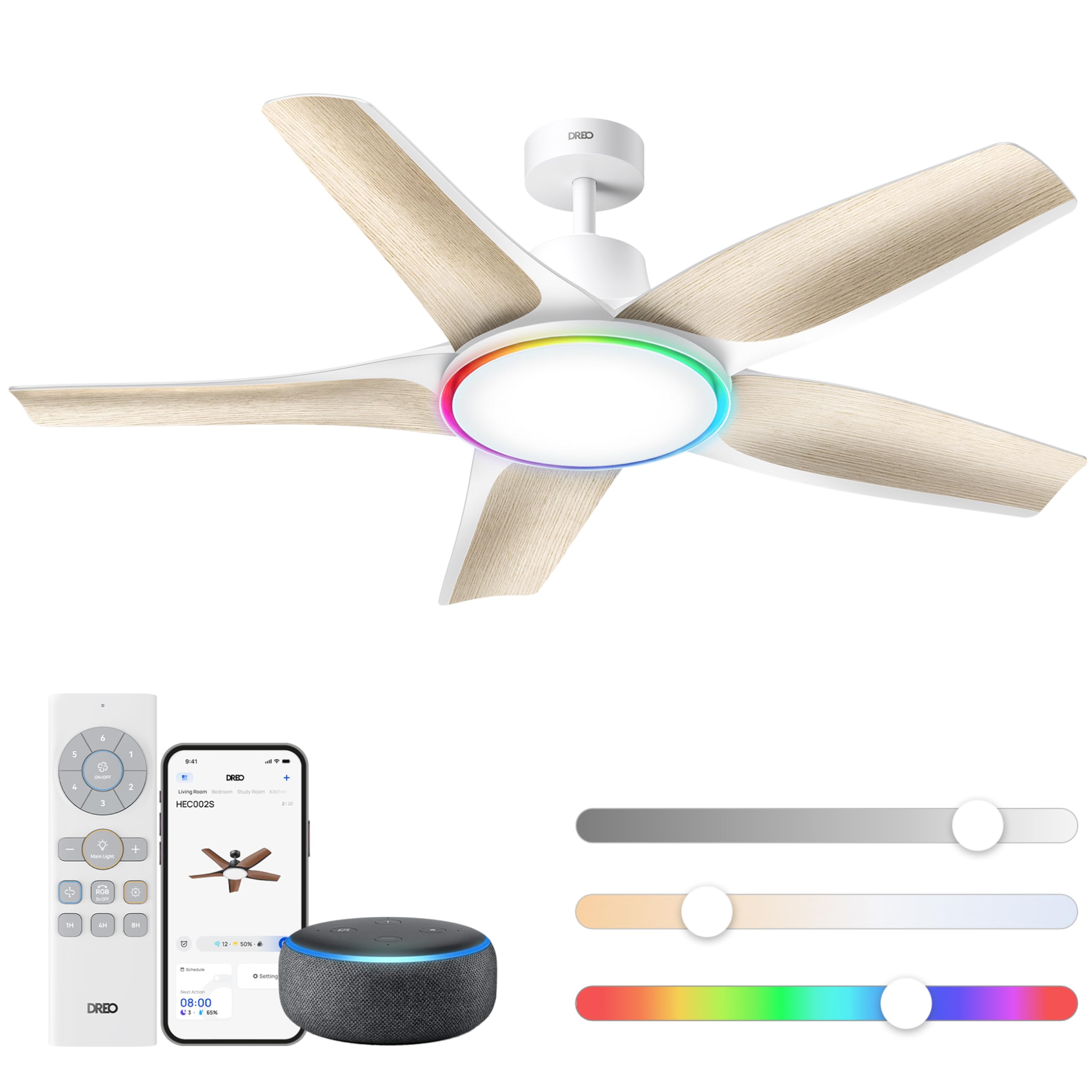


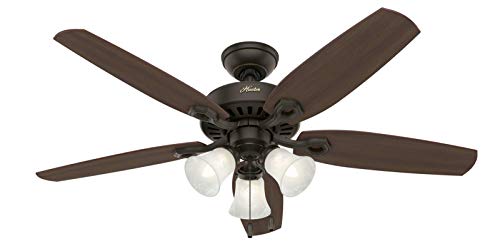

Fan Types at a Glance for a Nursery
Three types cover most nurseries. A flush mount low profile fan suits low ceilings and small rooms. A fan with an integrated light suits rooms where the ceiling fixture is the main light source. A smart fan with a DC motor suits parents who want quiet running and control from a remote or phone.
- Flush mount low profile: sits close to the ceiling, suits ceilings under eight feet, and keeps blades as high as possible above the floor.
- Fan with integrated light: combines air movement and room light in one fixture, so you need only one ceiling box and one installation.
- Smart DC motor fan: offers more speed steps, quieter low speeds, and timer and voice control options at a higher price.
Three Types Worth Comparing for a Nursery
Flush Mount Low Profile Fans
This type mounts directly against the ceiling with no downrod, which makes it the safest fit when ceiling height is limited. Most building guidance wants blades at least seven feet above the floor, and a low profile housing helps you keep that clearance with an eight foot ceiling. Sizes tend to run smaller, which suits a typical nursery. The trade off is light output, since a compact housing leaves less room for a large light kit. Choose this type if your ceiling is low and the room is small.
Fans With an Integrated Light
Many nurseries have a single ceiling fixture, and a fan with a built in light replaces it without new wiring in the ceiling. Look for a covered light rather than exposed bulbs, since a cover softens glare when you look up from a rocking chair and when your baby lies facing the ceiling. Choose this type if the fan will be the main light for feeds, changes, and play on the floor.
Smart Fans With a DC Motor
A DC motor fan gives you finer speed control, often six speeds instead of three, and the lowest speeds can be very gentle and quiet. Smart models add timers, app control, and voice control, so you can slow the fan after your baby falls asleep without entering the room. That convenience costs more, and setup takes longer. If you are comparing motor types in general, our guide to dc vs ac ceiling fan explains how the two designs differ in energy use and control.
How We Chose the Best Ceiling Fans for Nursery
We ranked types and features using manufacturer specifications for airflow, noise, light output, and motor type, along with safety listings and warranty terms. The criteria were brightness and color temperature, style and finish, installation demands, energy efficiency, and value for money. For a nursery we weighted quiet running and gentle low speeds above maximum airflow, since a fan that cools a large room on high can feel too strong over a crib on its lowest setting.
How to Choose the Right Ceiling Fan for Nursery
Size and Form Factor
Match blade span to room size so the fan moves air across the whole room without creating a strong draft in one spot. A span of about 42 to 44 inches suits most nurseries of around 100 to 144 square feet, while a larger room can use about 52 inches. Oversizing is a common nursery error, since a big fan on low still pushes more air than a small fan on low. Measure the room first, then pick the smallest span that covers it, and you will get gentler control at sleep speeds.
Type and Finish
Beyond the three main types above, you will see caged and bladeless designs sold for family rooms. Enclosed blades can look reassuring, but what protects your child is mounting height and a secure installation, since a nursery fan is far out of reach. Style is mostly personal, though a plain white or soft neutral finish shows dust less than a dark finish. Pick a look you will still like when the room becomes a toddler room.
Features Worth Paying For
A remote control is close to essential in a nursery, since you can change speed or light while holding your baby. A timer helps too, letting the fan slow or stop later in the night without another trip into the room. A reversible motor lets the fan run in winter to push warm air down gently, which can even out room temperature across seasons. Skip features that add noise or light you do not want, such as control beeps you cannot mute or a bright indicator light on the receiver that glows all night.
Lumens and Color Temperature
For the main light, look for about 800 to 1600 lumens, enough to change clothes and find small items without feeling harsh. Color temperature shapes how the room feels at night. Warm light at about 2700 to 3000 kelvin is calmer for feeds and less likely to fully wake your baby than cool white light above 4000 kelvin. If you also want a brighter daytime light for play, choose a model that lets you switch color temperature rather than one fixed at a single warm setting.
Fixture Size and Placement
Place the fan near the center of the room, but think about where the crib stands before you fix the position. A fan directly over the crib gives the strongest airflow at the sleep spot, which many parents do not want for a newborn. Slightly offset placement still circulates the room air while softening the draft at the crib. Keep the fan clear of tall wardrobes and changing tables that narrow the safe distance below the blades.
Dimmable and Smart Options
Dimming matters more in a nursery than in any other room, because night feeds need just enough light to see by. Check that the light dims smoothly to a very low level without flicker, since flicker is tiring during a long feed. If you want app schedules or voice control, confirm the fan works with the system you already use at home. For a wider view of sizing and controls across rooms, see how to choose a ceiling fan.
Installation
Most nursery fans are hardwired to the ceiling box, and that box must be fan rated and fixed to a joist or brace, since a fan is heavier than a light fixture. Plug in models exist but leave a cord on the ceiling, a poor fit for a child room. If you plan to fit the fan yourself, read how to install a ceiling fan first, turn off power at the breaker, and hire an electrician if the existing box is not fan rated.
How Much Should You Spend?
Basic fans cost under $100 and usually give you three speeds, an AC motor, and a simple light. About $100 to $200 is where quiet DC motors, good remotes, and smooth dimming become common, and this is the sensible range for most families. About $200 to $300 adds smart controls and better finishes. Above about $300 you mostly pay for design and brand. Spending more does not buy safety, since safe mounting matters far more than price.
What Matters Most in a Ceiling Fan for Nursery
Safety and sleep come before cooling power. The fan should carry a recognized safety listing such as UL or ETL, mount securely out of reach, and have no dangling cords your child could reach later from a crib or bed. Run it on a low, steady speed for sleep rather than a changing breeze mode, since a steady sound and feel are less likely to disturb your baby. Air movement in the room is a comfort choice for your family, so talk with your pediatrician about your baby sleep setup, including room temperature and air flow, if you have any concerns.
Compared with a portable fan, a ceiling fan has no cord at floor level and no unit that can be pulled over, which is why most parents prefer one for this room. If you are also fitting other rooms, our overview of the best ceiling fan options covers general picks, and the guide to the best ceiling fan for bedroom is useful for your own room next door.
FAQ
What is the best ceiling fan for nursery use?
The best type is the one that fits your ceiling height and room size while running quietly at low speed, with a dimmable warm light and a remote. For most families that means a DC motor fan of about 42 to 44 inches, flush mounted if the ceiling is low. One point buyers often miss is crib position, so choose the fan after you decide where the crib will stand, not before you plan the room layout.
What should I look for in a ceiling fan for nursery use?
Look for quiet low speeds, a covered and dimmable light, a remote you can use with one hand, and a safety listing. Also check whether the fan remembers your last speed and light setting when you use the wall switch, since that small detail saves you resetting the fan at every nap. A long motor warranty is another useful sign, because the motor is the part you least want to replace with a baby sleeping below.
How long does a ceiling fan last in a nursery?
A well made ceiling fan often runs for about ten years or more, and the motor usually outlasts the light kit and the remote. Dust and moisture from a humidifier can shorten the life of electronics in the receiver, so place a humidifier away from the fan and wipe the housing during your regular cleans. If the fan starts to wobble or click after years of use, tighten the blade screws first, since loose hardware is the most common cause.
Is a ceiling fan worth it in a nursery?
Yes, for most families, because it gives steady air movement and light from one fixture and keeps cords and portable units out of the room. It can also help in winter when you reverse the direction at low speed, which moves pooled warm air down from the ceiling without a draft. The main case against one is a very low ceiling where you cannot keep safe blade clearance, and in that case a wall mounted option outside reach is the better route.
How do you clean a ceiling fan in a nursery?
Turn the fan off and let it stop fully, then stand on a stable step stool and slide an old pillowcase over each blade, pulling dust into the case as you draw it back. Wipe the light cover and motor housing with a slightly damp cloth. Clean little and often, because a thick layer of dust spreads around the room the next time you switch it on.
What is the most reliable ceiling fan brand for a nursery?
Reliability depends more on the motor, the safety listing, and the warranty than on the brand name alone. Choose a fan with a motor warranty of at least several years and widely available replacement remotes and light kits. A model that local electricians know and can service is a safer long term choice than a striking design with parts you cannot source years later.
Final Thoughts
Start with your ceiling height and room size, then choose the quietest type you can afford with a dimmable warm light and a remote you can use while holding your baby. The product table above pulls the current options together so you can compare types side by side. For most families, the best ceiling fan for nursery use is a modest size DC motor fan, mounted securely, run at a gentle steady speed, and paired with soft light for the night hours.


