
Best Ceiling Fan for Kitchen in 2026: Types, Sizes and Cleanable Finishes
Disclosure: We may earn a commission when you buy through links on this page, at no extra cost to you. As an Amazon Associate I earn from qualifying purchases. Learn more

How to choose the best ceiling fan for kitchen use: size, low profile mounts, cleanable blades, lighting and placement away from the stove.
A kitchen heats up fast once the oven and burners are on, and a ceiling fan can move warm air away from your work zone without blasting ingredients off the counter. Choosing the best ceiling fan for kitchen use means balancing airflow with a finish that wipes clean and a light that shows food colors clearly. The comparison table below sorts the main types by size, light output and mount style.
Kitchens add challenges other rooms never see. Steam and grease vapor call for smooth blades, sealed motor housings and controls you can use with wet hands. Ceiling height is often limited by cabinets, so mount style matters as much as blade span.


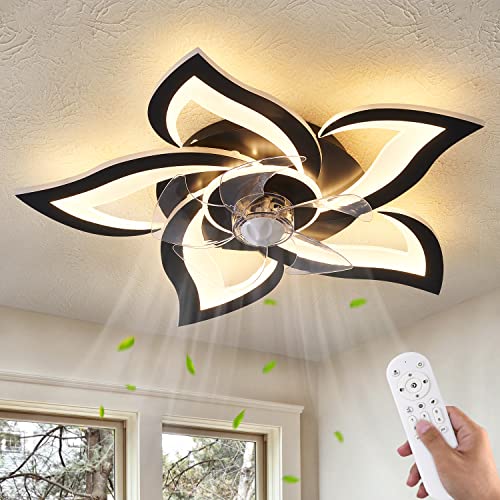


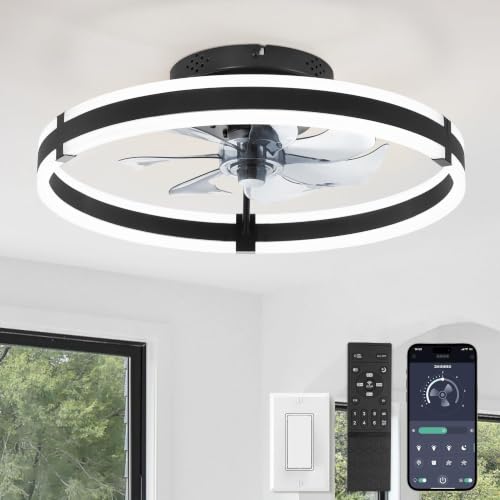
Fan Types Compared for Kitchen Use
Instead of ranking named models, compare the three fan types kitchens use most. Each suits a different ceiling height, room size and lighting need.
Flush Mount and Low Profile Types
These fans sit close to the ceiling and leave the most headroom, which suits kitchens with ceilings under eight feet or tall cabinet doors. Blades are usually shorter, so airflow suits small to medium rooms best. Most use smooth blade surfaces that tolerate frequent wiping. The trade off is less air movement in a large room, since the blades sit close to the ceiling and pull in less air from above.
Standard Types With an Integrated Light
A fan with a built in light supports your main ceiling fixture, which helps in kitchens with a single central fitting. Look for covered light housings, since open bulbs collect grease film quickly and lose brightness. These types come in the widest range of spans and finishes, so matching cabinets and hardware is easier. The light and fan should work on separate controls if you cook at varied hours.
Smart and Large Span Types
Fans with spans of 54 inches or more move air across open plan kitchens where cooking heat drifts into seating space. Smart versions add app and voice control, timers and speed scheduling, which helps when your hands are covered in flour or oil. These types cost more and need more ceiling clearance and a stronger support box. In a compact kitchen they can feel oversized and push air too hard over a prep surface.
Who Should Buy a Kitchen Ceiling Fan
Cooks in Small Kitchens That Overheat
If your kitchen traps heat from the oven and has no window near the stove, a compact fan gives steady relief while you cook. You will use low speeds most, so quiet operation matters more than maximum airflow. Choose smooth blades and a finish that tolerates weekly wiping. A built in light also helps if your current fixture leaves counters in shadow.
Families With Open Plan Cooking and Dining Space
In a combined room, cooking heat and odors drift toward the table, and a larger fan can push air across both zones. You need a wider span, a reversible motor for cooler months and controls everyone can reach. A remote or wall control suits this layout well. Our broader guide to the best ceiling fan explains span and airflow ratings for large rooms.
Owners of Low Ceiling or Rental Kitchens
Low ceilings rule out long downrods, so a flush mount type protects headroom and keeps blades safely above raised cabinet doors. Renters should check lease terms and local rules before hardwired work, since most ceiling fans need a permanent electrical connection. If wiring changes are not allowed, a fan may not be an option, and portable air movement near a window may be the practical fallback.
How to Choose the Right Ceiling Fan for a Kitchen
The criteria below come from maker specification sheets and safety listings. Brightness and color temperature decide how well you judge food as it cooks, while finish affects how easily grease wipes away.
Size and Form Factor
Blade span should match the floor area the fan must serve. Kitchens up to about 75 square feet suit a 29 to 42 inch fan, rooms of 76 to 144 square feet suit 44 to 52 inches, and larger spaces may need 54 inches or more. Measure the room and note where cabinets, islands and hanging lights sit, since blades need clear space on every side.
Type
Flush mount types hug the ceiling and suit rooms under eight feet tall. Standard types on a short downrod suit ceilings of eight to nine feet and move air more freely. Caged and bladeless designs keep blades out of reach in busy family kitchens, though airflow can be gentler. Outdoor rated types resist moisture and suit kitchens opening onto a patio, like models in our guide to the best outdoor ceiling fan.
Features Worth Paying For
A reversible motor earns its cost, since it lets you push warm air down in cooler months and lift heat away in summer. A remote is worth paying for when the fan sits over an island and the pull chain is hard to reach. Timers help clear cooking odors after you leave the room. Skip novelty lighting effects and extra speeds beyond six, since most cooks settle on two or three speeds daily.
Lumens and Color Temperature
Kitchen task lighting should be bright enough to read labels and judge browning, so look for an integrated light of about 800 to 1600 lumens for a medium room. Light around 3000 to 4000 kelvin gives a neutral white that shows meat, greens and sauces close to their true colors. Very warm light can make food look dull, while very cool light can feel harsh over a dining area.
Fixture Size and Placement
Place the fan over the main open floor area or the island, not directly over the stove, since rising heat and grease would coat the blades and motor. Blades should sit at least seven feet above the floor and at least 18 inches from any wall or tall cabinet. Keep the fan clear of pendant lights so shadows do not sweep across counters as the blades turn.
Dimmable and Smart Options
Dimmable lights let you lower brightness for evening meals while keeping full output for prep work. Check that the fan light and your bulbs or wall dimmer are listed as compatible, since a mismatch can cause flicker or buzzing. Smart fans can link to voice assistants and schedules. Keep a manual control as backup, because a lost remote or network outage should never leave you without airflow.
Installation
Most kitchen ceiling fans are hardwired and need a ceiling box rated for fan weight, not a standard light box. Turn off power at the breaker, confirm the box is braced to a joist or fan rated brace, and follow the maker wiring diagram exactly. Adding a new ceiling fitting is electrician work in most areas. Our guide on how to install a ceiling fan covers box ratings, wiring and balancing in full.
How Much Should You Spend?
Basic compact fans cost about $80 to $150 and suit small kitchens with simple controls and modest light output. Mid priced fans at about $150 to $300 add stronger motors, better finishes and remotes. Premium and smart types run about $300 to $500, with larger spans and app control. Installation can add about $150 to $300 if you hire an electrician. Spend first on correct size, motor quality and a cleanable finish.
What Matters Most in a Kitchen Ceiling Fan
Airflow direction and grease control matter more in a kitchen than in any other room. In summer, blades should turn counterclockwise to push air down onto the cook. In winter, a slow clockwise setting recirculates warm air near the ceiling. Smooth blades and a sealed motor slow grease film buildup, which otherwise unbalances blades and strains the motor.
A fan is not a vent hood and cannot remove smoke or grease from the air. It spreads cooking odors rather than exhausting them, so keep using your range hood or window vent for extraction. A fan also uses far less energy than room cooling, a trade off explored in our comparison of ceiling fan vs air conditioner costs and comfort. It makes you feel cooler by moving air over skin, though room temperature barely changes.
Motor type shapes daily use too. Our explainer on dc vs ac ceiling fan motors shows why DC motors often run quieter and use less power, while AC motors cost less. For a fan that runs for hours during prep and cleanup, quiet low speeds can matter more than top speed.
Common Mistakes to Avoid
- Mounting the fan over the stove, so grease coats the blades and shortens motor life.
- Choosing span by looks alone, leaving a large room under cooled or a small room blasted with drafts.
- Using a standard light box instead of a fan rated box, which risks the fan loosening over time.
- Picking a textured finish that traps grease and cannot be wiped clean.
- Forgetting blade clearance from cabinets and pendant lights, which causes noise and safety risks.
Care and Maintenance for Kitchen Fans
Kitchen fans need more frequent cleaning than fans in other rooms because grease film builds up even away from the stove. Dust the blades every two to four weeks with a damp cloth or a pillowcase slipped over each blade to trap debris. Check blade screws and the canopy every few months, since vibration loosens hardware gradually. For a full sizing checklist before you order, see our guide on how to choose a ceiling fan.
FAQ
What is the best ceiling fan for kitchen use in a small space?
For a small kitchen, the strongest choice is usually a compact flush mount fan of 29 to 42 inches with smooth blades and a covered light. It protects headroom, wipes clean easily and avoids strong drafts over a small counter. Measure the total drop before ordering, since even flush types vary by several inches in height.
What should I look for in a ceiling fan for kitchen cooking areas?
Start with correct span, a motor you can reverse, and a finish that tolerates damp wiping. Then check light output and color temperature for task work, plus a control you can reach with wet or flour covered hands. A sealed motor housing slows grease entry and can extend the time between deep cleans.
How long does a ceiling fan last?
A quality fan motor often lasts 15 to 20 years, while switches, remotes and light modules may need attention sooner. Kitchen use can shorten that span if grease builds up inside the housing, so regular cleaning protects your investment. If a fan wobbles after cleaning and tightening, have an electrician inspect the mount before you keep using it.
Is a ceiling fan worth it in a kitchen?
Yes, for most homes a kitchen fan is worth it because it runs on a fraction of the power of room cooling and makes long cooking sessions more comfortable. It also helps clear lingering warmth after the oven turns off. It will not replace a range hood or lower humidity from boiling pans, so judge it as comfort airflow rather than ventilation.
How do you clean a ceiling fan in a kitchen?
Turn the fan off and let the blades stop fully before you start. Wipe each blade with a cloth dampened with warm water and a small amount of dish soap, since kitchen film is greasy rather than dusty. Dry the blades at once. Never spray cleaner directly onto the motor housing, and keep liquid away from ceiling wiring.
What is the most reliable ceiling fan brand for kitchen use?
No single brand is most reliable for every kitchen, and reliability data by model is limited, so judge the fan in front of you instead. Look for a long motor warranty, a safety listing from a recognized certification body, available replacement parts and clear maker support. A simple model with strong parts support often outlasts a feature heavy model from any maker.
Final Thoughts
Start with honest measurements. Match span to room size, keep blades clear of cabinets and the stove, and choose a light that shows food in true color. A cleanable finish, a reversible motor and a reachable control decide how much you enjoy the fan daily. When those basics are right, the best ceiling fan for kitchen use is the type that fits your ceiling, cooking habits and budget. Compare your shortlist against the product table above before you order.


