Best CD Player with Speakers for 2026: Budget, Midrange, and Premium Bands
Disclosure: We may earn a commission when you buy through links on this page, at no extra cost to you. As an Amazon Associate I earn from qualifying purchases. Learn more
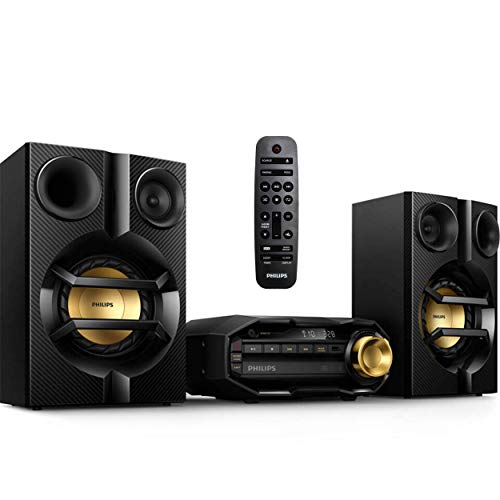
Compare the best cd player with speakers across budget, midrange, and premium bands, and learn which speaker sizes, radio, and connections each level buys.
Prices for a CD player with built in speakers stretch from the cost of a pizza night to a serious shelf system, and the gap buys real differences in speaker size and build. The trick is knowing which band matches your room and your listening habits before you spend. This guide breaks down the best cd player with speakers options by budget band, so you can see what each level actually adds.
Every band below plays the same discs. What changes is how much sound the box can make, how it handles radio and phone connections, and how solid it feels doing it. The comparison table below lines the bands up side by side.


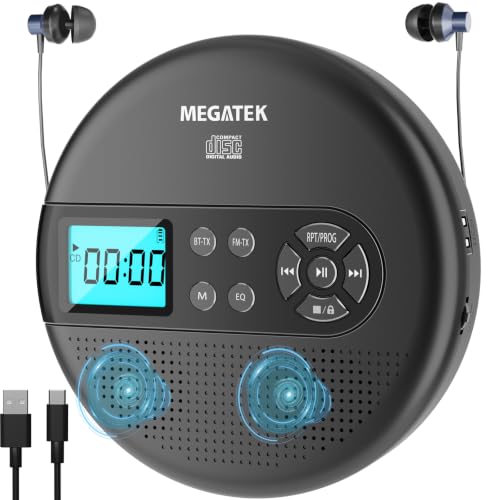
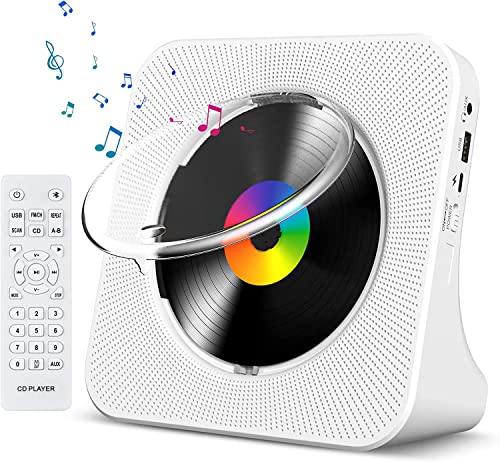
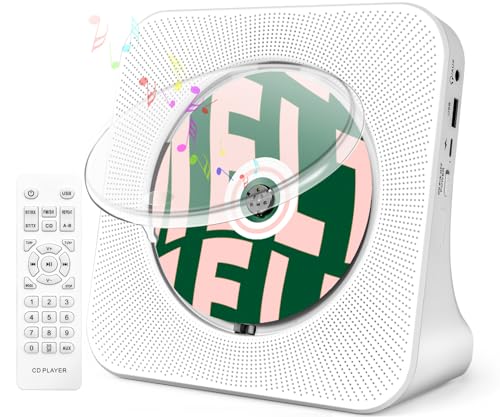
What Your Money Gets You at Each Price Level
Budget Band: Simple Disc Playback
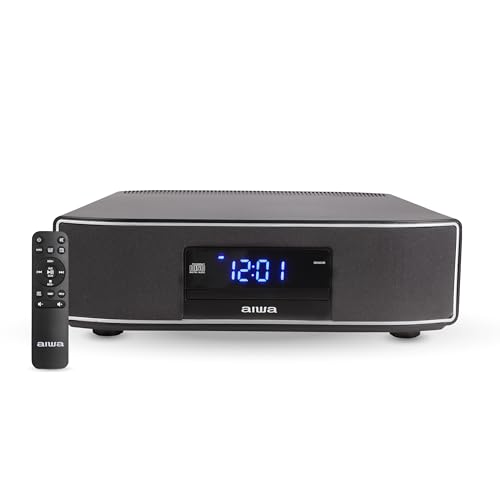
Budget models, around $30 to $60, focus on the basics: a single disc tray or top loading slot, small speakers of about one to three watts a side, and simple controls. Sound is clear enough for talk radio, audiobooks, and background music in a bedroom or kitchen. Expect a basic FM radio and a headphone jack, with build quality that feels light and plasticky. This band suits a first player for a child, a workshop, or anyone whose disc collection gets occasional play rather than daily listening.
Midrange Band: Better Speakers and Radio
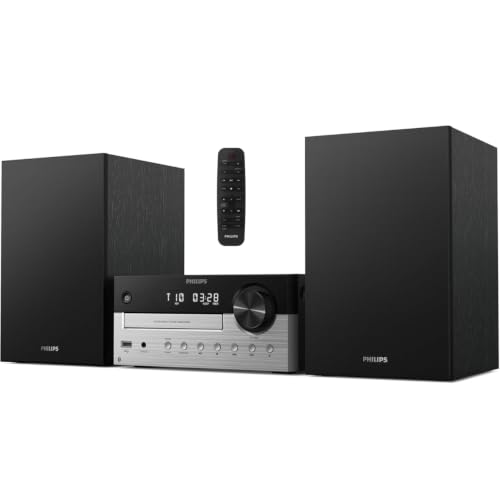
Midrange models, about $60 to $150, are where most buyers should land. Speakers grow larger and better braced, so voices sound fuller and music holds together at normal room volume. Most add a digital radio tuner with presets, a USB port for music files, and Bluetooth input so a phone can play through the same speakers.
Remotes become standard at this level, and cabinets feel sturdier. For a living room or a main bedroom, this band covers daily listening without paying for size you will never use.
Premium Band: Room Filling Sound and Extras
Premium models, about $150 to $300, spend the money on acoustics: bigger drivers, separate tweeters in some designs, and cabinets tuned to keep bass tidy rather than boomy. This is the band for larger rooms and listeners who play music as the main event, not the backdrop. Extras can include a multi disc changer, Bluetooth output to wireless headphones, and finer controls over tone. Even here, be realistic: a single shelf box will not match a separate amplifier and speakers, and no band changes the discs themselves.
Features Worth Paying For (and Ones to Skip)
Why Choose a CD Player with Speakers
The format is an all in one listening box: the player, the amplifier, and the speakers share one cabinet and one power cord. That simplicity is the whole appeal, since there is nothing to wire and nothing to match. The honest limit is size, because small built in speakers fill small rooms well and only reach comfortable background level in big ones. The value also depends on the library you already own: a shelf of discs you love makes this player earn its space every day, while a tiny collection may not.
Speaker Size and Sound
Driver size is the clearest predictor of sound in this category. Tiny drivers in budget boxes reproduce voices well but thin out music, while the larger drivers in midrange and premium cabinets add warmth and hold clarity when the volume rises. Wattage figures on the box are loosely measured and hard to compare between brands, so treat them as a rough guide only. Whatever the band, listen at a moderate volume: close, comfortable listening sounds better and is kinder to your ears, and persistent ringing after listening is a warning sign the level was too high.
Radio and Extra Sources
Most players include FM radio, and midrange models often add digital tuning with station presets that survive a power cut. A USB port lets the same box play music files from a stick, which stretches it beyond discs. Some models include an auxiliary input for an older phone or a small television.
If radio matters to you, check the antenna arrangement: a telescopic rod works well near a window, while a wire antenna can be positioned for weak signals. These extras cost little and add real daily use.
Connections: Bluetooth In and Out
Bluetooth input, common from the midrange up, turns the player into a speaker for a phone or tablet when you are not playing discs. Bluetooth output is rarer and more useful than it sounds, sending the disc audio to wireless headphones for private listening. Shoppers who start from the speaker side often read about the best bluetooth speakers with cd player category, which is the same shelf of products viewed from the streaming angle. A simple headphone jack remains the cheapest private listening option and appears at every band.
Power Source and Portability
Most models run from the wall, and some add battery power for the garden, a porch, or a room without a spare outlet. Battery models trade cabinet size for freedom, and disc playback drains batteries faster than radio does. If you plan to carry the player between rooms, look at the handle and the weight rather than the spec sheet. Our guide to the best portable cd player with speakers covers the carry friendly end of the range in more depth.
Controls, Display, and Remote
Daily ease gets overlooked in spec lists, yet it decides whether the player gets used. Large, clearly marked buttons matter for kitchen hands, bedside use in low light, and older listeners who should not need a manual for the volume knob. A legible display that shows the track number and the radio station from across the room is worth more than a decorative light show.
From the midrange up, a remote covers the basics from the sofa: power, volume, track skip, and station presets. Check that the remote uses common batteries, since an odd cell size turns a dead remote into a shopping trip.
Setting Up and Everyday Use
Setup takes minutes: a stable shelf, a power outlet, and enough room for the disc tray or lid to open fully. Keep the player out of direct sunlight and away from radiators, since heat ages both the cabinet and the discs stored beside it. Handle discs by their edges and return them to their cases, because fingerprints and grit on the playing surface cause more skips than any player fault. If the room is dusty, a soft cloth over the player between uses keeps grit out of the tray and off the lens.
Matching the Player to Your Room
Room size should drive the band decision more than any single feature. In a bedroom, kitchen, or small study, a budget or midrange box has all the reach it needs, and placing it on a shelf near a wall adds a little natural bass support. A large open plan living room asks for the premium band, and even then the player works best as a focused listening spot rather than whole space sound. Listeners short on surface space should look at the best small cd player with speakers range, where compact cabinets trade some fullness for a smaller footprint.
Placement is free performance. A player pushed into a corner sounds boomier, while a foot of space behind it lets the sound open up. Hard bare rooms make any band sound brighter and harsher, so curtains and soft furnishings help more than an upgrade would. For a desk or a bedside table that stays put, the best desktop cd player with speakers category favors slim designs with front facing controls you can reach without standing up.
Long Term Costs to Factor In
The purchase price is most of the story, but a few small costs follow. Batteries for a portable model add up over years of garden use, so a rechargeable routine or mains use at home keeps that bill down.
A multi disc changer, covered in our guide to the best multi cd player with speakers, costs more up front yet saves nothing later, so buy it only if you truly rotate several discs daily. Laser lenses gather dust in smoky or dusty rooms, and a cleaning disc is a cheap fix. Finally, keep the discs themselves in their cases: scratched media, not the player, causes most skips.
CD Players: Your Questions Answered
Can a CD player with speakers fill a large living room?
A premium band model can fill a large living room at comfortable listening levels, but a budget box cannot. Small speakers run out of clean volume quickly, and pushing them harder adds distortion rather than reach. Placement helps: a shelf near a wall and a defined listening seat get more from any band. If the room is big and the music matters, treat the player as one listening spot, or step up to separate components instead.
Do CD players with speakers play burned discs and MP3 discs?
Most current models play standard audio CDs and MP3 discs, and many handle home burned discs without trouble. The exceptions are the cheapest budget units, whose listings sometimes omit MP3 support entirely. Check the format line before buying if your collection includes burned discs, and remember that disc condition matters more than brand here: a scratched or dirty disc skips in any player, so keep that in mind before blaming the machine for a problem the media caused.
Can I connect a phone to a CD player with speakers?
Yes, on most midrange and premium models, through Bluetooth input or a simple auxiliary cable. Bluetooth is the tidier option and lets the phone act as a remote from across the room. A wired auxiliary connection sounds just as good and never needs pairing, which suits a fixed setup, while budget models may offer only the headphone jack, which is an output and cannot take phone audio in. Confirm the direction of the connection before you buy.
Is a separate CD player and speakers better than an all in one?
Separates sound better and can grow over time, but they cost more and take more space and wiring. An all in one wins on simplicity: one box, one cord, and nothing to configure, which is why it suits bedrooms, kitchens, and casual listening. The honest answer depends on how you listen, since daily focused listening justifies separates while background music and radio do not. Many households end up with the all in one first and separates only in the main room.
How long does a CD player with speakers usually last?
A decent player lasts many years, because the mechanism has few wear points beyond the laser and the tray motor. Dust is the main enemy, so a covered shelf and an occasional cleaning disc keep it reading discs reliably. Speaker cones in these cabinets rarely fail at normal volumes. When problems start, they usually show as skipped tracks or a tray that hesitates, and cleaning the lens fixes the first of those surprisingly often.
The Bottom Line
Pick the band by room size first: budget for small rooms and occasional play, midrange for daily listening in average rooms, and premium when the music itself is the point. Then check the extras you will actually touch, like radio presets and Bluetooth input, against the product table above. Chosen that way, the best cd player with speakers for your home is simply the one whose size and sound match the room it will live in.