Best CDMA Smartphones: Types Compared and How to Choose for 2026
Disclosure: We may earn a commission when you buy through links on this page, at no extra cost to you. As an Amazon Associate I earn from qualifying purchases. Learn more

How to choose the best cdma smartphones: check carrier bands first, then compare compact, budget, camera and flagship types.
CDMA phone shopping feels confusing because the network side matters as much as the phone itself. A handset can have a great camera and still fail you if it lacks the bands your carrier actually uses. This guide compares the main types so you can match the best cdma smartphones to your carrier, your budget, and the way you use a phone every day.
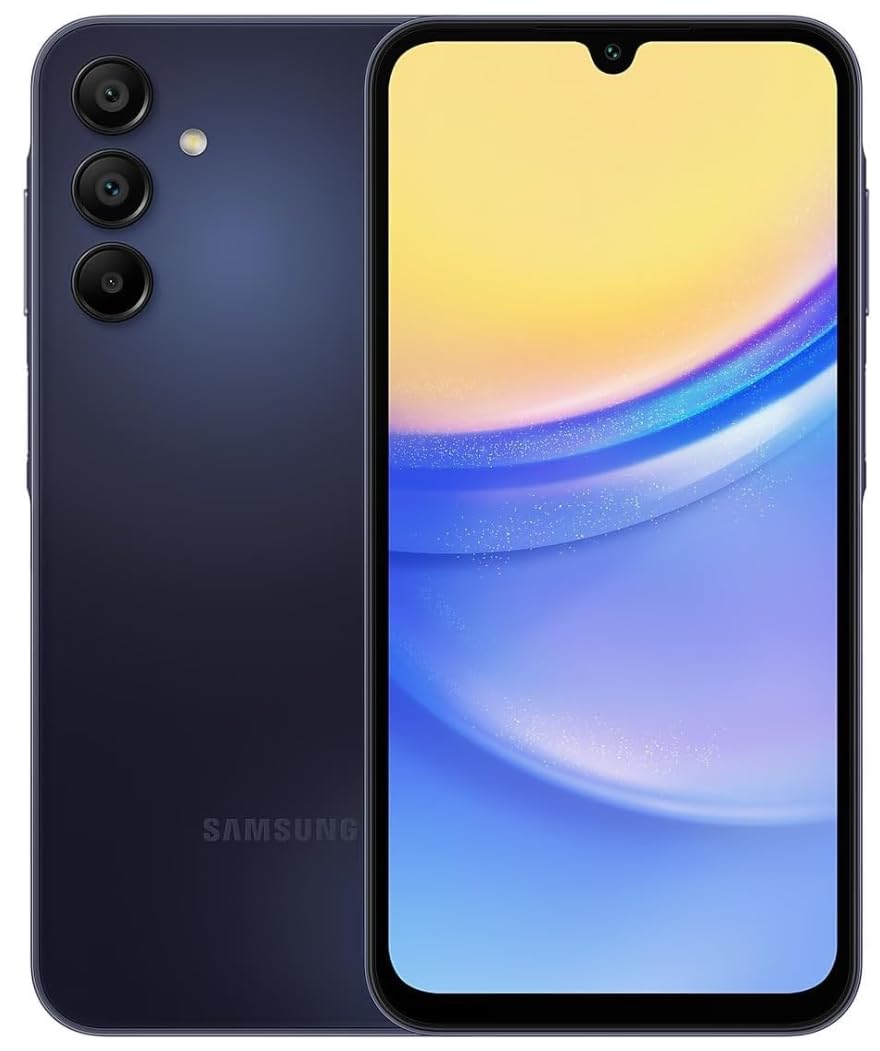
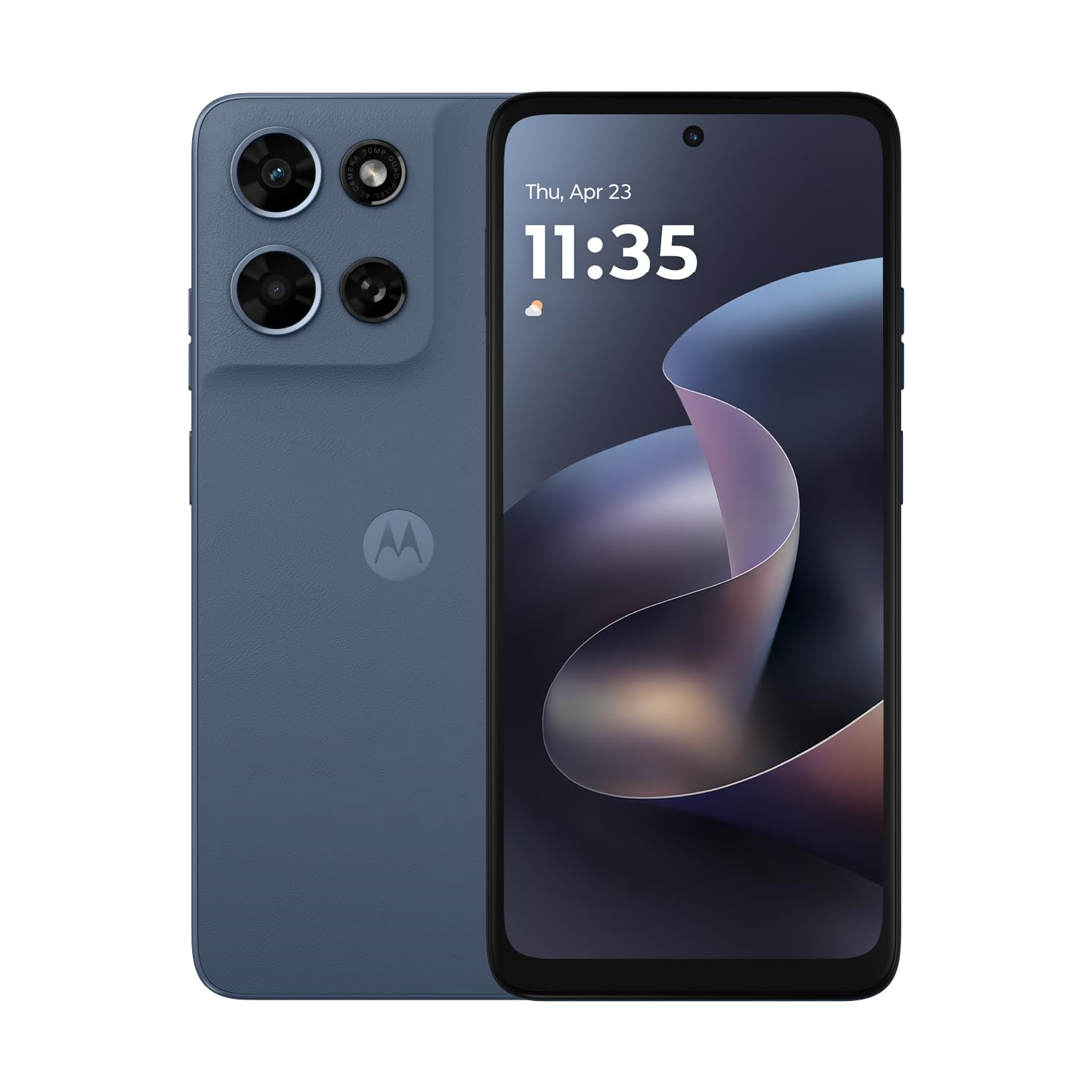
Start with compatibility, then compare the comparison table below against the type descriptions that follow. Each type suits a different kind of buyer, and none of them is right for everyone.


Types of Cdma Smartphones Compared
Four broad types cover nearly every CDMA capable phone sold in the United States today. For a wider view across networks, see our guide to the best smartphones ranked by overall value. Compact phones trade screen size for comfort, budget phones trade polish for price, camera focused phones spend their money on lenses and processing, and flagships spend on everything at once. Read the trade offs for each type before you fall for a single headline feature.
Compact Phones
Compact phones use displays around 6.1 inches or smaller, so they fit one hand and a front pocket without a fight. You give up some battery capacity and some screen room for video, but you gain comfort on calls, on transit, and during long days away from a charger. They suit buyers who text and browse more than they watch or game.
Check the battery rating in mAh and the charging speed before you buy, because a small body leaves less room for a big cell. A compact phone with fast charging often feels easier to live with than one with a slightly larger battery and slow charging. For more small handset options, see our guide to the best compact smartphones on the market.
Budget Phones
Budget phones focus on the basics: a clear display, a full day of battery, and enough storage for everyday apps. You will usually get a plastic body, a single strong main camera, and fewer years of software updates than pricier types. Prices often land under $300, which makes this type the default for a second line or a first phone for a teen.
Shoppers comparing low cost handsets broadly can also see our guide to the best bargain smartphones for more value focused options. The main risk is carrier fit. Some low cost phones support only part of a carrier network, so confirm the exact model number against your carrier list of approved devices before you pay.
Camera Focused Phones
Camera focused phones put their budget into a large main sensor, optical stabilization, and smart night mode processing. Many add an ultrawide lens for group shots and a telephoto lens for portraits and distant subjects. If you photograph kids, pets, travel, or products for work, this type returns more value than raw processor speed.
If photography is your top priority, see our guide to the best smartphones with good camera performance for deeper camera comparisons. Look beyond megapixel counts. Sensor size, stabilization, and how the phone handles skin tones and indoor light matter more than a big number on a spec sheet. Video buyers should also check frame rates and whether stabilization stays active at the highest resolution.
Flagship Phones
Flagships combine the best displays, the fastest processors, premium materials, and the longest update promises. OLED panels with high refresh rates, IP68 water resistance, and wireless charging are common at this level. They cost the most, often about $800 to $1,200, but they also stay fast and supported the longest.
A flagship makes sense if you keep a phone for four or more years or rely on it as your main work tool. If you upgrade every two years and mostly use social apps, a lower tier usually serves you just as well for far less money.
Compact Phones vs Budget Phones: Which Should You Choose?
These two types overlap in price less than people expect, so compare them on the right points. On size, compact phones win for comfort but can still cost flagship money, while budget phones are often larger because big screens are cheap to make. On battery, budget phones usually last longer thanks to bigger bodies and simpler displays. On updates, compact premium phones tend to receive more years of support than budget models. On cameras, neither type leads, though a premium compact often shoots better in low light.
Buyers who like a phone that folds shut for pocket comfort can also see our guide to the best flip smartphones before deciding. Choose compact if comfort and build quality top your list and your budget allows it. Choose budget if battery life and price matter most and you accept slower updates. Either way, confirm carrier approval for the exact model first.
How to Choose the Right Cdma Smartphone
Carrier Compatibility and 5G
CDMA networks in the United States have largely moved to LTE and 5G, so the label on the box matters less than the band list. Check that the phone supports your carrier main LTE bands and its 5G bands, and confirm the model appears on the carrier whitelist if it keeps one. An unlocked phone gives you freedom to switch carriers, but unlocked does not always mean approved, so verify before you buy.
Camera System
A good camera system balances a strong main lens with useful support lenses. An ultrawide helps with interiors and landscapes, while a telephoto helps with portraits and school events from the back row. Night mode quality depends on the sensor and processing together, so sample photos in reviews of image quality matter more than spec sheets. If you record video often, look for stabilization and clear audio capture.
Storage Options
For most people, 128GB covers apps, photos, and offline music with room to spare. Choose 256GB if you shoot lots of video, store movies for flights, or keep a phone for many years. Few phones still offer microSD expansion, so if you rely on a card today, filter for that feature early. Cloud storage can help, but it costs a monthly fee and needs a connection.
Display Size and Quality
OLED screens deliver deeper blacks and better outdoor visibility than basic LCD panels. A 120Hz refresh rate makes scrolling and animation feel smooth, though it uses more battery. Brightness matters if you navigate or read outside, so look for high peak brightness figures. Pick a size you can hold securely, because a phone you drop often is a poor bargain at any price.
Processor and Everyday Performance
The processor and RAM decide how the phone feels after two years of app updates. Mid range chips handle calls, maps, streaming, and casual games without trouble. Heavy gamers and people who edit video should step up to a flagship chip for sustained speed. RAM of 8GB is a sensible floor for multitasking, and more helps if you keep many apps open.
Choosing Cdma Smartphones for Your Situation
Best Cdma Smartphones under 300: Which Type Works Best
Shoppers focused on best cdma smartphones under 300 should expect the budget type to dominate. At this price, prioritize carrier approval, battery size, and at least two years of promised updates over camera extras. A slightly older model often beats a brand new ultra cheap model because its network support and software are proven.
Best Small Cdma Smartphones: Which Type Works Best
If best small cdma smartphones are your target, width matters more than screen inches on a spec sheet. Look for a body you can wrap your fingers around and a weight under about 170 grams. Prioritize charging speed and one handed software features, since a small battery and small screen are the accepted trade offs here.
Best Unlocked Cdma Smartphones: Which Type Works Best
Buyers hunting best unlocked cdma smartphones want freedom to change carriers or travel with local SIM and eSIM options. Confirm the unlocked version carries the same bands as the carrier version, because they sometimes differ. Also check that features like WiFi calling and visual voicemail work on your carrier with an unlocked model.
Best Samsung Cdma Smartphones
Fans of best samsung cdma smartphones usually value long update support, bright OLED displays, and wide carrier availability across price tiers. Samsung sells compact, budget, and flagship types, so use the same checks in this guide rather than buying on brand alone. Compare charging speed and camera processing between tiers, since those gaps are where the money shows.
Care and Maintenance Tips
A good case and a screen protector cost little and prevent the most common repair bills. Keep software updated, because updates carry security fixes and sometimes better battery behavior and camera processing. Avoid charging in extreme heat, such as on a sunny car dashboard, since heat ages a battery faster than normal use. Back up photos and contacts regularly so a lost phone stays an inconvenience rather than a disaster.
Frequently Asked Questions
How much storage do I need?
Most people do well with 128GB. That holds tens of thousands of photos, dozens of apps, and hours of downloaded video. If you record long 4K clips, shoot for kids sports every weekend, or plan to keep the phone four years, step up to 256GB. Storage you run out of in year two costs more in frustration than the upgrade would have cost at checkout.
Should I buy unlocked?
Yes, unlocked is the safer choice for most buyers, as long as your carrier approves the exact model. Unlocked phones let you switch carriers for a better plan, work better for travel, and often hold resale value longer. The catch is that some carrier features need setup or may not appear right away, so test calling, texting, and data in the first days while returns are still easy.
How many years of updates should a phone get?
Aim for at least three years of security updates, and more if you keep phones a long time. Updates protect your banking and email apps and keep the phone compatible with new app versions. Premium models now promise five years or longer, while the cheapest models may stop after two. Factor that support window into the price, because a phone that stays secure longer can be the cheaper one to own.
Is a mid range phone good enough?
For most people, yes. A mid range phone handles calls, maps, streaming, photos in daylight, and social apps without strain, and it costs far less than a flagship. You give up the best low light cameras, the fastest gaming performance, and premium materials. If none of those gaps matches your daily habits, the savings can go toward a case, storage upgrades, or your carrier plan instead.
Do I need 5G?
You need a phone that works well on your carrier today, and for most US buyers that now includes 5G. Coverage and speed vary by neighborhood, so 5G alone should not drive the purchase. What matters is that the phone supports the specific bands your carrier uses near your home and workplace. A phone with the right bands on LTE will serve you better than one with the wrong 5G bands.
The Bottom Line
Start with carrier approval, then pick the type that fits your hands, your camera habits, and your budget. The product table above pulls the shortlist together once you know which type you need. Chosen with those checks, the best cdma smartphones are simply the ones that stay compatible, supported, and comfortable for years.