
Best CCTV Cameras HD: Buying Guide for 2026
Disclosure: We may earn a commission when you buy through links on this page, at no extra cost to you. As an Amazon Associate I earn from qualifying purchases. Learn more

How to choose the best cctv cameras hd: price tiers, sensor and lens quality, night performance, weather sealing and recording options.
A camera can record all day and still miss the one detail you need, such as a face at the door or a plate in the driveway. Resolution alone does not solve that problem. Placement, lens angle, light, and storage settings matter just as much. This guide explains how to choose the best cctv cameras hd for a house, a small shop, or an apartment, without paying for features you will never use.
Start with the comparison table below to see the main price tiers, then use the sections that follow to match sensor quality, weather protection, and recording options to each location around your property.
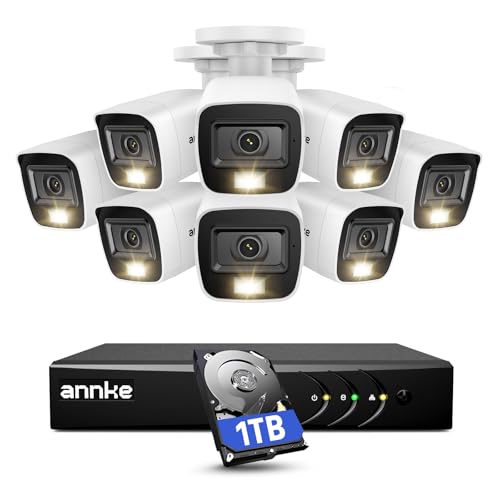


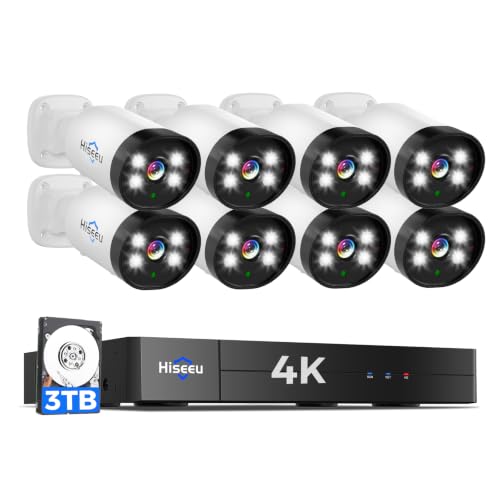

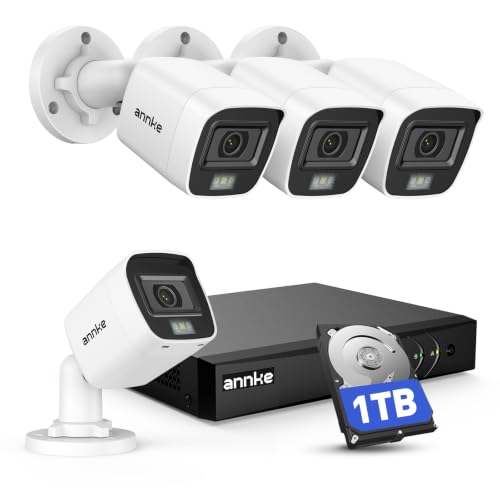


Price Tiers at a Glance
Midrange Tier
The middle tier, often about $80 to $200 per camera, usually gives you the best balance for home use. Expect clear HD or higher resolution, reliable night vision, motion alerts that you can tune by zone, and local plus cloud storage options. Housings in this tier commonly carry a weather rating suited to covered or exposed outdoor spots.
This tier suits most houses because you can cover the front door, driveway, and back garden without overspending on each position. The main limit is that very long range detail, such as a distant gate, may still need a camera with optical zoom or a second camera placed closer to that spot.
Budget Tier
Budget cameras, often under $80 each, focus on the basics: HD video, basic night vision, app viewing, and recording to a memory card or a simple recorder. They work well indoors, in a garage, or under a porch roof where weather exposure is low and distances are short.
Spend carefully here. Cheap sensors can look sharp at noon and fall apart at dusk, and apps may limit how long you can keep footage without a plan. Choose this tier for a first camera or a low risk area, and put the money you save toward better lighting or a larger storage drive. For a wider look at resolution categories, see our guide to the best hd cameras and how makers label their sensors.
Premium Tier
Premium cameras, often about $200 to $450 each, add larger sensors, stronger low light performance, optical zoom on some styles, and smarter detection that can tell a person from a passing shadow. Builds are tougher, warranties tend to be longer, and recorders in this class handle more channels at higher quality.
Choose this tier for a business entrance, a long driveway, or any spot where you may need to identify someone later. The extra cost only pays off if you also invest in correct mounting height, a clear sight line, and enough storage to keep footage for the period you actually need.
How to Choose: A Buying Guide
Sensor Size and Image Quality
Resolution tells you the pixel count, but sensor size and lens quality decide how clean that image looks, especially at night. A larger sensor gathers more light, so faces stay clearer and noise stays lower after dark. Two cameras can both claim HD and deliver very different results at the same distance.
Check the field of view as well. A wide lens covers more area but spreads pixels over that area, so detail on a face drops with distance. For an entry door, a moderate angle placed close to head height often beats a very wide lens mounted high in a corner. Readers comparing overall clarity standards can also review our guide to the best quality cctv cameras for notes on build and optics.
Durability and Weather Sealing
Outdoor cameras should carry an ingress rating such as IP65 or IP66, which signals resistance to rain and dust. A covered porch gives extra protection, but wind driven rain still reaches surprising places, so do not mount an indoor only camera outside and hope for the best.
Consider temperature range if you live where winters are harsh or summers are extreme, and choose metal housings for spots within reach of passersby. Dome housings resist tampering because the lens direction is hard to see and hard to shift. Keep connectors inside a junction box or inside the wall so moisture cannot creep into the cable ends.
Size, Weight, and Ergonomics
Camera shape affects where it can go and how obvious it looks. A compact bullet style is easy to aim and easy to notice, which can deter trouble. A dome is discreet on a ceiling or soffit but needs care during cleaning because the cover can scratch.
Weight matters for siding and soffit mounts, and cable routing often decides the final position more than the camera itself. Wireless models free you from video cables but still need power or regular battery charging, so a spot you cannot reach with a ladder is a poor choice for a battery model.
Lens and Zoom Range
Fixed lens cameras are simple and sharp at one view. Varifocal lenses let you adjust the angle during setup, which helps when you cannot predict the exact framing from a product listing. Optical zoom changes the lens itself and keeps detail, while digital zoom only crops the image and adds no new detail.
Match the lens to the job. Use a wide view for a small yard or a room, a narrower view for a gate or a cash register, and place the camera so the subject fills enough of the frame. A useful rule is to test the view on your phone during setup and walk the area yourself before you tighten the mount for good.
Low Light Performance
Most break ins and package thefts that worry homeowners happen in dim light, so night performance deserves real attention. Infrared lights let a camera see in total darkness, usually shown in black and white, and the stated range is often optimistic. Walls and fences bounce infrared back and can wash out the center of the image.
Some cameras use a small white light or rely on porch lighting to keep color video at night, which helps describe clothing and cars. Good ambient light improves any camera, so a motion light near the door often improves footage more than a price jump. Check how the camera handles the switch between day and night modes, because a slow or noisy switch can lose the exact moment someone approaches.
Ease of Use for Your Skill Level
A wired system with a recorder suits people who want continuous recording and no monthly plan, but it takes more setup time. An app based camera suits renters and anyone who wants alerts and live viewing with minimal wiring. Decide who will check footage, because an app that only one person can use well will frustrate the rest of the household.
Check alert controls and clip export before you buy, and for whole system planning, our guide to the best cctv security cameras covers recorder based setups in more depth.
Types of Cctv Cameras
Bullet Cameras
Bullet cameras are long, tube shaped units that mount on walls and aim in one clear direction. They are easy to adjust, often offer longer infrared range, and their visible presence can deter trespassers. They suit driveways, side gates, and building exteriors. Their weakness is exposure: within reach, someone can knock them out of aim, so mount them high or choose a protected position.
Dome Cameras
Dome cameras sit inside a rounded cover on a ceiling or soffit. The cover hides the lens direction, resists tampering, and looks tidy at a front entrance or inside a shop. They suit porches, lobbies, and garages. The cover needs occasional cleaning, and infrared can reflect off a dirty dome at night, so wipe it gently during routine checks and avoid harsh cleaners.
Pan Tilt Zoom Cameras
These cameras move under your control or follow motion automatically, and zoom models can read detail at a distance. One unit can scan a large yard or a parking area, which reduces the number of cameras you buy. The risk is that a moving camera may be looking the wrong way when something happens elsewhere, so many owners pair one moving camera with fixed cameras on key doors.
Wireless and Battery Cameras
Wireless cameras send video over your home network, and battery models need no cable at all. They suit renters, temporary setups, and spots where running cable is impractical. The trade offs are battery charging, possible signal gaps through thick walls, and recording that often starts only when motion triggers it. Place the router or an access point with these limits in mind, and test the signal at the exact mount point first.
Setup and Care Tips
- Mount entry cameras near head height for faces, not so high that you only record the tops of heads and hats.
- Clean lenses with a soft lens cloth, not your shirt, because grit on fabric can scratch the coating over time.
- Update the camera and recorder software when the maker offers a fix, and change default passwords during setup.
- Check footage once a month, confirm the date and time are correct, and make sure the storage drive is still recording.
- Angle cameras to avoid direct sun at dawn and dusk, which can blind the sensor during key hours.
- Tell household members and regular visitors where cameras record, and respect local rules on audio recording and views of neighboring property.
Frequently Asked Questions
Which CCTV camera type is better for low light areas?
A camera with a larger sensor and strong infrared or a built in light performs better in low light than a basic model with the same resolution label. Position matters too: a camera close to the subject and helped by a porch light will outperform a distant camera in full darkness. Avoid aiming infrared cameras at a near wall, because the bounce back can hide detail in the rest of the scene.
What does field of view mean on a CCTV camera?
Field of view describes how wide an area the lens captures, measured in degrees. A wide field, such as about 110 degrees, covers a whole yard but makes each person smaller in the frame. A narrow field shows less area with more detail per foot. Choose based on distance to the subject, and remember that digital cropping later cannot restore detail the lens never captured.
What specs matter most for CCTV beginners?
Start with resolution, night range that matches your actual distances, a weather rating for outdoor spots, and storage that keeps at least one to two weeks of footage. Alert controls and a clear app matter more than exotic extras. Buy one camera first, learn its app and settings at your main door, and then expand with the same system so you manage everything in one place.
How much should I spend on my first CCTV camera?
Plan on about $80 to $200 for a solid first camera for a main entry, plus storage or a plan if the system needs one. Spending less can work for a low risk indoor spot, but very cheap outdoor cameras often fail early or produce poor night footage. Budget for mounts, cable, and a memory card or drive as well, because those extras are easy to forget.
Is a smartphone enough instead of a CCTV camera?
A smartphone works for a live check in or a short recording, but it is not a practical security camera. It cannot record around the clock outdoors, its battery drains quickly, and it is usually in your pocket when something happens at home. A spare phone can serve as a temporary indoor monitor, yet a purpose built camera with night vision and storage is the reliable long term choice.
Our Verdict
Choose for the spot, not the spec sheet. Match lens angle and night performance to the distance you need to cover, confirm the weather rating for outdoor mounts, and make sure storage keeps footage long enough to be useful. Review the product table above with those three checks in mind, and the best cctv cameras hd for your property will be the ones that capture clear, usable detail where it counts, day and night.


