
Best Cbox Headsets at Every Price: What Your Money Really Gets You in 2026
Disclosure: We may earn a commission when you buy through links on this page, at no extra cost to you. As an Amazon Associate I earn from qualifying purchases. Learn more
Learn how best cbox headsets change by price, from wired value to wireless comfort, with guidance on connection, sound, microphones and safe listening habits.
Prices for console style gaming headsets run from the cost of a casual game add on to the cost of a new controller and several games combined. Choosing best cbox headsets in that wide range is really a question about what your money buys at each step. This guide treats the phrase as the search form for console headsets and leads with price, connection and comfort.
Use the comparison table below to line up price with the way you play, the console you use and the room you play in. A headset that is perfect for late night team play may be wasted on solo weekend sessions. Reading the price levels in order will show where extra spending changes daily use and where it only adds polish.

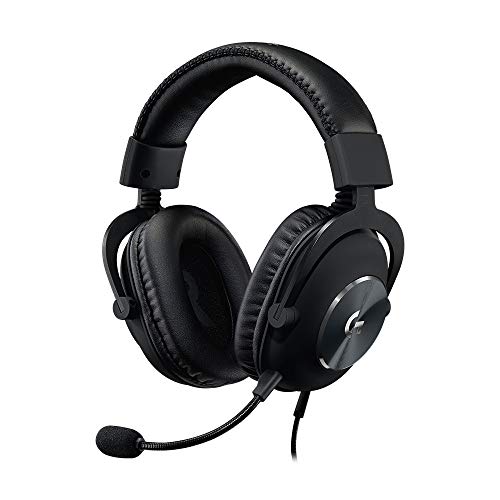
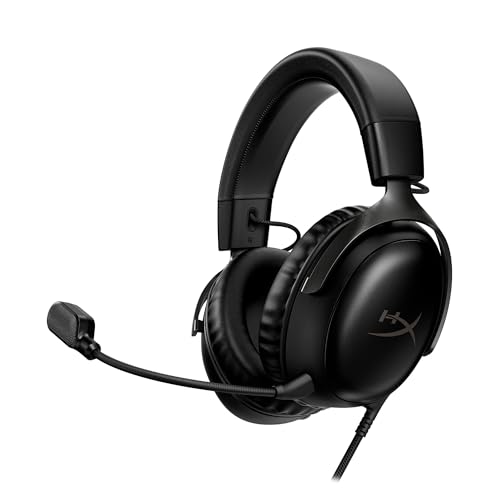
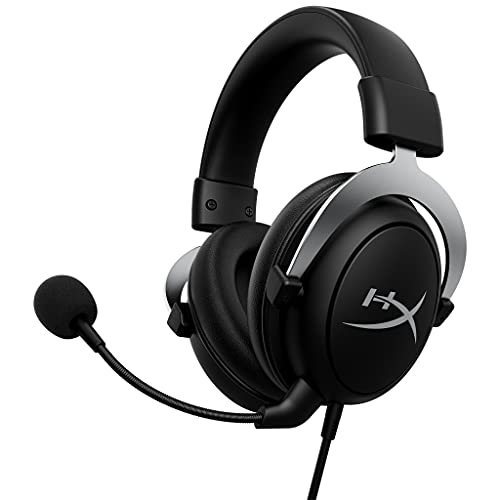
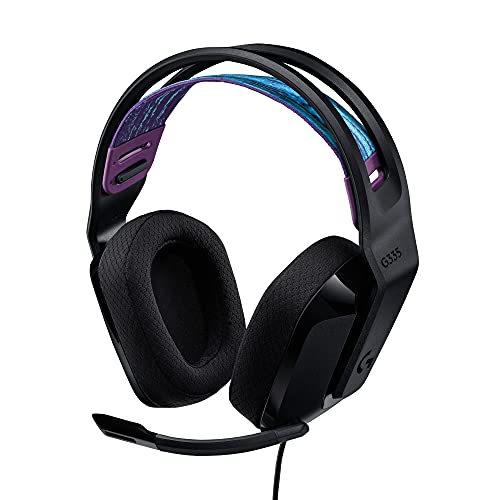
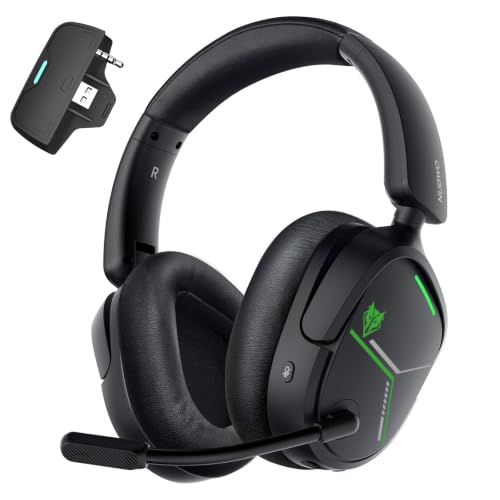
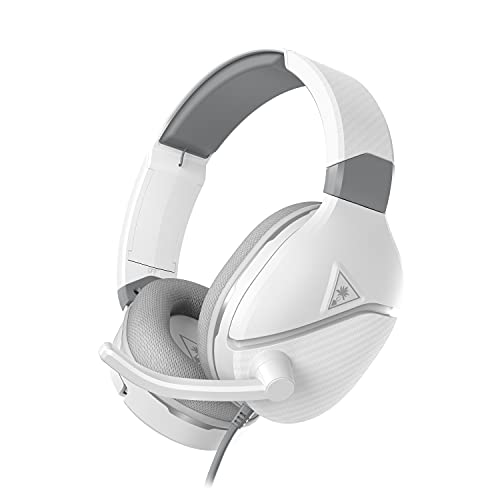

What Your Money Gets You at Every Price
Every price level can produce clear game sound, so the gains from spending more are specific rather than magical. More money usually buys a better way to connect, a better microphone, softer contact with your head and finer control over sound. Judge each level against the limits of the level below it.
The Connection Class Comes Before the Price Tag
Console classes connect differently, and the connection decides what will work at all before sound quality enters the discussion. The controller port class uses a cable into the controller, works across many consoles, needs no charging and keeps delay very low. The wireless class uses a dedicated link to the console or a small receiver, frees you from the cable and adds battery care and pairing steps. A general Bluetooth link alone does not guarantee game sound and voice on a console, so check the exact console fit in writing before you pay for wireless freedom.
Entry Price for Clear Voice and Basic Play
The entry level runs about $25 to $60 and is almost entirely wired through the controller port. Expect fixed or simple microphones, basic padding, light build and sound tuned for clear effects and speech rather than fine detail. This level suits new players and anyone who wants voice chat without charging routines. The main trade off is comfort over long sessions, where thin padding and stronger clamp force become noticeable.
Middle Price for Comfort and Stronger Sound
The middle level runs about $70 to $150 and is where most regular players should look first. Expect softer ear cushions, a clearer and often detachable microphone, sturdier hinges and controls on the headset or cable that are easy to find by touch. Wired models still offer strong value here, while wireless begins to appear with console specific links. Sound gains show up as cleaner dialogue, less harsh highs and bass that supports action without covering footsteps.
Upper Price for Wireless Freedom and Richer Detail
The upper level runs about $180 to $350 and buys freedom of movement, richer sound and features that reduce friction every day. Expect dependable console wireless, longer battery life, memory foam cushions, strong microphone processing and app or on console controls for balance between game and chat. This level suits players who play daily, stream or share a room where cables cause real problems. It does not suit buyers who play rarely, because the battery and price only pay back through frequent use.
Who Should Spend at Which Level
The best level for you depends on session length and voice needs more than on genre alone. A strategy player in long voice calls needs microphone clarity, while a solo adventure player needs comfort and sound staging.
Casual Players Who Play a Few Nights a Week
Short and occasional sessions place modest demands on padding and battery systems, so entry and lower middle prices work well. Choose a wired model with a microphone that mutes clearly, because accidental open microphones annoy teams and households alike. Light weight matters more than deep bass for this group. Keep the cable length in mind if you sit far from the screen, because a cable under tension pulls the headset out of place.
Team Players Who Rely on Voice Chat
Coordinated play turns the microphone into the most important part of the purchase. Middle prices bring background noise rejection, clearer speech and a boom you can position close to the mouth and move away when eating or talking in the room. Controls for chat balance are worth paying for in this group, because voices and game sound rarely arrive at the right mix by default. A spare wired cable or a wired fallback mode also protects a planned session when a battery runs low.
Long Session Players Who Value Comfort Most
Players who stay in a headset for hours feel every gram and every hard edge. Middle and upper prices bring broader headbands, softer cushions and a clamp that holds without pressing on glasses as harshly. Wireless removes the small repeated tug of a cable during long play, which many players notice more than a small change in sound. If you finish sessions with sore ears or a sore jaw, spend on fit before you spend on extra sound modes.
Features Worth Paying For and Ones to Skip
Feature lists grow quickly at higher prices, but only some features change what you hear or say each night. The points below separate daily gains from occasional novelties. Each feature is covered once here, in the place where its cost makes sense.
Microphone Quality, Mute and Chat Controls
A good console microphone keeps your voice clear at a natural speaking volume and rejects keyboard, fan and room noise. Look for a mute you can trigger without looking, either by flipping the boom, pressing a large control or using a cable switch. Detachable booms suit players who also use the headset for music in the room. Paying for broadcast style claims is rarely useful for console chat, where the console voice system sets the final limit.
Sound Tuning and What Quality Really Means
Sound quality in a gaming headset means clear dialogue, controlled bass and the ability to place footsteps and reload sounds in space. Large drivers alone do not promise that result, because tuning decides whether bass overwhelms the middle range where voices live. Readers who want a broader view of build, tuning and durability trade offs can see the guide to best quality headsets for the quality sibling class. For console play, value balance over sheer loudness, because loudness without clarity tires you faster.
Noise Control for Shared Rooms and Late Play
Closed ear cups block some room sound by simple sealing, while active systems add electronic reduction for steady noise such as fans and traffic. Active reduction helps in shared homes and near busy roads, but it adds cost, weight and battery demand. The guide to best noise cancelling headsets covers that feature focused sibling class for readers whose main problem is room noise rather than game sound. For most console players in a quiet room, a good seal and sensible volume give the benefit without the extra price.
Comfort, Fit and Volume Discipline for Long Sessions
Comfort is fit, weight distribution and heat, not softness alone. Ear cushions that seal well can grow warm, while lighter open feeling designs leak sound into the room. Long sessions at high volume are a hearing risk, so volume discipline is part of the purchase rather than an afterthought. Choose models with clear volume limits or easy level control, keep the level lower than you first reach for and take breaks in quiet.
Setup and Compatibility Checks Before You Buy
Check the exact console, controller and port you will use, in writing, before ordering any headset. Some controllers lack a headset port and need an adapter, and some wireless models work with one console family and not another. Confirm how game and chat balance is adjusted on your system, because the method differs between consoles. A five minute check prevents the most common return in this category.
Keep the receiver, charging cable and any adapter stored with the console so the headset is ready when friends come online. A console headset plays sound and voice only and is not a display for virtual worlds, a separate class covered in the guide to best vr headsets. Test the microphone in a private party or recording feature before your first team session and adjust boom distance then. Small setup habits save the first evening from avoidable frustration.
Room layout matters as well, because a wireless signal and a charging point both need a sensible home near the console. A headset for a console is not a virtual reality display, a distinction explained in the guide to best virtual reality headsets. Decide where the headset will rest between sessions so cushions are not crushed under books or controllers.
Common Mistakes to Avoid
- Buying a wireless model for the wrong console family, because a general wireless label does not promise console voice and game sound together.
- Choosing by driver size alone, because tuning and fit decide clarity more than a large number on the box.
- Playing at high volume for hours without breaks, because hearing strain builds quietly and comfort settings cannot undo it.
- Ignoring microphone mute control, because a mute you cannot find quickly will be used late or not at all.
- Paying for travel style extras on a headset that never leaves the console, because that money serves comfort or microphones better at home.
- Storing the headset with cushions pressed flat, because crushed padding changes the seal and makes later sessions sound thinner.
Care and Storage to Make a Headset Last
Wipe ear cushions and the headband with a lightly damp cloth after heavy use and let them dry fully before storing. Skin oil and sweat shorten the life of cushion covers, so gentle regular cleaning beats rare harsh scrubbing. Inspect cables at the plug and at the headset entry point, where bending is greatest. Charge wireless models before they sit empty for long periods and follow the maker guidance for storage charge.
Exercise headsets form a contrasting class built for sweat resistance, secure fit during movement and compact shapes that stay in place while running or lifting, a class described in the guide to best headsets for gym. Console headsets serve a different job at a desk or sofa, with larger cushions, boom microphones and controls for chat balance. Keeping that contrast in mind stops buyers from expecting one product to excel at both sport and long home sessions. Store your console headset in a dry place away from direct sun and heat.
Console Headset Questions Answered
Is active noise reduction worth the extra cost on a console headset?
Active noise reduction is worth the extra cost only when steady room noise regularly competes with your game sound. In a quiet room it adds little, because a closed ear cup already blocks much of the distraction. One point not covered above is aircraft and train noise, where reduction helps greatly if you also play on a portable console while traveling. For home only play, spend that money on microphone clarity or cushions first.
How long does the battery last on a wireless console headset?
A wireless console headset battery typically lasts through several long evenings before it needs charging. Exact life falls when volume is high, the microphone is used constantly or extra lighting is on. A useful habit is to charge during a regular break in your playing week rather than waiting for a low battery warning mid session. Keeping a wired fallback ready turns a flat battery from a canceled session into a minor pause.
Do I need a special audio format for console play?
No, you do not need a special audio format for normal console play, because the console and headset handle the standard game formats for you. Format names matter more for music services and films than for console voice and effects. A more useful check is whether the headset supports the spatial sound option on your own console and whether enabling it keeps dialogue clear. If voices become distant with a mode on, turn it off and value clarity over effect.
Wired or wireless console headset: which sounds better for games?
Neither wired nor wireless sounds better by rule, because tuning and fit decide more than the link alone. Wired models remove battery and pairing concerns and often give strong sound for less money. Wireless models at upper prices can sound equally clear while freeing movement around the room. Choose by your console fit, your distance from the screen and how much you dislike cable tug during play.
How can I check if my gaming headset volume is set too high?
You can check by pausing the game and noticing whether normal room sounds seem dull or your ears feel full after a session. That after effect suggests the level was too high, even if it felt exciting during play. A practical new test is to set volume while the room is quiet before the game starts, then resist raising it during loud scenes. If ringing or muffled hearing lasts after play, rest your ears and seek medical advice if it does not clear.
Final Thoughts
Let price follow connection, microphone and comfort, in that order, and most console headset choices become simple. Entry wired models serve casual play well, middle prices serve most regular players best and upper prices pay back daily players through wireless freedom and fit. When you compare options in the product table above, choose the best cbox headsets level that matches your console, your room and your session length, and keep volume discipline as part of the deal.


