
Best Cat Tree for Kittens in 2026: Sizing, Safety and Buying Guide
Disclosure: We may earn a commission when you buy through links on this page, at no extra cost to you. As an Amazon Associate I earn from qualifying purchases. Learn more

Pick the best cat tree for kittens by platform spacing, post thickness, chew safe materials and a stable base.
A cat tree built for adult cats can be a poor match for an eight week old kitten. The platforms sit too far apart, the posts are too thick for small paws to grip, and the structure can feel like a cliff instead of a playground. Choosing the best cat tree for kittens means thinking about short legs, light body weight, and a kitten still learning how to climb, scratch, and land safely.
This guide compares the main types of kitten friendly trees by size and fit, durability, and safety and materials, so you can match a tree to your kitten now and to the adult cat she will become. Start with the comparison table below.
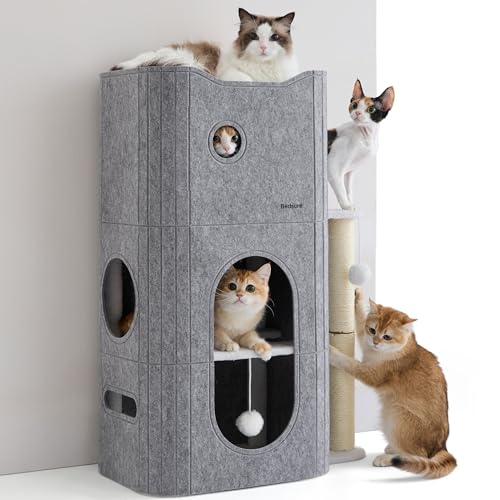

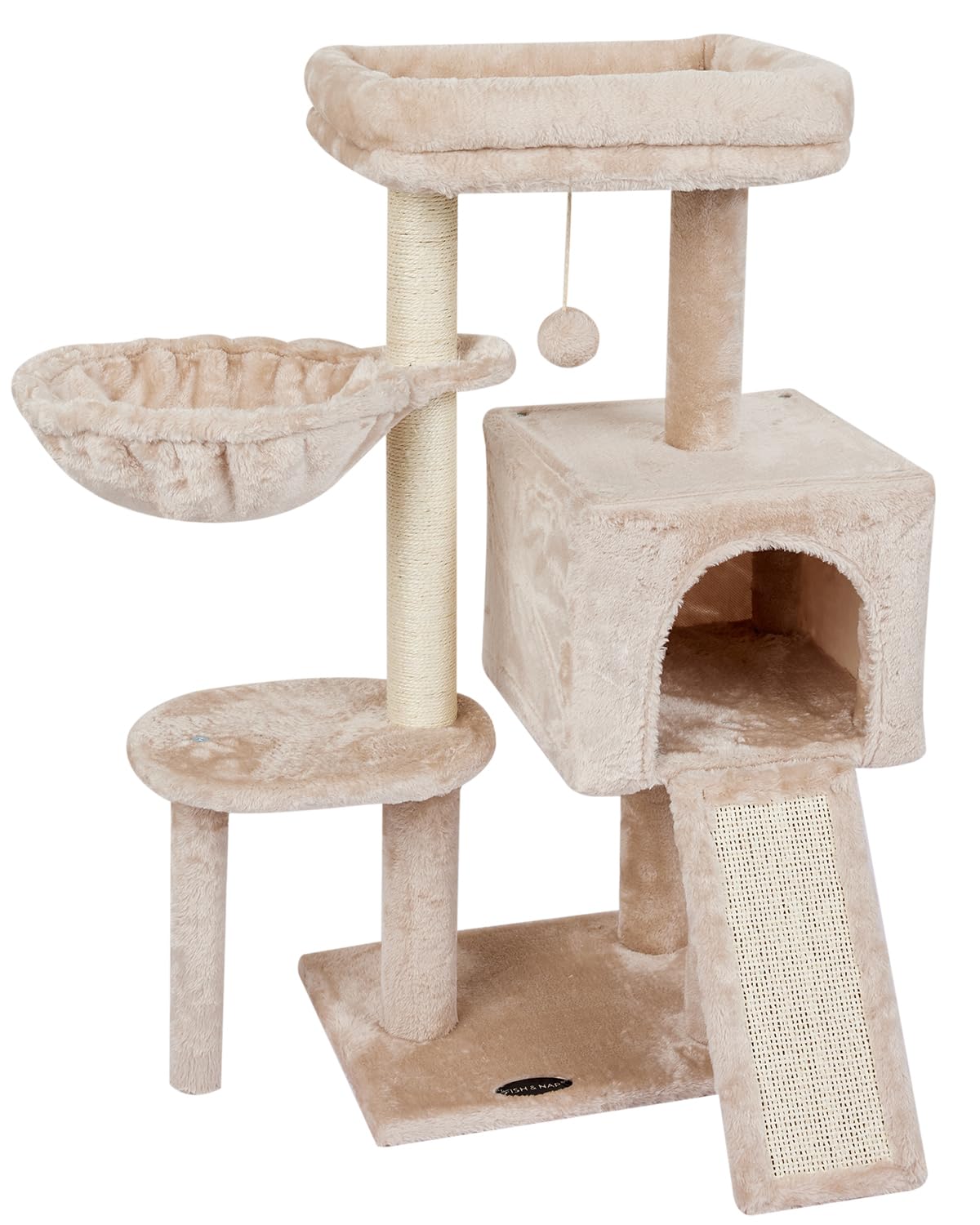

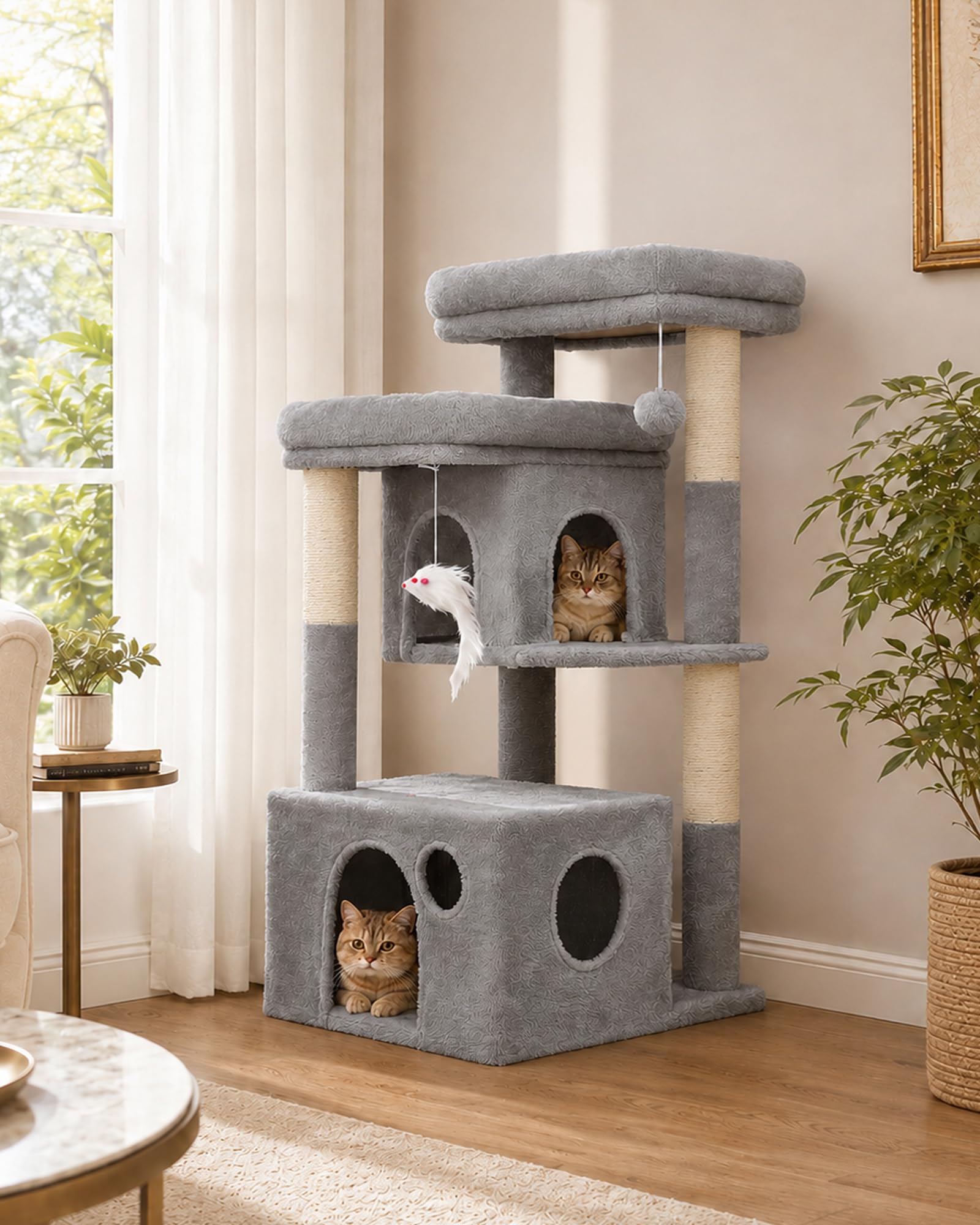
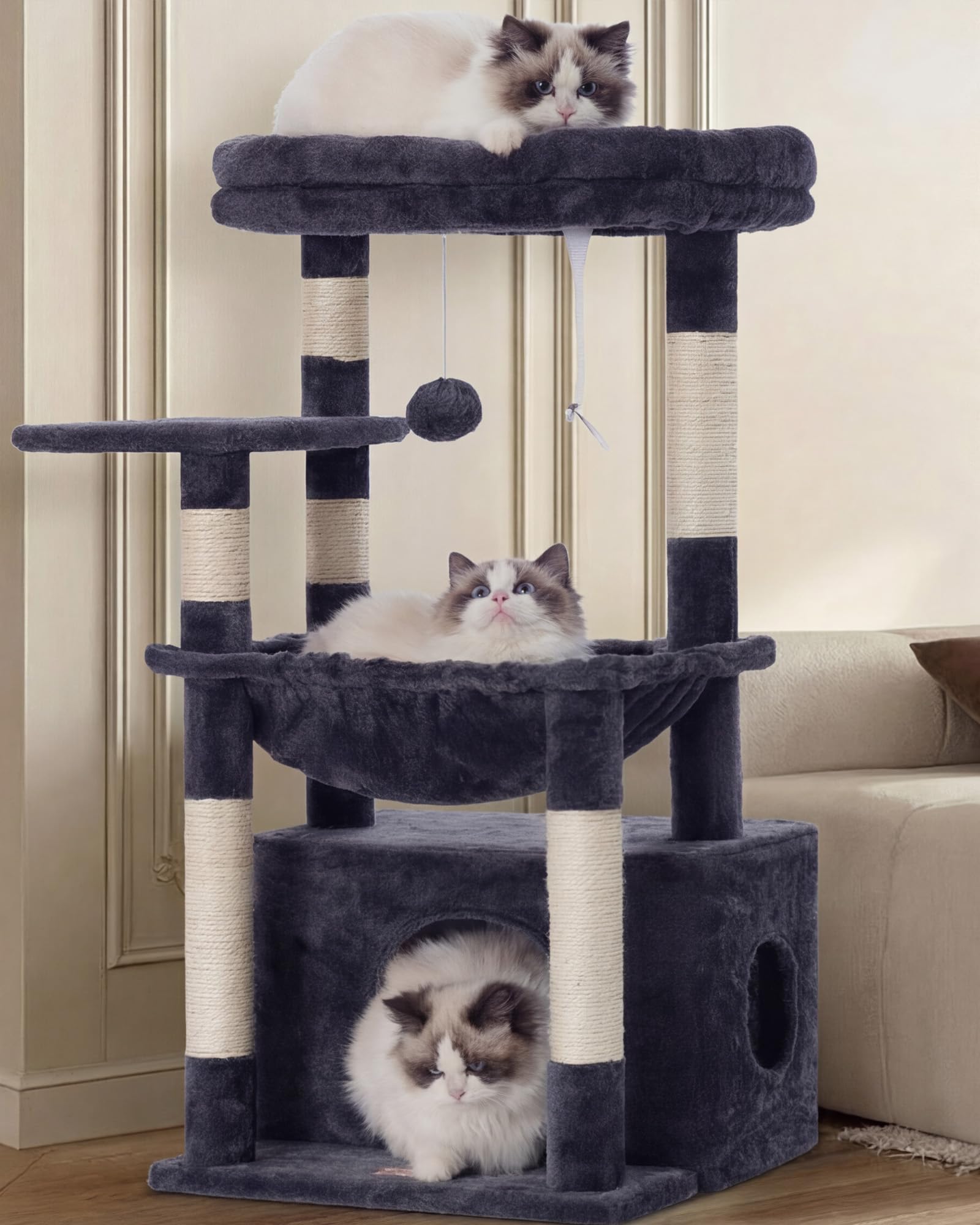
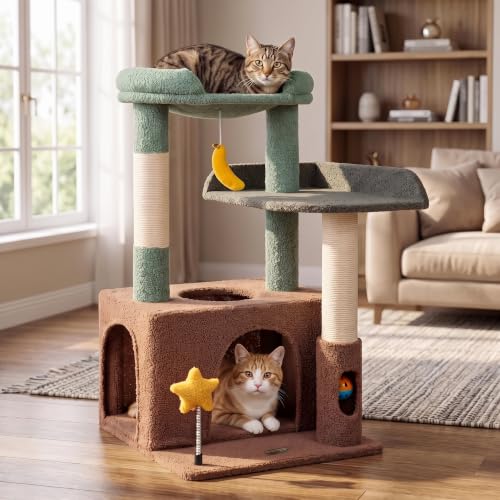


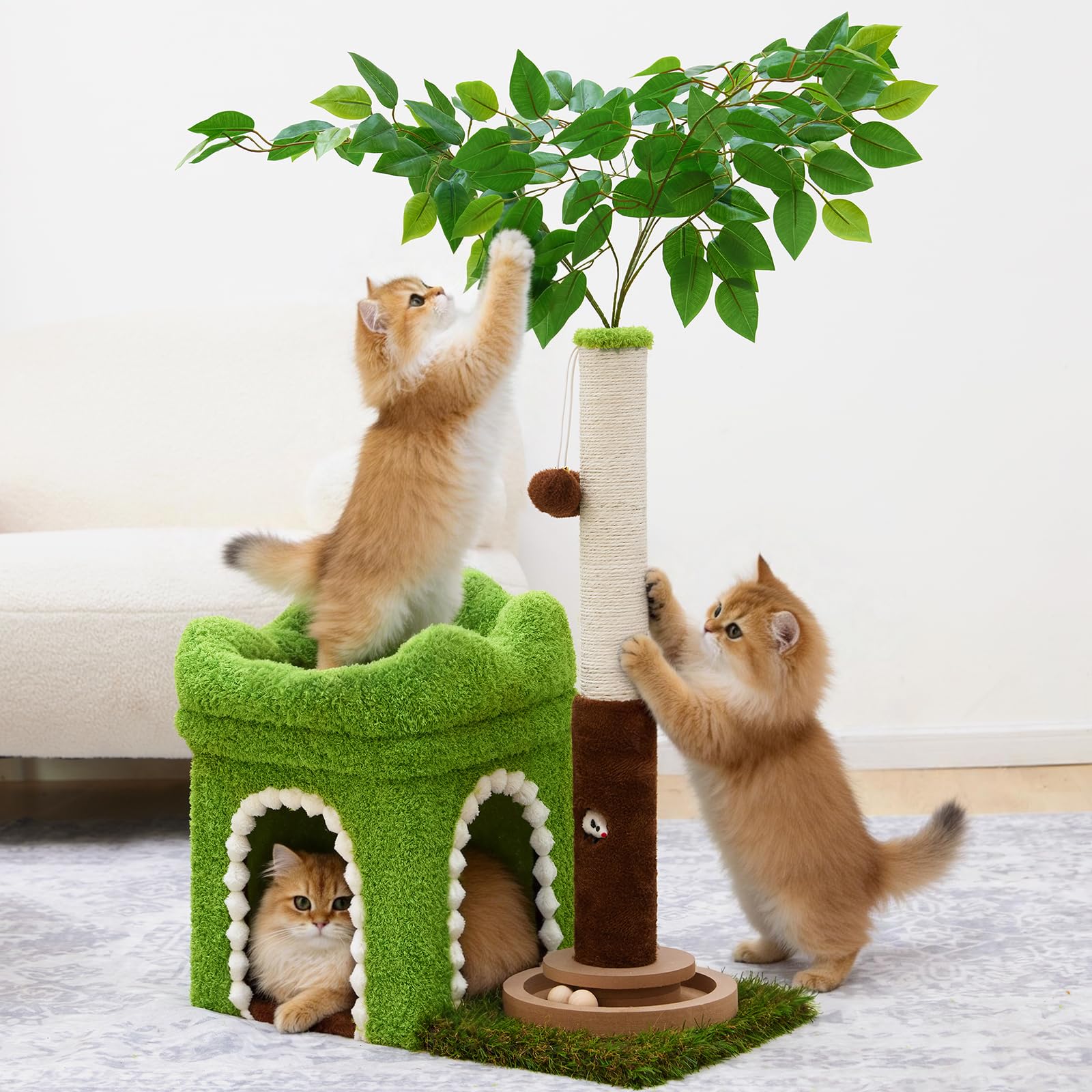
Cat Tree Types Compared for Kittens
Instead of ranking individual products, this guide compares the three tree types that suit kittens best. Each fits a different home, budget, and growth plan.
Compact Starter Trees
A compact starter tree usually stands under about 30 inches tall, with one or two low platforms, a short scratching post, and sometimes a small hideaway at the base. The low height suits kittens who are still wobbly climbers, because a slip means a short drop onto carpet. These trees also cost the least. The trade off is time. A fast growing kitten may outgrow a starter tree within a few months, so treat it as a first step rather than a long term home base.
Medium Multi Level Trees
A medium tree, roughly 30 to 50 inches tall, adds a second or third platform, a longer scratching post, and often a hammock or a small condo. Platform spacing matters more than total height here. Steps placed close together let a kitten climb in stages, rest between levels, and build confidence before attempting the top perch. For most homes, this is the balanced choice, big enough to stay interesting for a year or more, yet low enough for a young kitten to manage. If you are comparing kitten trees with adult models, our overview of the best cat tree options shows how the sizing logic changes as cats grow.
Larger Trees With Room to Grow
A larger tree, around 50 to 70 inches tall, makes sense when you know your kitten will become a big adult, or when two kittens will share the furniture. Wide platforms, thicker posts, and a heavier base keep the tree steady under adult weight later. The catch is the early months. Check that the lowest platform sits within easy jumping distance of the floor and that a ramp or a closely spaced step helps a small kitten reach it. Homes planning ahead for a large breed may also want to compare the best cat tree for large cats, since adult size should drive the footprint and post thickness.
The Criteria Behind This Guide
Every type above was judged on five factors. Size and fit comes first, because a tree a kitten cannot climb teaches her to ignore it. Durability covers post wrapping, platform strength, and base stability under daily scratching. Safety and materials include nontoxic coverings, secure hardware, and no loose strings a kitten could chew free. Ease of cleaning matters because kittens shed soft baby fur and drag litter everywhere. Value weighs how long the tree will stay useful against what it costs.
How to Choose the Right Cat Tree for Kittens
Size and Form Factor
Measure the floor space you can give the tree before you fall for a tall design. A compact tree needs roughly a two foot square of floor, while a larger model may need three feet or more once you leave room around the base for landing after jumps. Height should follow your kitten, not your ceiling. Kittens under four months do best when the top perch stays within about three feet of the floor, since their depth perception and landing skills are still developing. Floor to ceiling models suit confident adult cats, so save those for later.
Type
Modern trees with clean lines and neutral fabric blend into living rooms, and wooden models with open shelves are the easiest to wipe clean. Wall mounted pieces save floor space but demand solid studs and confident climbing, so they suit older kittens better than beginners. Whatever the style, sisal wrapped posts should be part of the build, because scratching is the behavior you most want the tree to capture.
Features Worth Paying For
A scratching post is the one feature worth insisting on, placed low enough that a kitten can reach it while standing on the floor. A hammock earns its cost for kittens who like to sleep in a gentle curve, though some hammocks stretch out once a cat passes about ten pounds. A condo, the enclosed box with one or two round openings, gives a shy kitten a retreat during the first weeks at home. Toys on elastic cords are the feature to skip or remove, since a determined kitten can chew through cord and swallow pieces.
Sizing for Your Pet
Fit the tree to the cat your kitten will become, not only the kitten in front of you. Most domestic kittens reach close to adult length by about twelve months, though large breeds keep filling out into their second year. Platforms should be wide enough for an adult cat to turn around and lie flat, around 14 inches across or more for the top perch. Post diameter matters too. A post closer to four inches gives an adult cat the solid resistance she wants when scratching, which keeps her using the tree instead of your sofa.
Materials and Chew Resistance
Kittens explore with their mouths, so materials need to survive chewing as well as scratching. Sisal rope wrapped tightly around a solid core holds up far better than loose sisal fabric glued flat to a board, which small teeth can peel and shred. Carpet covering feels soft, yet its loops can snag tiny claws and teach a kitten to avoid the post. Plush fabric avoids snags but tears more easily under chewing. Inspect seams weekly during the teething months, and remove any dangling toy on a cord, because swallowed fabric or string can harm a kitten and needs a veterinarian visit right away.
Cleaning and Odor Control
Trees with removable, washable perch covers are much easier to keep fresh after a litter box accident or a hairball, and mid tone fabric hides daily hair and paw prints between cleanings. Solid wood shelves wipe clean with a damp cloth, which beats vacuuming carpet on every level. A tree set a few feet from the litter box also picks up far less odor and tracked litter. For a full routine, see our guide on how to clean a cat tree.
Safety
Stability is the core safety issue. A tree should not rock when you push the top platform firmly with one hand, and the base should be wide and heavy relative to the height. Anchor a taller tree to the wall with the strap many makers include, especially once your kitten starts launching off the top perch at full speed. Keep the tree away from windows with blind cords, a strangling hazard for climbing kittens, and away from heaters, since plush and sisal are both flammable.
How Much Should You Spend?
Under about $30 usually buys a small starter tree or a single post with a perch, fine for the first few months. The range of about $50 to $100 is where medium multi level trees live, and it is the sweet spot for most kitten owners. Spending about $100 to $200 adds thicker posts, denser wrapping, and washable covers that extend the tree life into adulthood. Above about $200, you are paying for solid wood and furniture grade looks rather than kitten specific function. Families with littermates sharing one tree should budget toward the middle tiers, and our look at the best cat tree for multiple cats explains the shared space features that matter then.
What Matters Most in a Cat Tree for Kittens
The modifier in this search, kittens, changes three decisions. First, access beats height. A short tree a kitten uses daily does more for her development than a tall tower she cannot climb, because climbing and scratching build muscle, coordination, and confidence during early growth. Second, safety margins shrink. Adult cats forgive a wobbly platform or a loose toy, while a two pound kitten can be hurt by either one. Third, growth is fast, so replacement parts, like a spare top perch or a re wrappable post, add real value.
A kitten tree also beats the alternatives owners sometimes try first. A plain scratching post gives no climbing or sleeping value, and a window perch alone gives no scratching outlet, while a combined tree covers all three needs in one footprint. If height is your main goal later, the best tall cat tree category is the natural next step once your cat is grown. And if you want a broader framework before deciding, our walkthrough of how to choose a cat tree covers room layout and cat personality in more depth.
FAQ
What is the best cat tree for kittens?
The best choice for most homes is a medium multi level tree with closely spaced platforms, a sisal post reachable from the floor, and a stable wide base. It fits a young kitten today and stays useful after she grows. Very small kittens or tight spaces favor a compact starter tree instead, while owners of large breed kittens should pick a bigger model with adult sized platforms.
What should I look for in a cat tree for kittens?
Look for low first steps, secure hardware, nontoxic coverings, and a scratching surface your kitten can reach while standing on the floor. One point buyers often miss is the smell of the materials. Strong chemical odors from glue or fabric treatment can put a kitten off the tree entirely, so let a new tree air out for a day, and choose low odor builds when you can.
How long does a cat tree last?
A well built tree usually serves three to five years, and the scratching posts wear out first. Many posts can be revived by stripping the old rope and wrapping fresh sisal, which costs far less than a new tree. Carpet platforms often fail sooner because claws pull the loops loose over time. Retightening bolts every few months spreads the wear and adds life.
Is a cat tree worth it for a kitten?
Yes, for most indoor kittens. A tree gives scratching, climbing, and sleeping a legal address, which protects your furniture during the months when those habits form. It also helps a kitten burn energy in the evening instead of racing across your bed at night. The main case against one is a very small home, where a starter post and a window perch cover the same needs.
How do you clean a cat tree used by a kitten?
Start with a lint roller or a rubber brush for daily hair, then vacuum the platforms weekly with an upholstery tool. Kitten specific messes, like litter tracked onto a perch or a small accident in the condo, respond best to an enzyme cleaner made for pet stains, since it removes the odor that would draw the kitten back to the same spot. Wash removable covers on a gentle cycle and air dry them.
What is the most reliable cat tree brand?
No single brand wins for every kitten, and reliability shows more in construction details than in a name. Solid posts, dense sisal wrapping that does not shed fibers, metal hardware instead of plastic connectors, and a heavy base all signal a tree that will last. A maker who sells replacement parts is another good sign, because it means the company expects the tree to stay in service for years.
Final Thoughts
Start with your kitten in mind. Match platform spacing to short legs, insist on a stable base and chew safe materials, and pick the size tier that fits both your floor space and the adult cat on the way. Whether you land on a compact starter or a larger grow with her model, the best cat tree for kittens is the one she can climb safely today and still enjoy next year. Compare the types in the product table above against the criteria in this guide, and your kitten will thank you, usually by falling asleep on the top perch.


