
Best Cat Crates for Car Travel: The Buyer Checklist for 2026
Disclosure: We may earn a commission when you buy through links on this page, at no extra cost to you. As an Amazon Associate I earn from qualifying purchases. Learn more

Use this buyer checklist to choose the best cat crates for car travel, covering safe sizing, secure doors, ventilation, and crash safety basics.
A cat crate for the car has a harder job than a crate for the closet. It must hold your cat safely through turns, stops, and the occasional hard brake, while still fitting your back seat and staying calm and dark inside. This guide walks you through the checklist we use to judge the best cat crates for car travel, criterion by criterion, so you can score any crate in a few minutes.
We explain what good looks like for each spec, which numbers matter, and which marketing claims to ignore. Check the comparison table below for a quick view of sizes and prices, then use the checklist before you buy.




How We Evaluate Cat Crates
Every crate on your shortlist should pass six checks: car specific features, honest measuring, correct fit for your cat, fair value over its life, comfort that lowers stress, and credible safety testing. A crate can look sturdy in photos and still fail on door latches or ventilation, so work through each one in order.
Features That Matter for Car Travel
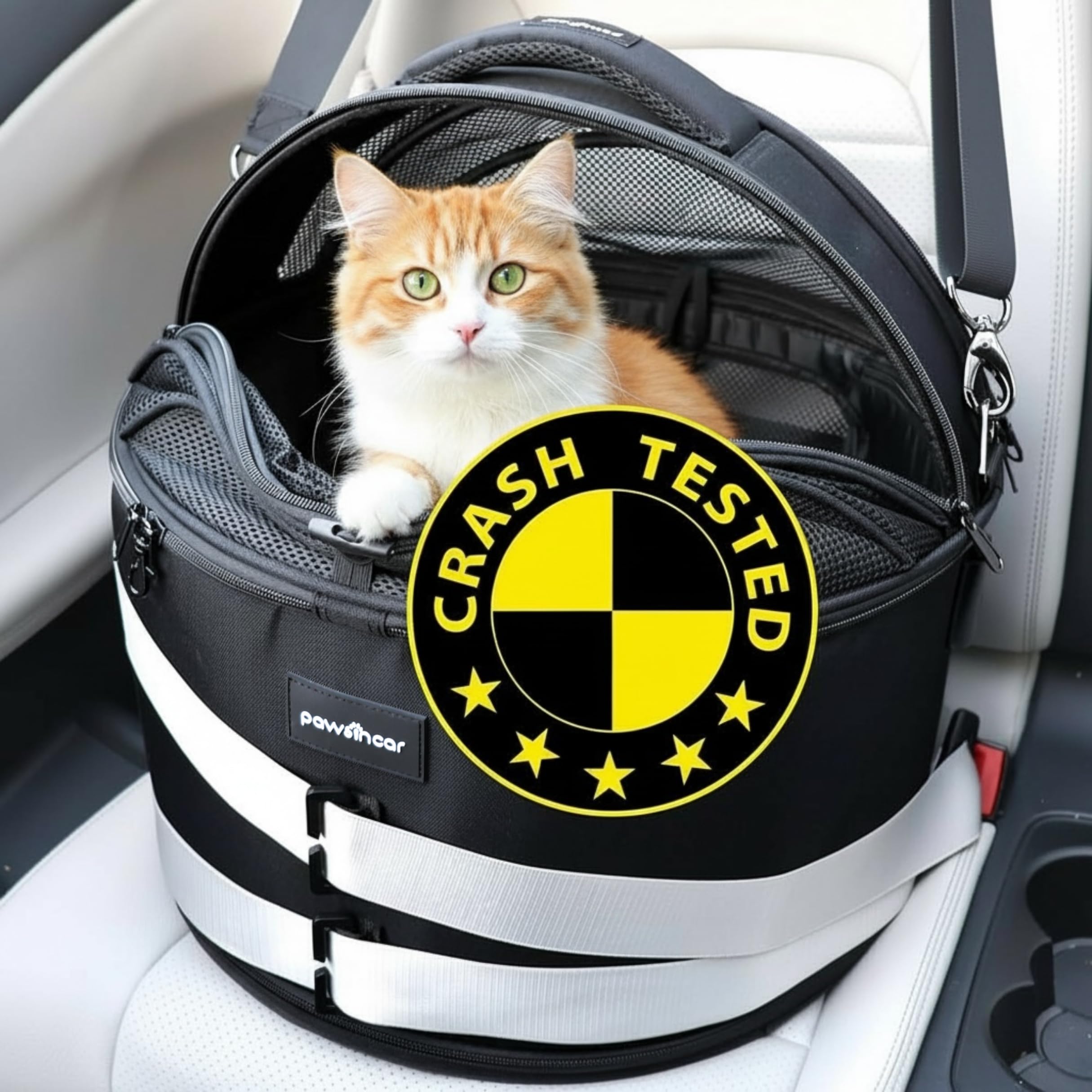
Car travel demands features a home crate does not. Look for a way to secure the crate with a seat belt or straps so it cannot slide or tip during a sudden stop. Doors should latch at two points, top and bottom, because a single latch flexes under a determined cat. Ventilation on at least three sides keeps air moving when the crate sits against a seat back. Darker interiors and a solid roof help cats feel hidden, which lowers stress on the road.
Measuring for Size and Portability
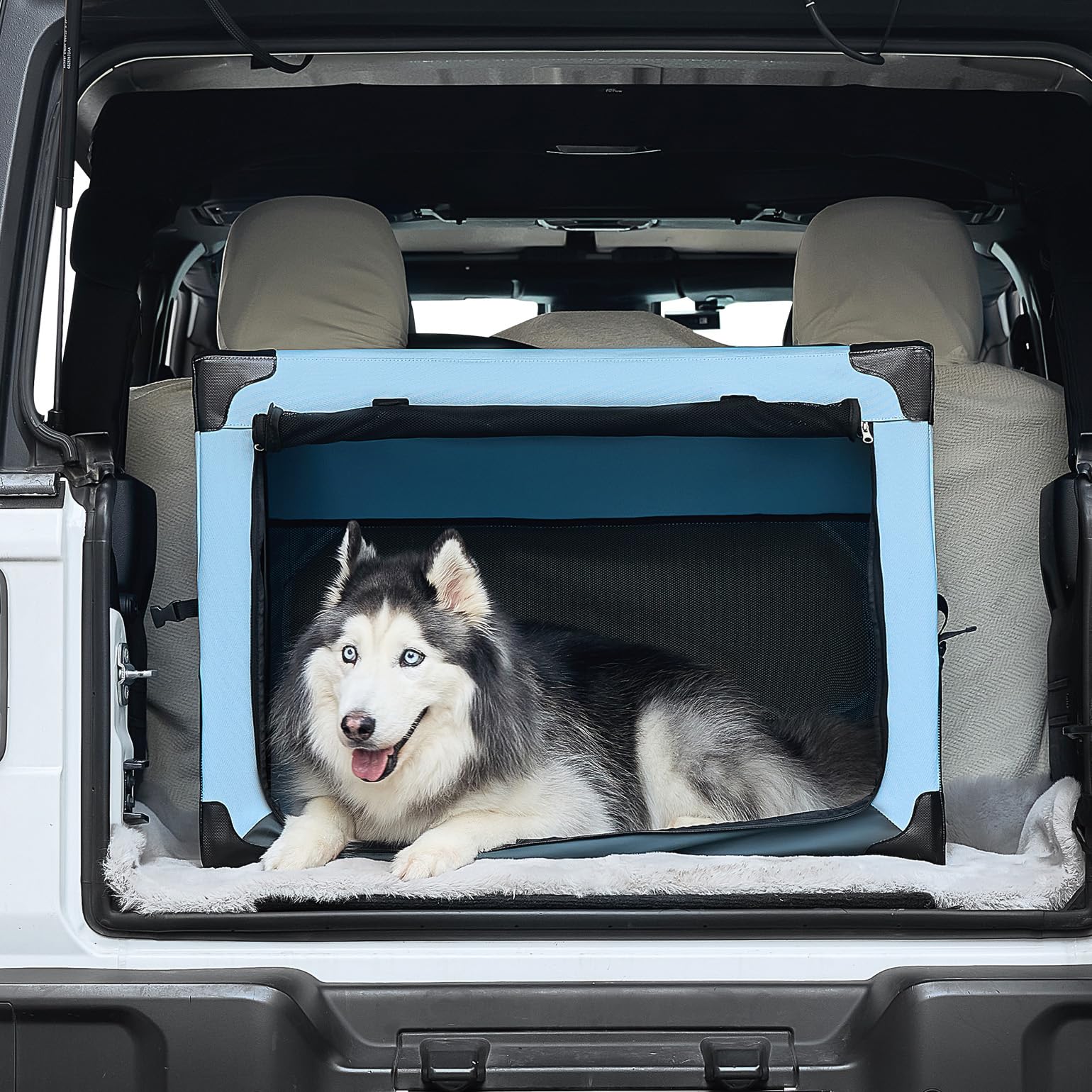
Measure your car before you measure your cat. Note the width of the back seat, the door opening, and whether the crate must fit beside a child seat or luggage. Then measure the crate footprint and height, and add room for your hands to lift it by its handle. A crate that is easy to carry at about 8 to 14 lb suits most owners. The trade off is simple: bigger crates comfort the cat but eat cargo space and get awkward to carry, so buy the smallest size that still fits your cat well.
Size and Fit for Your Pet
Your cat should be able to stand, turn around, and lie down stretched out inside. Measure your cat from nose to tail base and from floor to ear tip while standing, then add about 2 to 4 inches to each number. Most adult cats do well in a crate about 21 to 24 inches long, while large breeds may need the next size up. A crate that is far too big lets a cat slide around in turns, so snug and calm beats spacious and rattly. For a full size chart across crate types, see our guide to the best crates for cats.
Value and Replacement Cost
Judge value over the crate's whole life, not the sticker. A plastic crate around $40 to $80 that serves ten years of vet trips costs less per trip than a flimsy $25 carrier that cracks in year two. Count the replaceable parts too: washable bedding, spare door hardware, and replacement latches extend useful life. Soft sided carriers cost less up front but wear faster at zippers and seams. If you travel weekly, paying more for thick, durable plastic and metal doors is money well spent.
Comfort and Enrichment Value
A calm cat travels better, so comfort features earn their place on the checklist. A washable padded bed with raised edges gives your cat something to brace against in turns. Space for a small familiar blanket adds home scent, which settles most cats more than any gadget. Some crates accept a clipped on water dish for long drives. Avoid stuffing the crate with toys that rattle and slide; one soft, non toxic comfort item is enough, and loose hard toys become projectiles in a hard stop.
Crash Testing or Certifications (for Travel Gear)
Very few pet crates carry real crash test credentials, so read claims carefully. The Center for Pet Safety, known as CPS, tests travel crates and carriers and certifies the small number that pass its crash protocol. A CPS certified crate has proven it can keep a pet contained in a simulated crash. If a crate has no certification, that does not make it useless for ordinary trips, but it should rely on seat belt securing and sturdy construction instead. Never treat an untested soft carrier as safety equipment.
Price Tiers That Pass Our Checklist
Instead of naming winners, use these three tiers to match a crate to your budget and your driving habits. Each tier below describes what that money should buy you, and anything missing its tier's basics is a poor deal at any price. Compare the tiers against the product table above as you shop.
The Balanced Tier
At around $60 to $120, a crate should give you thick molded plastic or a reinforced frame, a metal door with a two point latch, and proper seat belt loops or strap anchors. Ventilation should wrap three sides, and a washable bed should be included or easy to add. This tier suits regular vet visits, moves, and road trips of several hours. It is the sweet spot for most households, because you get real durability and security without paying for certification level engineering you may not need.
The Value Tier
At around $30 to $60, expect a simpler plastic crate with a single door and basic ventilation. That can still pass the checklist if the latch is metal, the plastic does not flex when you press the walls, and the size truly fits your cat. This tier works for short, calm trips a few times a year. Check the door hinge carefully, since thin plastic hinges are where budget crates fail first, and confirm the handle feels solid enough to carry your cat's full weight without bending.
The Compact Tier
Compact crates and soft sided carriers around $35 to $80 trade structure for portability. They fold flat for storage, fit small cars easily, and suit short drives with calm cats. Look for a rigid base board, locking zippers your cat cannot nose open, and a seat belt strap across the top. Skip this tier for strong, anxious, or escape prone cats, and never use it as a permanent carrier for long highway trips. If compact storage matters for other pets too, our roundup of the best crates for car travel compares sizes across species.
Quick Buyer Checklist
Run through these questions before you pay. Every yes makes the crate safer and easier to live with.
- Can your cat stand, turn, and stretch out inside without crouching?
- Does the crate fit your back seat with room to load and unload it?
- Can you secure it with a seat belt or straps so it cannot slide?
- Does the door latch at two points with metal hardware?
- Is there ventilation on at least three sides?
- Is the bedding removable and washable?
- Can you carry it comfortably with your cat inside?
- Are the materials non toxic and free of sharp edges inside?
Red Flags to Watch For
Some warning signs show up again and again on poor quality crates. Walk away from vague size claims with no interior dimensions listed, because exterior numbers flatter the crate. Be wary of zipper only closures with no locking clip for a determined cat. A warranty of only a few weeks on a hard use item tells you what the maker expects of it.
Also watch for reviews that read like ads, with many five star posts in a single week and no detail about fit or doors. Finally, skip any crate with strong chemical smells out of the box, thin walls that oil can under your thumb pressure, or a handle attached to the door rather than the body. For cat specific travel designs, our guide to the best travel crates for cats explains more warning signs.
How to Make Your Cat Crate Last Longer
Wash bedding weekly and wipe the shell with mild soap after messy trips, then let it dry fully before storing. Inspect the door, hinges, and latch every few trips, and tighten or replace hardware at the first sign of looseness. Supervise your cat with any new bedding or comfort toy until you know it will not be chewed apart. Store the crate indoors, out of sun and freezing garages, since heat and cold make plastic brittle over the years. Households that also travel with dogs can compare notes in our guide to the best dog crates for car travel.
Frequently Asked Questions
What features matter most in cat crates for car travel?
A secure door, seat belt securing, and ventilation on three sides matter most. Together they keep the crate in place, the cat inside, and air moving on warm days. After those, look for a washable bed and a dark, covered interior. A crate that fails any of the first three checks should not make your shortlist, no matter how attractive its price looks.
What size should I choose for my pet?
Choose a crate about 2 to 4 inches longer and taller than your cat's standing measurements. Your cat should stand without crouching, turn in a full circle, and lie stretched out. Most adult cats fit a crate around 21 to 24 inches long. Kittens grow fast, so for a young cat, buy for adult size and add a soft divider or extra bedding to make it feel snug now.
How often should I replace it?
Replace a crate when the door no longer latches firmly, cracks appear near the handle or corners, or the shell flexes in your hands. A good plastic crate can last a decade of light use. Soft carriers wear sooner, often two to four years, as zippers and mesh tire. After any real crash, replace the crate even if it looks fine, because hidden stress damage can fail next time.
How do I introduce it to my pet?
Leave the crate open at home for at least a week before the trip, with bedding and treats inside, so your cat naps in it by choice. Feed a few meals inside, then close the door briefly while you sit nearby. Practice two or three short car rides around the block before a long drive. This slow build up turns the crate into a safe den instead of a signal that a vet visit is coming.
Is it safe for aggressive chewers?
A basic plastic or soft crate is not safe for a determined chewer or a cat that claws and bites in panic. Choose a heavy duty metal or thick reinforced crate with no exposed soft parts inside, and remove bedding that could be shredded and swallowed. For a truly frantic traveler, talk with your vet about anxiety support before the trip, since no crate alone fixes panic, and a sedated or calmer cat is safer for everyone in the car.
Our Verdict
Fit, door security, and a way to belt the crate down decide whether a crate belongs in your car. Comfort and honest sizing come next, and price only counts after those boxes are ticked. Use the checklist above on any crate in the product table above, and the best cat crates for car travel choice for your cat and your car will narrow down fast.


