
Best Cat Crates 2026: How to Pick the Right Crate
Disclosure: We may earn a commission when you buy through links on this page, at no extra cost to you. As an Amazon Associate I earn from qualifying purchases. Learn more

Learn how to choose cat crates for safe travel, vet visits, and home use. Compare sizes, materials, safety features, and comfort tips for cats.
Picking the best cat crates is about safety and calm, because a crate that feels secure helps cats travel with less stress. Cats need room to sit, stand, and turn, plus ventilation and a door that stays shut on the move. The right crate depends on your cat size, your travel type, and whether you fly, drive, or walk to the vet. The comparison table below shows the main crate types side by side.
Crates range from hard plastic carriers to soft sided bags and larger wire crates for home use. Each type suits different trips, and the cheapest option is not always the safest for a frightened cat. This guide covers size, materials, safety, and training so your cat accepts the crate before travel day.


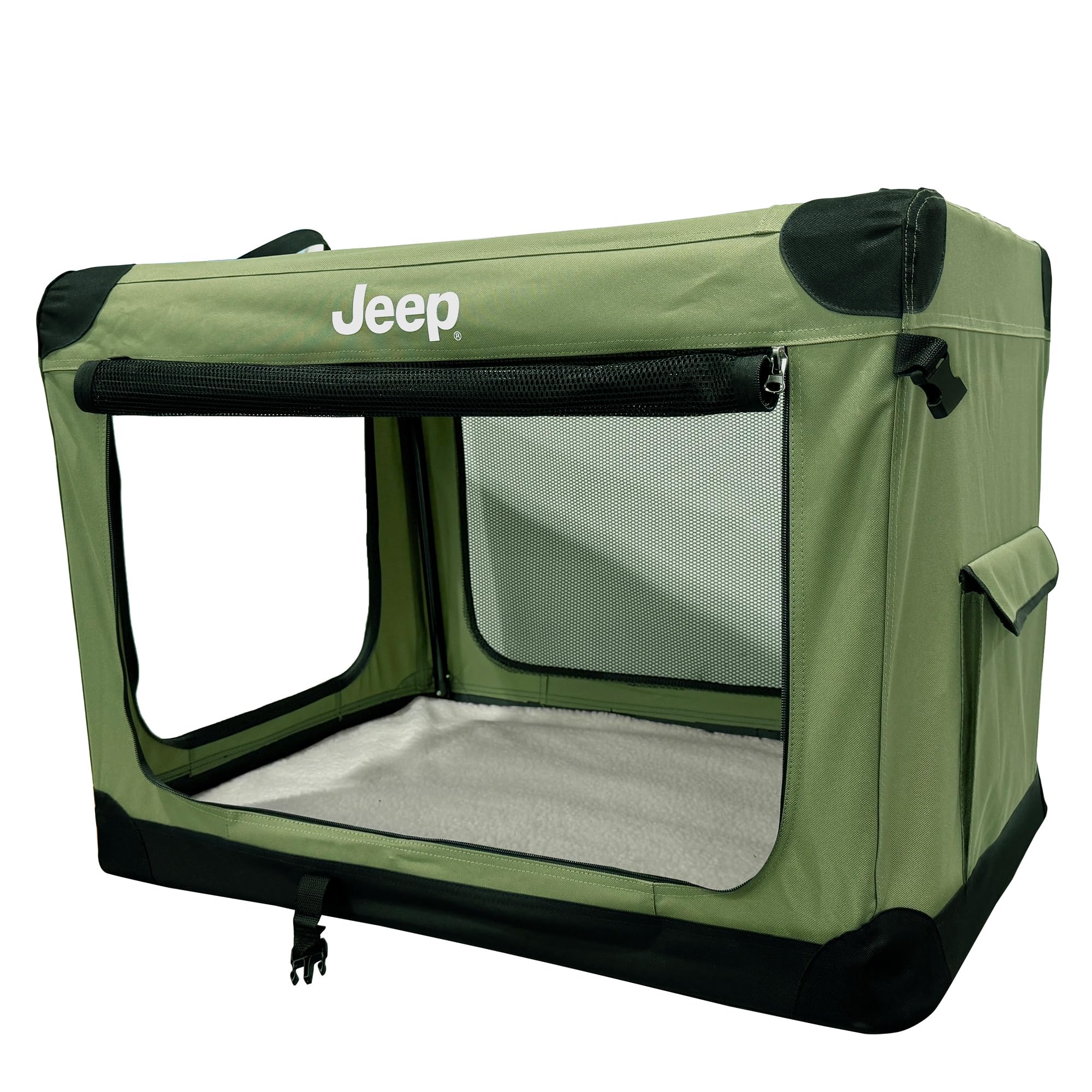


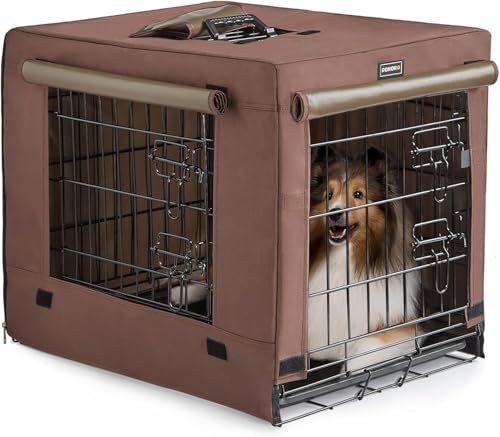


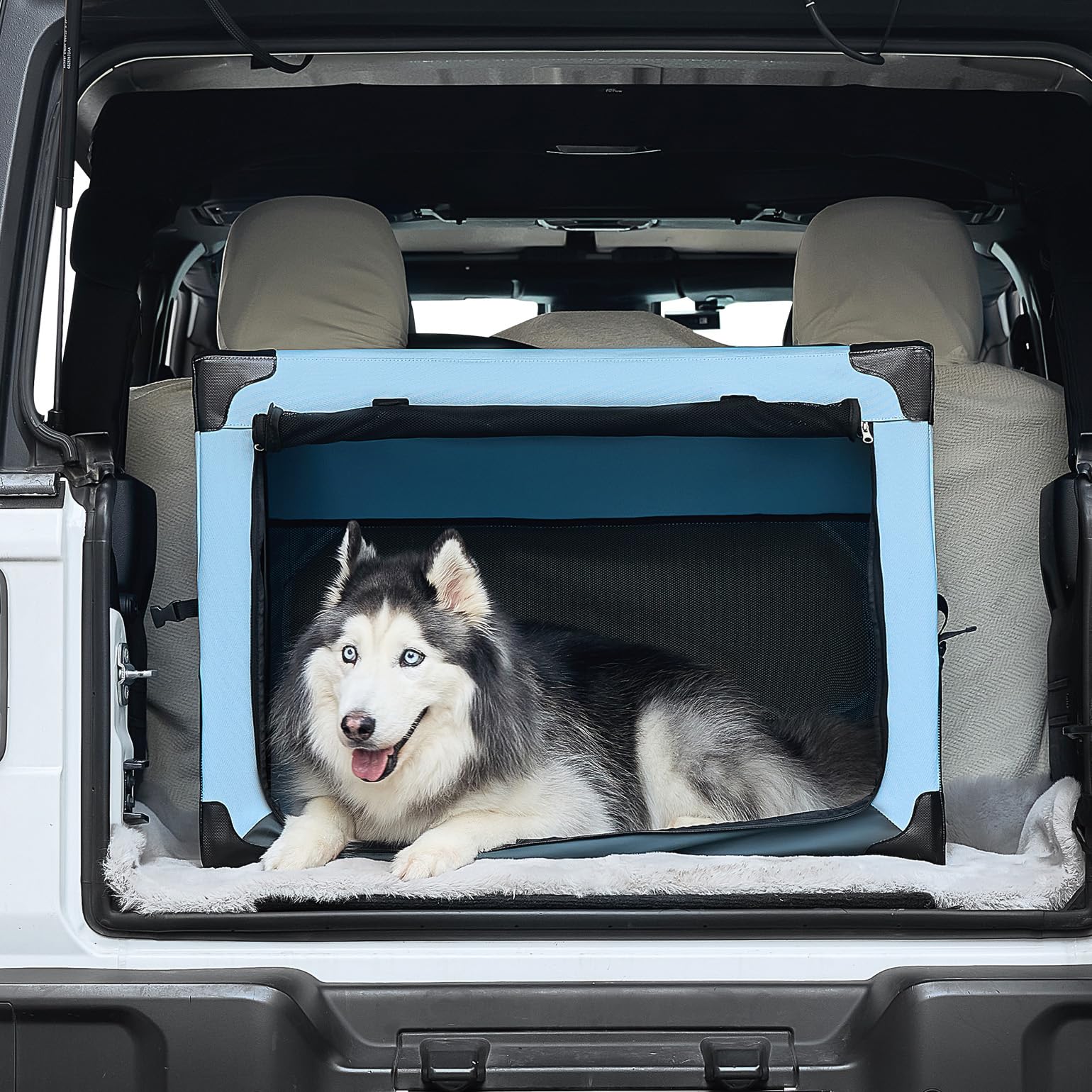
Size, Fit, and Cat Comfort
Size should let your cat stand, turn around, and lie down comfortably without excess room that slides the cat around in transit. Measure your cat length and height, then compare with internal crate dimensions rather than external size. A crate that is too large feels less secure and can injure a cat during sudden stops. A crate that is too small causes stress and breathing difficulty on longer trips, so measure honestly rather than guessing.
Comfort inside the crate matters as much as size, since a bare plastic floor feels cold and slippery. Add a familiar blanket or pad that smells of home, plus a small item with your scent for reassurance. Avoid loose toys that could trap or choke a frightened cat during travel. For long trips, check whether the crate allows a small water source without spilling, and plan stops for checks on very long drives.
Hard, Soft, and Wire Crate Types
Hard plastic crates suit car travel and vet visits because they protect against bumps and stay rigid in a crash. They clean easily after accidents and stack well for storage, though they weigh more than soft bags. Top loading hard crates help with cats that resist front entry, since you can lower the cat in gently. Check door latches carefully, since a weak latch is the most common failure on cheap hard crates.
Soft sided crates suit air travel and public transport because they weigh less and fit under some seats. They need sturdy frames to hold shape, since a collapsing soft crate stresses cats and blocks air flow. Wire crates suit home confinement and recovery, giving maximum ventilation and visibility, but they offer less crash protection for car travel. Choose the type by your main travel mode, not by looks alone.
Safety, Ventilation, and Airline Rules
Safety starts with secure latches, solid handles, and a crate that stays shut if tipped. Test latches before every trip, and avoid crates with doors that pop open under pressure. Ventilation on at least three sides keeps air flowing, which matters in warm cars and crowded cabins. Never leave a crated cat in a parked car in heat, since temperatures rise dangerously fast even with windows cracked.
Airline rules vary by carrier and route, so check size limits, ventilation rules, and whether your cat travels in cabin or hold well before booking. Some airlines require hard crates for hold travel and specific latch types, while cabin rules limit total size. Book early, since cabin pet spaces are limited, and carry vet records as required. A crate that meets one airline rules may fail another, so confirm details for your exact flight.
Training Cats to Accept a Crate
Training should start weeks before travel, with the crate left open at home as a safe resting place. Place treats, meals, and a familiar blanket inside, and let the cat explore without closing the door at first. Close the door for short periods only after the cat enters calmly, then build up to short car rides. Rushing training the day before travel usually increases stress for both cat and owner.
Never force a frightened cat into a crate by scruffing or pushing, since that creates lasting fear of the crate. Use calm handling, a towel wrap if needed, and top loading crates for cats that resist front doors. Reward calm behavior after each session, and keep sessions short and positive. If your cat panics severely, ask your veterinarian about calming options and handling advice before travel day.
Cleaning, Storage, and Buying Tips
Cleaning matters because cats may soil crates when stressed, and odour left behind increases future stress. Choose crates with removable pads and washable surfaces, and clean promptly after any accident. Check screws, latches, and hinges regularly, since vibration loosens fittings over time. Store crates assembled and accessible rather than flat packed in a loft, so training stays easy and travel prep stays calm.
Prices range from about $25 for basic hard carriers to $120 or more for airline approved or large models. Spend first on latch quality, size fit, and ventilation rather than color or extra pockets. If you travel by air, confirm airline rules before buying a costly crate. The product table above can help you compare the main types once more before you choose.
Frequently Asked Questions
What size cat crate should I buy?
Choose a crate that lets your cat stand, turn around, and lie down comfortably, using internal dimensions rather than external size. A crate that is too large slides the cat around during stops, while a too small crate causes stress and breathing difficulty. Measure your cat length and height, then compare with the maker size guide. When between sizes, choose the smaller safe fit for car travel and the larger fit for long home confinement.
Are soft or hard cat crates better?
Hard crates suit car travel and vet visits because they protect against bumps and stay rigid. Soft crates suit air cabin travel and public transport because they weigh less and fit under some seats. Soft crates need sturdy frames to hold shape and ventilation, while hard crates clean more easily. Choose by your main travel mode, and check airline rules before buying for flights.
How do I get my cat used to a crate?
Leave the crate open at home weeks before travel, with treats, meals, and a familiar blanket inside. Let the cat explore freely at first, then close the door for short periods once entry feels calm. Build up to short car rides gradually, rewarding calm behavior after each session. Never force a frightened cat inside, since that creates lasting fear, and ask your veterinarian for advice if panic persists.
Can cats travel in crates on planes?
Many airlines allow cats in cabin or hold depending on size, route, and crate type, but rules vary widely. Cabin travel usually requires a soft or small hard crate that fits under the seat, while hold travel requires a sturdy hard crate with specific latches and ventilation. Check your exact airline and route rules well before booking, since cabin pet spaces are limited. Carry vet records as required by the airline and destination.
How do I clean a cat crate?
Remove pads and blankets for washing, then wash hard surfaces with mild soap and warm water, rinsing fully to remove soap smell. Dry the crate completely before use, since dampness and odour increase cat stress. Check latches, screws, and hinges during cleaning, since travel vibration loosens fittings. Clean promptly after any accident, and store the crate assembled and accessible for future training and travel.
Final Thoughts
Choose a crate by internal size fit, latch strength, and ventilation, then match the type to your main travel mode. Train gradually with treats and familiar bedding so the crate feels safe long before travel day. Never leave a crated cat in a hot parked car, and confirm airline rules early if you fly.
The product table above sums up the main types, so compare them once more before ordering. With the right size and patient training, the best cat crates can make vet visits and journeys calmer for both cat and owner.
Related Buying Guides
For a closely related choice, see our guide to best travel crates for cats. You may also find our guide to best cat crates for car travel.


