
Best Cat Collar Cameras for 2026: How to Pick the Right One
Disclosure: We may earn a commission when you buy through links on this page, at no extra cost to you. As an Amazon Associate I earn from qualifying purchases. Learn more

Learn how to choose cat collar cameras by weight, fit, video quality, battery life, and weather protection, so the camera suits your cat and your daily routine.
A collar camera follows your cat where a handheld camera cannot go, and best cat collar cameras are worth comparing by fit and weight before you compare video specs. A camera that is too heavy or too bulky can bother a cat, change how it moves, and end up left in a drawer. The right choice feels light on the collar, records steadily through a normal day, and is easy to charge and review.
There is no single model that suits every cat and every routine, so start with your cat and your goal. An indoor cat needs a different setup from a roaming outdoor cat, and a short daily check needs less battery than a full day of exploring. Use the comparison table below to weigh the main types side by side, then match the details in this guide to your cat.
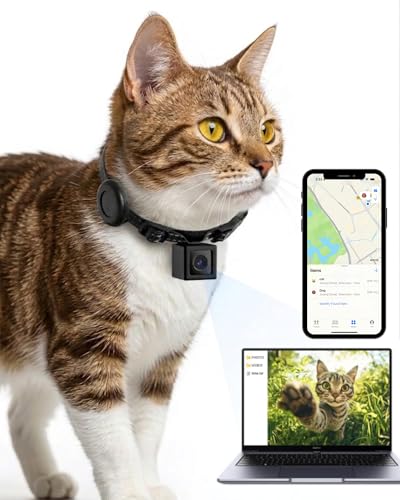


Who Should Buy Which Cat Collar Camera?
Cat collar cameras work best when the buyer thinks about the cat first and the footage second. Size, weight, and collar attachment matter more here than they do for a normal camera, because the cat wears the device for hours. The groups below describe common routines, so you can spot the features that deserve your attention.
For Indoor Cats and Daily Routines
Indoor cats usually need a small, light camera that records short clips around the house. Look for simple controls, a secure clip that sits flat against the collar, and a battery that covers a few hours of play, naps, and window watching. Video quality matters, but a steady standard resolution picture is often enough to see where a cat sleeps, plays, and hides. Keep the setup simple so you actually use it, and choose a camera that is easy to remove for charging and cleaning.
For Outdoor Explorers
Cats that roam gardens, yards, and nearby paths need tougher protection against rain, dust, and bumps. A weather resistant body, a protected lens, and a longer battery life help the camera keep recording through a longer outing. A wider view also helps outdoors, because the cat moves its head quickly and the scene changes fast. Check the mount often, since outdoor play can loosen a clip, and choose a breakaway collar so the collar can release if it catches on a branch or fence.
For Multi Cat Households and Curious Owners
In a home with more than one cat, a collar camera can show which cat visits a bed, a bowl, or a sunny spot. Give each cat its own collar and camera setup if you want to tell the footage apart, and keep the weight similar across cats so no cat carries a heavier load than the others. Simple file names and dates help you sort clips later. This use also rewards good storage habits, because clips from several cats add up quickly.
Key Features to Compare
Compare collar cameras by how they sit on the cat, how they record, and how easy they are to live with day after day. A long spec list means little if the camera is heavy, hard to charge, or awkward to attach. Use the factors below in order, and let fit and comfort decide before you chase the highest resolution.
Weight and Collar Fit
Weight is the first feature to check, because a cat notices every extra gram on its neck. Look for the lightest camera that still gives the video quality you want, and check the total weight of the camera plus its mount. The mount should sit close to the collar without swinging, and the collar should stay snug enough that two fingers fit beneath it. A breakaway collar is a sensible safety choice, and you should test the fit indoors for a short period before a longer outing.
Video Quality and Field of View
Video quality for a collar camera is about usable footage, not the largest numbers on the box. A steady picture with clear daylight detail and decent low light performance beats a shaky high resolution clip. A moderately wide view helps capture what the cat looks at without the bent edges that come from an extremely wide lens. Image stabilization also matters, because a cat moves its head in quick jerks, and stabilization keeps the picture watchable.
Battery Life and Charging
Battery life decides whether you capture the moments you care about or miss them. Check how long the camera records on one charge in normal use, not only in a low power standby mode. A simple charging method, such as a standard cable and a short charge time, makes daily use much easier. Carry a spare battery only if the design allows a quick swap without disturbing the collar fit. If you plan longer outings, a camera with a clear battery indicator helps you avoid sending a cat out with a nearly empty battery.
Durability and Weather Protection
A collar camera faces more knocks than a camera kept in a bag. Look for a sturdy body, a recessed or protected lens, and clear weather protection for rain and dust. Outdoor cats may brush against fences, plants, and furniture, so a scratched lens cover that can be cleaned or replaced is useful. Check that buttons and ports stay covered, and avoid a design with loose parts that a cat could paw at. Durability matters for indoor cats too, since a dropped camera during a lively play session should survive the fall.
Storage and App Transfer
Storage and transfer decide how easily you can watch and keep clips. A memory card slot gives you a simple way to move files, while an app transfer option lets you preview clips on a phone without removing the card. Check the maximum card size the camera supports and how the camera names files, because clear file names make sorting much easier. If you use the camera often, set a routine for moving clips to a computer or backup drive, so the card does not fill up at the wrong moment.
Common Mistakes to Avoid When Buying Cat Collar Cameras
- Choosing by price alone, without checking weight and collar fit first.
- Buying a camera that is too large for a small cat, which can change how the cat walks and plays.
- Ignoring battery life, so the camera stops recording before the interesting part of the day.
- Skipping the breakaway collar check, which leaves a safety detail to chance.
- Forgetting storage limits, so the card fills up and overwrites clips you wanted to keep.
Tips to Get the Most From Your Cat Collar Camera
Start with short indoor sessions so your cat gets used to the weight and the feel of the camera. Check the collar fit each time you attach it, and look for any red marks or signs that the cat is bothered by the mount. Wipe the lens with a soft cloth before each outing, since fur, dust, and nose prints blur footage quickly. Charge the camera after each use and move clips to backup storage on the same day, so the next outing starts with a full battery and an empty card. If you also want a camera for general pet photos at home, see our guide to best cat cameras for a broader view of pet friendly options.
Follow local rules about recording in shared spaces and other people's property, and keep the camera pointed at your own cat's world rather than at neighbors or private areas. A collar camera is a window into a cat's day, not a surveillance tool, so use it with that limit in mind. If your cat resists the camera, paws at it constantly, or changes its eating and playing habits, take the camera off and try a lighter setup later. Comfort always comes before footage, and a happy cat gives you better video anyway.
Frequently Asked Questions About Cat Collar Cameras
Is a smartphone enough instead of a cat collar camera?
No, a smartphone cannot replace a collar camera for following a cat through its day. A phone only records what you point it at, while a collar camera records from the cat's point of view when you are in another room or away from home. A phone is better for posed photos and close portraits, where you control the framing and the light, while a collar camera is better for discovering where a cat goes, what it watches, and how it spends quiet hours. Many owners use both, with the phone for portraits and the collar camera for everyday discovery.
What specs matter most for beginners?
Beginners should focus on weight, battery life, ease of use, and weather protection before chasing advanced specs. A light camera with simple controls and a clear charging routine is easier to use every day than a complex camera with features you rarely touch. Check the recording time on one charge, the card size supported, and whether clips transfer easily to a phone or computer. Resolution matters, but a steady standard resolution clip you can actually watch beats a high resolution clip that stops early, so start simple and upgrade only when a clear limit appears.
Which cat collar camera works best in low light?
A collar camera with a larger sensor and a wider lens opening usually handles dim rooms and evening light better than a tiny sensor with a narrow opening. Look for sample style descriptions that mention indoor and evening performance, and check whether the camera has a night mode that still shows shapes and movement clearly. Try the camera in a dim hallway or at dusk before a longer outing, and remember that very dark rooms will challenge any small camera. Good low light handling helps most for cats that are active at dawn and dusk.
What does a wide angle view mean for a cat collar camera?
A wide angle view captures more of the scene around the cat, so you see the room, the garden path, and nearby objects rather than only a narrow slice straight ahead. This helps because cats move their heads quickly, and a narrow view can miss the subject they are watching, while an extremely wide view can bend straight lines at the edges and make distant objects look smaller. A moderately wide view is usually the best balance for collar footage, since it follows head movement without heavy distortion.
How much should I spend on my first cat collar camera?
Most first time buyers do well in a mid range budget, about $50 to $150, where cameras usually offer decent video, a workable battery, and basic weather protection. Higher priced options tend to add better stabilization, longer recording, and stronger weather sealing, which matter more for outdoor cats. Spend based on how often you will use the camera and how rough the outings will be, not on the highest specs, since a mid range camera that your cat tolerates happily is a better buy than a costly camera that stays in a drawer.
Final Thoughts
The best choice balances three things: a light and comfortable fit, video that stays watchable through a normal day, and a battery and storage routine you can keep up with. Check those three first, then weigh weather protection and transfer options for your cat's routine. The product table above can help you compare types side by side once you know which features matter most to you.
Take your time, test the fit indoors, and let your cat's comfort guide the final call. A camera that your cat barely notices will record more natural behavior and give you the most enjoyable footage. Keep best cat collar cameras in mind as a category to compare, not as a single winner, and choose the setup that fits your cat, your routine, and your budget.


