
Best Cat Calming Tablets: What Actually Matters Before You Buy for 2026
Disclosure: We may earn a commission when you buy through links on this page, at no extra cost to you. As an Amazon Associate I earn from qualifying purchases. Learn more

Use this checklist to choose the best cat calming tablets, covering active ingredients, dosing, onset time, safety checks, and when to call your veterinarian.
Travel, vet visits, fireworks, and a new pet in the home can all leave a cat hiding, pacing, or refusing food. Calming tablets promise help, but labels vary wildly in ingredients and strength. This checklist shows you how to judge the best cat calming tablets by what is inside them, how fast they work, and how safely they fit your cat.
Use these criteria while you look at the comparison table below. A tablet your cat refuses to eat, or one dosed for the wrong weight, will not help no matter how good the formula looks on paper.


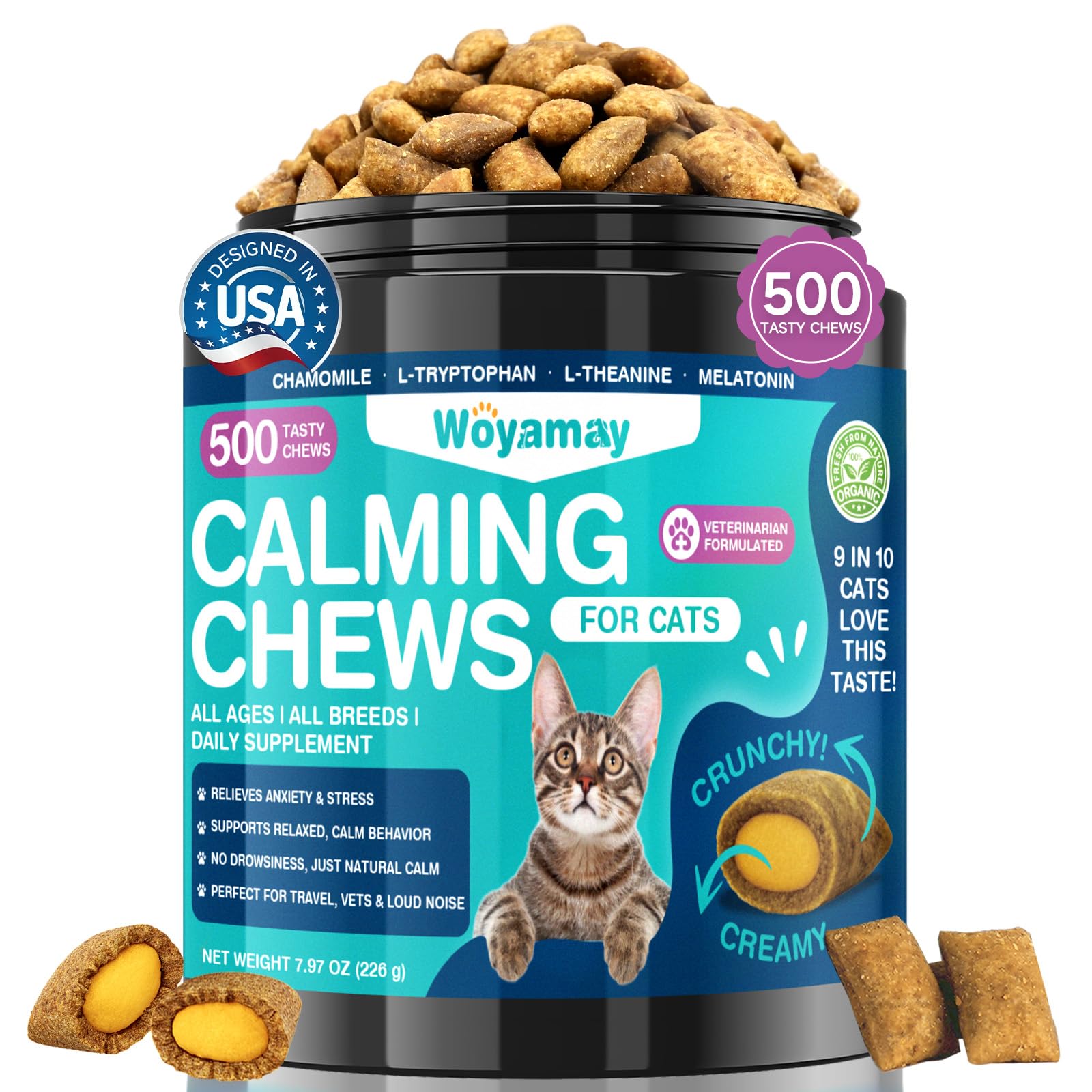

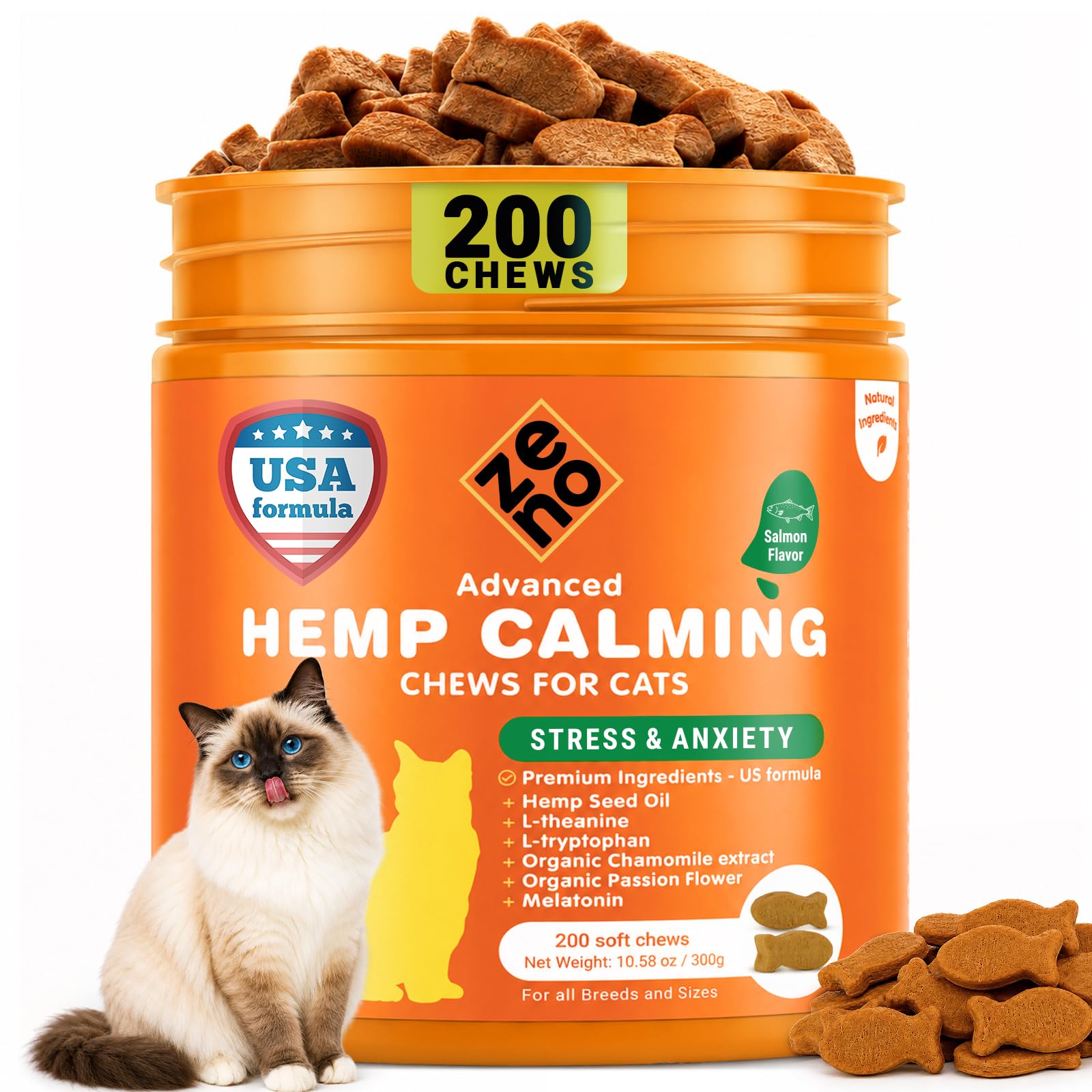

How We Evaluate Cat Calming Tablets
We score calming tablets on ingredient quality, clear dosing, realistic onset time, and honest labeling. Pet supplements are not regulated like prescription drugs, so the label itself is one of your best safety tools. A product that explains its active ingredients and amounts earns more trust than one hiding behind a vague blend.
Active Ingredients and What They Do
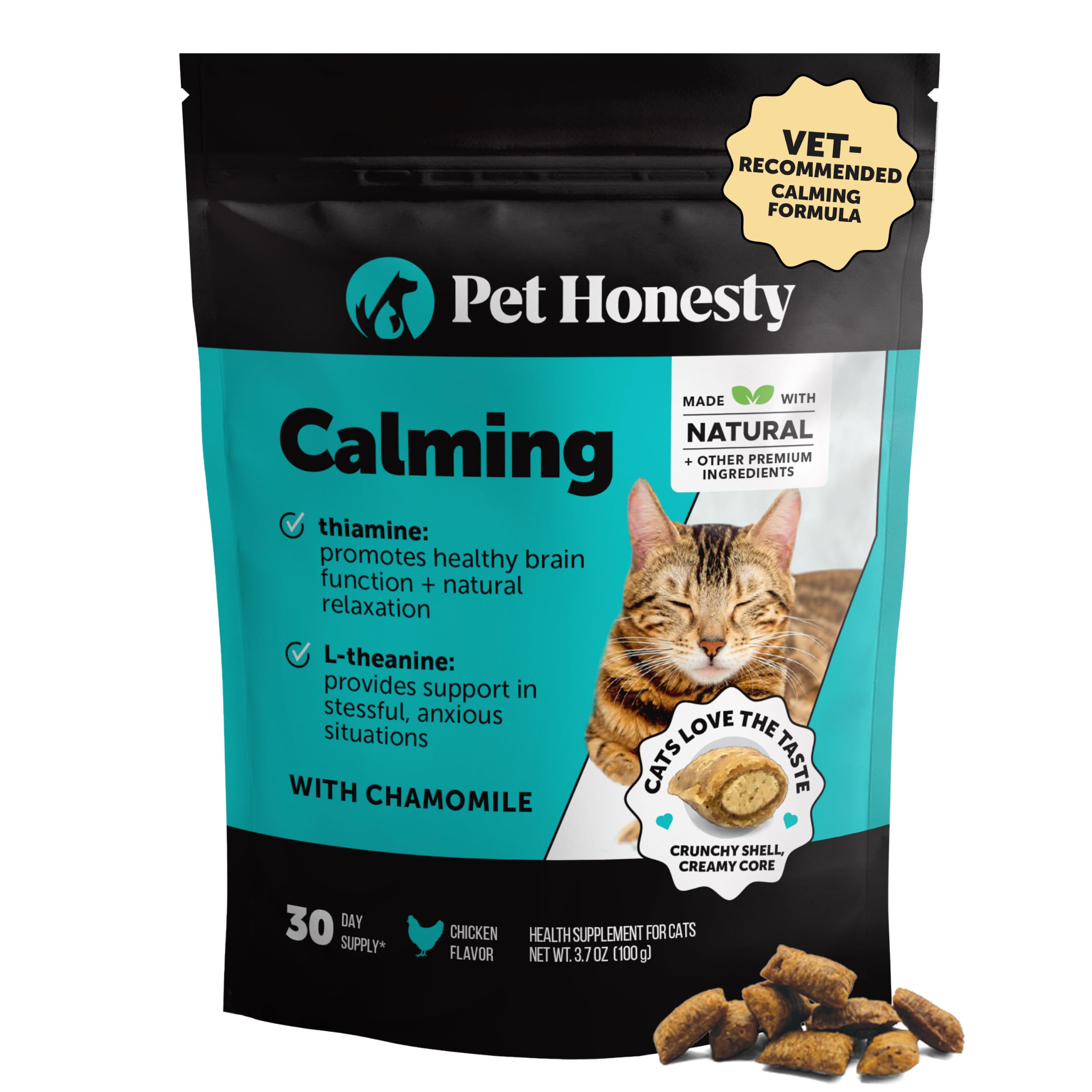
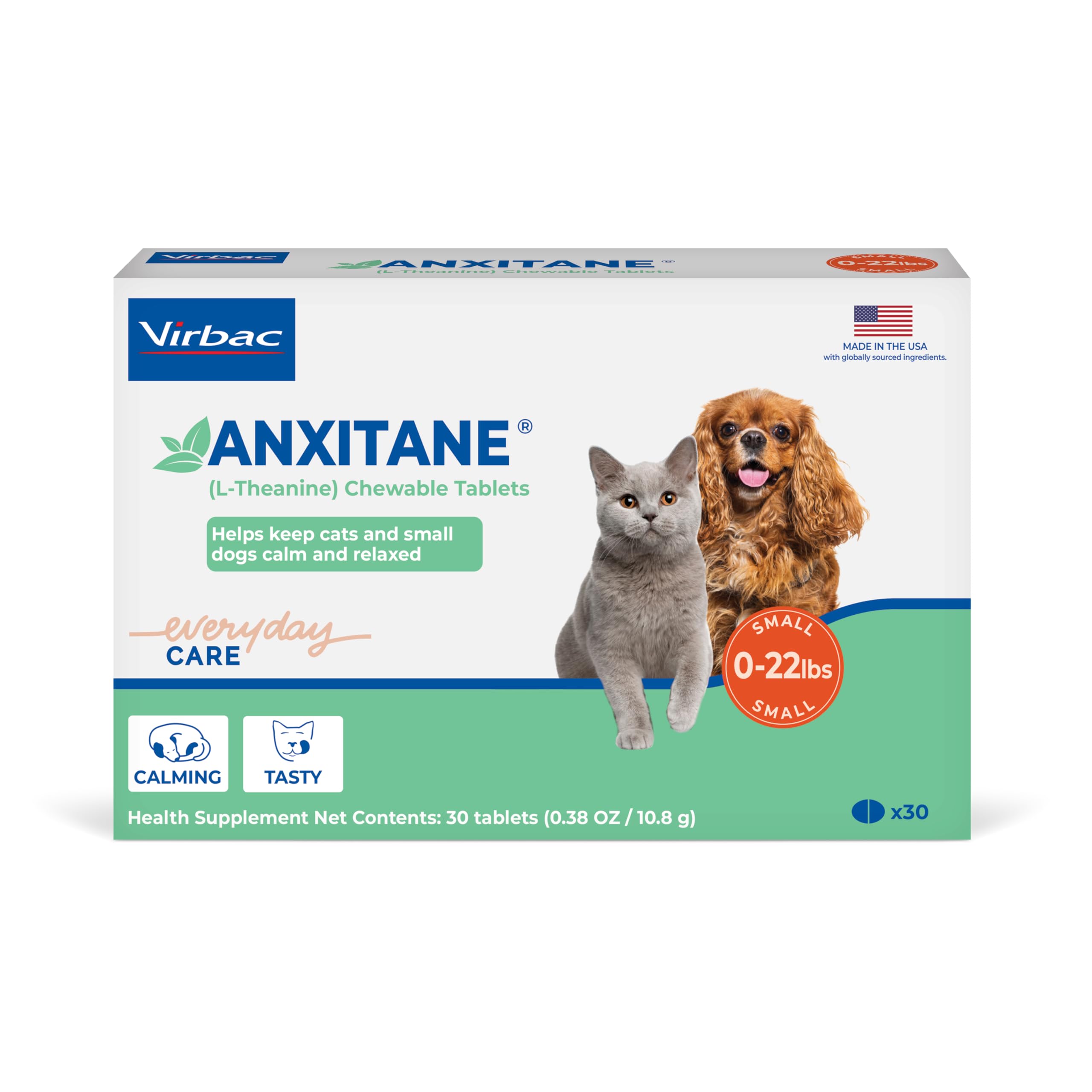
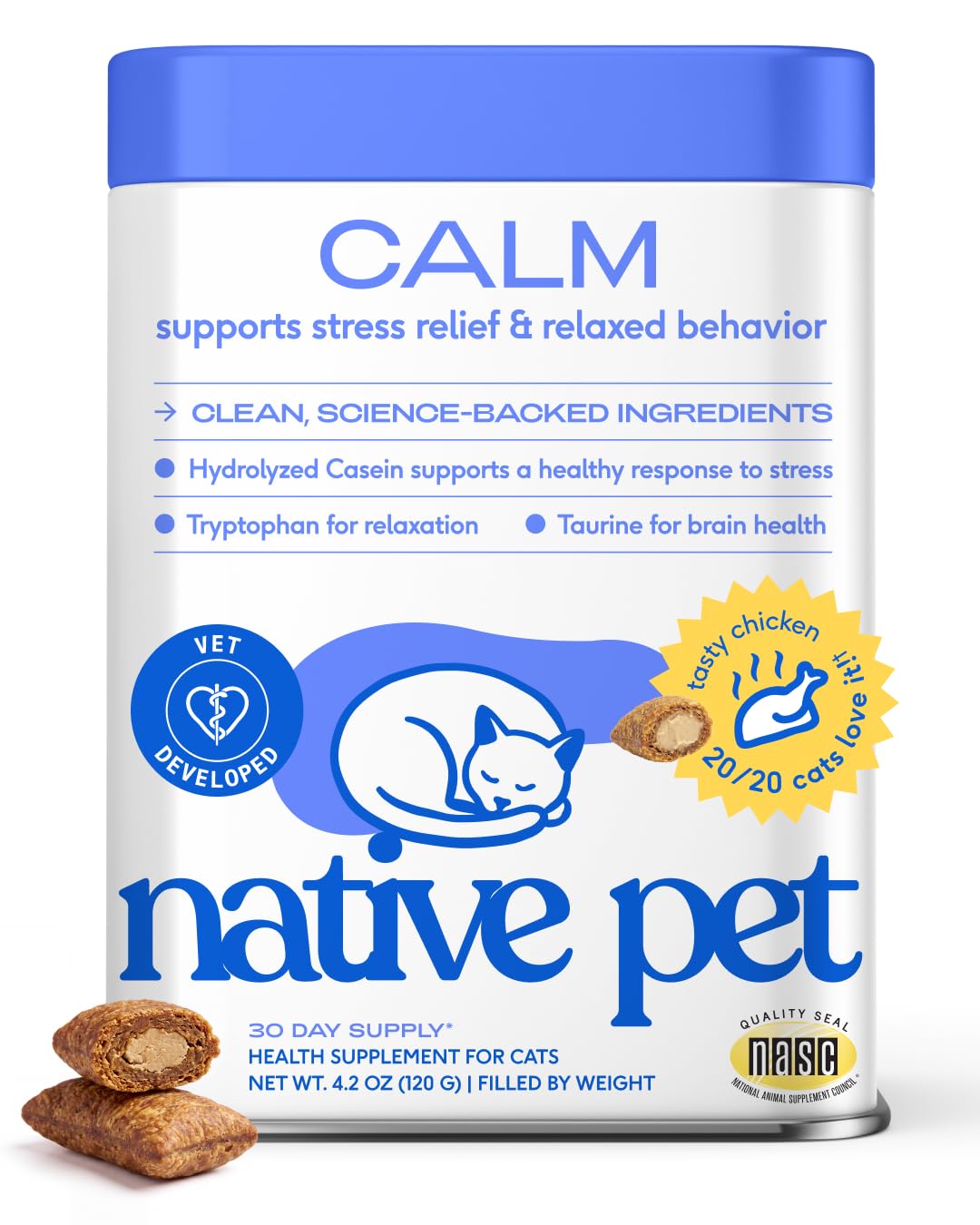
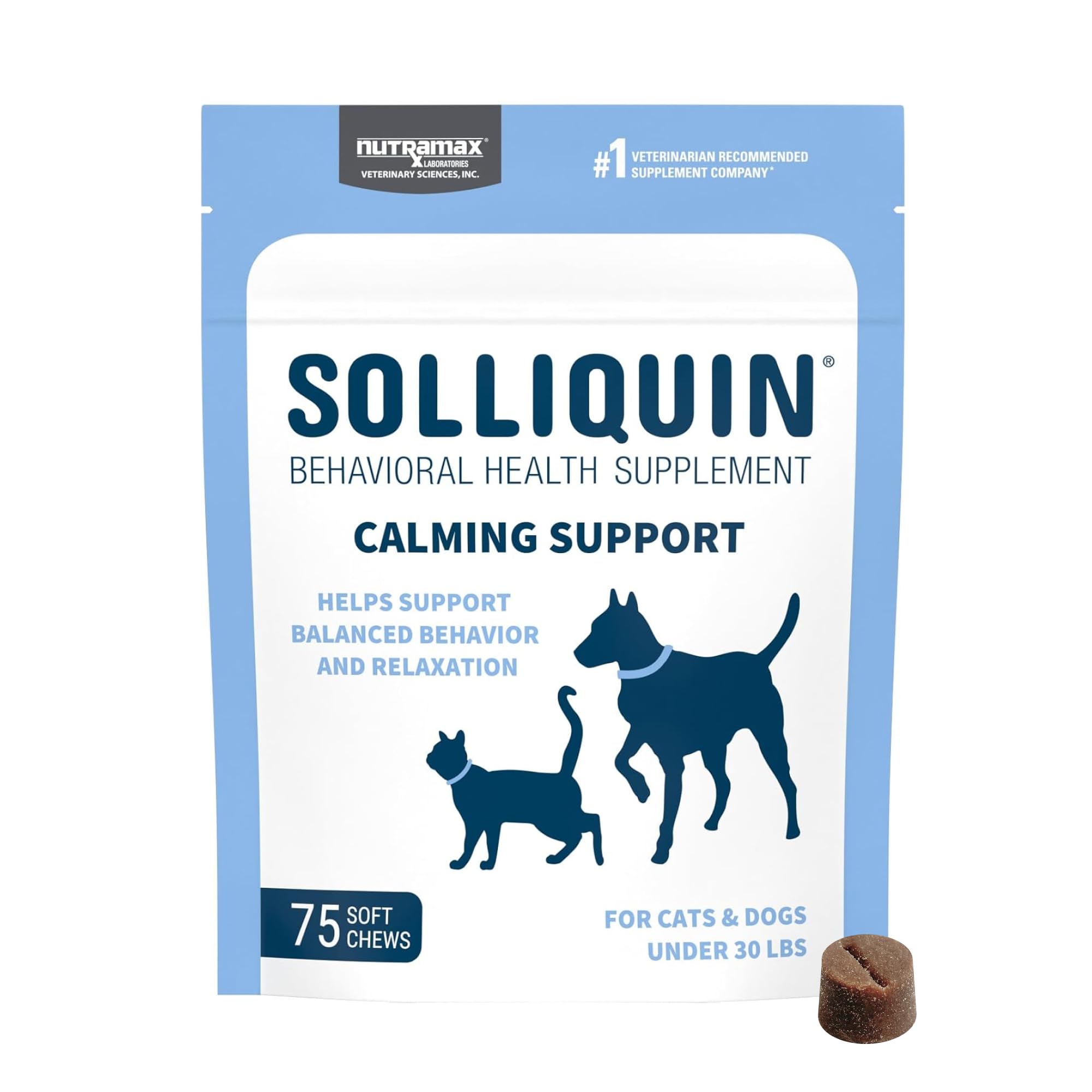
Look for named ingredients with amounts per tablet. L theanine, an amino acid from tea, is widely used for mild stress. Casein, a milk protein, is another common choice for everyday tension. Herbal options such as chamomile, valerian root, and passionflower appear in many formulas, while melatonin shows up in stronger blends and suits short events better than daily use. Avoid products that list only a proprietary blend with no amounts, because you cannot judge whether the dose is meaningful or safe to combine with other products.
Dosing by Weight and Ease of Giving
Good labels give dosing by weight bands, such as one tablet for cats under 10 lb and two for larger cats. Check whether tablets can be split cleanly, since a half dose matters for small cats and seniors. Palatability decides real world success, so flavored chewable tablets that cats take as treats beat plain tablets you must push down the throat. If your cat is a picky eater, plan a backup method, such as crushing the tablet into a small amount of wet food, only if the label allows crushing.
Onset Time and Duration
Most calming tablets need 30 to 90 minutes to take effect, so timing is part of the purchase decision. For a vet visit or car ride, you will dose well before the event starts. Some formulas are built for daily use over several weeks, and their effect builds gradually rather than peaking in one dose. Match the product type to your situation, because a daily formula will disappoint before a sudden thunderstorm, and a strong event formula is more than a mildly nervous cat needs every day. Our guide to the best calming tablets compares these timing styles across formats.
Safety, Age Limits, and Medication Conflicts
Check the minimum age and weight on the label, since many products are not made for kittens under 12 weeks. Pregnant or nursing cats, and cats with liver or kidney disease, should only get calming products with a veterinarian approval. Ingredients such as melatonin and valerian can interact with prescription anxiety drugs and sedatives, so never combine products without asking your vet. Stop use and call the clinic if you see vomiting, heavy drooling, wobbling, or unusual sleepiness that does not fade within a few hours.
Label Transparency and Quality Marks
Trustworthy brands print a full ingredient list, a lot number, an expiry date, and contact details for questions. A seal from a pet supplement quality council is a helpful sign, though not a guarantee. Be cautious with imported products that copy the look of known formulas but list no manufacturer address. Store tablets in a cool dry place with the lid sealed, because moisture softens chewable tablets and can reduce their strength before the expiry date arrives.
Format Fit for Your Cat
Tablets are only one format, and the best choice is the one your cat accepts calmly. Some cats eat flavored tablets eagerly, while others do better with pastes, sprays, or diffusers in the home. If pilling your cat causes a struggle, the stress of dosing can cancel the benefit of the tablet itself. For cats whose anxiety centers on parasites or skin irritation instead, calming the itch matters more, and our guide to the best flea tablets for cats covers that separate problem.
Price Tiers That Pass Our Checklist
Price per tablet varies a lot, so compare cost per dose for your cat weight rather than cost per bottle. The product table above lists options across tiers, and these notes explain what each tier usually includes.
What the Budget Tier Delivers
Budget options, often under $20 a bottle, usually rely on one or two herbal ingredients in modest amounts. They can take the edge off mild stress, such as a short car ride for a generally confident cat. Labels at this tier are sometimes thin on detail, so check the ingredient amounts carefully before you buy. Budget tablets make sense for a first trial, because you can learn whether your cat accepts the flavor and shows any benefit before spending more.
What the Midrange Tier Delivers
Midrange products, about $20 to $35, typically combine two or three proven ingredients at clearer doses, and they often separate daily formulas from event formulas. Palatability testing is usually better here, with flavors most cats accept without food tricks. This tier is the sensible default for regular vet visits, grooming appointments, and holiday noise. You also tend to get better customer support and clearer guidance on how many days in a row the product can be used.
What the Premium Tier Delivers
Premium products, about $35 to $55, may add casein or higher theanine doses, third party quality testing, and formulas aimed at multi week behavior plans. The extra money does not guarantee a calmer cat, since individual response varies more than price does. Premium tiers suit cats with stronger anxiety where your veterinarian wants a structured daily plan alongside behavior work. If a premium product shows no change after the label trial period, tell your vet rather than simply doubling the dose.
Quick Buyer Checklist
Answer these questions before you order. Each yes points to a safer, more useful purchase.
- Does the label name every active ingredient with its amount per tablet?
- Does the dosing chart include your cat weight band?
- Does the onset time fit your event, such as travel or a vet visit?
- Is the product approved for your cat age and health status?
- Have you checked for conflicts with any prescription medicine your cat takes?
- Will your cat realistically eat this tablet without a stressful struggle?
- Does the seller list an expiry date and a way to contact the maker?
Red Flags to Watch For
Skip products that promise to cure anxiety, stop all spraying, or sedate any cat within minutes, because honest supplements do not work that way. A label with no ingredient amounts, no weight based dosing, and no manufacturer contact is another clear warning. Reviews that describe cats sleeping for a full day suggest a product acting more like a sedative than a calming aid, which is a reason to ask your veterinarian before use. Finally, never give a dog calming product to a cat, since doses and some ingredients differ between species.
How to Use Calming Tablets Well
Do a trial dose on a calm day at home before the real event, so you can watch how your cat responds without added stress. Keep the routine around the dose quiet and familiar, with litter, water, and a hiding spot nearby. Pair the tablet with gentle handling practice in the days before travel, such as short sessions in the carrier with treats, because training and tablets work better together than either one alone. Write down the dose, the time you gave it, and what you observed, since that record helps your veterinarian adjust the plan.
FAQs
How long do cat calming tablets take to work?
Most event formulas start working within 30 to 90 minutes and last about 4 to 6 hours. Daily formulas work differently, building a steadier effect over one to three weeks of regular use. Give the dose earlier than you think you need it, because a cat that is already panicking absorbs the situation, not the tablet. If nothing changes after a fair trial, the ingredient mix may simply not suit your cat.
Can I give calming tablets to my cat every day?
You can give daily formulas every day when the label says so and your veterinarian agrees. Event formulas with melatonin or stronger herbs are meant for occasional use, not a daily routine. Watch appetite, litter habits, and energy levels during the first week of daily use. Any lasting change in those basics is a reason to pause and call the clinic, even if your cat seems calmer.
Are cat calming tablets safe for kittens and senior cats?
Many products set a minimum age of about 12 weeks, and some are not studied in very small kittens at all. Senior cats often have kidney or liver issues that change how ingredients are processed, so they need a veterinarian check first. Start any new product at the lowest label dose for your cat weight. Older cats that suddenly act anxious may be in pain, and pain needs a diagnosis rather than a calming aid.
What if my cat refuses to eat the tablet?
Try hiding the tablet in a small ball of wet food or a soft treat pocket, and offer it before a meal when your cat is hungry. Some tablets can be crushed, but check the label first, because crushing can change how fast certain ingredients act. If every trick fails, ask your veterinarian about pastes, liquids, or a prescription option instead. Forcing a tablet into a frightened cat usually makes the next attempt harder.
When should I see a veterinarian instead of using calming tablets?
See a veterinarian when anxiety appears suddenly, keeps getting worse, or comes with appetite loss, hiding all day, aggression, or litter box changes. Those signs can point to pain, thyroid disease, or other medical causes that tablets cannot fix. A vet can also prescribe stronger anxiety medicine for severe cases and help you build a behavior plan. Supplements work best for mild to moderate stress, and they are not a substitute for a diagnosis.
Our Verdict
Choose by ingredients and dosing clarity first, then match onset time to the event you are planning for. The right format is the one your cat takes willingly, and your veterinarian should guide any daily or long term use. With those checks done, the best cat calming tablets in the comparison table above are much easier to compare, and your cat gets help that is both gentle and safe.


