Best Casual Winter Boots 2026: A Town Guide to Warmth, Grip, and Fit
Disclosure: We may earn a commission when you buy through links on this page, at no extra cost to you. As an Amazon Associate I earn from qualifying purchases. Learn more

Compare casual winter boots for town wear: honest warmth ratings, membrane and lining choices, pavement grip, price bands, sizing, and simple care tips.
A town winter rarely looks like a postcard. It looks like slush piled at the curb, a slick patch on the pavement outside the store, wet tile in the entryway, and a long cold wait for the bus. The best casual winter boots are chosen for that mix: warm enough for a half hour outdoors, steady on treated sidewalks, and neat enough to keep on inside a cafe or a casual office.
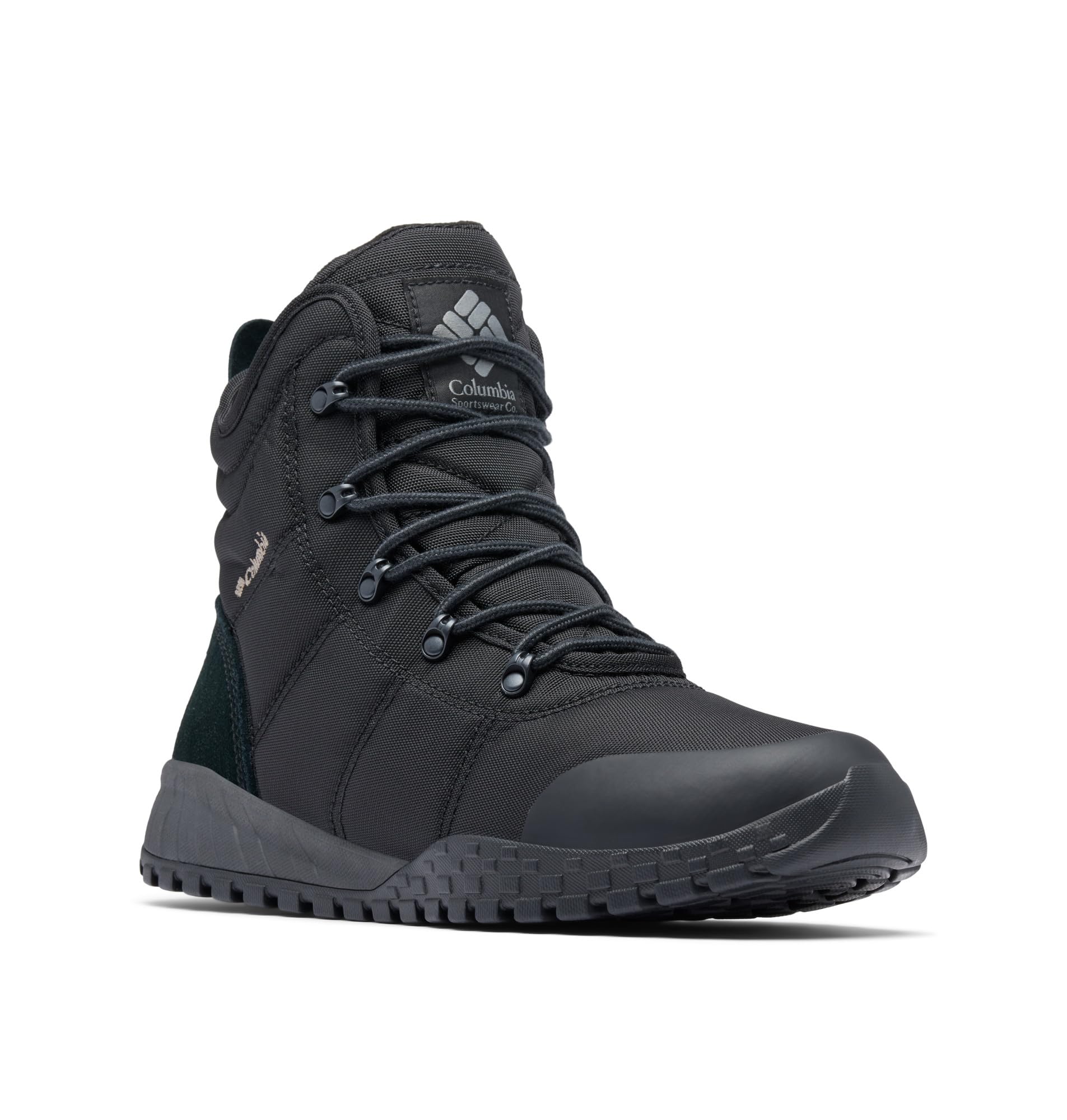
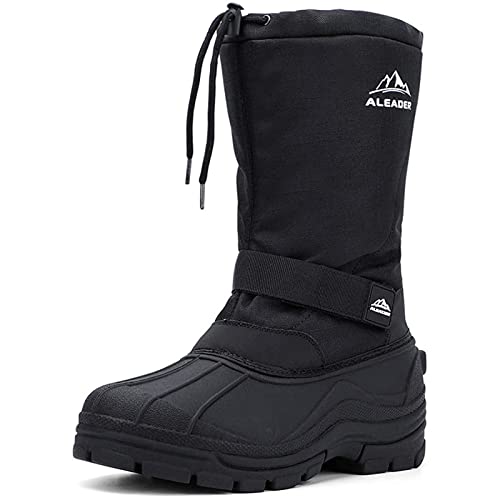
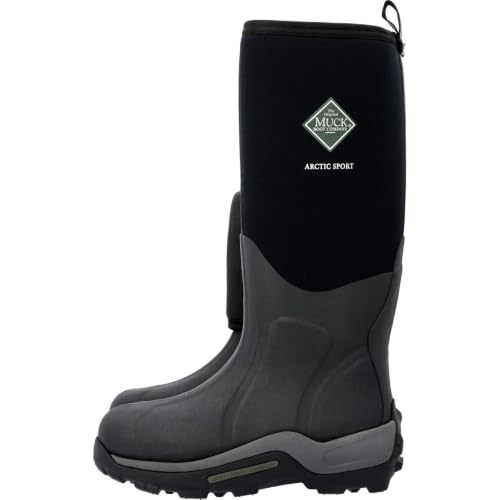
This guide treats casual winter boots as a street class rather than an expedition class. It explains how maker warmth ratings really work, how linings and membranes change the boot, and what each price band adds. The comparison table below sets the main options side by side so you can match a pair to the winters you actually get.
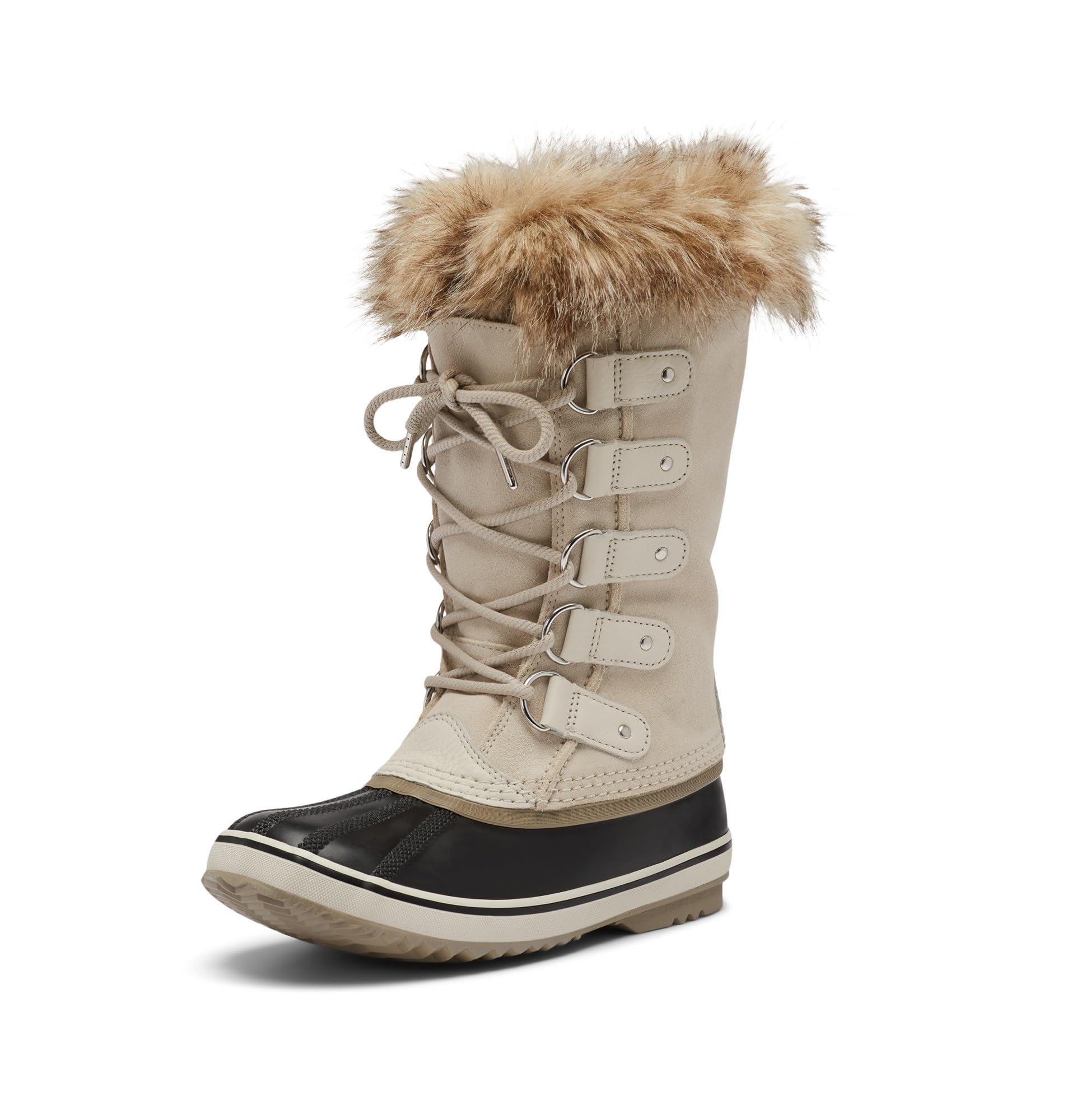

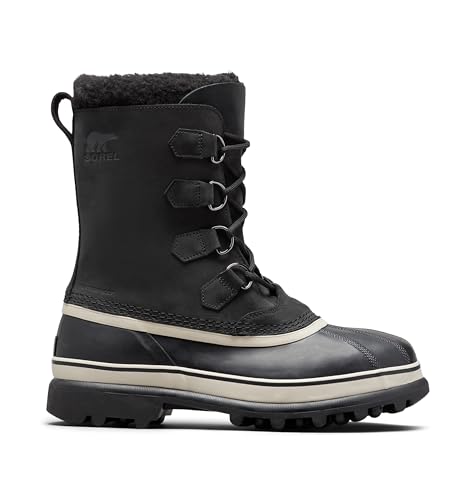



What Each Price Band Buys
Prices spread widely, but a clear pattern runs through the bands: your money buys insulation, membrane quality, and sole compound, roughly in that order. The product table above gives the quick side by side view, and the bands here explain what sits behind it.
Around $60 to $100: Light Duty Town Boots
Expect water resistant treated uppers rather than a true membrane, light insulation, and a fairly flat sole. That is enough for short walks to the car, brief dog walks, and mild winters where snow melts the same day. The trade offs show up during long stands at a bus stop, where thin insulation lets cold creep in, and on icy corners, where a basic sole compound hardens in the cold and loses bite.
Around $100 to $160: The Everyday Winter Middle
This band adds a real waterproof membrane, insulation in the 200 gram class, and rubber that stays flexible when temperatures drop. Cushioning improves, linings feel less clammy, and most pairs handle a full day that mixes sidewalks, slush, and indoor stops. For readers whose winters bring regular snow and long weeks below freezing, this is where the honest value sits.
Around $160 to $250: Built for Long Cold Weeks
Premium pairs spend the extra money on full grain leather or tough synthetic shells, thicker insulation in the 400 gram class, deeper lugs, and insoles you can replace as they pack down. Warmth holds up during long outdoor stretches, and the boots usually last more seasons. The weight rises too, so distance walkers should weigh warmth against the extra heft.
How to Choose: The Buying Guide
The casual label is the first filter. Casual winter boots are a street class: their warmth and grip are tuned for pavement, packed snow, and short stretches outdoors, not for mountain travel or hours standing on a frozen lake. Judged on those terms, the best casual winter boots share a few traits: honest warmth for standing around, a sole that grips on cold pavement, and a lining that keeps feet dry from both weather and sweat.
Temperature Ratings: A Rough Guide, Not a Promise
Maker temperature ratings are not standardized, so treat any number on the box as a rough guide rather than a promise. One maker rates a boot while the wearer walks, another rates it at rest, and a moving foot generates far more heat than a standing one. Buy for the coldest half hour of your normal week, not the coldest night of the year.
Treat numb toes as a stop signal: head inside, warm your feet, and change into dry socks. Numbness that lingers after warming needs medical attention, because frostbite can damage tissue without much pain.
Fit, Sizing, and Toe Box
Measure your feet late in the day, when they are at their largest, and wear the thick socks you plan to use. You want room to wiggle your toes and about a thumb width of space in front of the longest toe, since a compressed toe box cuts circulation and makes feet feel colder. Heel slip should be minimal from the first try on. Fit varies across sex specific lasts as well: our guide to best men's casual winter boots covers men fits and widths in detail, and a companion guide covers best casual winter boots women's lasts, where the heel usually runs narrower.
Waterproofing, Membranes, and Linings
Linings and membranes split this shelf into two honest groups. A waterproof membrane is a thin barrier inside the boot that holds water out, but only up to the height of the boot itself; step into a puddle deeper than the shaft and water pours over the top. Treated uppers without a membrane shed light slush, yet they wet through during a long wet walk. Inside, fleece and synthetic loft linings trap warm air: thicker insulation suits standing still, while thinner linings suit walkers who generate their own heat.
Cushioning and Support
Town walking means hard surfaces, so midsole foam does real work here. A cushioned midsole softens pavement impact, and a shaped insole with modest arch support keeps feet from tiring during long errands. Readers who stand on concrete at work should look for thicker midsoles and replaceable insoles, and swap the insoles once they pack flat.
Weight and Flexibility
Weigh boots as a pair, since that is what your legs lift all day. Light pairs around two pounds suit drivers and walkers who cover distance, while heavier insulated pairs earn their weight during long cold stands. Flex the sole at the ball of the foot: it should bend where your foot bends. A boot that fights every step will tire your calves over a long day of errands.
Outsole Traction on Cold Pavement
Grip comes from lug pattern and rubber compound together. Lugs around 4 to 5 mm deep clear slush and bite packed snow, while soft rubber compounds stay pliable below freezing and hold on cold wet stone. Wide flat lug faces suit pavement, and deeper open lugs suit park paths.
Be honest about ice, though: no casual tread makes polished ice safe, and the careful answer on glare ice is a slower pace or a removable cleat, not a different boot. A related guide to best boots men winter covers heavier soles built for rougher ground.
Types of Casual Winter Boots
Three shapes cover most town needs. If your winters go beyond the casual class entirely, our general guide to best winter boots covers taller, heavier duty styles.
Insulated Lace Up Boots
The classic shape: an ankle or mid height boot with laces you can tune through the day. The adjustable fit makes this the best all round choice for mixed use, from commuting to weekend walks, and the closed lacing keeps slush out better than most pull on designs.
Slip On Winter Boots
Pull on boots trade a locked in fit for speed, which suits short trips, school runs, and letting the dog out. The fit runs looser at the ankle, so long walks can bring heel movement. A sister guide on best winter boots for guys compares pull on fits and sizes in more depth.
Hiker Style Winter Boots
These borrow their shape from light hiking boots: a stiffer sole, more ankle support, and deeper lugs. They suit walkers who add park trails and unplowed paths to their town routes, and they feel clumsy only when most of your day is driving.
Care Tips That Keep Winter Boots Working
- Dry wet boots at room temperature, away from radiators and direct heat, which crack leather and warp linings.
- Brush off road salt the same day, since salt dries leather and stains fabric uppers.
- Rotate two pairs during heavy weeks so insulation can dry out and rebound between wears.
- Renew the water repellent finish on fabric uppers once water stops beading on the surface.
- Store boots upright and loosely stuffed, so the shaft keeps its shape through spring and summer.
Frequently Asked Questions
How long does the break in period for casual winter boots last?
Most casual winter boots feel right within two or three short wears, because the uppers are soft and the midsoles need little settling. Full leather pairs can take a week of daily walks. One useful trick is to wear a new pair indoors for an evening first: you learn where it rubs while the soles are still clean enough to exchange the pair if the fit is wrong.
Are expensive casual winter boots worth the extra cost?
They can be, if your winters are long. Spread over four or five seasons, a premium pair often costs less per winter than a budget pair replaced every year. The extra money buys insulation that stays lofty, leather that resists salt, and soles you can still trust in year three. In a mild climate with ten snowy days a year, that math flips.
Do casual winter boots need to be fully waterproof?
Only if your normal routes are wet. A daily walk through slush and puddles calls for a membrane, while a short dash from car to door on plowed pavement does not. Remember that waterproofing also slows drying once water gets in over the top, so commuters who mostly face dry cold may prefer a breathable treated upper instead.
Can I wear casual winter boots all day at work?
Yes, with one catch: indoor heat. Insulated boots that feel perfect outdoors can turn sweaty during a full shift inside, and damp socks then feel cold on the trip home. Many all day wearers keep light indoor shoes at work during the coldest weeks. If you stay in the boots, choose the thinner lining and moisture wicking socks.
How often should I replace casual winter boots?
Replace them when the outsole lugs wear smooth at the heel and ball, because worn lugs are the first safety loss, often after three to five winters of town use. A second signal is insulation that no longer rebounds after a full day of rest. Uppers usually outlast soles, so judge by grip and warmth, not by looks.
Final Thoughts
Start with your real winter: how cold, how wet, and how long you stand still. Then match the lining and membrane to that picture, check the fit with thick socks, and pick the band that fits your budget. The product table above pulls the leading options together for a quick comparison. Chosen that way, the best casual winter boots stop being a gamble and become the pair you reach for every cold morning.