Best Casual Winter Shoes 2026
Disclosure: We may earn a commission when you buy through links on this page, at no extra cost to you. As an Amazon Associate I earn from qualifying purchases. Learn more

Compare casual winter shoes by water resistance, warmth and grip, with care guidance for cold and wet winter days with tips for daily use and confident buying.
Casual winter shoes sit between a sneaker that soaks through in the first puddle and a tall snow boot that feels like overkill for the train platform. This guide explains how to choose the best casual winter shoes for slushy sidewalks, cold floors, and everyday errands, with plain advice on warmth, grip, and fit.
The product table above lets you compare current options. Use the sections below to decide what your winter actually demands, because a shoe that suits a mild, wet city will feel wrong in a dry, deep freeze.
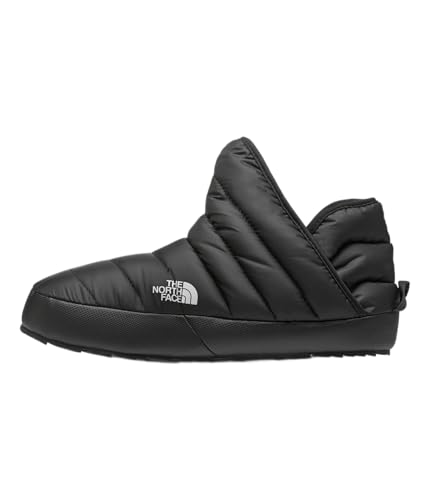

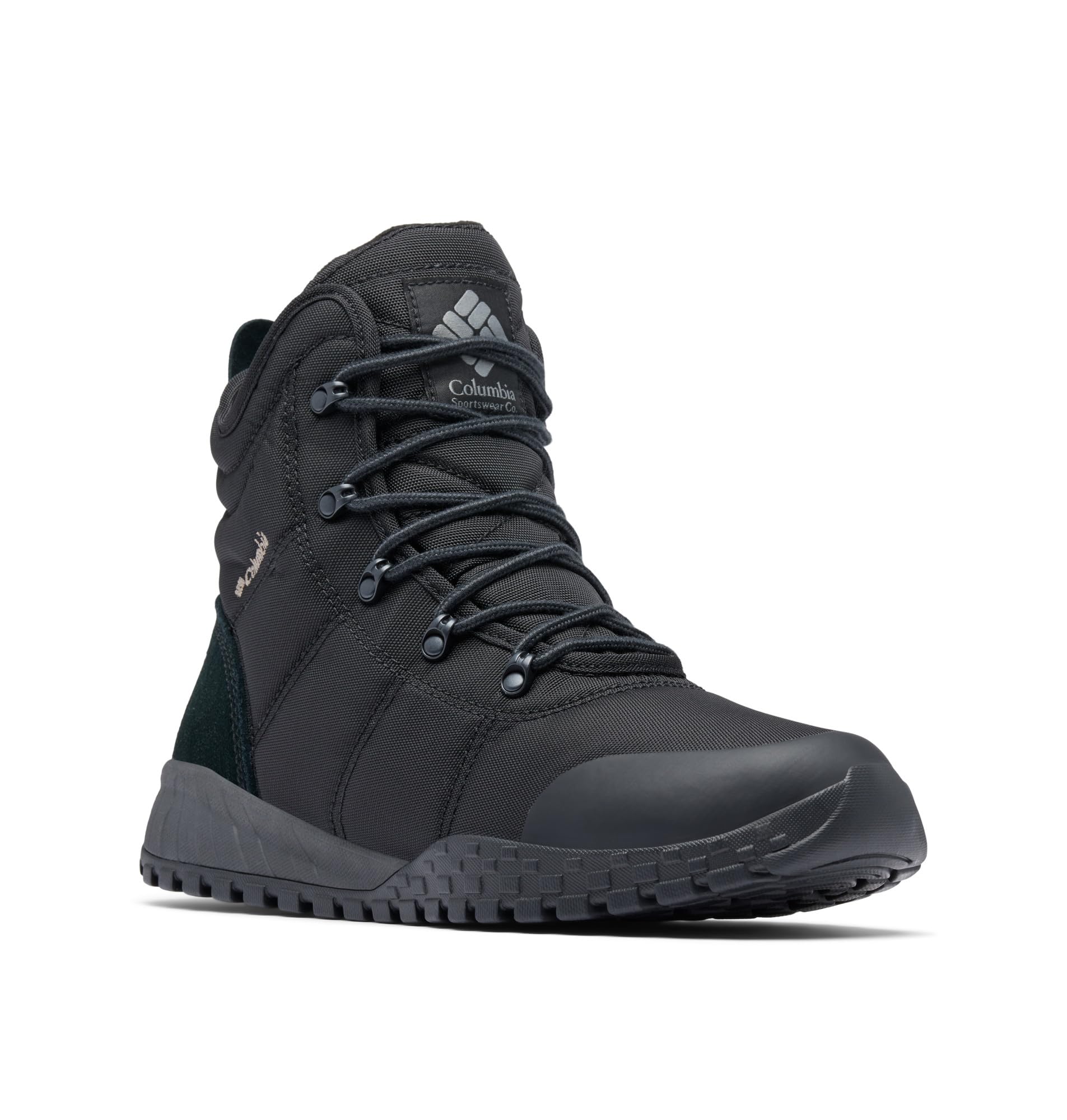
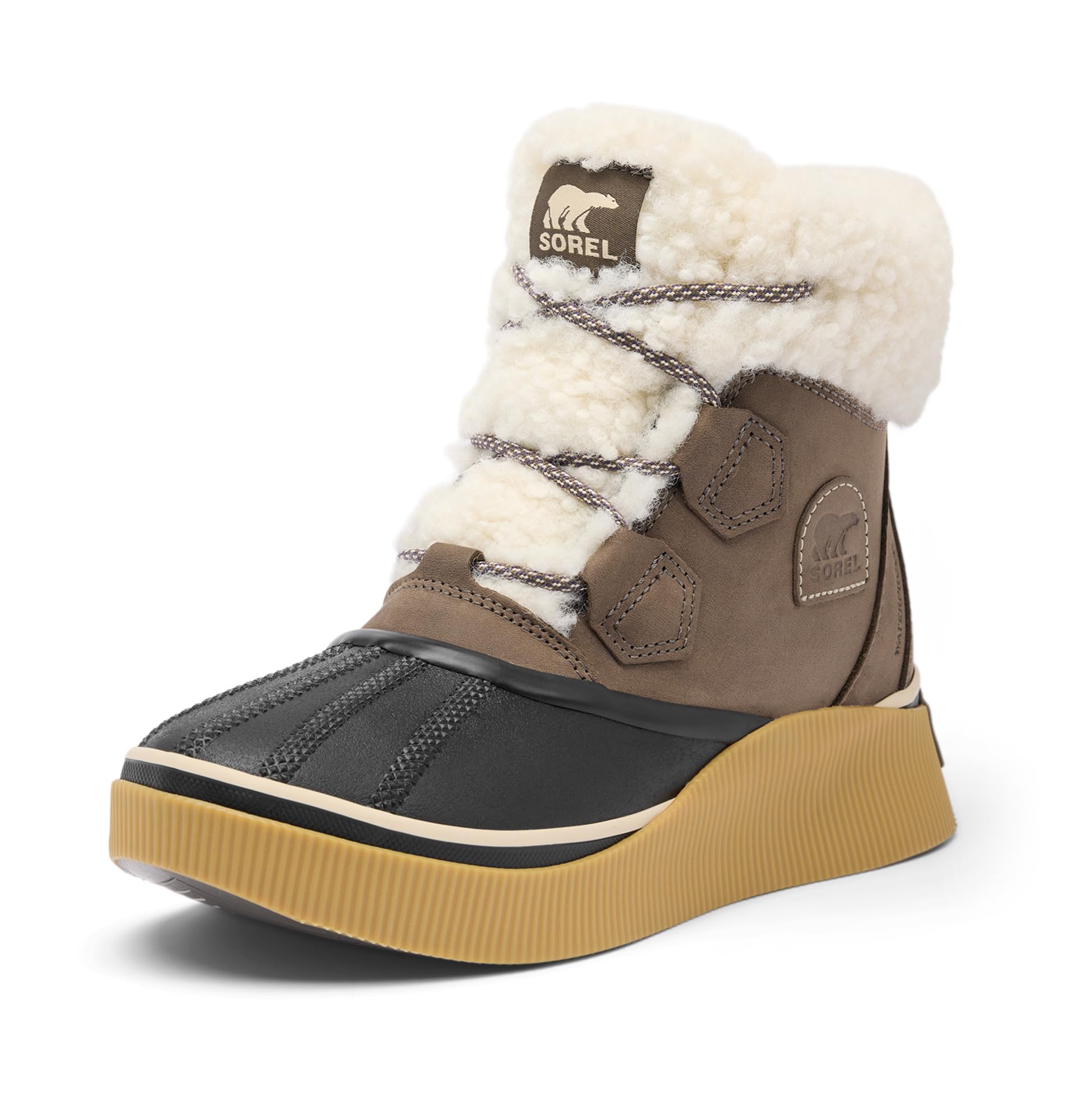
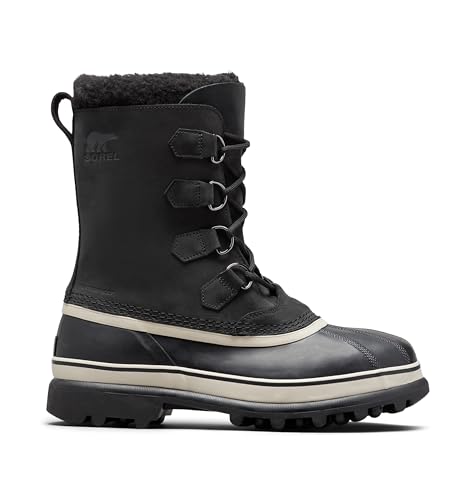

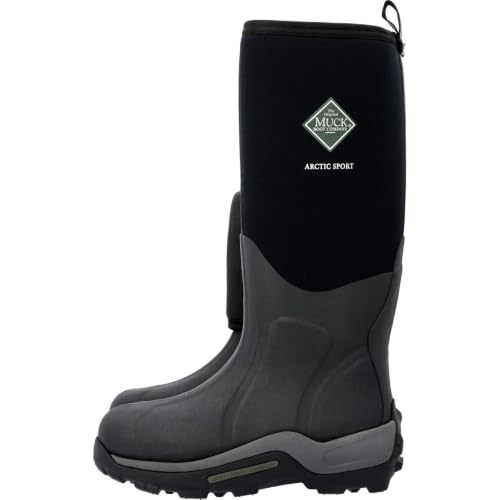

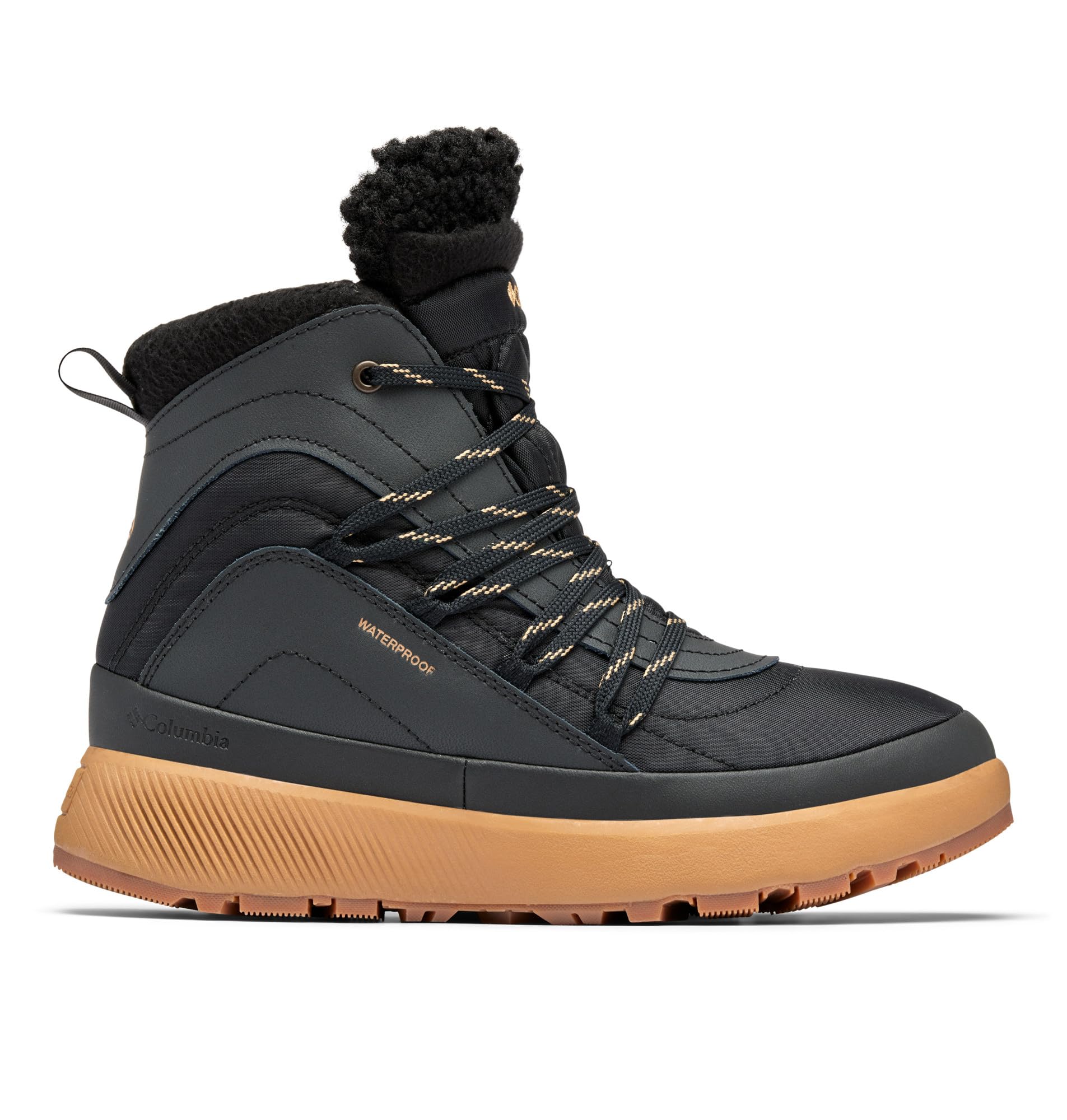
Who Should Buy Casual Winter Shoes
Casual winter shoes suit commuters, parents on school runs, and anyone who spends most of the day indoors and a short time outside in the cold. They work best on cleared sidewalks, parking lots, and wet pavement. If you shovel snow, walk dogs in deep drifts, or stand outside for hours, a taller insulated boot is the safer choice, and the shoe becomes a second pair for milder days.
Types of Casual Winter Shoes
Insulated Winter Sneakers
These look like chunky sneakers with a warmer lining and a water resistant upper. They suit short outdoor stretches and offices where boots look out of place. Expect less warmth when standing still, and check that the sole has real lugs rather than a smooth sneaker pattern.
Bootie Style Winter Shoes
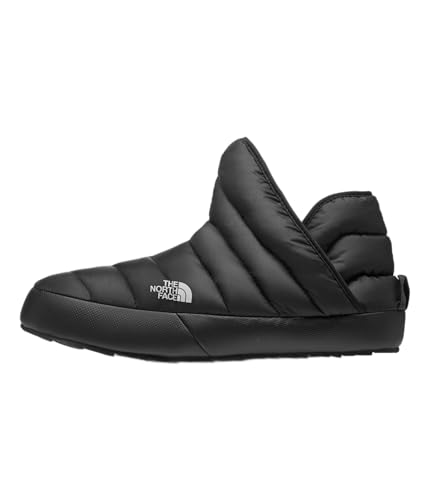
Bootie styles rise just above the ankle bone, which keeps slush from splashing in and adds a little warmth. A pull loop and a gusseted tongue make them easy to get on and keep water out at the laces. They are the most popular choice for city winters because they pair with jeans, leggings, and work trousers.
Slip On Winter Shoes and Mocs
Slip on mocs and loafer style winter shoes trade a locked in fit for speed. A fleece or shearling style lining keeps feet warm indoors and on short trips, but the fit is looser at the heel, so they suit short walks better than long ones.
How to Choose the Best Casual Winter Shoes
Water Resistance and Seam Sealing
Treated leather or coated fabric sheds light splashes, while a waterproof membrane with sealed seams keeps feet dry through puddles and slush. Remember that a low shoe protects only up to its own height, so water that comes over the collar will soak the lining whatever the label says. Choose full waterproofing if your route crosses slushy curbs daily.
Insulation and Warmth
Insulation traps warm air around the foot. For casual winter shoes, light to medium insulation is enough, because thick fill makes a low shoe stiff and hot indoors. A breathable lining matters, since trapped sweat chills your feet once you stop moving. Wool or synthetic blend socks do more for warmth than a thicker shoe.
Grip on Ice and Wet Pavement
The outsole decides safety on slick ground. Look for lugs that clear slush and a rubber compound that stays flexible in the cold, since hard plastic soles lose grip as temperatures drop. No casual shoe grips bare ice fully, so shorten your steps on glazed surfaces and consider clip on cleats for icy weeks.
Ankle Height and Snow Entry
A higher collar blocks snow and slush, while a low collar is lighter and easier to wear with dress trousers. If your sidewalks are plowed quickly, a low or ankle height shoe is enough. If snow lingers, step up to a bootie style with a gusseted tongue.
Weight and Walking Comfort
Casual winter shoes should feel closer to everyday shoes than to boots. A flexible sole that bends at the ball of the foot and a cushioned midsole make long errand days easier. Try the shoes on with winter socks and walk on a hard floor before you decide.
Fit, Sizing, and Toe Room
Measure your feet in the afternoon and wear the socks you plan to use. Leave about a thumb width in front of the longest toe and make sure the heel stays put, because tight shoes restrict circulation and feel colder. If you fall between sizes, choose the larger size and add a cushioned insole.
Care and Daily Use
Wipe off road salt the same day, because salt dries leather and leaves white stains. Let wet shoes dry slowly at room temperature, away from radiators, with loose paper inside to pull out moisture. Renew water repellent treatment each season and rotate two pairs if you wear them daily. If you notice persistent numbness or pain in cold weather, talk with a clinician rather than enduring it.
Common Mistakes to Avoid
A common mistake is choosing a smooth fashion sole that skates on wet tile and packed snow. Another is buying your summer size, which leaves no room for winter socks and makes feet colder. A third is trusting water resistant fabric for daily slush, when a sealed waterproof build is what keeps socks dry. Finally, many buyers forget that a tight shoe feels colder than a roomy one, because it restricts blood flow.
Related Guides
For neighboring choices, see our guides to the best winter shoes, the best casual shoes, and the best casual shoes for men.
Frequently Asked Questions
Are casual winter shoes warm enough for snow?
They handle light snow and cleared sidewalks well, especially in a bootie style with a gusseted tongue. For deep snow or long outdoor stretches, a taller insulated boot keeps feet warmer and drier.
Do casual winter shoes need to be waterproof?
Waterproofing is worth it if your route crosses slush and puddles. Water resistant treatment is enough for dry cold and short dashes from car to door. Check that the tongue is gusseted, since many shoes leak there first.
How should casual winter shoes fit?
They should hold your heel without slipping and leave about a thumb width of room in front of your toes, with winter socks on. Try them late in the day when your feet are at their largest.
Can I wear casual winter shoes indoors all day?
Yes, if the insulation is light and the lining breathes. Heavily insulated shoes can overheat in a warm office, so choose a lighter pair or keep indoor shoes at work for the coldest weeks.
How often should I replace casual winter shoes?
Replace them when the tread wears smooth, the lining packs flat and no longer feels warm, or water starts leaking in. For daily wearers that is often every two to four winters.
Final Thoughts
Choose water protection for your slush level, insulation for your time outdoors, and grip for your usual surfaces, then confirm the fit with winter socks on. Compare your shortlist in the product table above, and the best casual winter shoes for you will keep your feet dry, warm, and steady all season.