Best Casual Hiking Shoes 2026: Complete Buying Guide
Disclosure: We may earn a commission when you buy through links on this page, at no extra cost to you. As an Amazon Associate I earn from qualifying purchases. Learn more

Compare the best casual hiking shoes by grip, support, waterproofing, and fit for park trails and weekend walks, with care and price tips.
Casual hiking shoes sit between a trail boot and an everyday sneaker. The best casual hiking shoes give you grip and protection for park trails, gravel paths, and weekend walks without the weight and stiffness of a full boot, and they look fine at a trailhead cafe afterward.
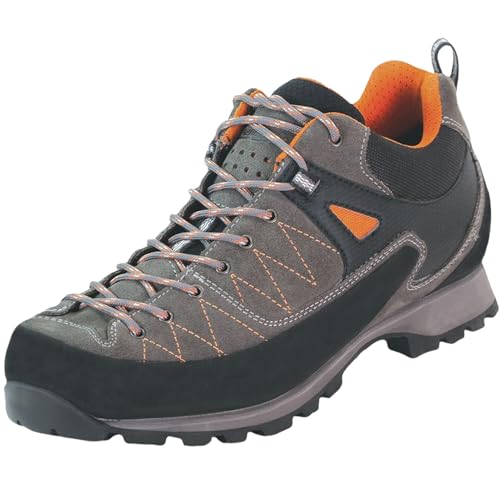
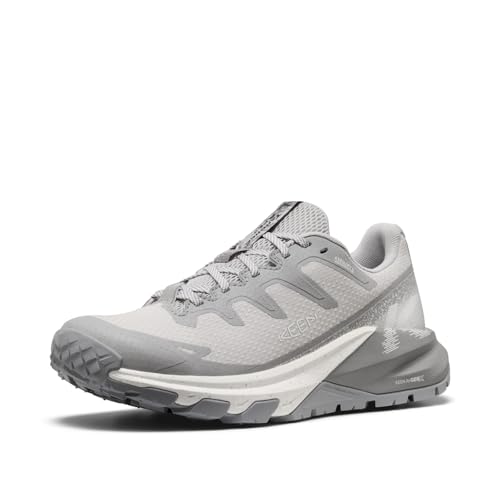
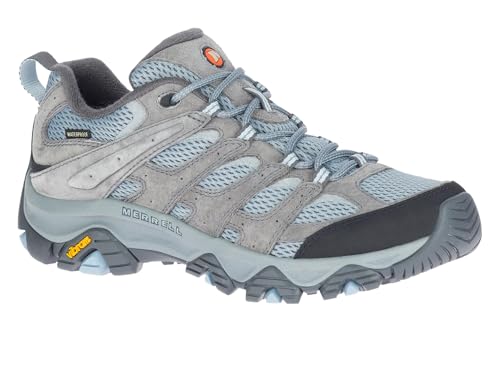
This guide explains how casual hiking shoes differ from other footwear, what to check on grip, support, and weather protection, and how to fit and care for a pair. The product table above shows current options to compare.





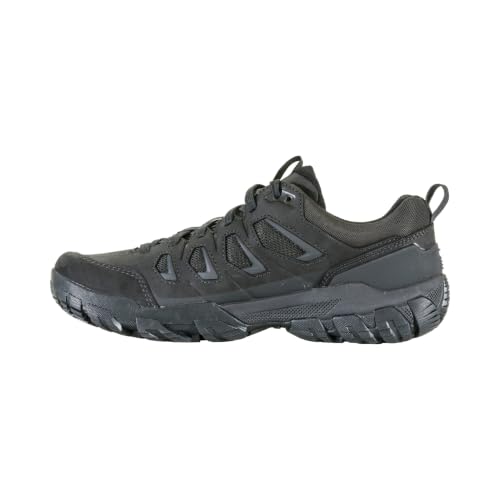
Hiking Shoes Compared With Boots and Trail Runners
Hiking shoes are low cut, so they weigh less than boots and feel more natural to walk in. They offer more sole stiffness and underfoot protection than a standard sneaker, and often include a toe cap and a grippier outsole.
Boots give more ankle coverage and suit heavy loads and rough terrain. Trail running shoes are lighter and more flexible, which suits fast movement but offers less protection. A casual hiking shoe is the middle option for short to moderate day hikes and mixed use. If you want more ankle support, see our guide to the best hiking boots for casual hiker.
Who Casual Hiking Shoes Suit
The best casual hiking shoes suit more people than boots do. They suit walkers who spend weekends on park trails, nature paths, and easy hills, and who want one shoe that also works for travel and daily wear. They are a good fit for people who find boots hot or heavy, or who want less break in time.
They are less suitable for carrying heavy packs over rough ground, scrambling, or wet and muddy conditions where ankle support and waterproofing matter most.
Grip and Outsole Design
The outsole is the most important part for safety. Look for deep lugs, which are the raised tread blocks, spaced widely enough to shed mud and grip loose dirt. Rubber that feels slightly soft usually holds better on wet rock and roots, while harder rubber lasts longer on gravel and pavement.
A defined heel edge helps you brake on descents. If most of your walks are on dry paths, a moderate tread is enough, and it will also feel better on pavement between trails.
Cushioning, Support, and Stiffness
A casual hiking shoe should bend at the ball of the foot but resist twisting through the middle. Try bending it by hand: a shoe that folds in half easily will tire your feet on rough ground.
Cushioning should absorb impact without feeling squishy. Foam midsoles are common, and some include a rock plate or firmer shank for protection. A supportive footbed and a heel cup that holds the heel in place also reduce fatigue on longer walks.
Waterproof or Breathable
Waterproof liners keep out rain and puddles, which helps in cool and wet weather. The trade off is warmth and slower drying, since the liner also traps sweat. If you hike mostly in warm, dry conditions, a breathable mesh shoe will feel cooler and dry quickly after a splash.
Water resistant leather and treated fabrics are a middle choice. They shed light moisture but will soak through in a long wet walk. Remember that no low shoe will stay dry if water pours over the ankle opening.
Upper Materials
Leather and suede are durable and protect against scrapes, and they look smart off the trail, but they take longer to break in and dry. Mesh and knit uppers are light and breathable but wear faster at flex points. Many shoes combine materials, using mesh for airflow and overlays for protection, which suits mixed use.
A rubber toe cap protects against kicks on rocks and roots, and it extends the life of the shoe.
Fit and Sizing
Try shoes on in the afternoon with the socks you will hike in, and walk on an incline if possible. You want about a thumb width of space in front of the longest toe, because feet swell on long walks and slide forward on descents. The heel should stay put, and the toes should be able to spread.
If your toes hit the front on a downhill, size up or choose a model with a roomier toe box. Break in new shoes on short walks before a big outing. Persistent pain, numbness, or blisters mean the fit is wrong.
Care and Longevity
Knock off mud after each walk and brush the sole to keep the tread clear. Let wet shoes dry at room temperature, away from heaters, since heat can warp midsoles and damage glue. Remove the insoles to speed up drying.
Check the outsole and midsole regularly. Replace shoes when the tread is worn smooth, the cushioning feels flat, or the upper is splitting.
Price Guide
Basic casual hiking shoes start around $40 to $70 and suit occasional walkers. Mid range pairs, around $80 to $150, add better outsoles, more supportive midsoles, and waterproof options. Premium models can go well above that, with durable materials and technical grip.
Frequently Asked Questions
Can I wear hiking shoes every day?
Yes. Many people wear them for walking, travel, and casual use because they are comfortable and durable. Choose a pair with a smooth enough tread for pavement.
Do I need waterproof hiking shoes?
Only if you regularly hike in wet conditions. In warm, dry weather, breathable shoes are cooler and dry faster.
Are hiking shoes good for trails with rocks and roots?
For short and moderate trails, yes. A stiffer sole and toe cap help. For rough ground and heavy loads, boots offer more protection.
How long do hiking shoes last?
Many pairs last a couple of seasons of regular use. Terrain, frequency, and care all affect life, and worn tread or flat cushioning means it is time to replace them.
Should I size up in hiking shoes?
Many hikers go up half a size for toe room, especially for downhill walking. Try them with hiking socks and walk around before deciding.
Final Thoughts
Match the shoe to the trails you actually walk, check grip and fit, and decide whether you need waterproofing. Use the product table above to compare current options. The best casual hiking shoes feel comfortable from the first step, grip well on dirt and rock, and stay useful long after the hike ends.