
Best Casual Dinnerware Sets: Types Compared and How to Choose for 2026
Disclosure: We may earn a commission when you buy through links on this page, at no extra cost to you. As an Amazon Associate I earn from qualifying purchases. Learn more

Compare materials, ideal users, and price ranges to pick the best casual dinnerware sets for your table, from stoneware and glass to wood and bamboo.
Walk into any kitchen store and the dinnerware aisle can stop you cold. Wood, glass, plastic, ceramic, and stoneware all promise easy everyday meals, yet they feel, weigh, and age very differently. This guide sorts the best casual dinnerware sets by material type first, so you can rule out whole categories in minutes.
You will compare how each type handles heat, drops, stacking, and daily washing. You will also learn how to judge value per piece and food safety before you spend anything. Start with the comparison table below, then read the type that sounds closest to your household.

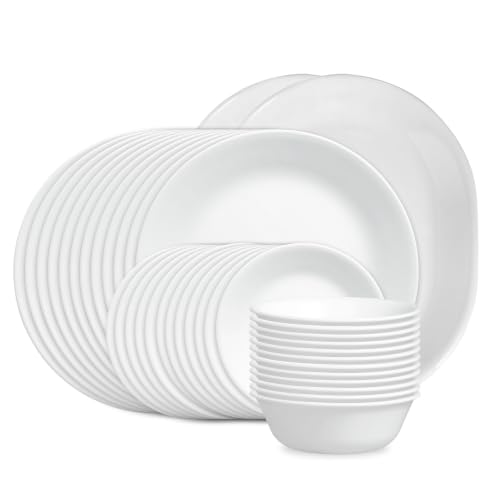


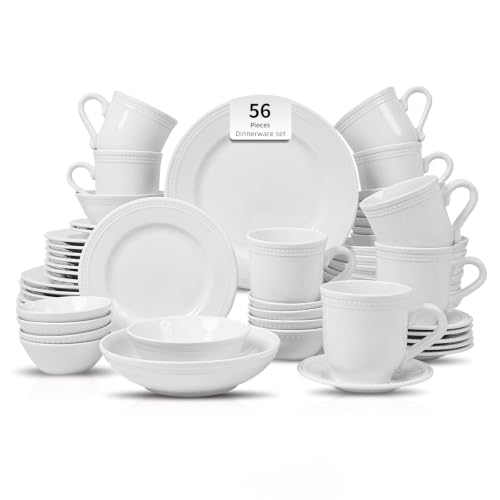
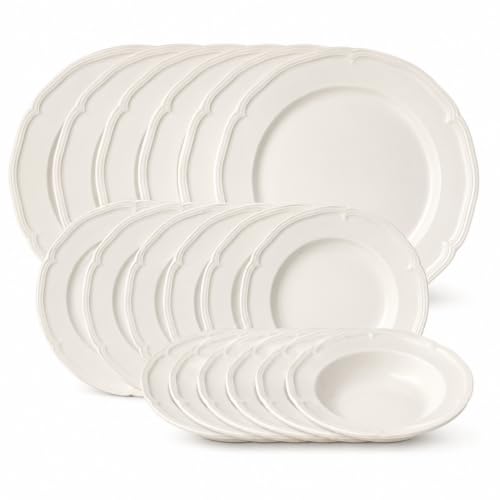
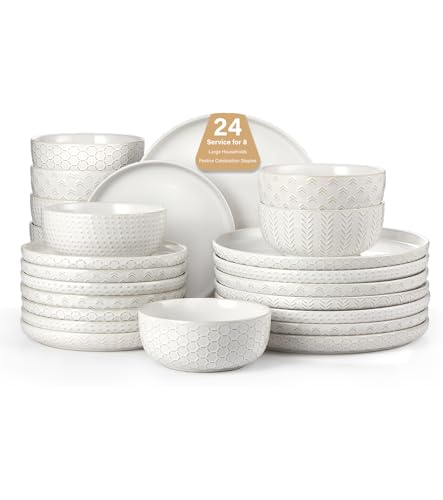
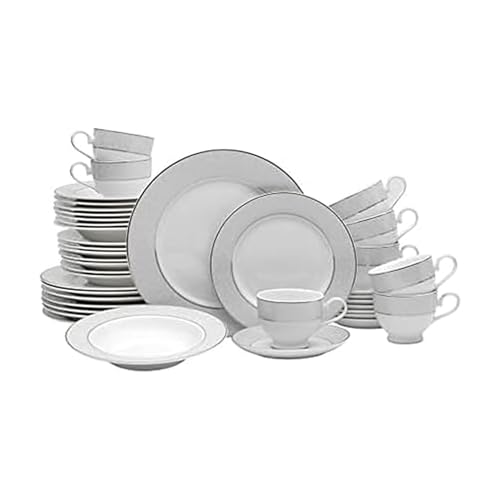
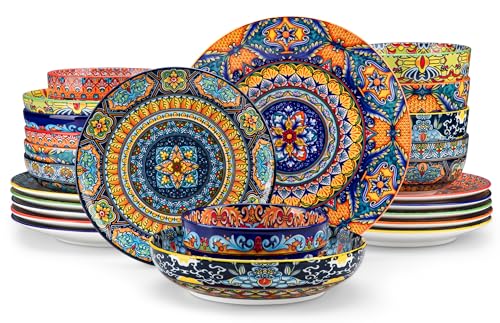
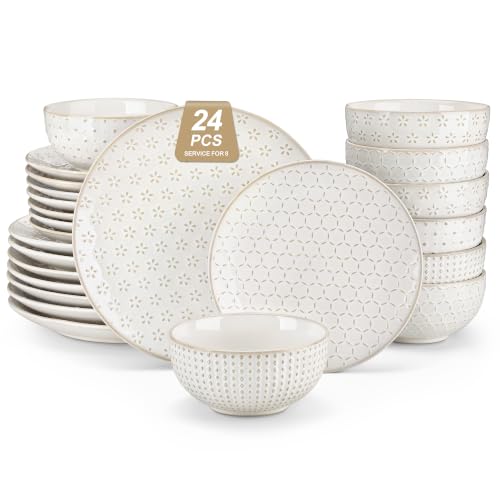
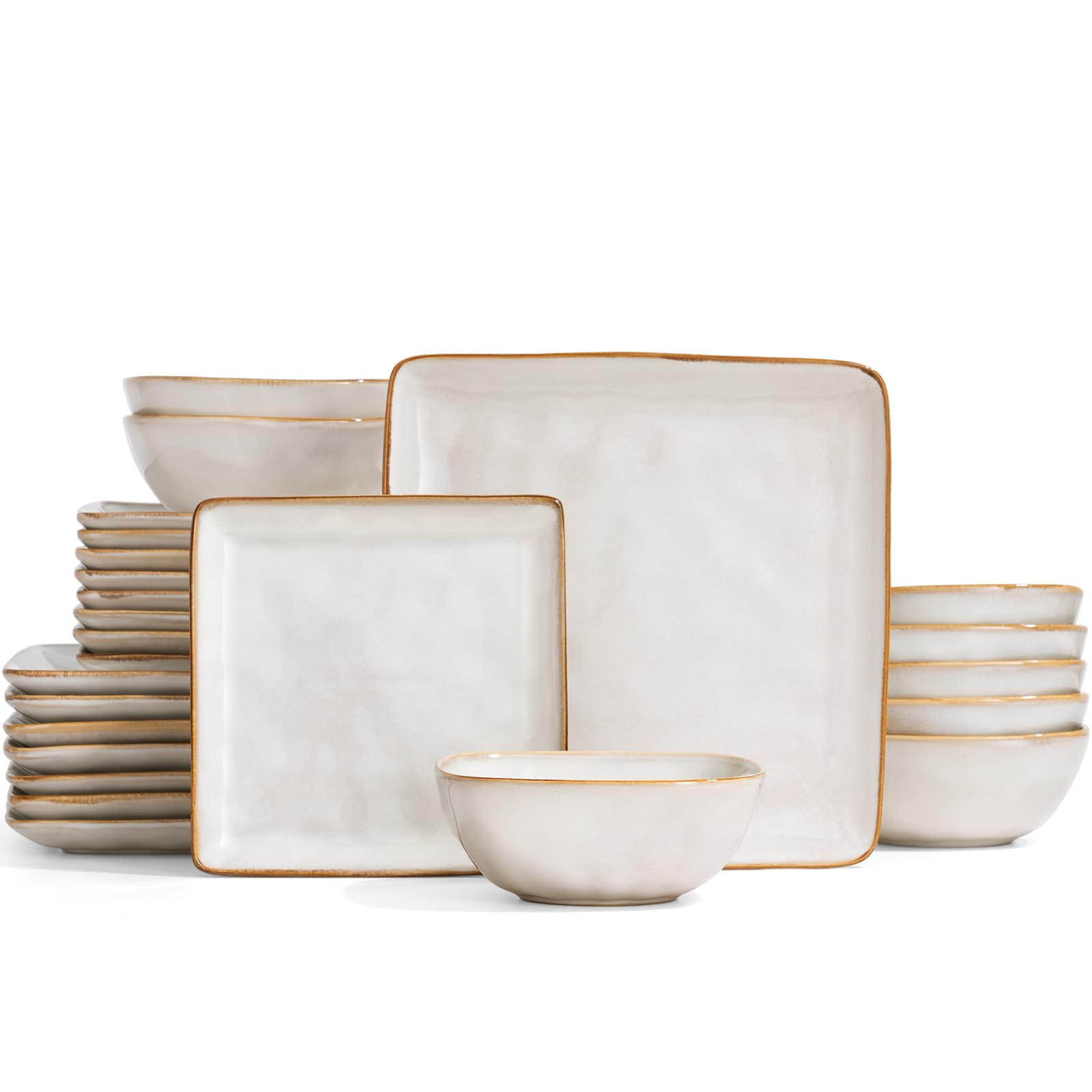
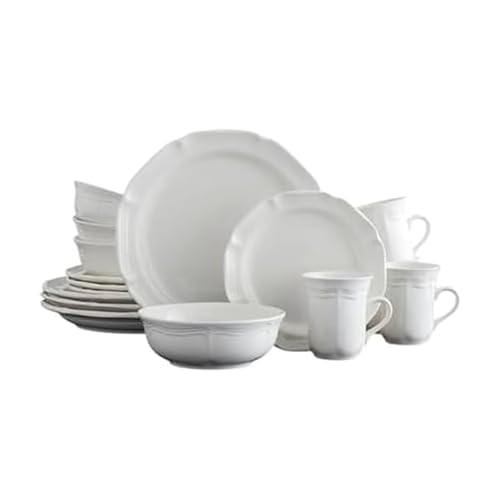
Types of Casual Dinnerware Sets Compared
Material drives almost every other decision. It sets the weight in your hand, whether a plate can go in the microwave, how it sounds on the table, and how long it survives a busy sink. Wood and bamboo feel warm and quiet, glass feels clean and neutral, and modern plastic feels light and forgiving. None of them is best for everyone, so match the material to your meals, your storage, and who actually washes up.
Price follows material too. Plastic sets often cost about $25 to $60, glass sets about $40 to $100, and wood or bamboo sets about $50 to $120, depending on piece count. If you are weighing a step up in finish and weight, our guide to the best quality dinnerware sets explains what extra money usually buys.
Wood and Bamboo Options
Wood and bamboo pieces are turned or pressed from natural fibers, then sealed with a food safe oil or finish. They shine at breakfast, snacks, salads, and outdoor meals where a light, quiet plate feels right. They will not clink, they rarely chip, and a dropped bowl usually bounces instead of breaking.
The trade off is care and heat. Most wood and bamboo should not soak, should not go in the dishwasher, and should stay out of the microwave. Hot soup can warp or crack some pieces over time. Choose this type if you value a warm look and gentle handling, and if hand washing a few pieces feels manageable rather than annoying.
Glass Options
Glass dinnerware is usually tempered or opal glass, pressed into plates and bowls that feel smooth and nonporous. It reheats food evenly in the microwave, resists stains and odors, and goes in the dishwasher without drama. Clear or white glass also shows food color well, which makes simple meals look fresher.
The weakness is impact. A hard tile floor or a heavy pan in the sink can chip or shatter a piece, and thin rims are the first place damage shows. Glass also feels colder and can sound sharp on stone counters. Pick glass if easy cleaning and microwave use matter more to you than drop survival, and if your household handles dishes with reasonable care.
Plastic and BPA Free Options
Modern casual sets often use BPA free plastic or food grade silicone accents, and the better pieces feel sturdy rather than flimsy. They are the lightest option, they stack tightly, and they survive drops from high chairs and patio tables. That makes them a calm choice for young kids, camping, dorm rooms, and casual outdoor eating.
Check the heat rating before you buy. Some plastics warp near high heat and should not hold very hot food for long, and knives can score the surface over time. Look for clear labeling that says BPA free, food grade, and heat resistant up to a stated temperature. Choose plastic when low weight and toughness beat a classic table feel.
Stoneware and Ceramic Options
Stoneware and glazed ceramic are the most common materials for everyday sets, and they sit in a comfortable middle ground. They feel substantial, hold heat well, and usually go in the dishwasher and microwave. Their rustic, handmade look suits casual tables, and the glaze comes in many colors.
The trade off is weight and chipping. A heavy stack is harder to lift, and a knock on a hard edge can chip the glaze. Choose stoneware if you want a classic casual look and are willing to handle the plates with a little care.
Wood and Bamboo Options vs Glass Options: Which Should You Choose?
Start with heat. Glass wins for reheating leftovers and serving hot meals straight from the oven to the table. Wood and bamboo win for cool or warm foods and for settings where you want a softer, quieter table.
Next, think about drops and noise. Wood and bamboo forgive slips and keep a sleeping household quiet during early breakfasts. Glass asks for more care but rewards you with easier washing and no lingering odors. For care, glass goes in the dishwasher while wood wants a quick hand wash and full air drying. For looks, wood adds texture and warmth, while glass keeps the focus on the food. If your meals are mostly hot and your time is short, lean glass. If your meals are relaxed and your style is natural, lean wood or bamboo.
How to Choose the Right Casual Dinnerware Set
Once the material feels right, narrow the set itself. Count the people at your table on a normal week, not at a holiday. A set for four suits most couples and small families, while larger households should look at the best dinnerware sets for 8 so guests do not end up with mismatched plates. Then work through the four checks below before you compare colors or patterns.
Storage and Space Saving
Measure your shelf depth and cabinet height before you order, because plate diameter varies more than most buyers expect. Large dinner plates around 11 inches may not fit older cabinets or a compact dishwasher. Stackable shapes with a small foot ring save real space and slide less in the stack.
Know how tip: photograph your current stack with a tape measure in the frame. Comparing that photo with a product listing is faster and more reliable than guessing from memory at the store. If space is tight, consider open stock pieces or a smaller set you can add to later, rather than a large boxed set with serving pieces you will rarely use.
Material and Food Safety
Look for plain, specific safety language. For plastic, that means BPA free and food grade. For silicone parts such as lids or grips, food grade silicone that is heat resistant is the standard to expect. Wood should have a food safe finish you can renew with oil, and glass should be free of decorative coatings on the eating surface.
Flatware is often sold alongside sets, and there the useful marker is 18/8 stainless steel, which resists rust well in daily use. Be cautious with very cheap painted or coated pieces, because chipped coatings can reach food. When safety language is vague, treat that as a reason to keep shopping, not as a minor detail.
Value per Piece
Divide the set price by the number of pieces you will actually use each week. A low priced set full of tiny saucers and mugs you dislike can cost more per useful piece than a higher priced set of plates and bowls in the right sizes. Serving bowls and platters add value only if you host or cook family style meals often.
Also check the cost of replacement pieces. Open stock lines let you replace one broken plate cheaply, while a closed boxed set may force a whole new purchase. If you expect to use the set for years, easy replacement is worth real money. Readers comparing daily workhorse options with special occasion sets may also find our guide to the best everyday dinnerware sets useful for sizing a core set.
Durability and Build
Run a finger around rims and bases. Chips start at thin, sharp edges, and wobbly bases signal uneven forming. Glass should feel evenly thick, wood should feel smooth with no raised grain or rough joints, and plastic should flex slightly without creaking or whitening at the bend.
Weight tells you something too. Very light pieces can feel cheap and slide around, while very heavy pieces tire wrists and strain cabinet shelves. Aim for a middle weight you can carry in a stack of four without effort. Good build also means pieces nest evenly, so the stack stands straight instead of leaning.
Setup and Care Tips
Hand wash wooden items and oil them monthly with a food safe oil, wiping off the excess so the surface does not feel sticky. Let every material air dry fully before storing, because trapped moisture dulls wood and can leave odors in plastic. Avoid metal tools on coated or soft surfaces, and use a soft sponge on glass to keep the finish clear.
Know how tip: stack plates with a cloth or paper liner between them if rims tend to scuff. It takes seconds and keeps a new set looking new far longer. Store heavy stacks low, where a slip is less likely and lifting is safer.
FAQs
How long do casual dinnerware sets last?
Most casual dinnerware sets last about three to seven years of daily use, depending on material and care. Glass and sturdy plastic often outlast wood in busy homes because they tolerate dishwashers and soaking. One extra point: rotating two smaller sets instead of using one set for every meal spreads wear and can noticeably extend the life of each set.
Is a full dinnerware set better than buying pieces separately?
A full set is usually better value when you need matching plates, bowls, and mugs all at once. Buying pieces separately costs more per piece but lets you choose exact sizes and skip items you never use. If your cabinets are small or your needs are unusual, open stock buying also makes replacing a single broken plate much simpler later.
What material is safest for food in a casual dinnerware set?
Glass is widely considered the safest everyday choice because it is nonporous and does not react with acidic foods. BPA free plastic and food grade silicone are also accepted for normal use when you follow their heat limits. Avoid any piece with peeling paint, cracked glaze, or a damaged coating on the eating surface, whatever the material.
Are casual dinnerware sets dishwasher safe?
Many casual dinnerware sets are dishwasher safe, but it depends entirely on the material. Glass and most modern plastics handle the dishwasher well on a normal cycle. Wood and bamboo generally do not, and high heat drying can crack them. Always check the care label for each piece, because mugs or serving items in the same box can carry different instructions.
Our Verdict
Choose by material first, storage fit second, and value per useful piece third. Glass suits hot meals and fast cleanup, wood and bamboo suit a warm and quiet table, and BPA free plastic suits kids, patios, and tight budgets. Whichever route you take, the best casual dinnerware sets are the ones your household will use and wash happily every day. Compare the finalists in the product table above, and if you want a more formal counterpoint for guests, see our guide to the best luxury dinnerware sets.


